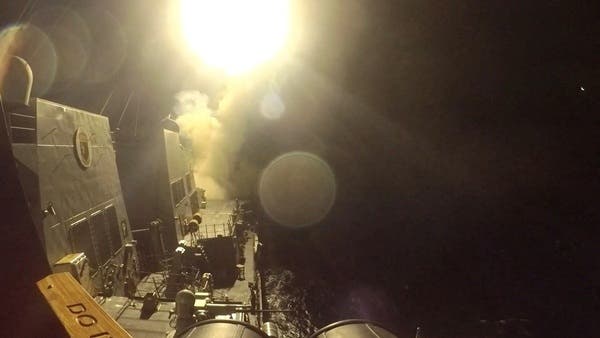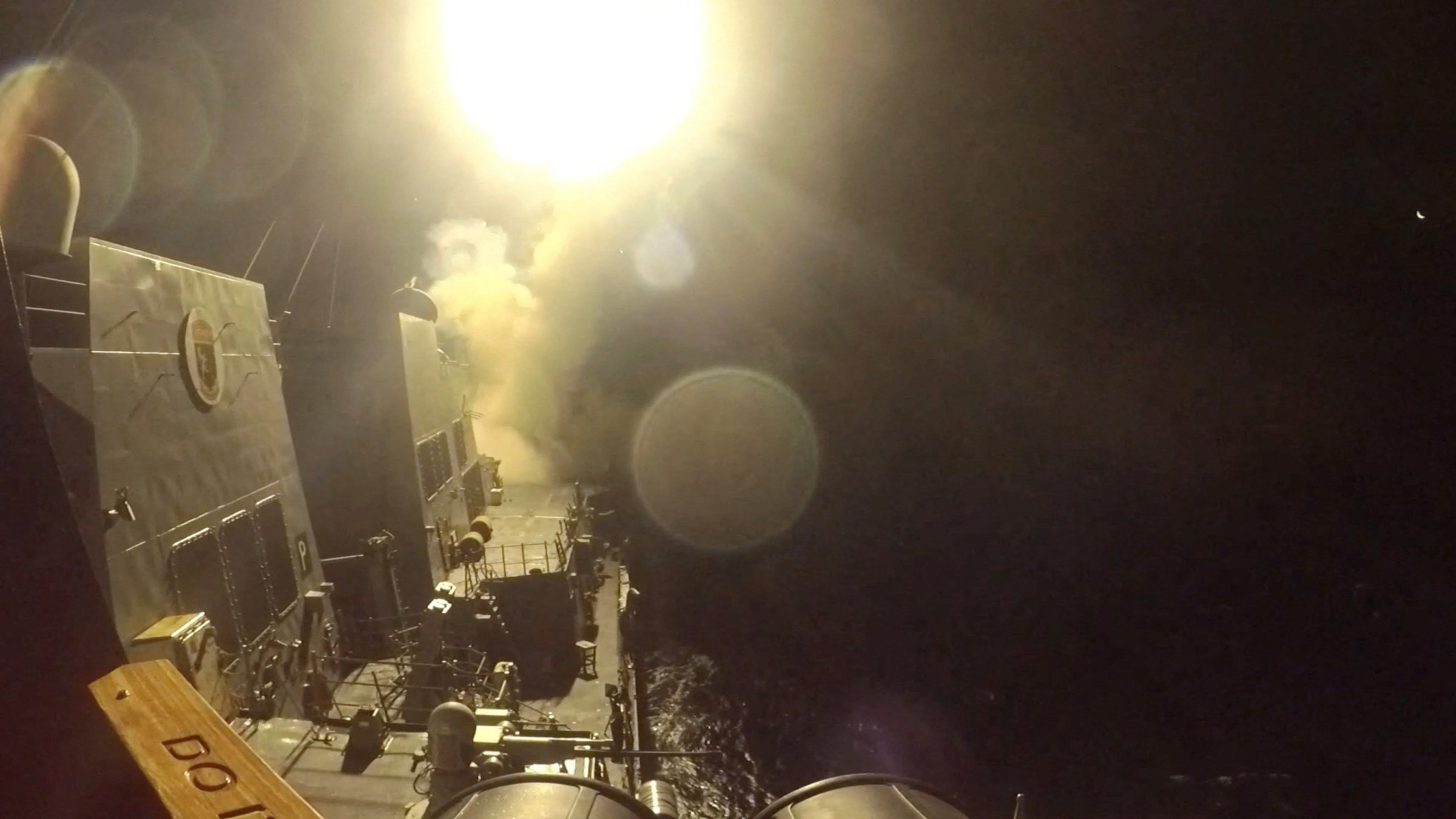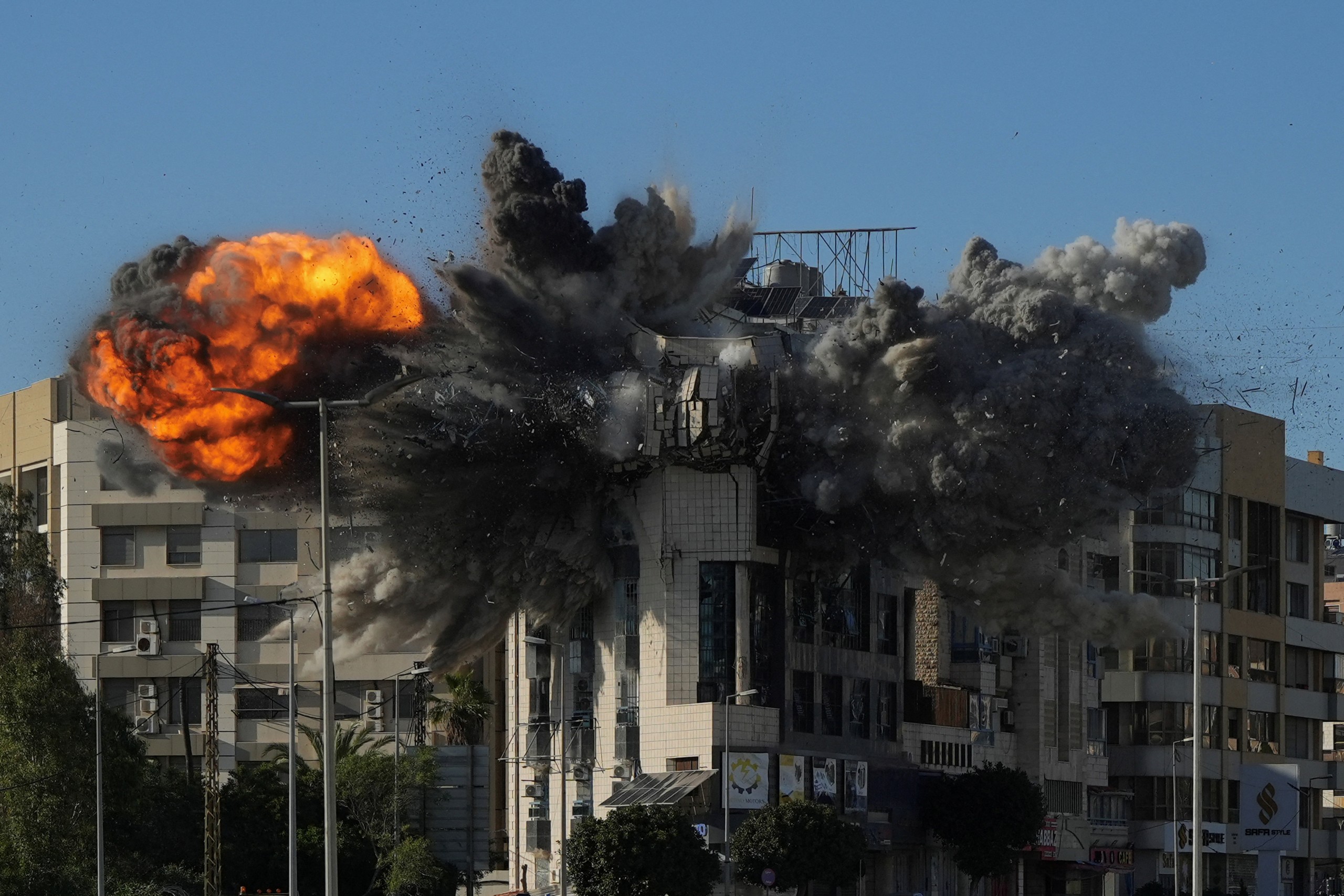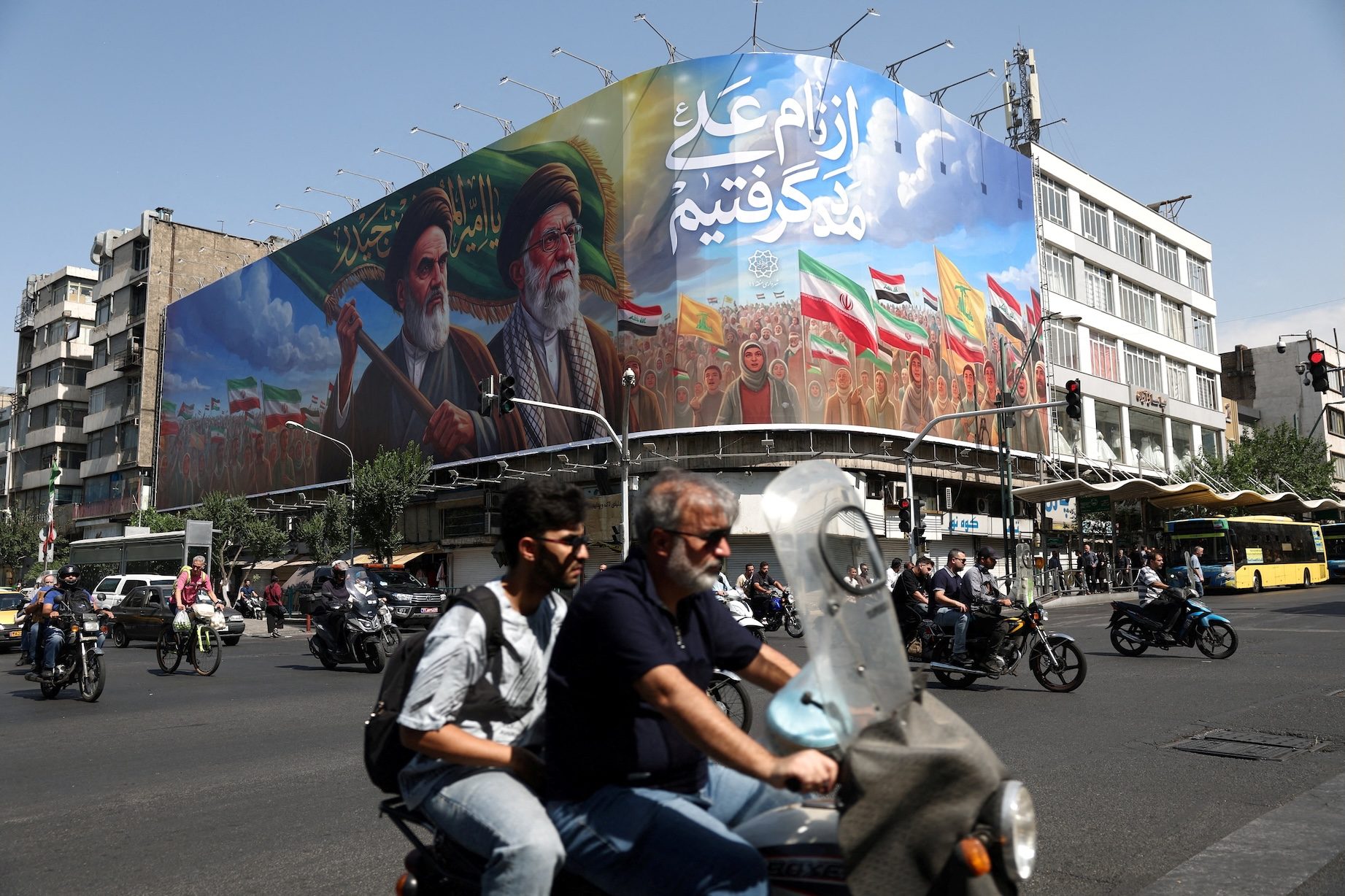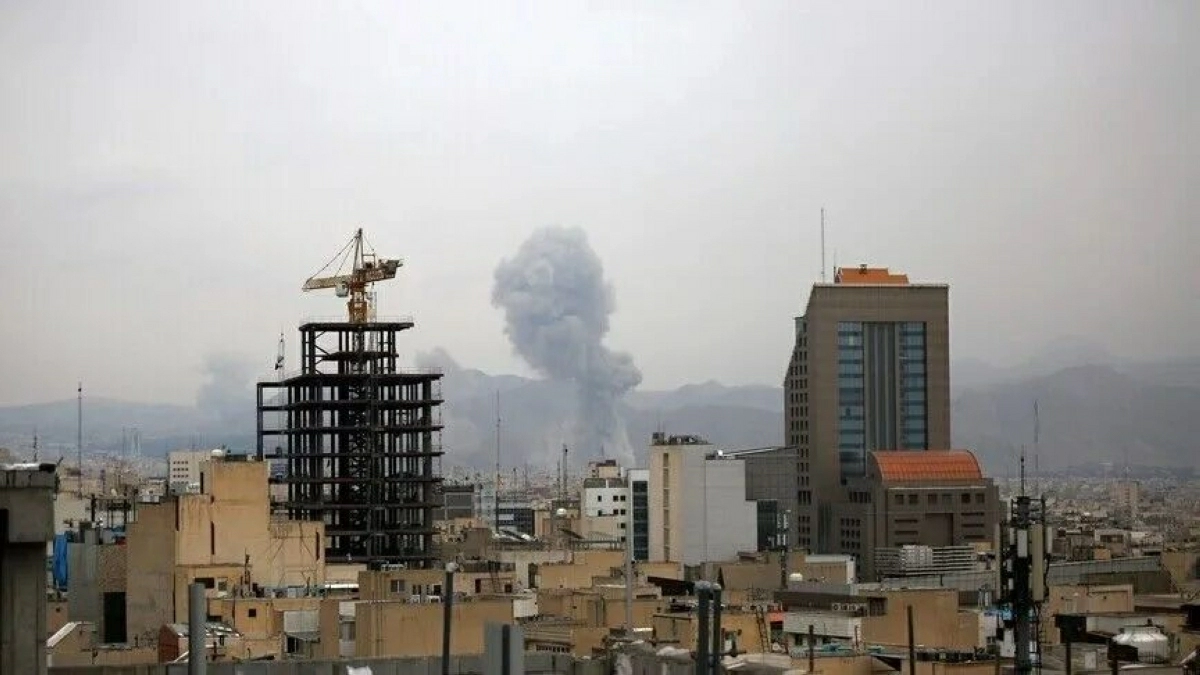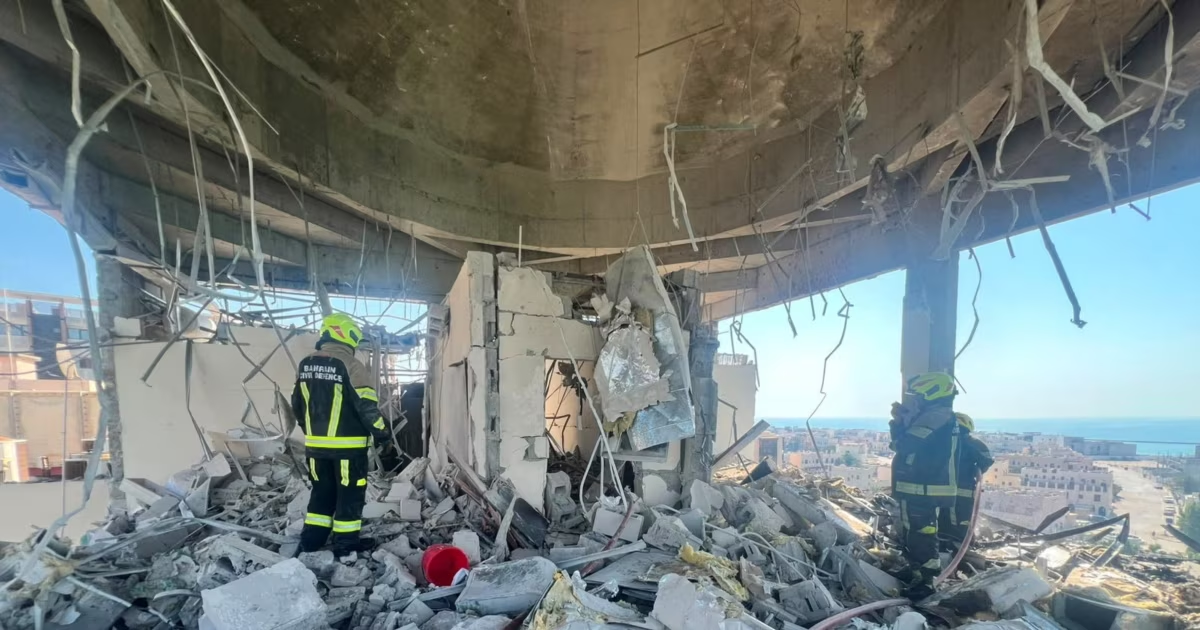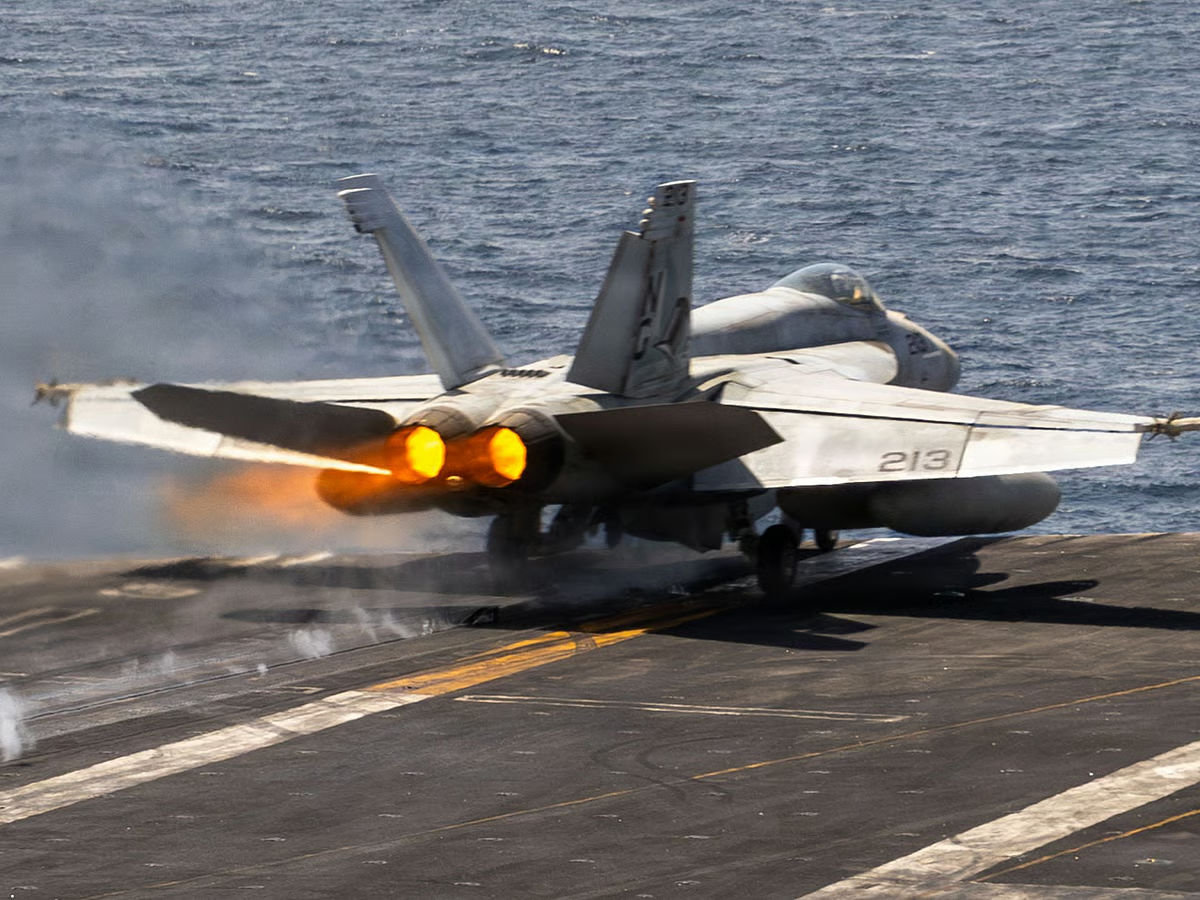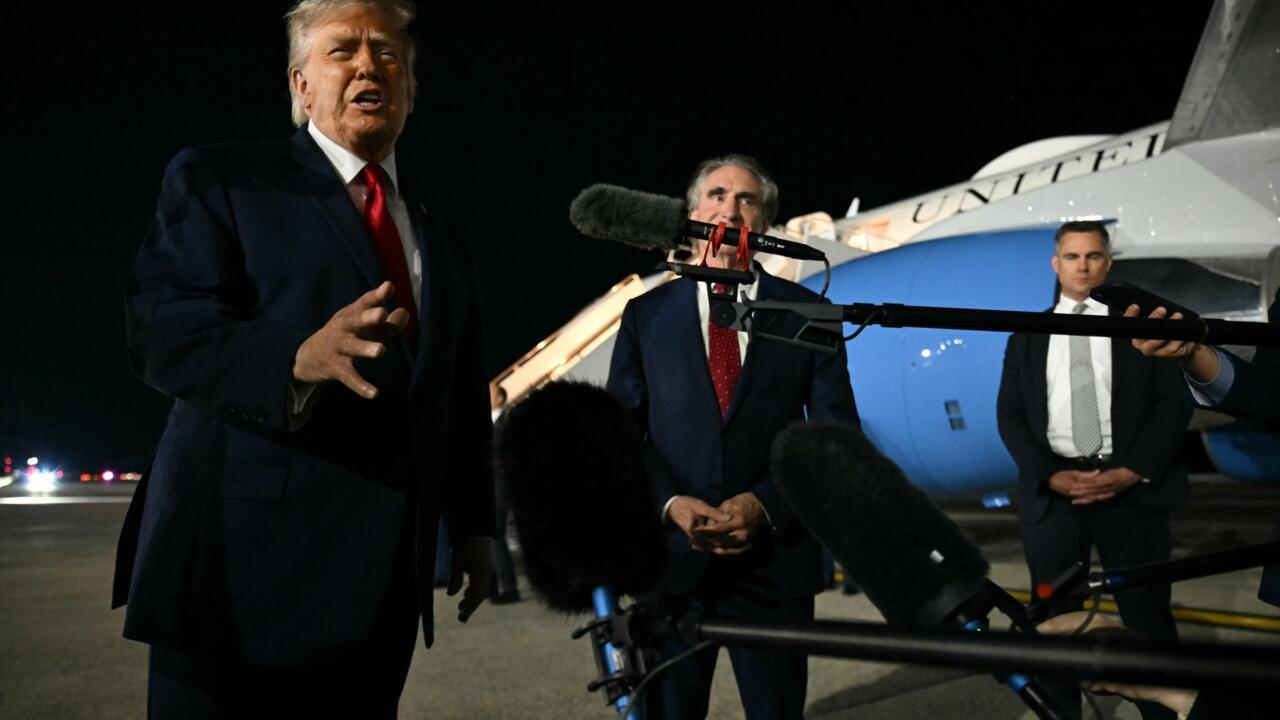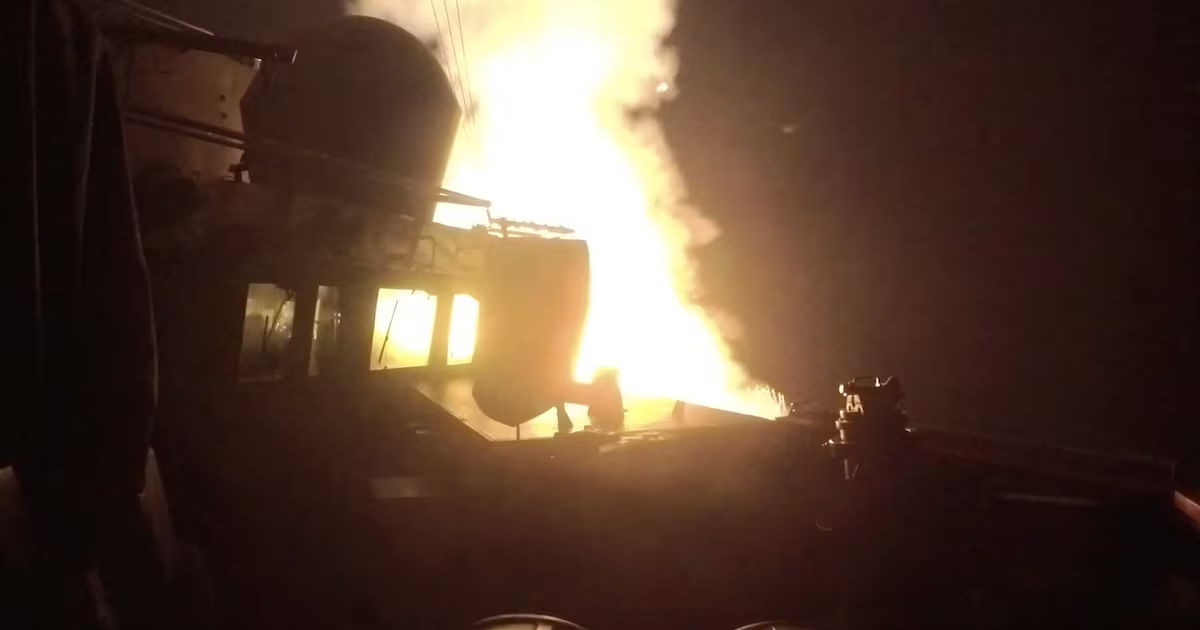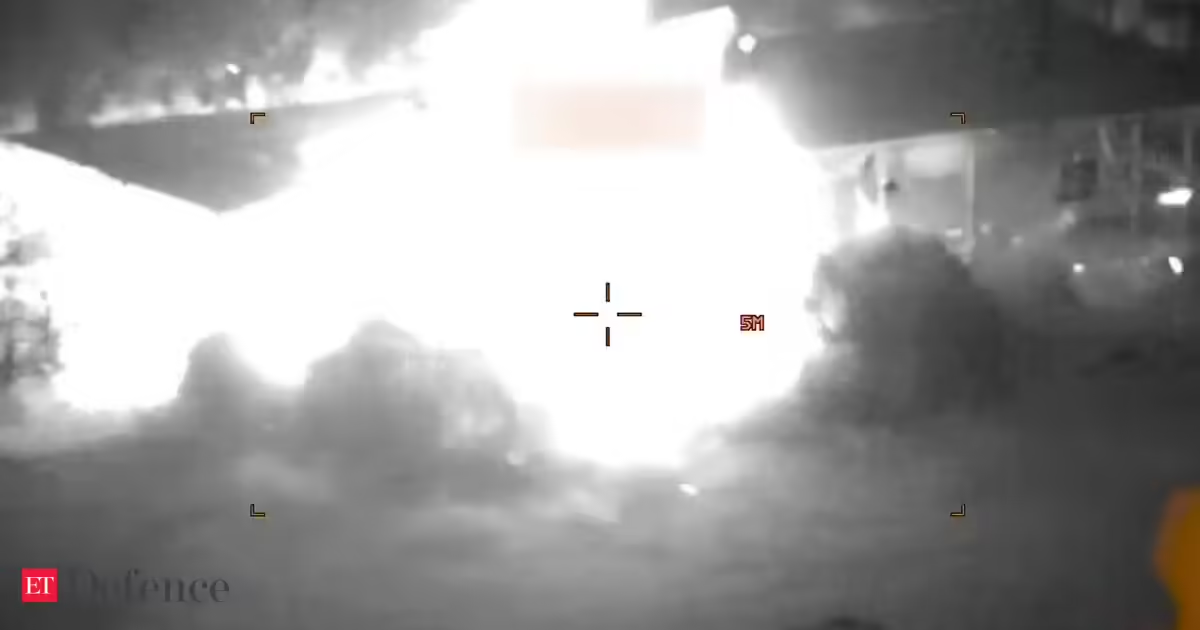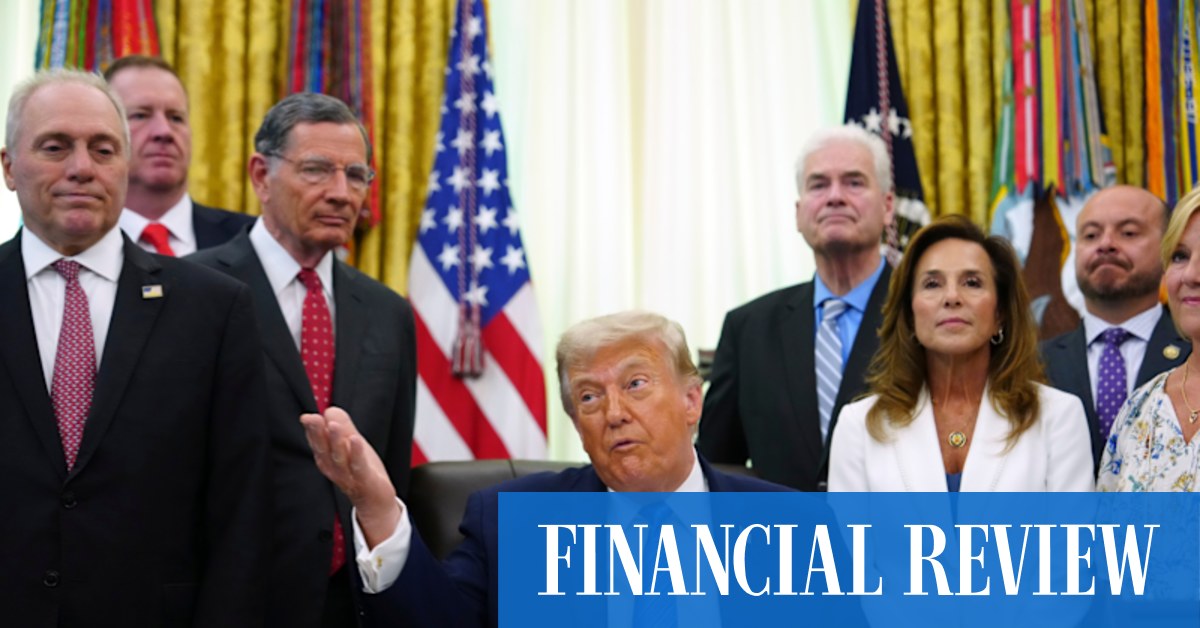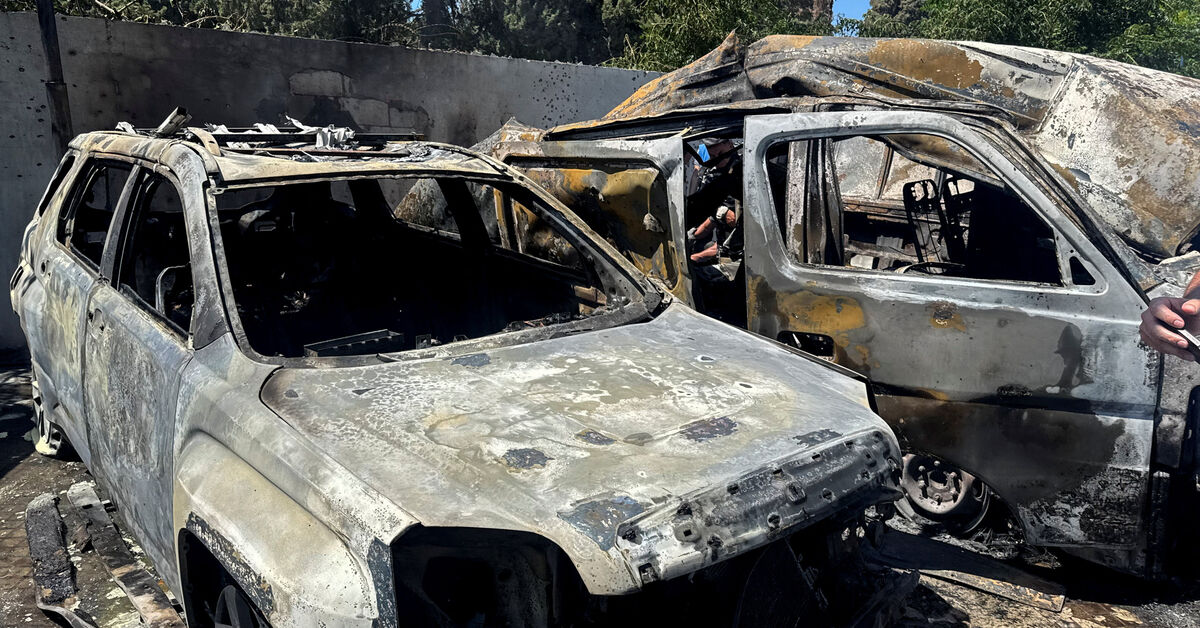
By Ahmed Tolba, Enas Alashray and Bo EricksonDUBAI/WASHINGTON, June 11 (Reuters) - The United States and Iran traded air attacks on Thursday for a second straight day, with President Donald Trump vowing further strikes if Tehran does not immediately agree to a peace deal.The escalation in hostilities began earlier this week with the downing of a U.S. Apache helicopter near the Strait of Hormuz, which sparked a series of tit-for-tat attacks across Iran and on U.S. bases around the region.It was the most serious threat to a fragile ceasefire agreed in April, dampening hopes for a swift end to the war that started in late February with massive U.S.-Israeli joint air strikes on Iran.The U.S. military said its latest attacks targeted "military surveillance capabilities, communication systems, and air defense sites across Iran" in response to what it called Tehran's "unwarranted and continued aggression."Trump told Fox News reporter Trey Yingst on Wednesday evening the U.S. strikes would stop shortly but that he would resume heavy bombing if Iran's leaders did not sign an agreement with the United States immediately, Yingst wrote on X.Oil prices rose nearly $3 following Trump's threat of escalation, and extended gains in early Asian trade on Thursday.The military's Central Command announced the strikes were complete about four hours after they began, soon after midnight in Tehran.Iran's Islamic Revolutionary Guard Corps (IRGC) said it had launched counter-attacks on 18 U.S. military targets at airbases in Kuwait and Bahrain, as well as the U.S. Navy's Fifth Fleet in Bahrain.Itlater said it had also targeted the al-Azraq air base in Jordanfor a second night running, firing 12 ballistic missiles at the U.S. base.Kuwait's air defences were engaging hostile aerial targets, the U.S. ally's army said, while Bahraini air defences intercepted and destroyed Iranian aerial attacks, a media adviser to Bahrain's king said on X.US DENIES IRAN CLAIM THAT STRAIT IS CLOSEDIran's top joint military command also warned it would fire on any vessel trying to pass through the Strait of Hormuz, which has been largely closed for months. Iranian media said two U.S. ships were fired on.U.S. Central Command denied that the strait was closed or any of its ships struck, saying commercial ships were still transiting the strait despite Iran's threats.Iranian news agencies reported explosions in several cities across the country of 93 million, including Sirik, Kargan, Bandar Abbas, Minab, and Karaj near the strait, as well as Varamin far to the north, closer to the Caspian Sea.U.S. Defense Secretary Pete Hegseth presented the move as an effort to force Iran into a deal to end the conflict.The strikes would "advance our military interests and also enhance our diplomatic position," he told reporters during a visit to Central Command in Florida. "We will strike them hard tonight, and hopefully Iran makes a good decision," he said. "If we need to negotiate with bombs, we'll negotiate with bombs."The United States and Iran have traded fire several times since the tentative ceasefire took hold, even as negotiators have unsuccessfully sought to end the war, now in its fourth month.Trump has repeatedly said a deal is close, though there has been no sign of a breakthrough, while also threatening to resume bombing.Early on Wednesday, the U.S. military targeted air defenses and radar sites around the Strait of Hormuz after Monday's downing of a U.S. attack helicopter near the strategic waterway.Iran responded with missile and drone attacks on U.S. basesin Jordan, Kuwait and Bahrain. A U.S. official said there was no significant damage.Iran accused the U.S. of striking reservoirs that supplied drinking water to 10 villages and violating international law."This is not collateral damage - it is a calculated war crime and a flagrant violation of human rights," said foreign ministry spokesperson Esmaeil Baghei.The Pentagon did not immediately respond to a request for comment.The war has killed thousands and disrupted roughly a fifth of global supply of crude oil and liquefied natural gas, sending prices sharply higher.Iran has blocked traffic through the Strait of Hormuz, while the U.S. has maintained its own blockade on Iranian ports.The conflict has become a political headache for the White House, with polls showing Trump's approval ratings sinking amid voter anger over high gasoline prices.Some Republicans have openly worried that the war's unpopularity could cost them control of Congress in November's midterm elections.FIGHTING IN LEBANON CONTINUESFighting continued in a parallel war in Lebanon between Israel and Iran-backed Hezbollah militants.Israeli airstrikes in southern Lebanon killed at least 13 people on Wednesday, Lebanese security sources said, while Hezbollah claimed fresh attacks against Israeli forces.The Israeli military said two "launches" were identified falling adjacent to an area where Israeli troops are operating in southern Lebanon, after sirens sounded in several areas of northern Israel early on Thursday.Tehran's demands include an end to Israel's attacks in Lebanon, the lifting of sanctions on Iran, the release of billions of dollars in frozen assets, andrecognitionof its control of the strait.Trump says Iran must end its restrictions on shipping through Hormuz. He also says any peace deal must ensure Iran cannot develop a nuclear weapon.Iran denies any such ambition. (Reporting by Reuters bureaus; Writing by Lincoln Feast; Editing by Clarence Fernandez)
US and Iran trade attacks for a second day, undermining shaky ceasefire
By Ahmed Tolba, Enas Alashray and Bo EricksonDUBAI/WASHINGTON, June 11 (Reuters) - The United States and Iran traded air attacks on Thursday for a second straight day, with President Donald Trump vowing further strikes if Tehran does not immediately agree to a peace deal.The escalation in hostilities began earlier this week with the downing of a U.S. Apache helicopter near the Strait of Hormuz, which sparked a series of tit-for-tat attacks across Iran and on U.S. bases around the region.
856 words~4 min read