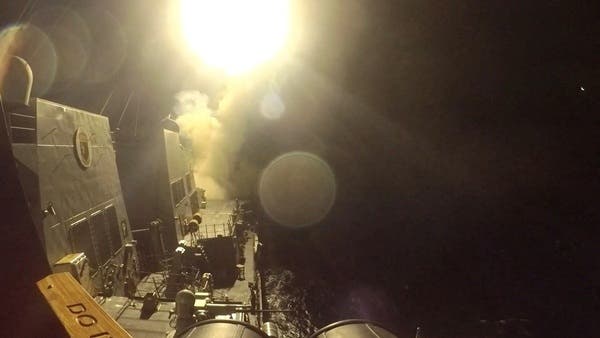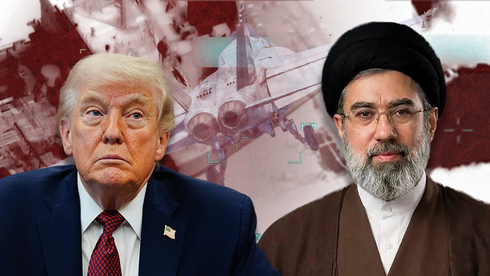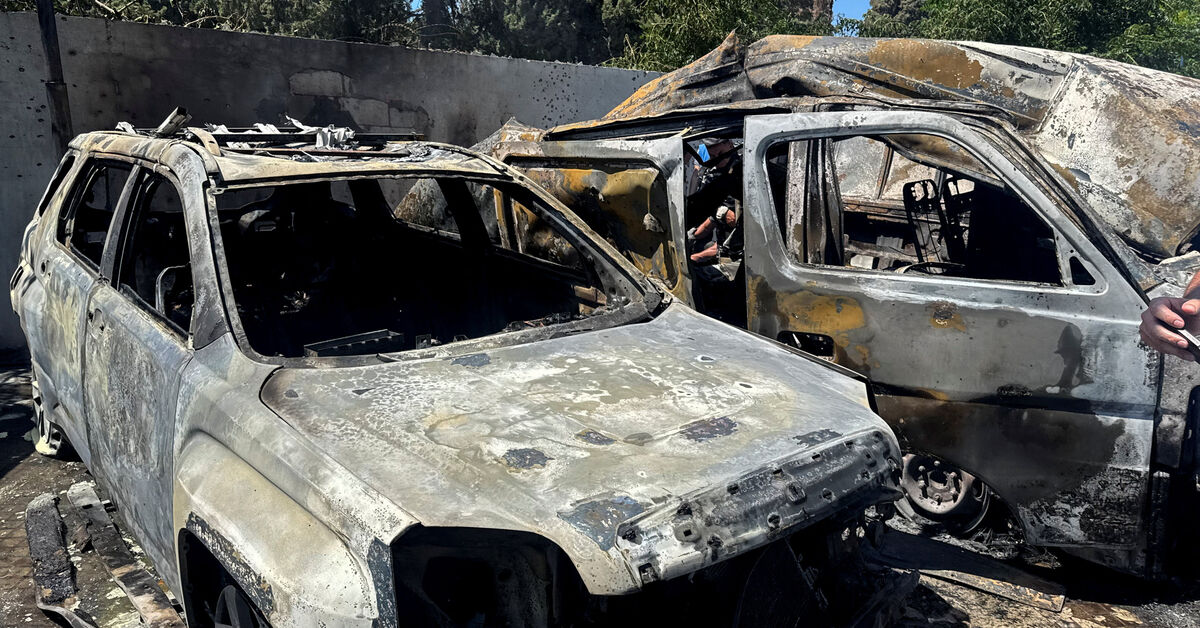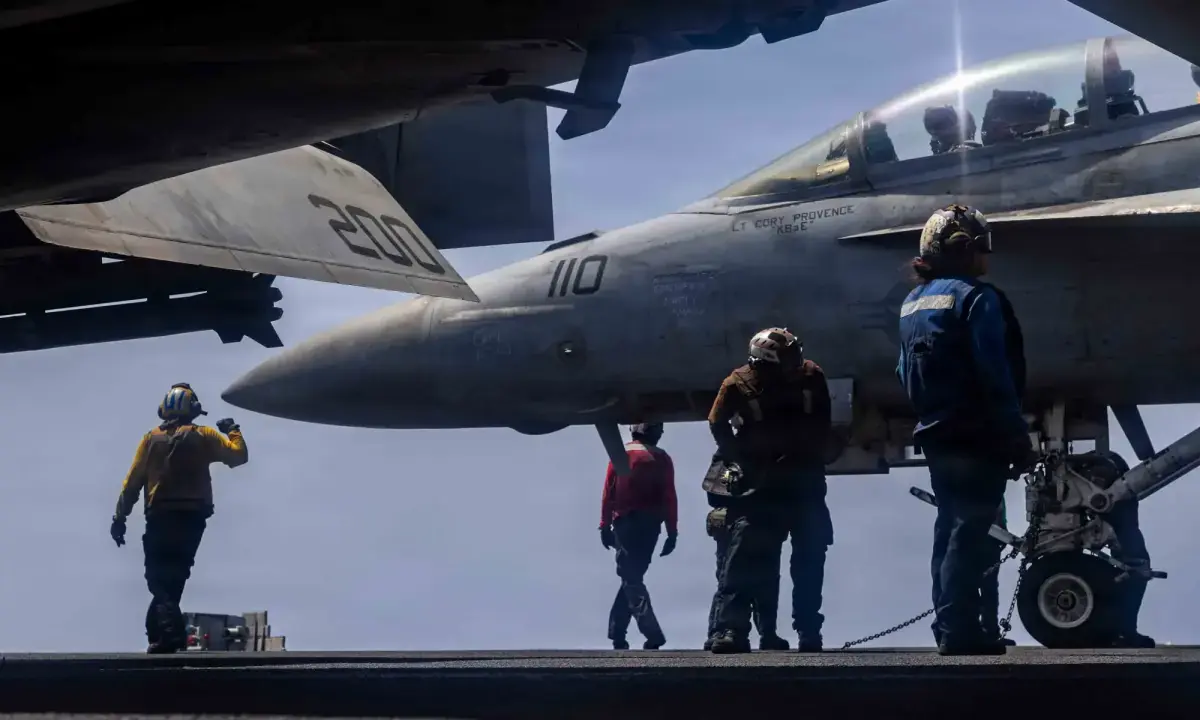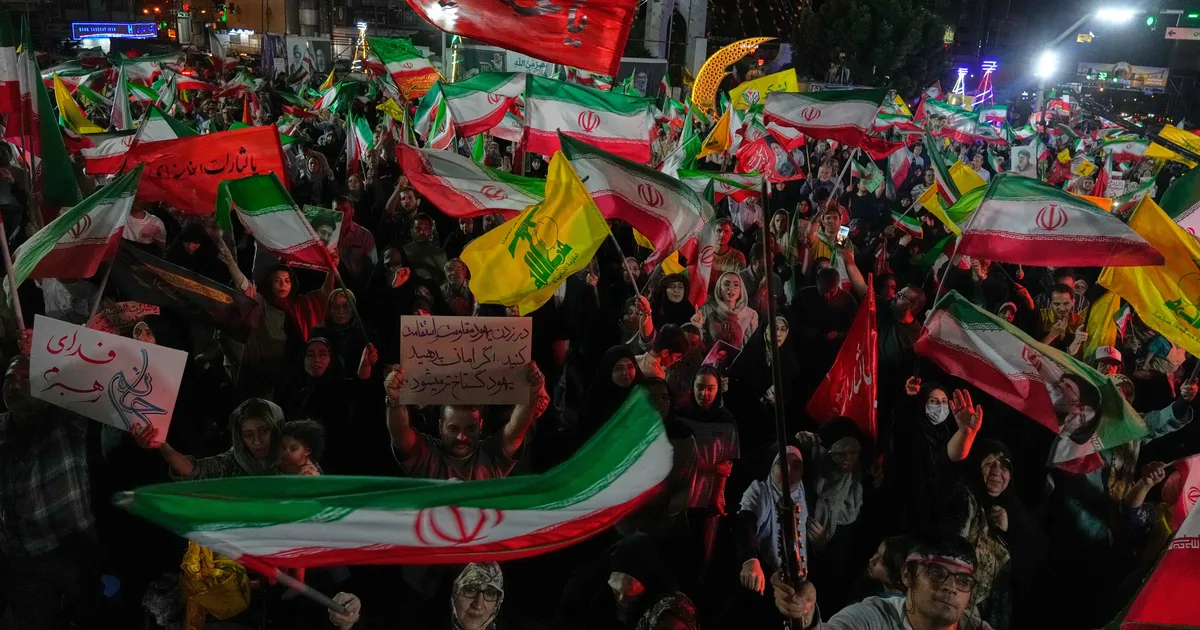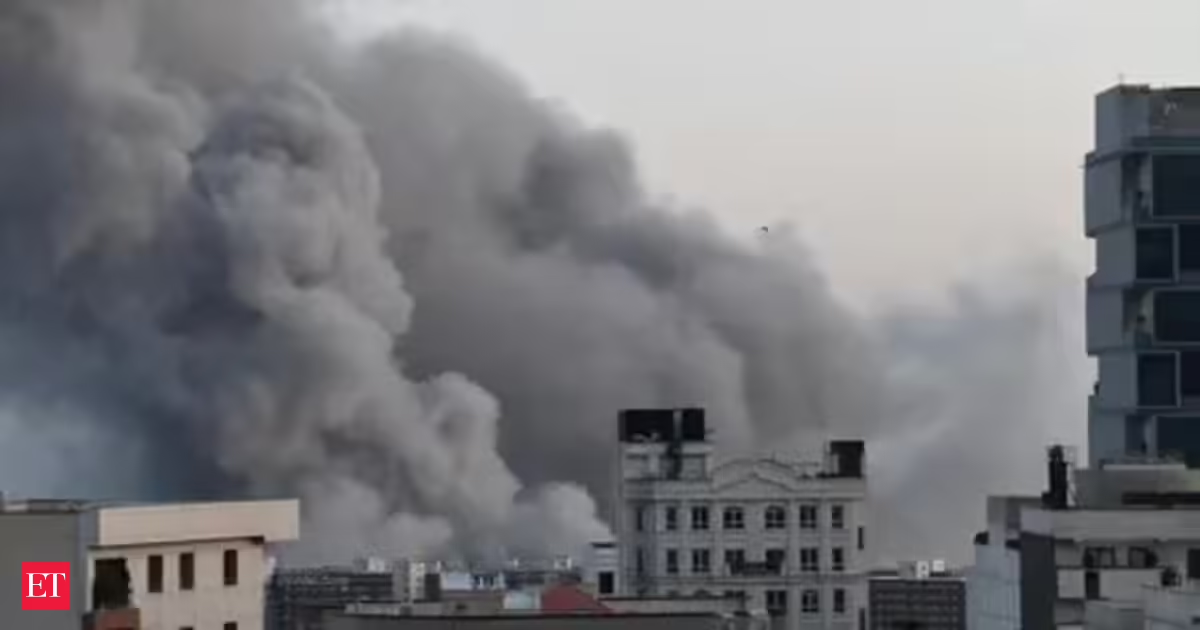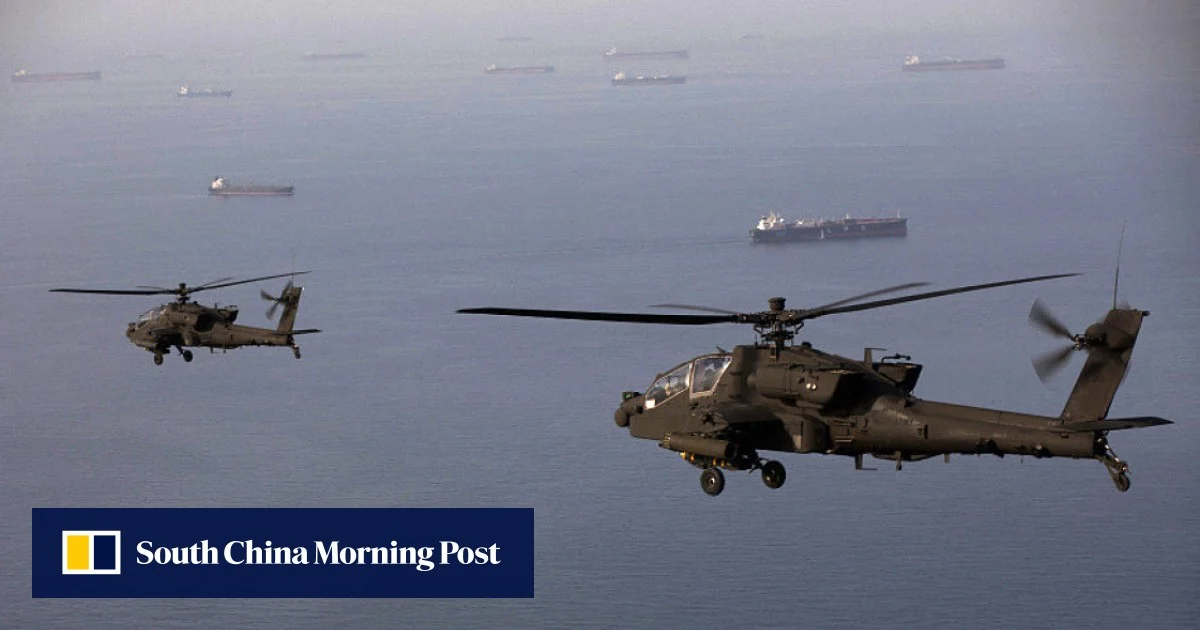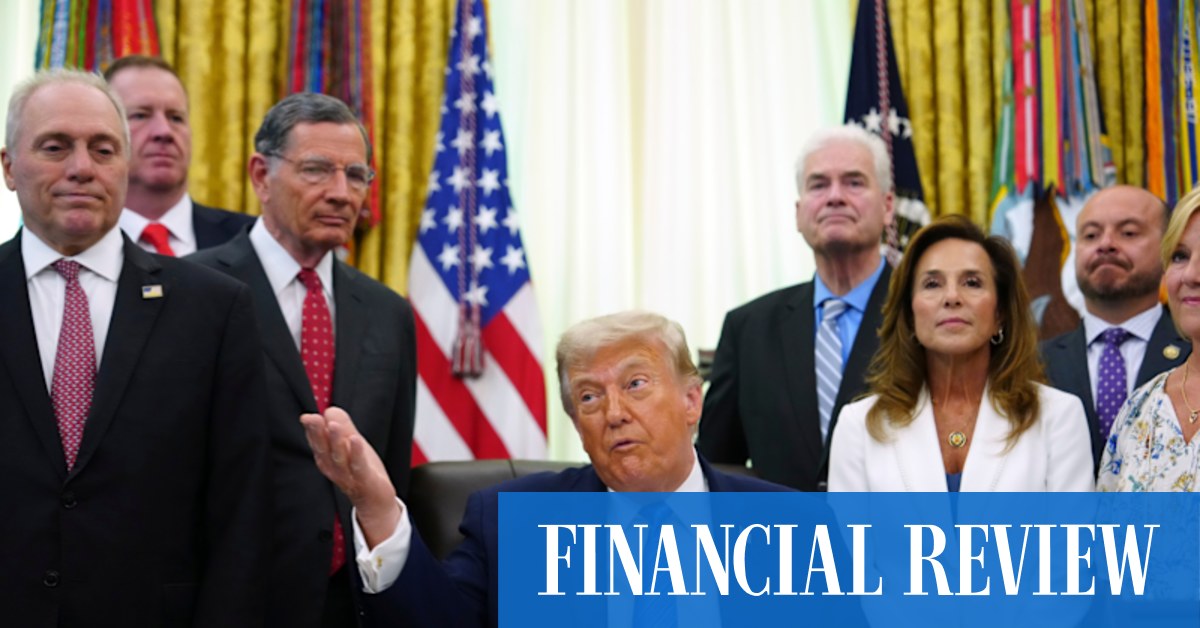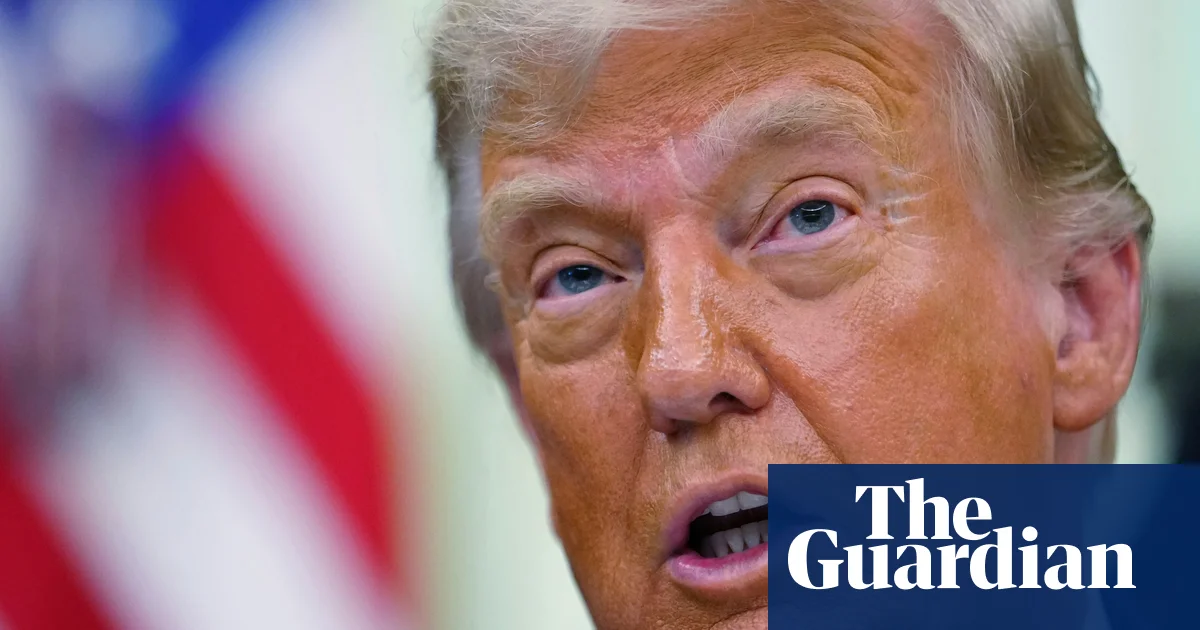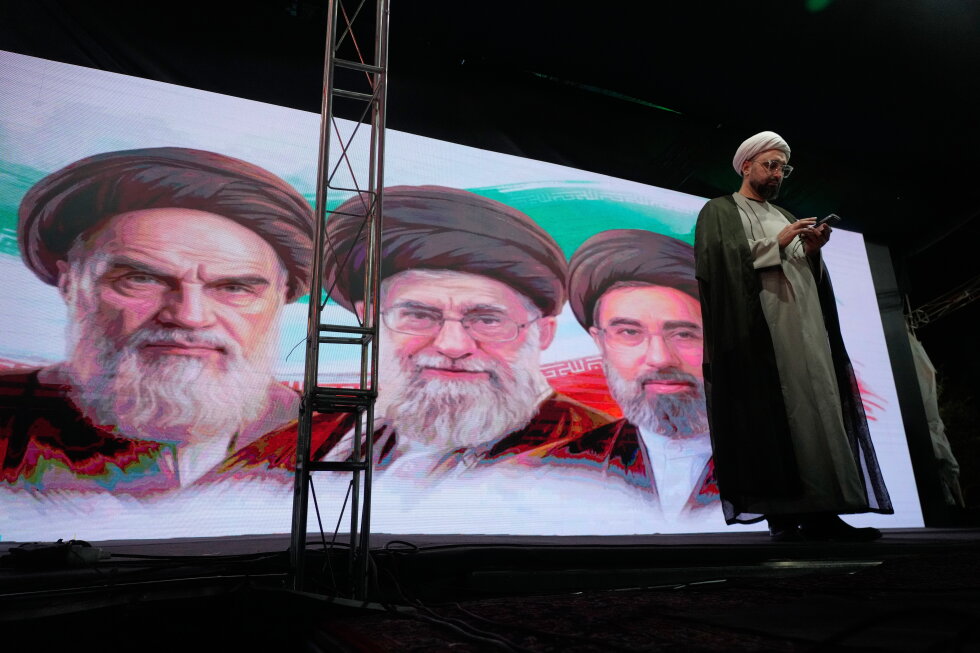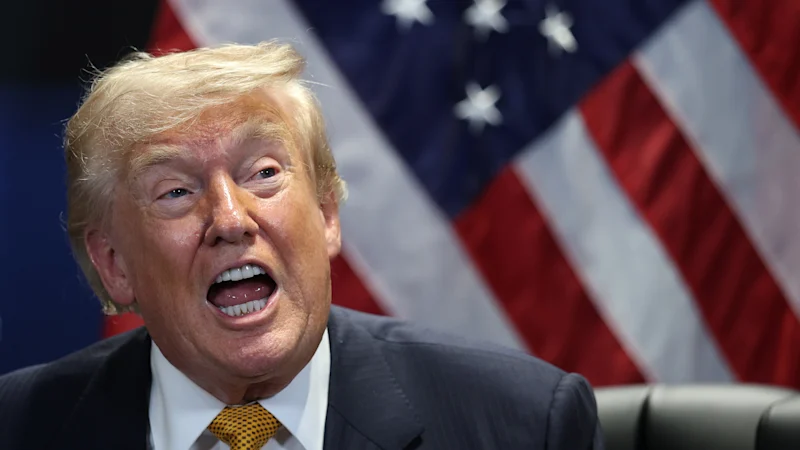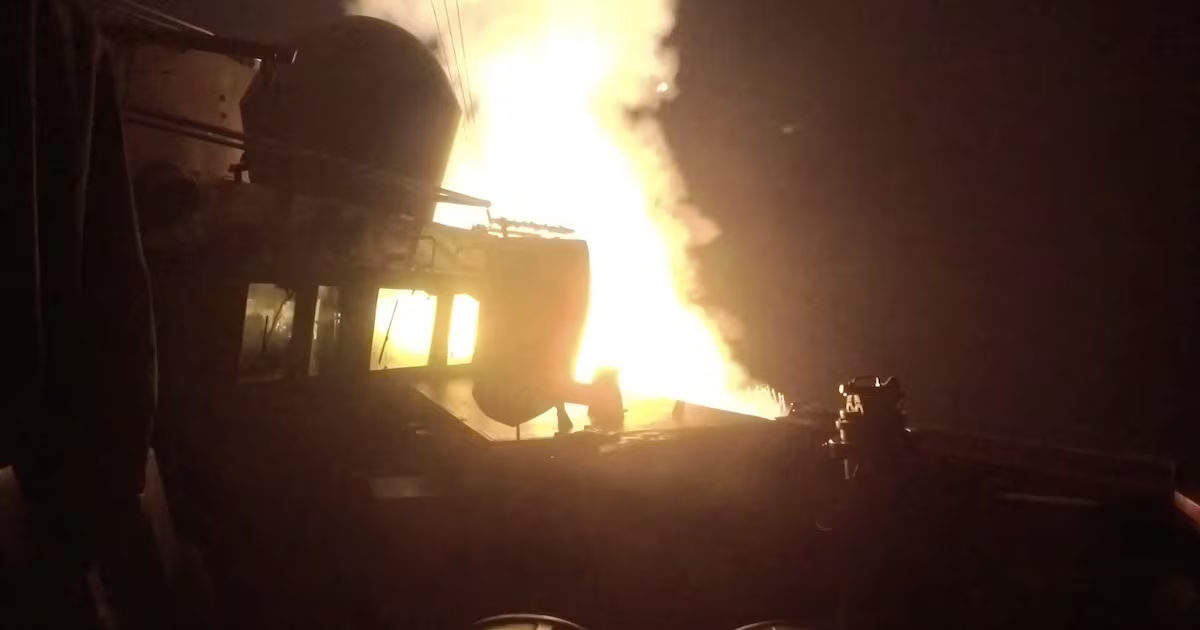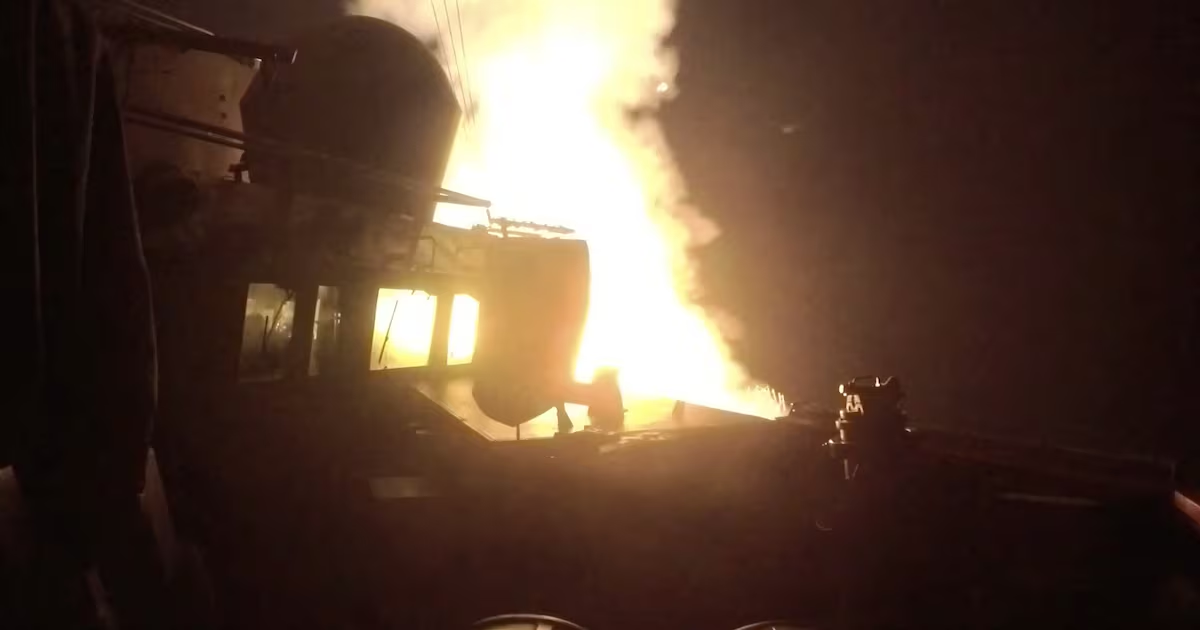
The US has attacked Iran for a second consecutive night, striking targets across the country as Tehran fired back at American bases in the region, pushing a fragile two-month ceasefire to the brink of collapse.US President Donald Trump, angered by stalled talks and blaming Tehran for a US Apache helicopter shot down over the Strait of Hormuz, threatened further strikes unless Iran signed a deal immediately, telling Fox News he would “bomb the [expletive] out of them.” He added Iran had “taken too long” on a deal and would “have to pay the price”.The US military's Central Command said it began its latest round of “self-defence” strikes at 1.15am Gulf time on Thursday, announcing about four hours later that the operation was complete.“Centcom forces launched strikes on Iranian military surveillance capabilities, communication systems and air defence sites across Iran,” it said. Marine Corps, Air Force and Navy assets fired precision munitions at targets that “posed a threat to US forces and international commercial ships transiting regional waters”, it added.As with Tuesday night's attacks, the strikes were reportedly concentrated around the Strait of Hormuz.A senior US official told Axios that all the targets were in southern Iran, including air defence systems, radars and drone command-and-control units. Iranian state media reported attacks by “enemy projectiles” on the southern coast bordering the strait, near the towns of Minab and Sirik, while explosions were heard on nearby Qeshm Island. Both Sirik and Qeshm were hit in the first round of US strikes two days earlier.The pattern suggests Washington is trying to do more than coerce Tehran back to the table. By degrading the air defences, radars and naval drone sites that underpin Iran's ability to threaten shipping – while Mr Trump openly acknowledged for the first time that the US has been escorting vessels through the strait for the past month – the administration appears intent on eroding Iran's control over the waterway and reopening it by military means, reassuring shipping companies and energy markets in the process.Toll on shippingIran's retaliation was swift.Security alerts sounded across the Gulf as the US embassy in Amman urged Americans to shelter in place, and Bahrain later issued an all-clear after warnings of an attack. The Islamic Revolutionary Guard Corps said it fired 12 ballistic missiles at Jordan's Muwaffaq Salti Air Base, where US fighter jets are stationed, and claimed strikes on 18 American military targets in Kuwait and Bahrain, as well as a base in Erbil, Iraqi Kurdistan. These claims were not independently confirmed, and Kuwait temporarily closed its airspace.Play00:57Trump says Iran will get hit again todayThe exchanges are the most serious test yet of the ceasefire agreed on April 8, which paused a war that began on February 28 with Israeli and American strikes that killed Iran's supreme leader, Ayatollah Ali Khamenei. Early diplomacy largely led by Pakistan has stalled, and Iran's Foreign Ministry said on Wednesday it would “need to reassess” the diplomatic path.Iran's military command announced the “complete closure” of the strait, through which about a fifth of the world's oil passes, threatening to fire on any vessel attempting to transit. Iranian media reported that two ships were fired on. Centcom denied the waterway was closed, saying commercial ships were continuing to sail.The fighting has also taken a toll on shipping. Three Indian sailors were missing after a US strike on the oil tanker MT Settebello in the Gulf of Oman, the second tanker hit in two days as part of the American blockade of Iranian ports, imposed in mid-April in response to Tehran shutting the waterway. India said 21 of the 24 crew had been rescued, and the head of the International Maritime Organisation, Arsenio Dominguez, called the attack “simply unacceptable”.For all the firepower, both sides have kept their attacks limited and measured – aimed less at winning on the battlefield than at strengthening their hand in the back-channel talks both acknowledge are continuing. But with a ceasefire now reduced to little more than a name, the risk is that one miscalculation tips the exchanges into the full-scale war each says it wants to avoid.
US strikes Iran for second night as Tehran hits back at American bases | The National
Bahrain, Jordan and Kuwait attacked, leading to interceptions and regional air alerts
682 words~3 min read