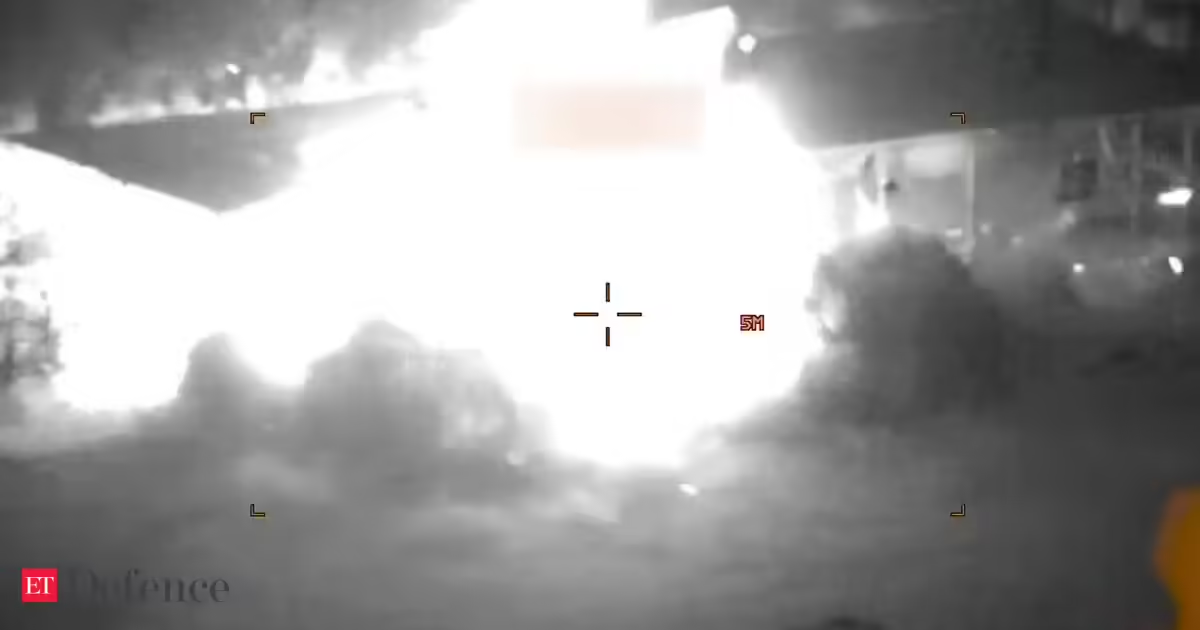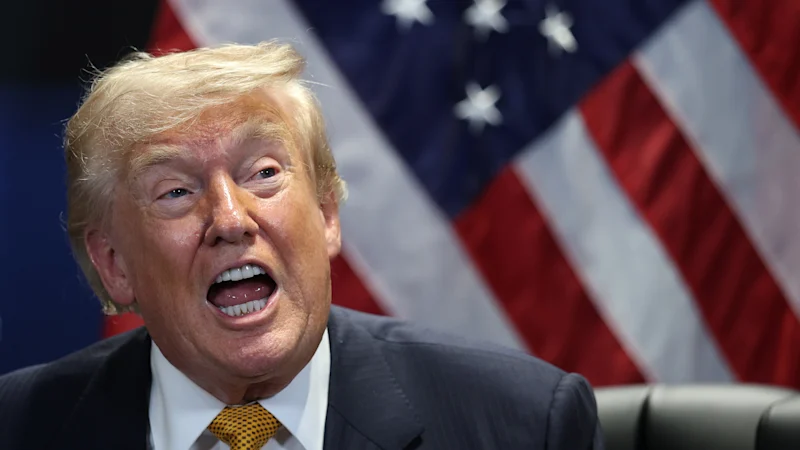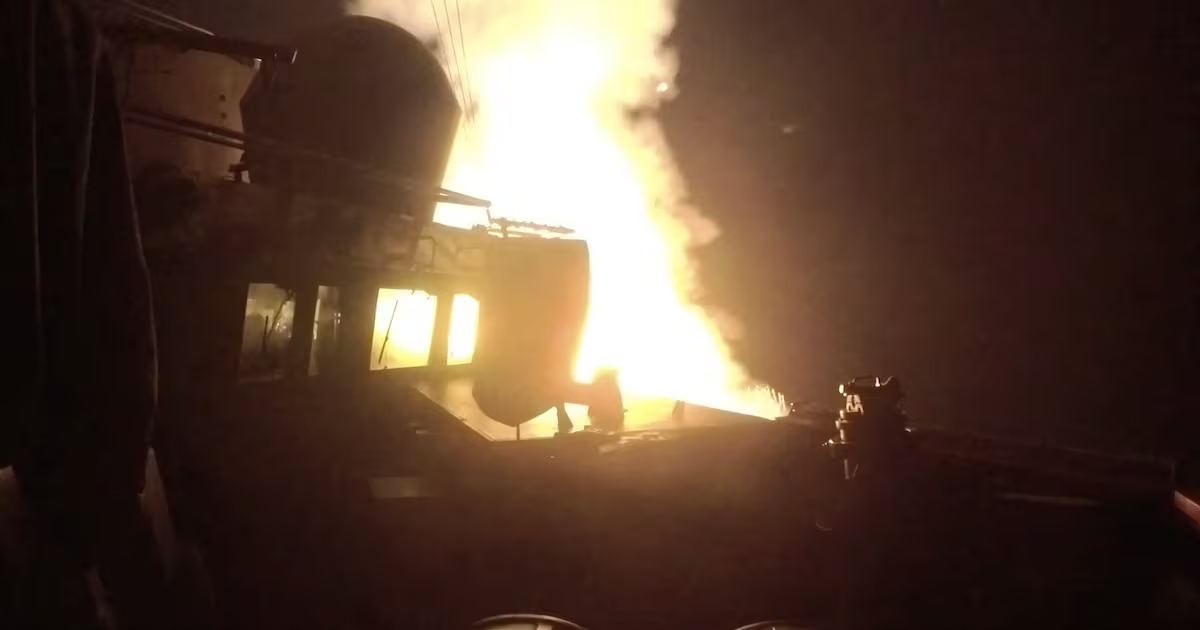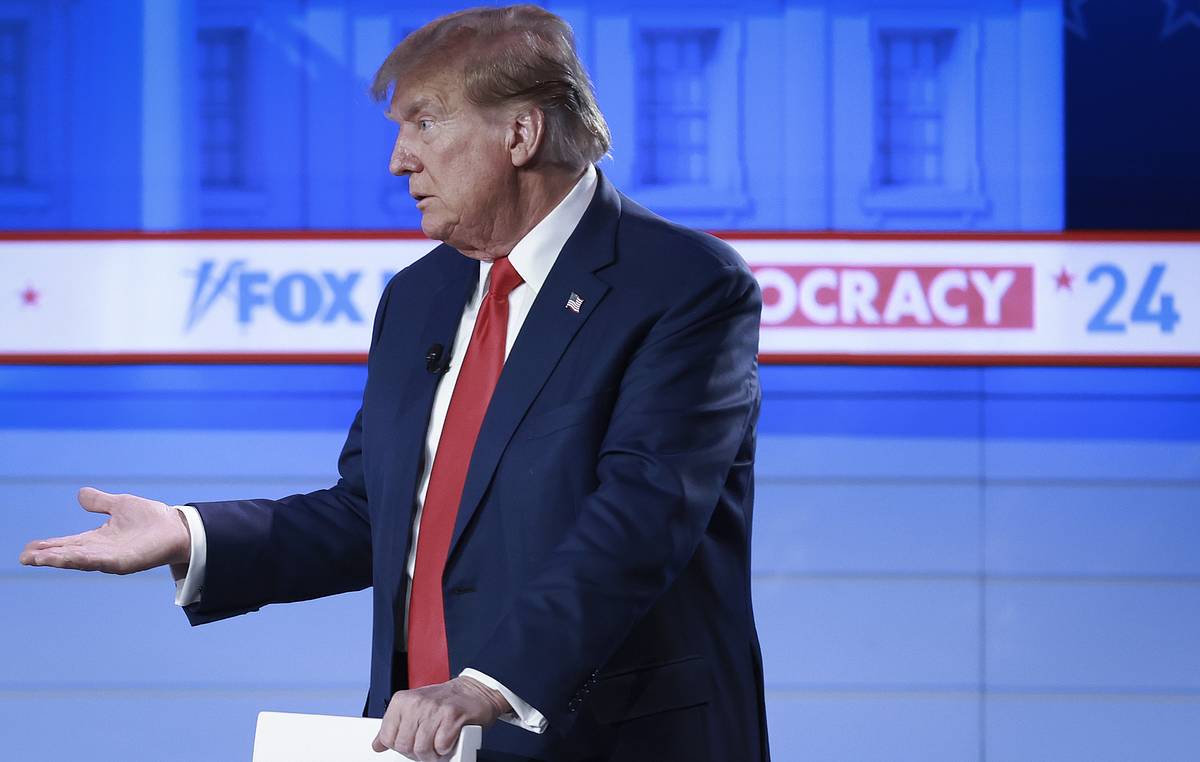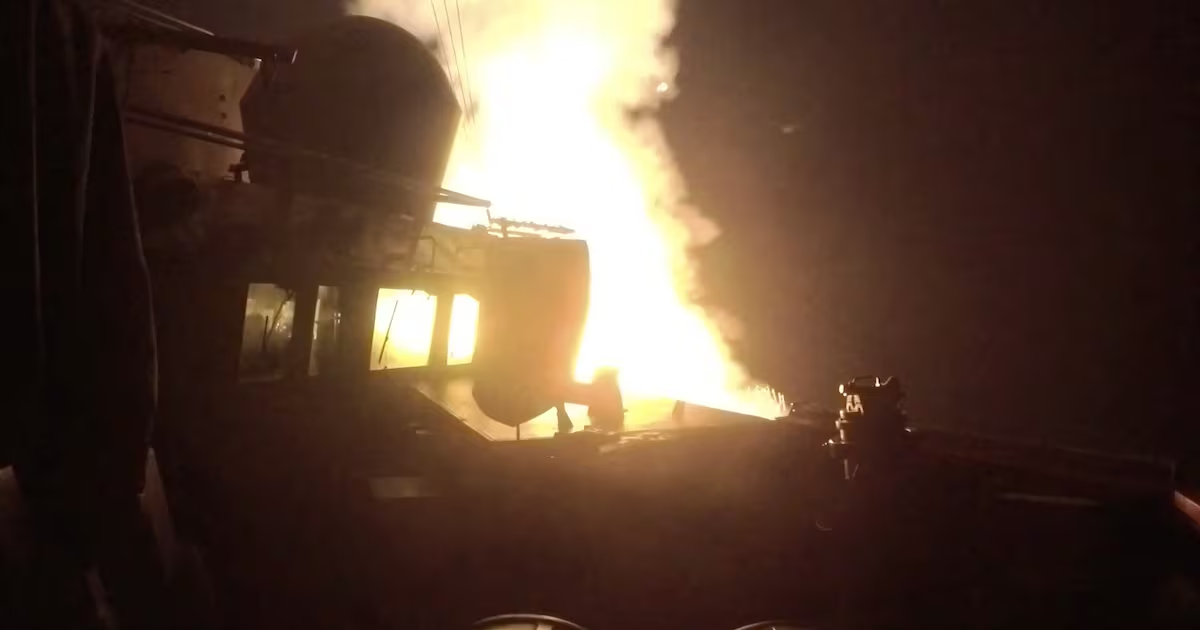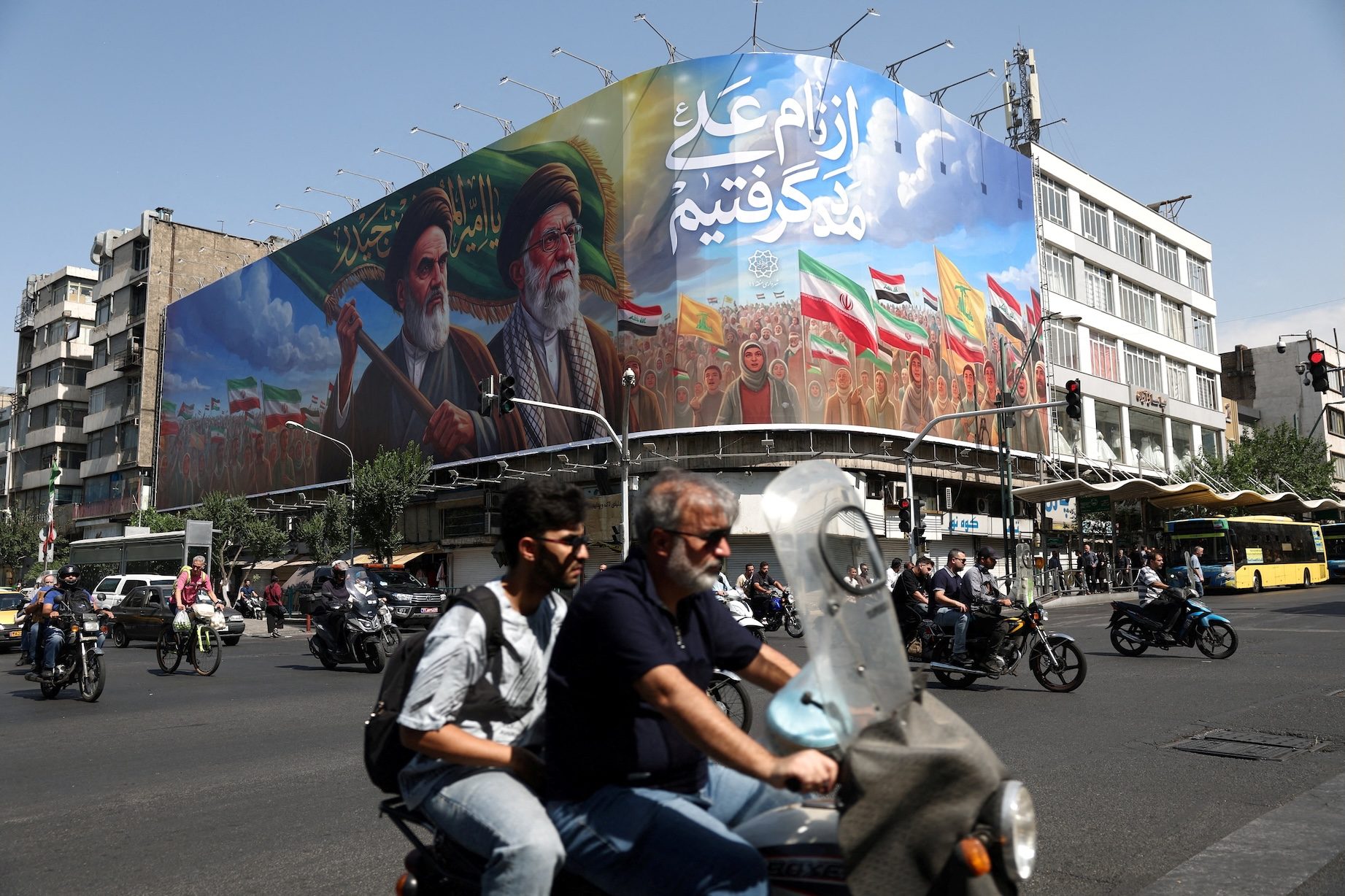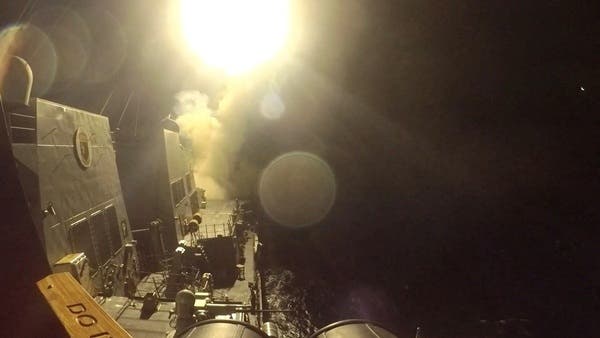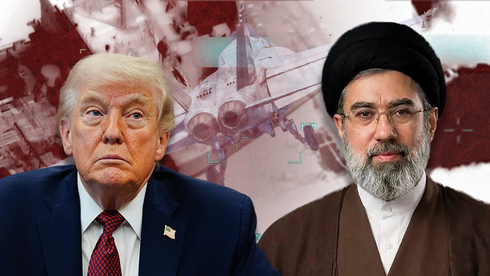
U.S. launched 49 Tomahawk missiles at targets in Iran alongside strikes carried out by U.S. fighter jets (CENTCOM)U.S. President Donald Trump, who had warned earlier that strikes would resume due to insufficient progress in negotiations, said that top Iranian officials asked him to halt the latest attack, according to a Fox News correspondent. But Trump warned strikes could resume tomorrow if a deal isn’t reached. He also said Israel is not involved in the current wave of strikes, and added that the U.S. launched 49 Tomahawk missiles at targets in Iran alongside strikes carried out by U.S. fighter jets.Iran denied contacting Trump, and a senior official told state media that his “false claim” about communication with Iranian officials was intended as “cover to avoid war with Iran.” At the same time, Iran’s military warned that its armed forces would deliver a “crushing and decisive response to any American aggression in the region.”Iran’s Revolutionary Guards later announced they had attacked U.S. bases in Kuwait and Bahrain in response to U.S. strikes. According to the statement, published by Iranian news agency IRNA, two waves of attacks hit 18 key U.S. targets at Ali Al-Salem and Ahmed Al-Jaber bases in Kuwait, and the Sheikh Isa Air Base in Bahrain. Iranian state media also reported an attack on the headquarters of the U.S. Fifth Fleet in Bahrain.5 View gallery US President Donald Trump, Iranian Supreme Leader Mojtaba Khamenei (Photo: AP Photo/Julia Demaree Nikhinson, CENTCOM, US Navy/Handout via REUTERS)According to Iranian reports, explosions were heard in several locations including Kish and Qeshm islands, the Bandar Abbas area near the airport and air base, the Sirik port and the city of Minab. Air defense systems were also activated in Asaluyeh in the south. IRNA reported that explosions in Qeshm and Hengam were caused by shell or missile impacts. In contrast, Tasnim claimed there were no explosions on Kish and Qeshm and that the sounds were related to clashes in the Gulf. Reports said two residents were injured by shrapnel in Kargan in Hormozgan province in southern Iran.According to a report by Axios, Trump held a meeting in the White House Situation Room before the strikes to discuss further action against Iran. One option under consideration was a large-scale but limited-duration operation aimed at pressuring Iran to change its position in negotiations. Those attending the meeting included Vice President JD Vance, Secretary of State Marco Rubio, CIA Director John Ratcliffe, Chairman of the Joint Chiefs of Staff Dan Caine, envoy Steve Witkoff and other senior officials.Following the meeting, Defense Secretary Pete Hegseth said: "We will be busy tonight because President Trump said we will be hitting Iran hard." He added that the ultimate goal was to secure an agreement rather than resume the war.5 View gallery Pete Hegseth: 'We will be busy tonight because President Trump said we will be hitting Iran hard' (Photo: LOU BENOIST / AFP)"So, as President Trump said, they’ve been tap, tap, tapping, you can see when someone’s trying to tap, tap, tap on a deal. Instead they’re going to have tap, tap, tap bombs dropping on key facilities in Iran from the United States of America," Hegseth said.Meanwhile, Israel is closely monitoring the exchange of blows between the United States and Iran. Although the country remains on alert and is preparing for the possibility that Iran could fire missiles at Israel in response to the American strikes, Israeli security officials assess that Tehran is unlikely to do so, in order to avoid giving Israel justification to attack Iran directly.An Israeli security source said Wednesday evening: "Trump is raising the stakes. I assume that if no agreement is signed soon, he will return to war. For now, he is increasing pressure on the Iranians in the hope that Mojtaba Khamenei will give a positive response to his proposal. But from what it looks like, the Iranians are stalling, Trump is losing patience and becoming frustrated. In any case, we are prepared for a resumption of hostilities."5 View gallery Chief of the General Staff Eyal Zamir. 'I assume that if no agreement is signed soon, he will return to war' (Photo: IDF Spokesperson)The level of threats from Iran has also continued to rise.Iranian parliament National Security Committee chairman Ebrahim Azizi wrote on X on Wednesday evening: "We are not afraid to fight losers. The number of American casualties is much higher than Trump admits and will only increase. This time the war will not be limited to the region."At the same time, Iran's ambassador to the United Nations, Amir-Saeid Iravani, said that "an agreement cannot be reached through threats, intimidation or the use of force.""Iran has never negotiated under threats and will never submit to pressure or coercion," he said.According to Israeli assessments, Iran is unlikely to sign an agreement with the United States and will continue to string along the Trump administration. Jerusalem's preferred option remains a resumption of the war and the execution of strikes in the Islamic Republic that Trump previously halted.5 View gallery Strait of Hormuz (Photo: REUTERS/Stringer)U.S. officials believe another round of strikes could shock Iran into accepting a deal. Israeli officials, however, believe Tehran interprets such efforts as a sign of weakness and assumes Trump does not want to return to full-scale fighting. They also argue that even if Iran accepts the current draft agreement, it would only amount to a temporary arrangement granting another 60 days of ceasefire rather than a lasting resolution.Additional details have emerged about the tense U.S.-Iran negotiations being mediated by Pakistan.According to information obtained by the French newspaper Le Figaro, one of the main obstacles to an agreement is Iran's handling of the negotiations and, in particular, the difficulty of communicating directly with Iran's new supreme leader, Mojtaba Khamenei.The report said that when Pakistan Army chief Asim Munir visited Iran for two days on May 22, he held a tense meeting with Revolutionary Guards commander Ahmad Vahidi. According to a source cited by Le Figaro, it had been agreed beforehand that Munir would be able to meet Mojtaba Khamenei to finalize details of the emerging agreement between Washington and Tehran.5 View gallery Pakistani army chief Asim Munir (Photo: Inter Services Public Relations via AP)However, when Munir asked Vahidi when he could meet Khamenei, he was told the meeting was impossible because the supreme leader was still recovering from injuries. According to the report, the conversation became heated, and the Pakistani army chief reminded his counterpart that he had avoided being targeted by the United States or Israel only because of Islamabad's efforts.Regarding the recent series of military incidents between the United States and Iran, including the downing of an Apache helicopter in the Strait of Hormuz, security analysts told The Wall Street Journal that the developments may indicate a shift in Iran's defense doctrine. Under the apparent change, the Revolutionary Guards are granting field commanders greater operational freedom, allowing them to make decisions independently without approval from headquarters in Tehran.According to a separate Wall Street Journal analysis, a group of hardline figures within Iran's leadership is pushing for more aggressive responses, although they also hope to avoid being drawn into another full-scale military confrontation.As Hamidreza Azizi, a visiting fellow at the German Institute for International and Security Affairs, put it: "It is a very fragile situation. This equilibrium is not stable because of the risk of miscalculation and unwanted escalation. The pattern on the Iranian side has been to keep the escalation below a certain threshold, and that threshold has been killing American soldiers and personnel during the ceasefire."
Trump: US will keep striking Iran if no deal is reached after second night of attacks
Explosions were reported across Iran as the US launched a new wave of strikes, its second consecutive night of attacks; The operation followed warnings from President Donald Trump, who is seeking to pressure Tehran into accepting a deal
1,256 words~6 min read