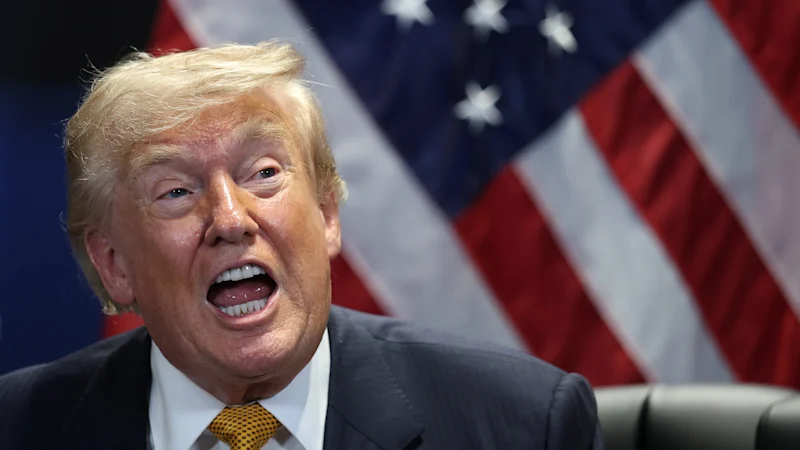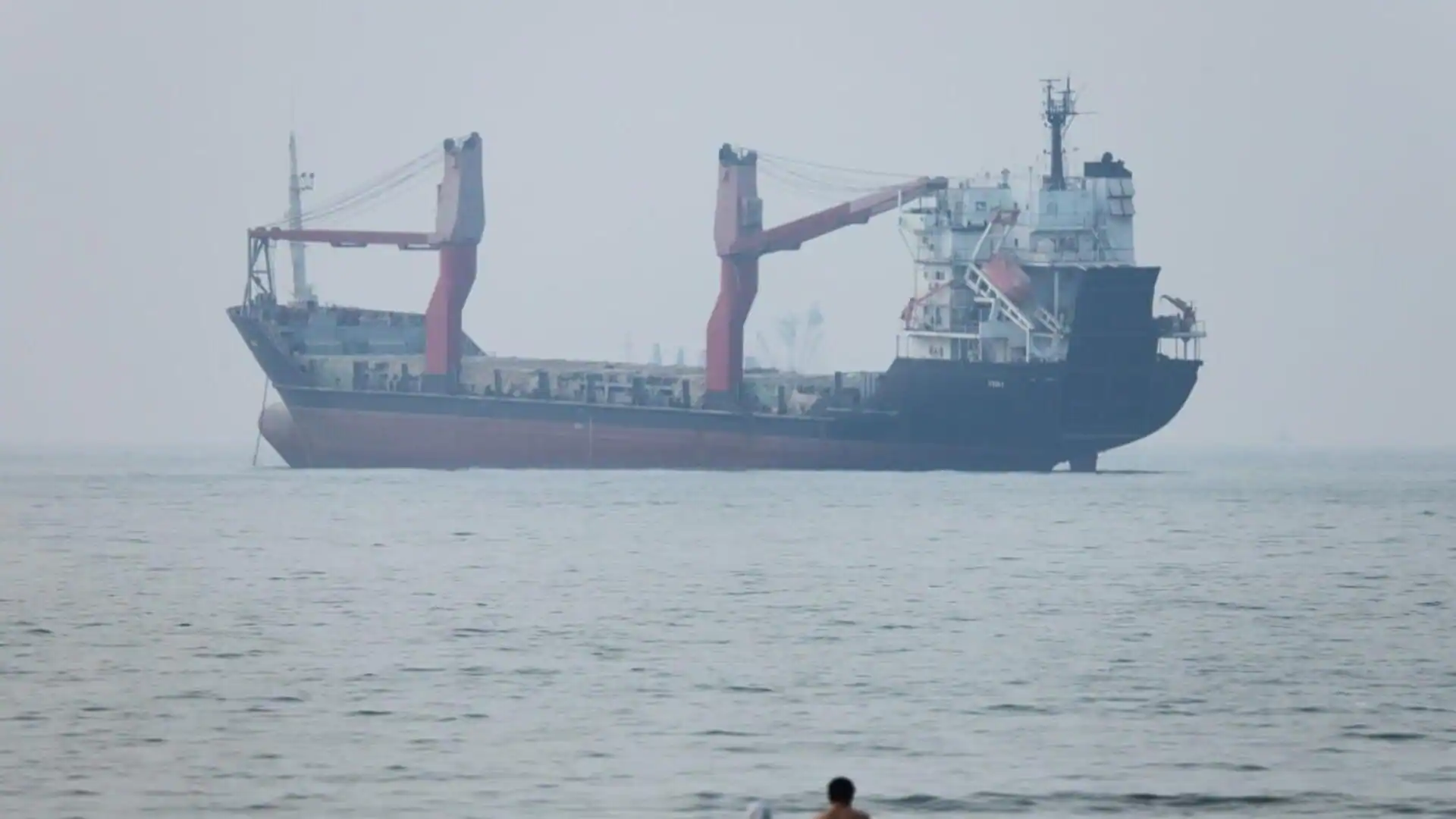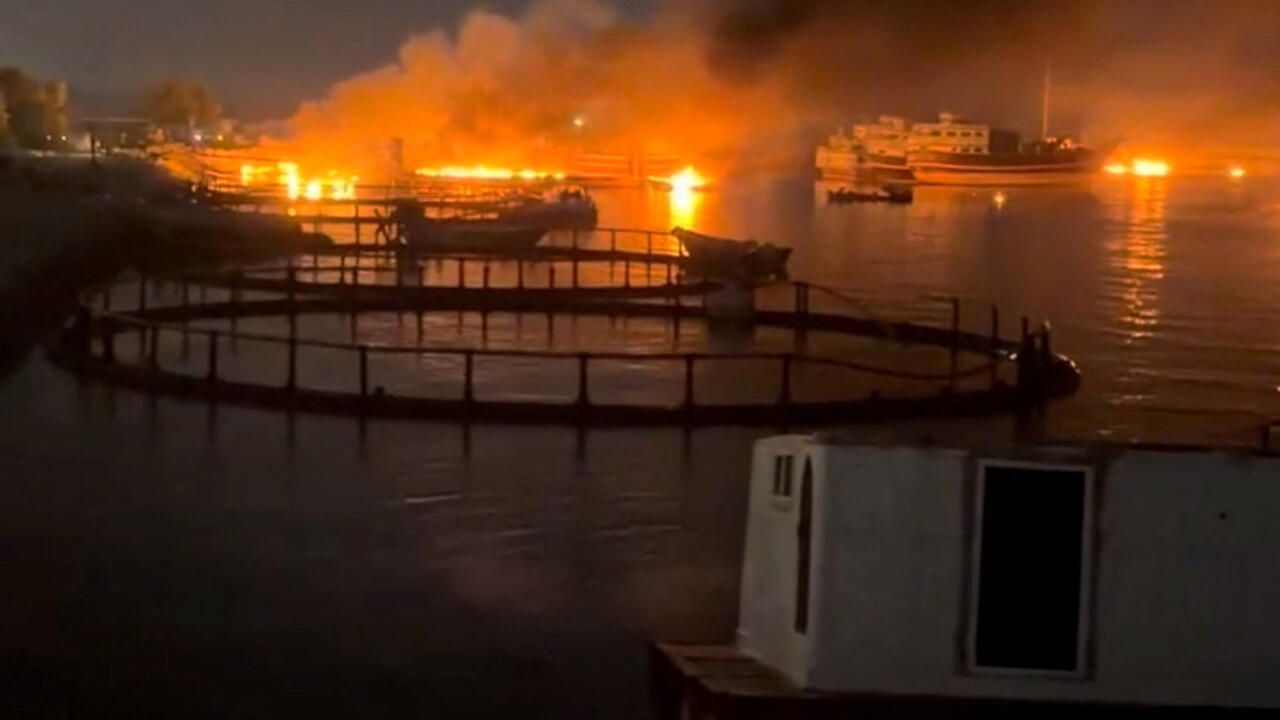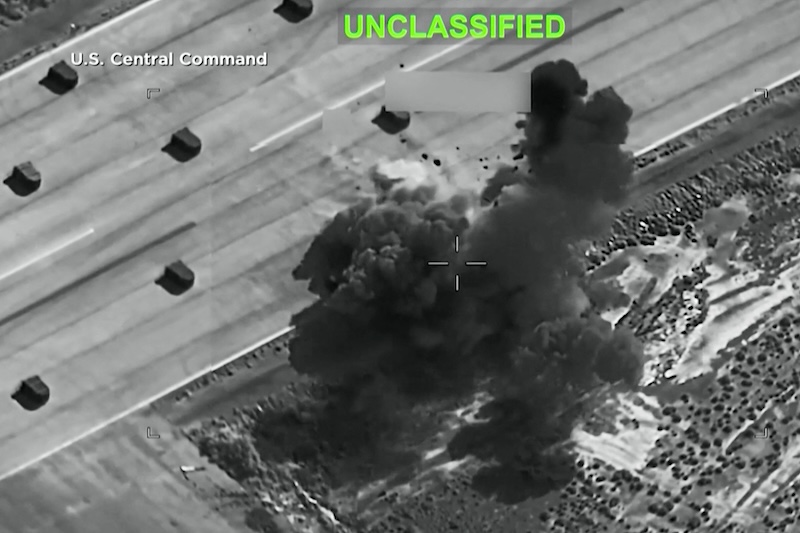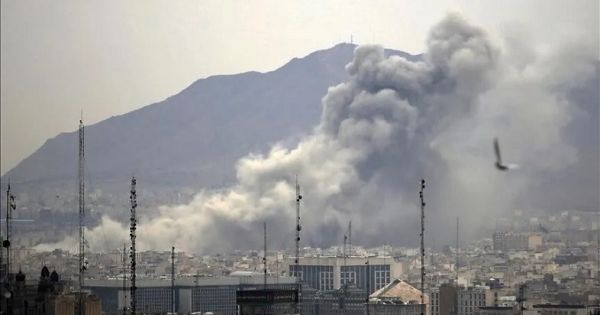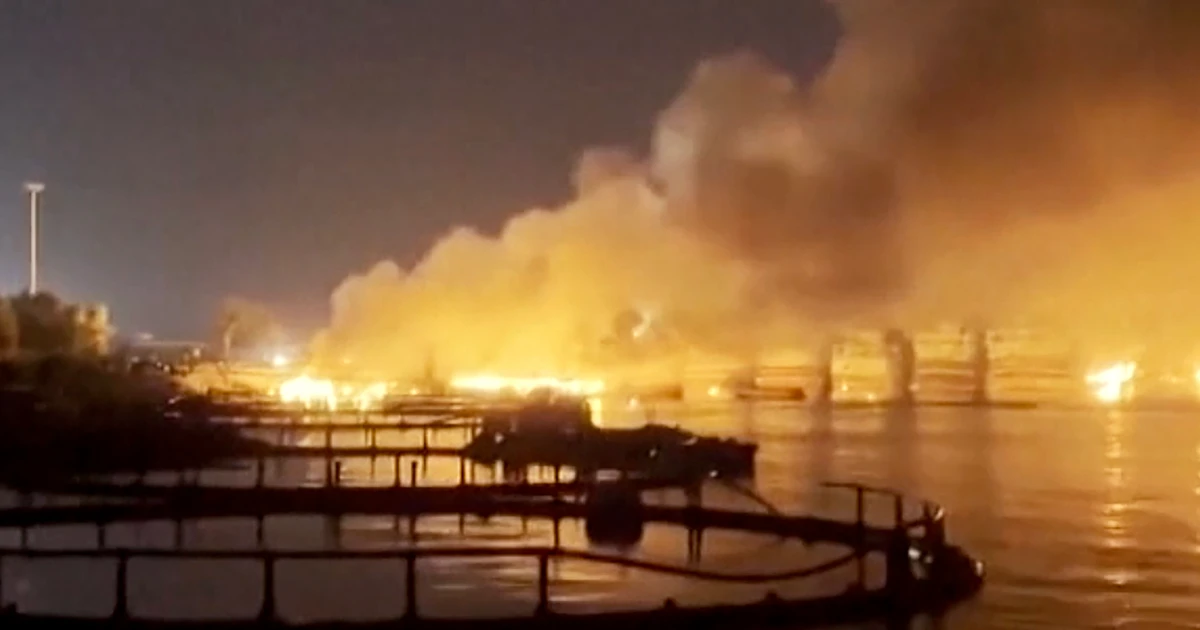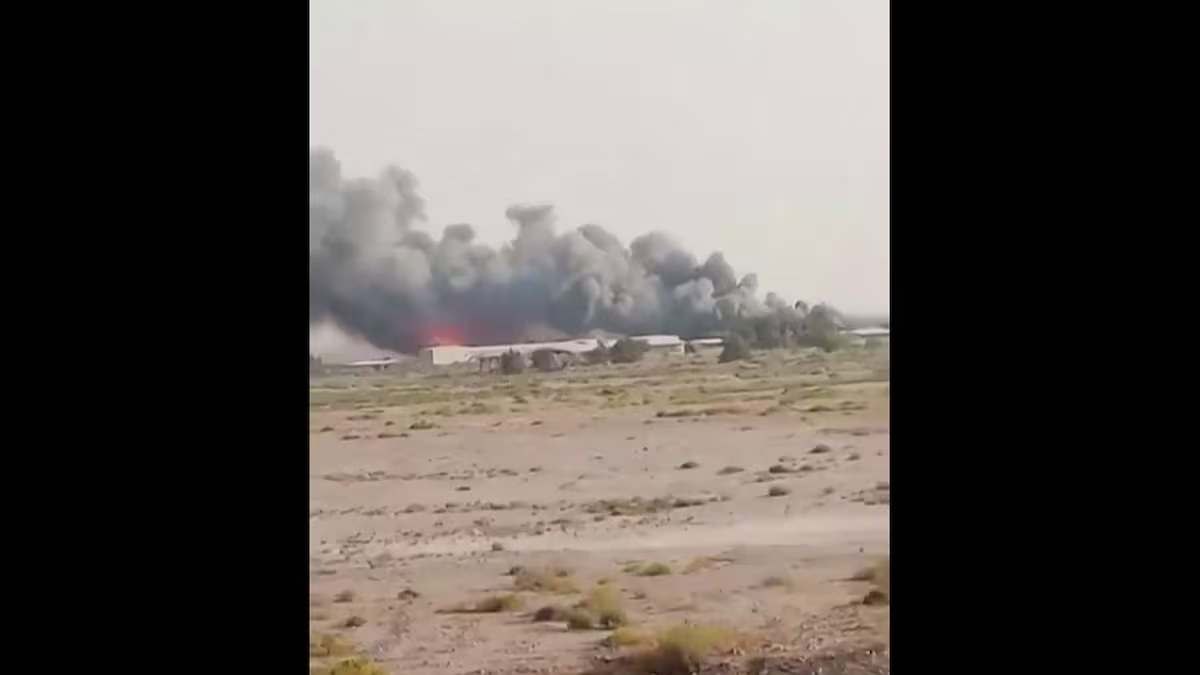
The United States military has conducted another wave of strikes on Iran, a day after it launched a round of attacks, threatening a return to full-fledged war.The escalation on Wednesday – the most severe since both sides signed a memorandum of understanding in mid-June that ended the fighting – saw the US launch attacks on the eastern Iranian cities of Iranshahr, Bandar Abbas, Konarak, Chabahar, and Bushehr, as well as Aq Qala in northeastern Iran.Recommended Stories list of 3 itemslist 1 of 3Trump says US ‘may take over Kharg Island’: Here’s what you need to knowlist 2 of 3Five key takeaways from the NATO summit in Ankaralist 3 of 3US summer travel slumps under rising fares and fuel expensesend of listOne firefighter was killed in an attack on the Iranshahr airport, state news agency IRNA reported.The US military’s Central Command (CENTCOM) said early on Thursday that it had completed “an additional round of strikes against Iran … to further degrade Iran’s ability to attack commercial shipping and innocent civilian mariners in the Strait of Hormuz”.CENTCOM said that 90 Iranian military targets had been hit ” including air defense systems, coastal surveillance assets, missile and drone storage sites, naval capabilities, and military logistics infrastructure along Iran’s coastline”.Iranian officials had told the Fars news agency that attacks on Chabahar included strikes on a maritime control tower and a depot. Iranian state media also reported that a railway bridge had been targeted in Aq Qala.Hours after the US strikes, air raid sirens sounded in Bahrain, and Kuwait’s Ministry of Defence reported that the country’s air defences were confronting rocket and drone attacks.Iran’s Revolutionary Guards later said they attacked two US bases in Kuwait and two in Bahrain, adding that a future response could extend to other US bases in the region if the US continues its attacks.Ebrahim Rezaei, spokesman for the Iranian Parliament’s National Security Committee, had warned of a response after Wednesday’s US attacks.“Wait for the hard slap by Iranians,” he wrote on X.The US also conducted attacks on Iran on Tuesday, saying its strikes were conducted “in response to Iranian attacks on three commercial vessels that were transiting the Strait of Hormuz”.CENTCOM said it hit “over 80 targets with precision munitions” before concluding the strikes approximately four hours after they had begun.Eight service personnel from the country’s air force and navy were killed in Tuesday’s attacks, which struck the southern cities of Bandar Abbas and Bushehr, state news agency IRNA reported, citing a statement from the Iranian army.Both the US and Iran have accused the other of violating the MoU, which ended the war, lifted the US naval blockade on Iran, and opened the Strait of Hormuz. But it left more intractable issues, like the future of Iran’s nuclear programme and the administration of the Strait of Hormuz, to be determined over a 60-day negotiating period.The key point of contention appears to be over the fifth clause of the MoU, which says that Iran “will make arrangements using its best efforts for the safe passage of commercial vessels, with no charge for 60 days only, from the Persian Gulf to the Sea of Oman, and vice versa”.Iran has interpreted the provision to mean it had sole “responsibility in determining arrangements for the safe passage of ships through the Strait of Hormuz”, Foreign Ministry spokesman Esmaeil Baghaei said Wednesday. That position has been used to justify attacks on unapproved vessels transiting the strait.“The MoU required the US to lift its reciprocal blockade of Iran’s ports – which it did – [and it] required the US to waive sanctions for the Iranian sale of oil – which it did – and it required Iran to not interfere with civilian shipping in the Strait of Hormuz,” David Des Roches, former Pentagon NATO operations director, told Al Jazeera.When Iran attacked these ships, Tehran was trying to instil a new normal beyond the terms of the MoU, in which ships had to go through Iranian waters, and Iran would attack them if they did not, he explained.“That’s unacceptable to President Trump. So these strikes are a retaliation to that action,” said Des Roches.Following Wednesday’s strikes, Mohammad Bagher Ghalibaf, Iran’s parliament speaker, said the Strait of Hormuz “will only open with ‘Iranian arrangements’, not American threats”.“America still hasn’t learned that bullying and breaking promises are no longer cost-free. Let me put it plainly: if you strike, you’ll get hit,” Ghalibaf posted on social media.Al Jazeera’s Kimberly Halkett, reporting from Washington, DC, said the Trump administration has maintained that the MoU requires unfettered passage to all vessels.“Since the signing of the memorandum of understanding, opening that 60-day window to allow for broader negotiations, the US has insisted that any uptick in conflict and military clashes is the result of Iran exercising sovereignty over the Strait of Hormuz, which the White House insists is an international waterway and necessary for the global economy,” Halkett said.Speaking to reporters on board Air Force One, Trump did not rule out a return to full-scale war.“We just hit them very hard, and I say we hit them 20 to 1,” he said, adding that every time “they hit us, we’re going to hit them 20”.However, at a news conference earlier on Wednesday, he had said that he did not think the war would restart. “Anything that happens is going to be over very quickly,” he said.The latest strikes have drawn condemnation from Trump’s political opponents, including progressive US Senator Bernie Sanders, who said that a return to war would “cost more lives and waste more taxpayer dollars”.Democratic Senator Elizabeth Warren also condemned Trump’s actions, saying that his “war with Iran has cost American lives”.Speaking earlier on Wednesday, Trump said the exchange of attacks meant the ceasefire was “over”.“This is in retribution for yesterday’s bombing of ships by Iran,” Trump posted on social media. “If it happens again, it will get much worse!”Still, he said he did not want a return to full-fledged war and suggested that negotiations could still continue.Speaking from a NATO summit in Ankara, Trump also lodged a laundry list of threats against Iran.Beyond another round of strikes, Trump said the US could reinstate its naval blockade and target Iran’s electricity and water plants, attacks that international law experts say constitute war crimes.He also said that US forces “may take over” Iran’s Kharg Island, a prospect that would all but assuredly require boots on the ground.
US conducts new wave of strikes on Iran as ceasefire falters
Second night of strikes comes after Trump says ceasefire 'over', but suggests talks for lasting peace will continue.
1,065 words~5 min read