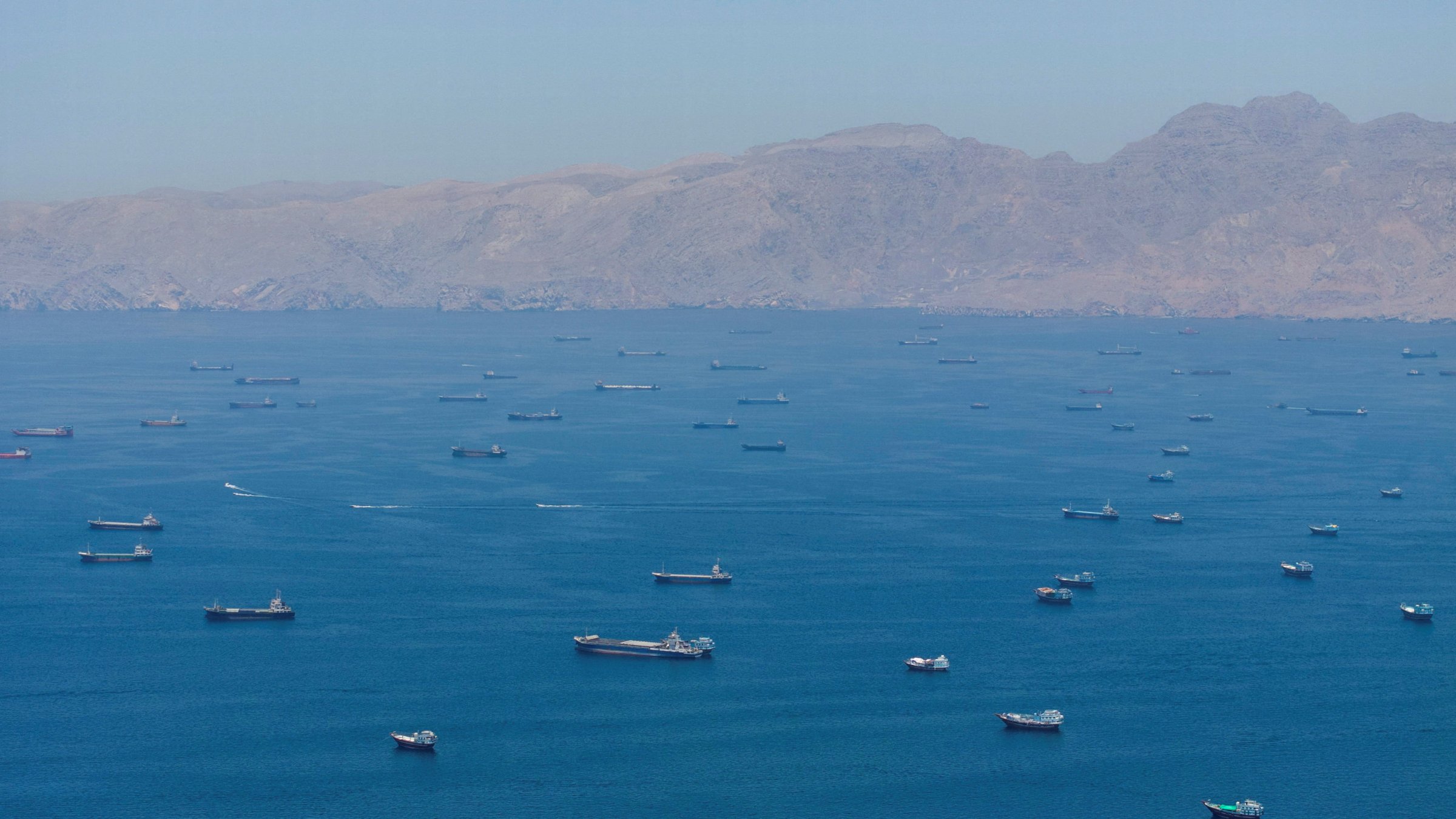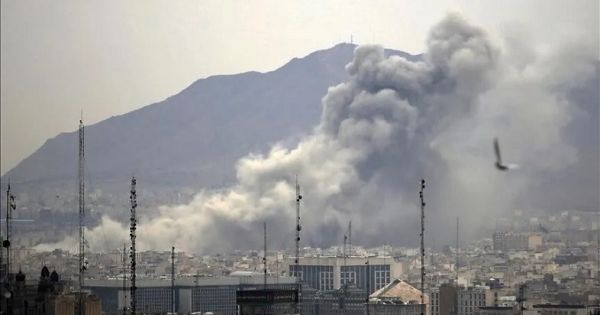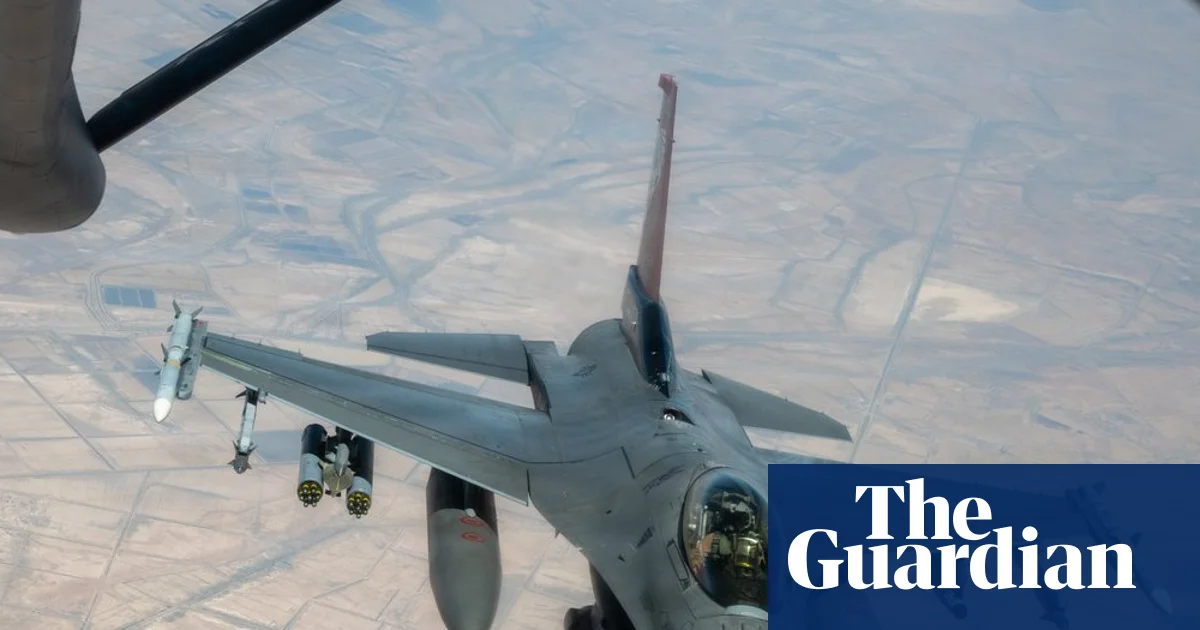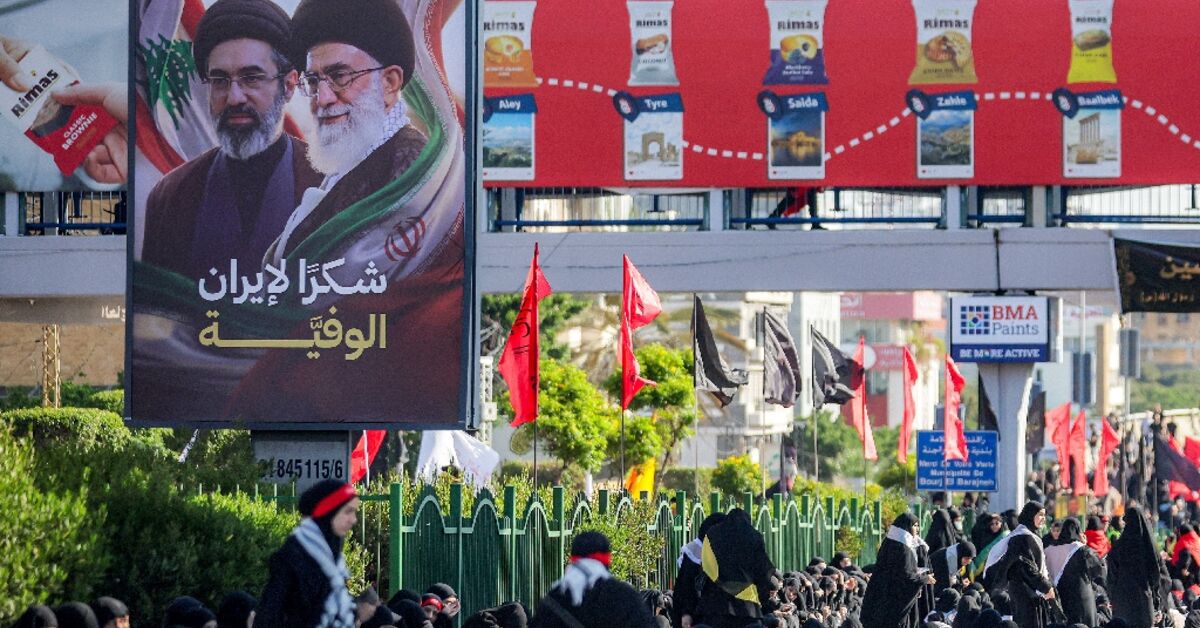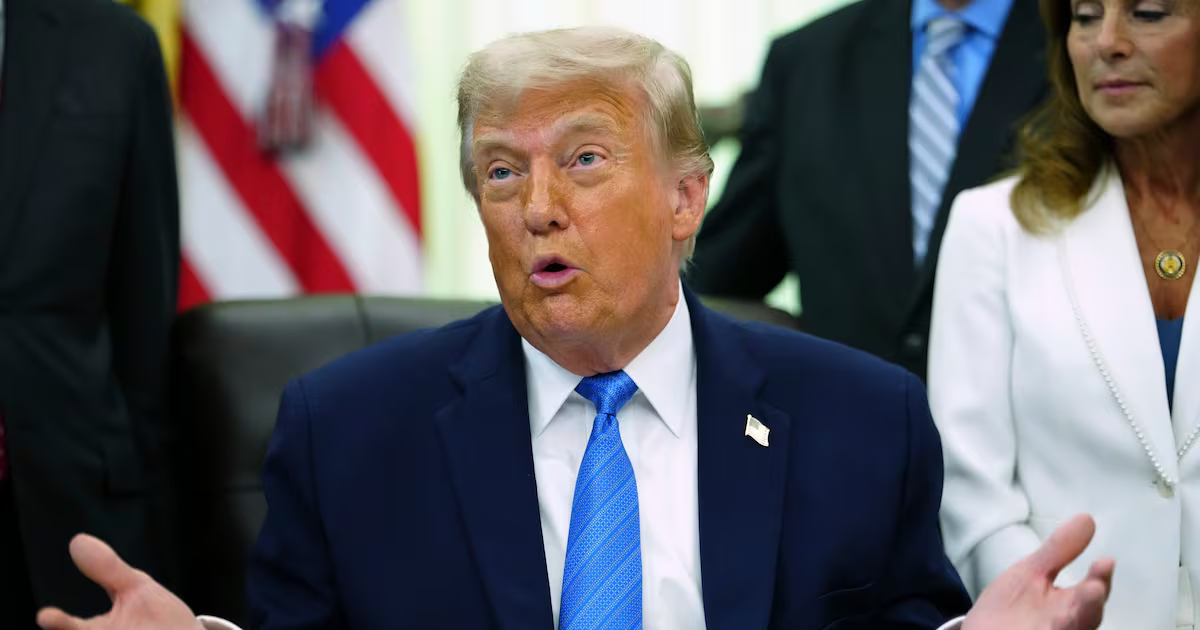
The US and Iran have exchanged a fresh round of strikes as Donald Trump aims to force Tehran into a deal that would extend a ceasefire, open the Strait of Hormuz and hold talks on its nuclear programme.US Central Command said its forces “began launching additional self-defence strikes” at 10.15pm on Wednesday night against multiple targets in Iran. Centcom later said it had completed the strikes and had “targeted Iranian military surveillance capabilities, communication systems, and air defense sites across Iran”.In response, Iran’s military command centre, Khatam al-Anbiya Central Headquarters, announced early on Thursday that the strait would be closed to all vessels “effective immediately”, and that “any vessels crossing the strait will be targeted”.Brent crude, the international oil benchmark, rose 1.7 per cent to $94.68 a barrel in Asian trade on Thursday as traders fretted over the potential for a return to wider conflict. [ Is Donald Trump the new Jimmy Carter?Opens in new window ]Iran also said it had launched a drone strike against the US Fifth Fleet in Bahrain, targeting communications and radar facilities of the Patriot system. Centcom disputed earlier Iranian media reports that a US warship had been struck.In a later statement, the Islamic Revolutionary Guard Corps said its aerospace and naval forces launched two waves of retaliatory strikes, “hitting and destroying 18 key US military targets in Ali Al Salem Airbase, Ahmad al-Jaber Air Base and Shaikh Isa Air Base” in Kuwait and Bahrain.Kuwait closed its airspace in response to “Iranian aggressions”, its Civil Aviation Authority said in a statement, adding that flights would be diverted to alternative airports.People take photos of the wreckage of an Iranian missile that landed near the West Bank city of Jericho. Photograph: Mahmoud Illean/AP Iranian state media also reported a “heavy” missile attack against Muwaffaq Salti air base in Jordan.The flare-up in hostilities marked an escalation after the US and Iran exchanged fire on Tuesday and the US president accused Tehran’s forces of downing an American helicopter.The latest clashes also represented the most serious threat to a fragile ceasefire agreed between the two countries in April.Trump has grown increasingly frustrated with Tehran’s unwillingness to meet his terms for an agreement to extend the April ceasefire by 60 days and ease the global energy crisis.On Tuesday, he said the US and Iran were in “the final throes” of a “very good deal” that could be signed “within two or three days” that would prevent Iran from developing a nuclear weapon and reopen the strait.Washington and Tehran sent mixed signals about the status of the strait on Wednesday, with the IRGC navy saying the waterway would “remain closed until further notice” and that “two vessels were struck” after they attempted to “illegally” cross.It warned all vessels in the Gulf and the Sea of Oman to remain at their anchorages, adding: “Any attempt to approach the Strait of Hormuz shall be regarded as collaboration with the enemy.”Centcom insisted “commercial ships are continuing to transit in and out of the Strait of Hormuz tonight”.Speaking earlier on Wednesday evening, US defence secretary Pete Hegseth said the attacks were intended to “enhance our military interests and also enhance our diplomatic position”.“If we need to negotiate with bombs, we’ll negotiate with bombs,” he added.Mediation efforts to broker a deal between the US and Iran have been led by Pakistan and Qatar in recent weeks. A Qatari delegation travelled to Tehran on Wednesday in an effort to break the stalemate. But mediators have struggled to bridge the gaps between the sides.Motorists ride past a giant banner depicting Iranian missiles. Photograph: Atta Kenare/AFP/Getty Images Trump earlier on Wednesday said Iran would “have to pay the price” for taking “too long to negotiate a deal” and that the US had “the right” to attack after Tehran shot down an American Apache helicopter over the Strait of Hormuz.Iran’s foreign minister Abbas Araghchi previously suggested the helicopter incident was an accident.The price of oil has surged since the conflict broke out in February, with Brent rising as high as $126 a barrel following the closure of the strait. Prices have since receded as China slashed imports and countries drew down barrels from their emergency stockpiles.Helima Croft, head of commodity strategy at RBC Capital Markets and a former CIA analyst, said the lower oil price environment “may be providing the White House increased confidence to pursue more maximalist goals, thereby extending the shelf life of the conflict”.US president Donald Trump speaking in the White House on Wednesday. Photograph: Doug Mills/The New York Times
US and Iran exchange fresh wave of strikes as ceasefire appears close to collapse
Oil price rises as Washington and Tehran send mixed signals over status of the Strait of Hormuz
806 words~4 min read