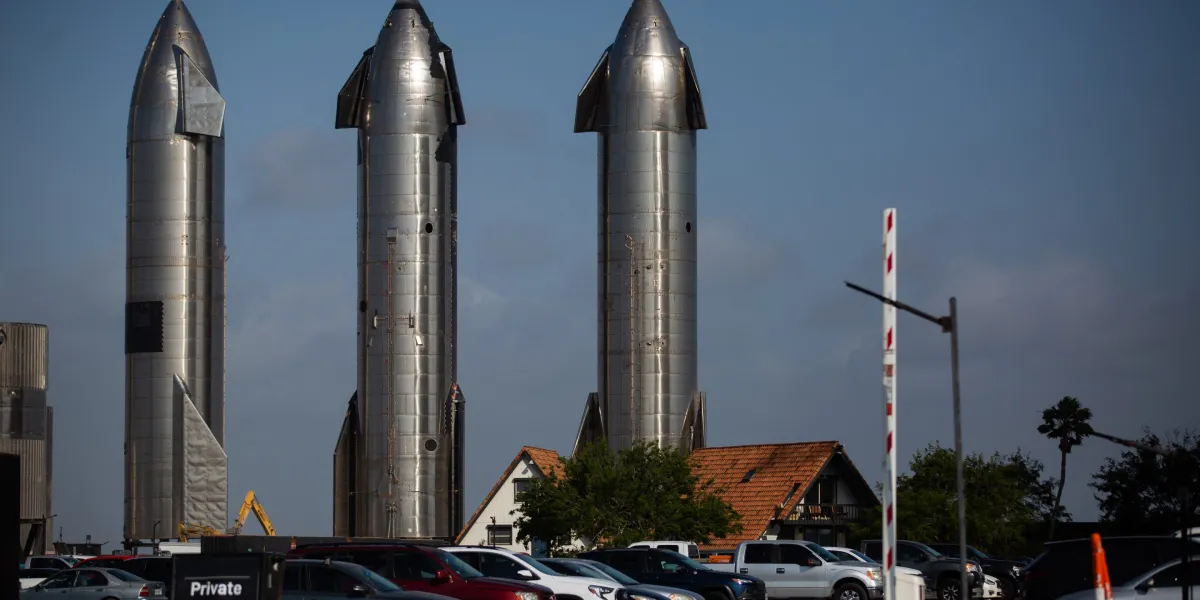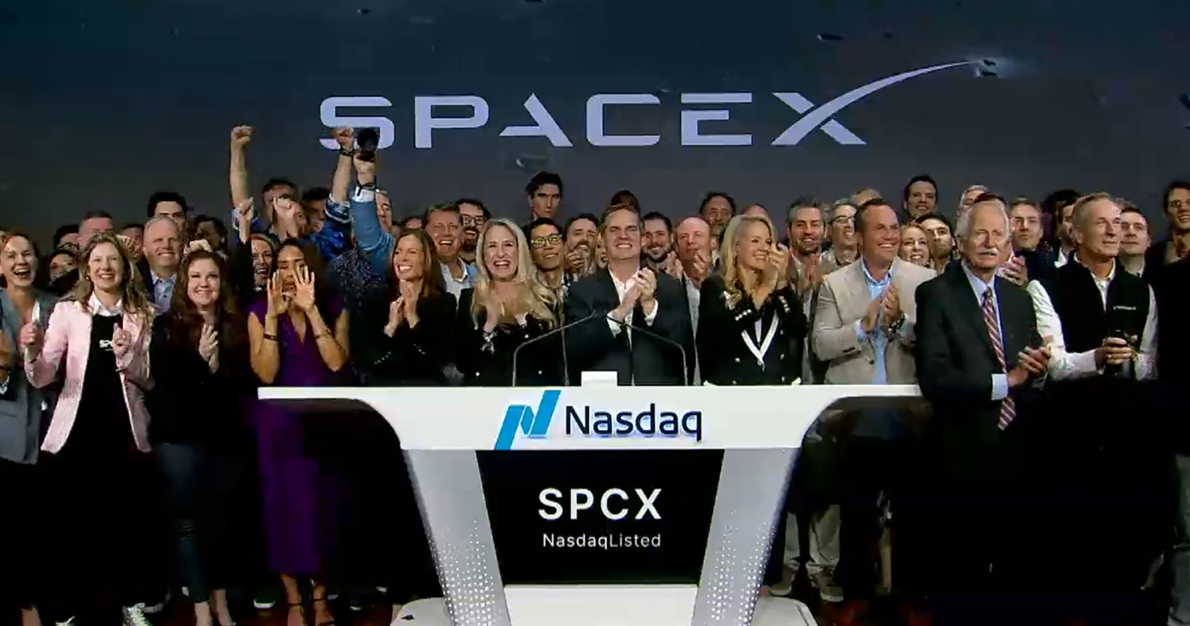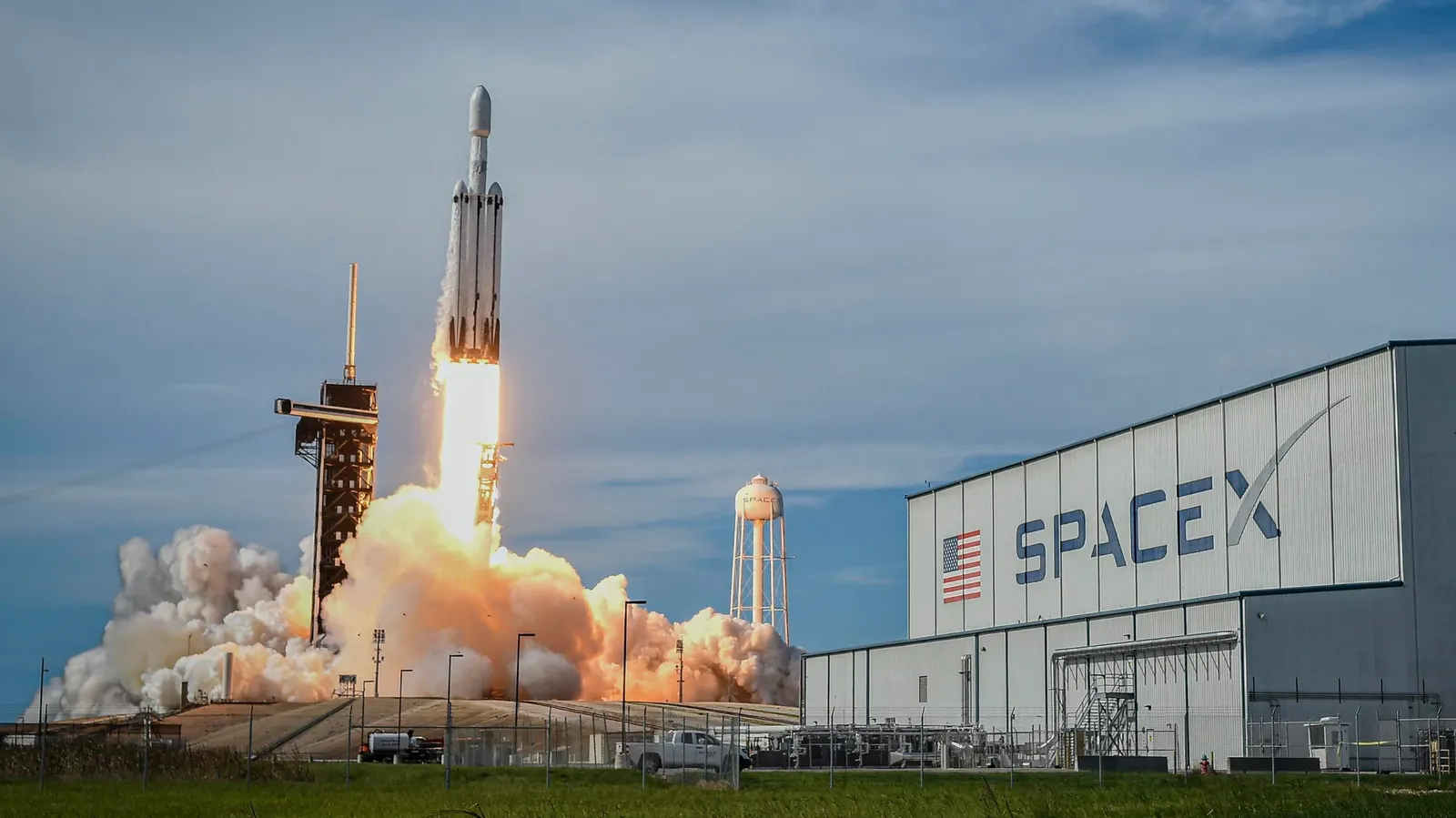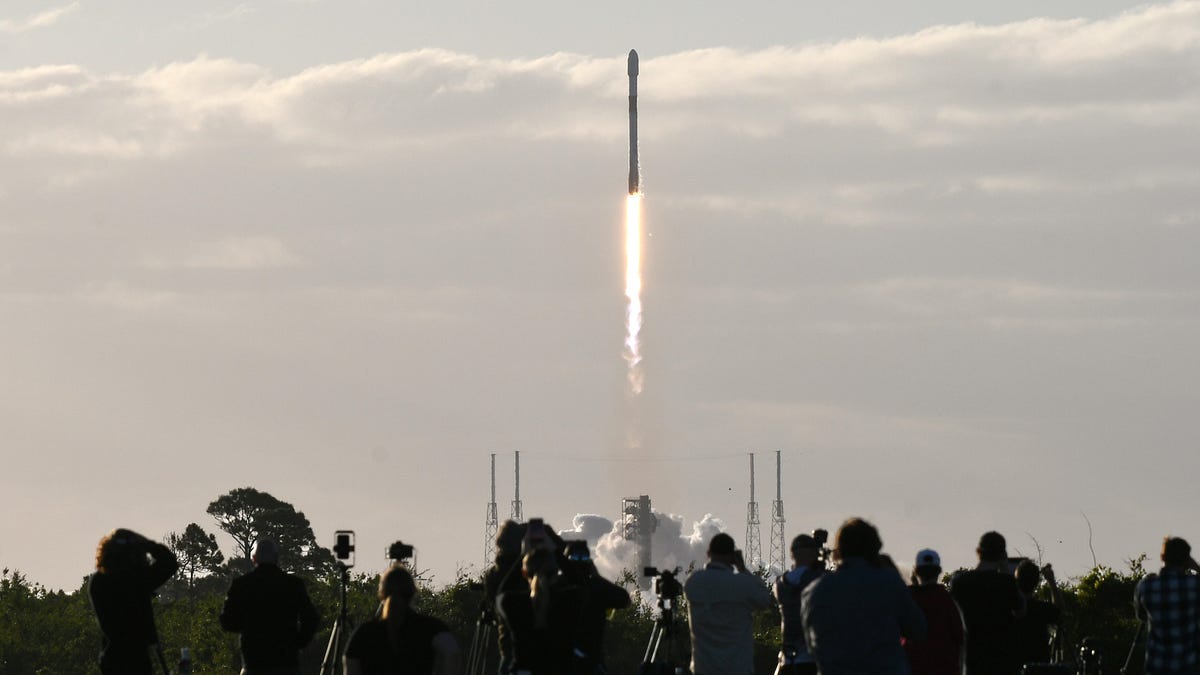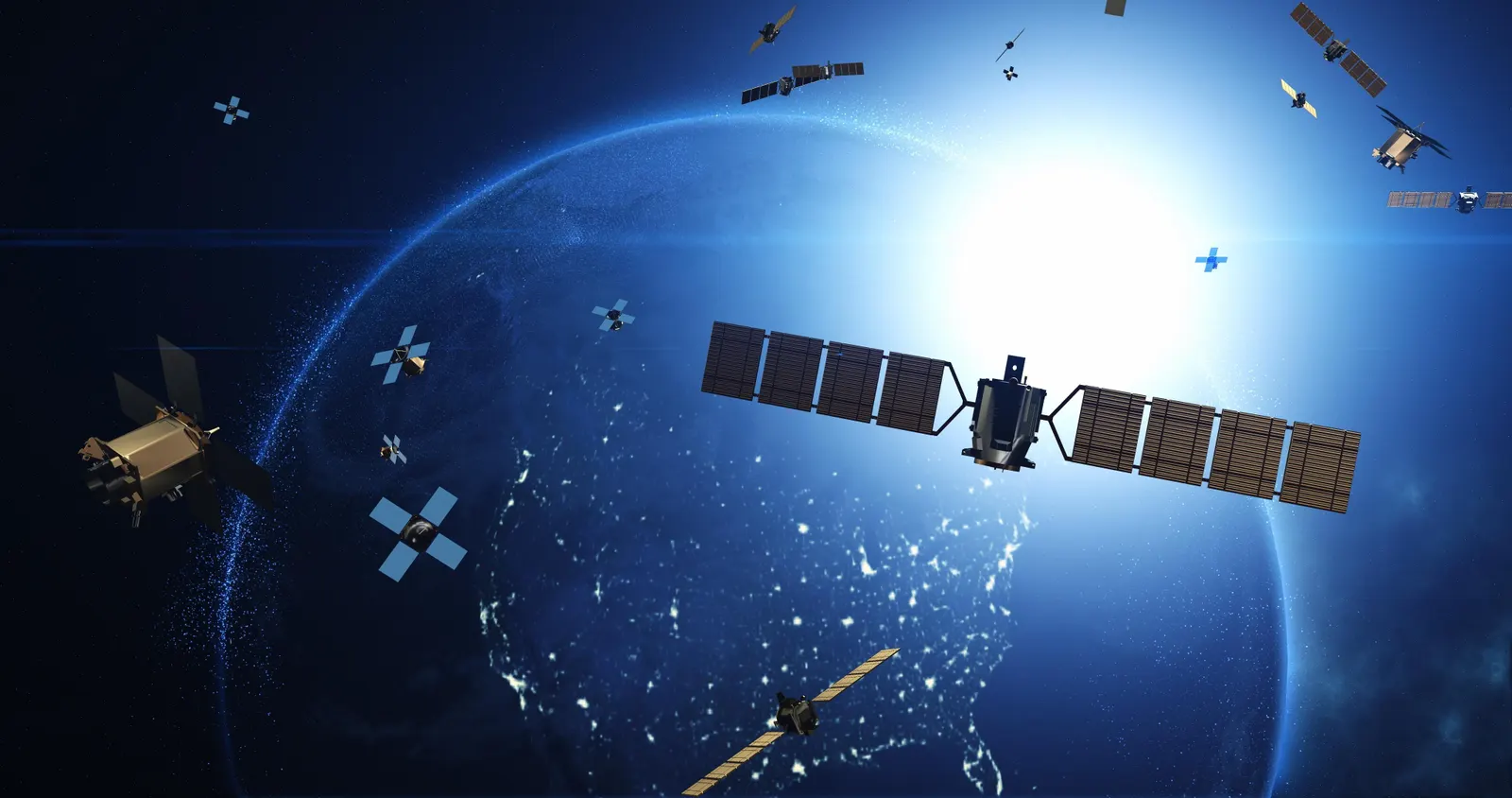
ToplineFor some, SpaceX’s initial public offering (IPO) of shares on the Nasdaq stock index this week appears to be all about rockets. After all, the company has built its reputation launching satellites on its reusable Falcon 9 rockets, shuttling crew and cargo to and from the International Space Station and developing Starship, the largest rocket ever flown. If Starship succeeds in driving launch costs dramatically lower, the next question is what gets built in orbit.From Starlink broadband and orbital data centers to space-based solar power, here’s what a $2 trillion SpaceX might actually build.gettyKey FactsStarship is designed to carry more than 100 tonnes to low Earth orbit, according to SpaceX, and could dramatically reduce launch costs if fully reusable operations are achieved.The global space economy is forecast to grow from about $630 billion in 2023 to $1.8 trillion by 2035, according to the World Economic Forum. That’s about twice the rate of global GDP growth.The company is formally known as Space Exploration Technologies Corporation and will list under the symbol SPCX on the Nasdaq stock index. Shares will sell for $135 each. If Starship succeeds, what gets built?Some investors believe the answer could include data centers, energy infrastructure and industrial facilities on a scale never before attempted. The most obvious is Starlink, which has more than 10 million Starlink subscribers, according to analysts, and now accounts for roughly two-thirds of all active spacecraft in Earth orbit. SpaceX increasingly resembles an infrastructure company and some investors see a future built on Starlink, but also on orbital data centers and even solar power transmitted wirelessly to Earth from space.Mega-structures In SpaceThe first example of large-scale orbital infrastructure could be SpaceX’s orbital data centers. In January, SpaceX filed documents asking the Federal Communications Commission for permission to launch a million satellites to create a solar-powered AI data center megaconstellation. “Orbital data centers are the most efficient way to meet the accelerating demand for AI computing power,” it reads, adding that global electricity demand for data centers is projected to more than double by 2035, driven by growth in AI and account for up to 4% of total worldwide electricity consumption. “It makes a lot of sense because it’s so cold, and these are massive heat‑generating data centers,” said futurist and entrepreneur Brett Hurt, author of Love Conquers Fear: Humanity, AI, and the Age of Abundance for All, in an interview. “If you can get them into the coldness of space, then it costs a tremendously less amount of energy.” It’s not just a SpaceX idea, with European Space Agency-backed conceptual work in Europe and private projects such as Axiom Space, Starcloud and Google’s Project Suncatcher. According to ESA, the concept is a decade or two away. SpaceX recently said its orbital AI compute may not be commercially viable, Reuters reported.SpaceX And Off-Earth EnergyAn even more speculative possibility is energy. Space-based solar power has been studied for decades, and recent demonstrations have shown that wireless power transmission from space to Earth is technically possible in principle. If launch costs fall dramatically, enormous solar arrays in orbit become easier to imagine. “If we could capture just 18 seconds of the sun’s rays that fall on Earth through a material‑science breakthrough, it would power America’s energy needs for over a year,” said Hurt. “If we crack the code for that form of energy, everything becomes possible.”Starship could make concepts that once seemed impractical — from massive communications platforms to industrial facilities in orbit — begin to look technically and financially achievable.BackgroundThe idea of building large infrastructure in orbit has existed for decades, but launch costs have made most concepts economically impossible. Advocates of fully reusable rockets argue that Starship could change that equation. If the cost of moving cargo to orbit falls by an order of magnitude, projects once confined to science fiction may begin to attract serious commercial investment.Further readingForbesNASA Changes Moon Plan: Landing Now Depends On SpaceX Or Blue OriginBy Jamie CarterForbesSpaceX Vow To Loft 1 Million AI Satellites Could Spark Doomsday DiveBy Kevin Holden PlattForbesSpaceX Says It’s Sparking One Of Galaxy’s Most Advanced CivilizationsBy Kevin Holden PlattForbesWhy History Will Not Care About The SpaceX IPO ValuationBy Charles Beames
Inside SpaceX’s Orbital Economy: AI Data Centers And Wireless Power
From Starlink broadband and orbital data centers to space-based solar power, here’s what a $2 trillion SpaceX might actually build.
695 words~3 min read