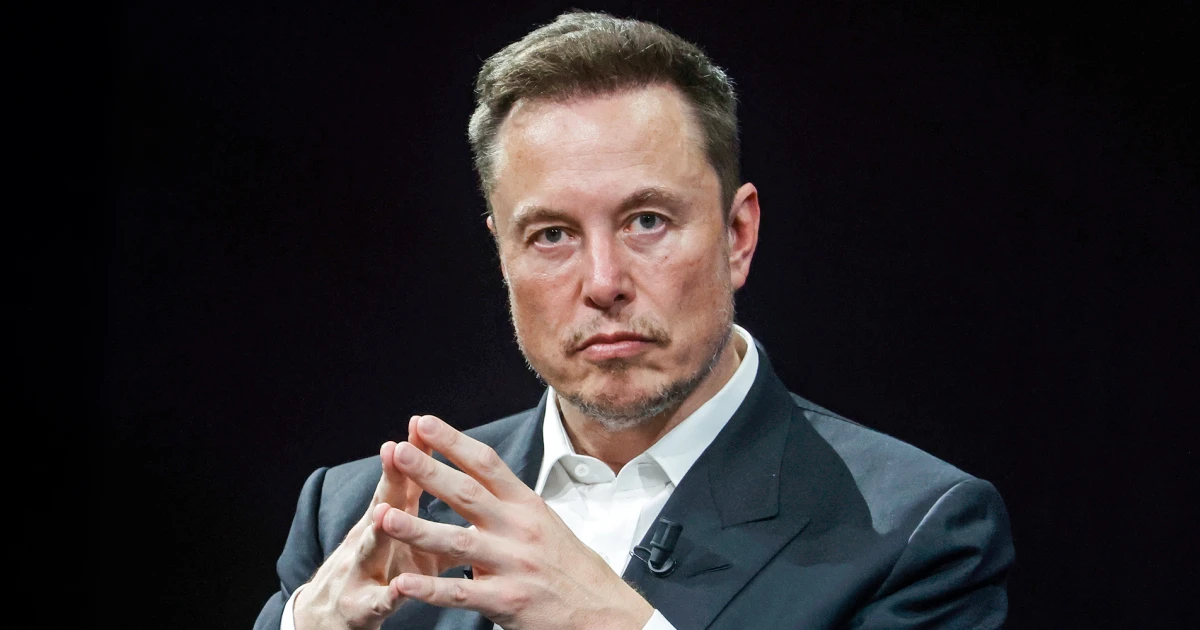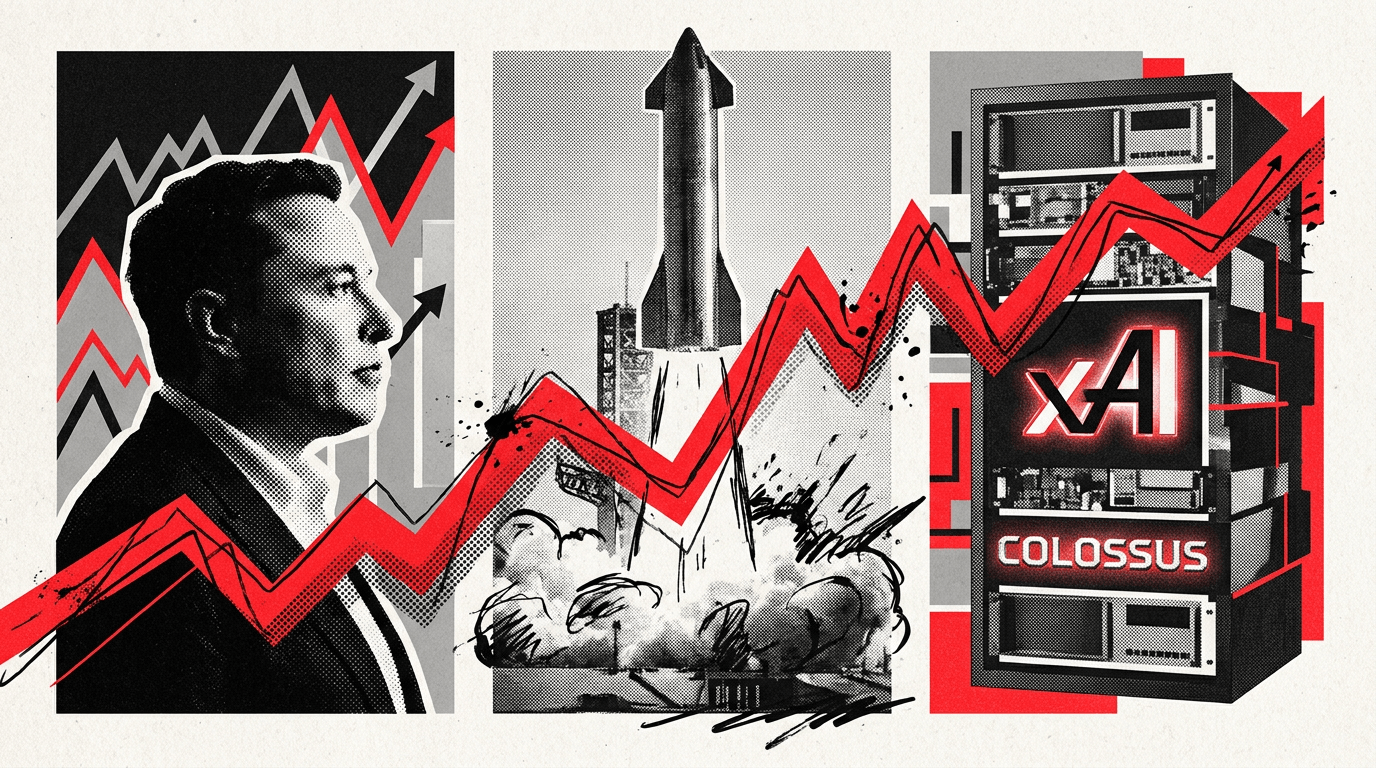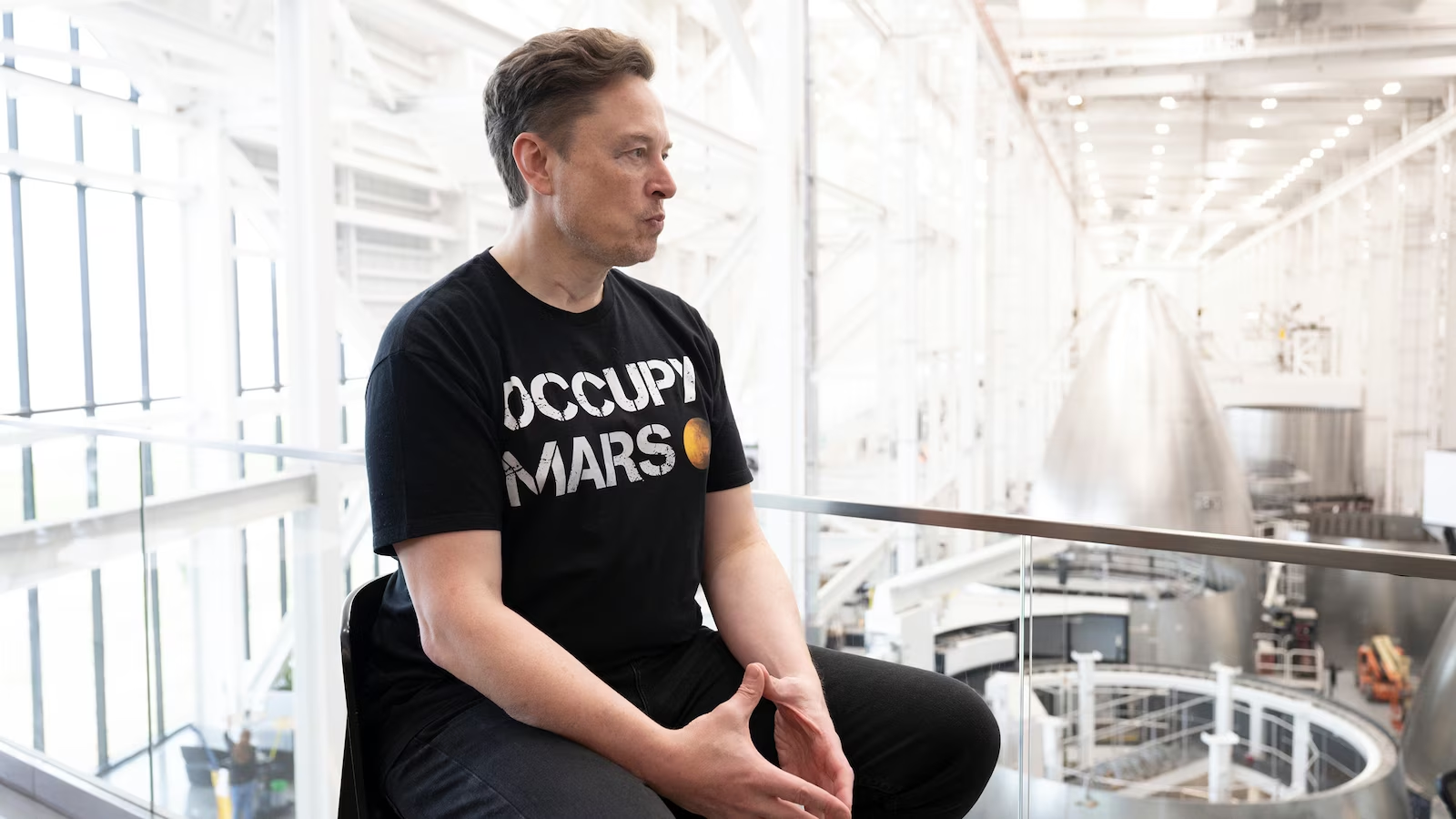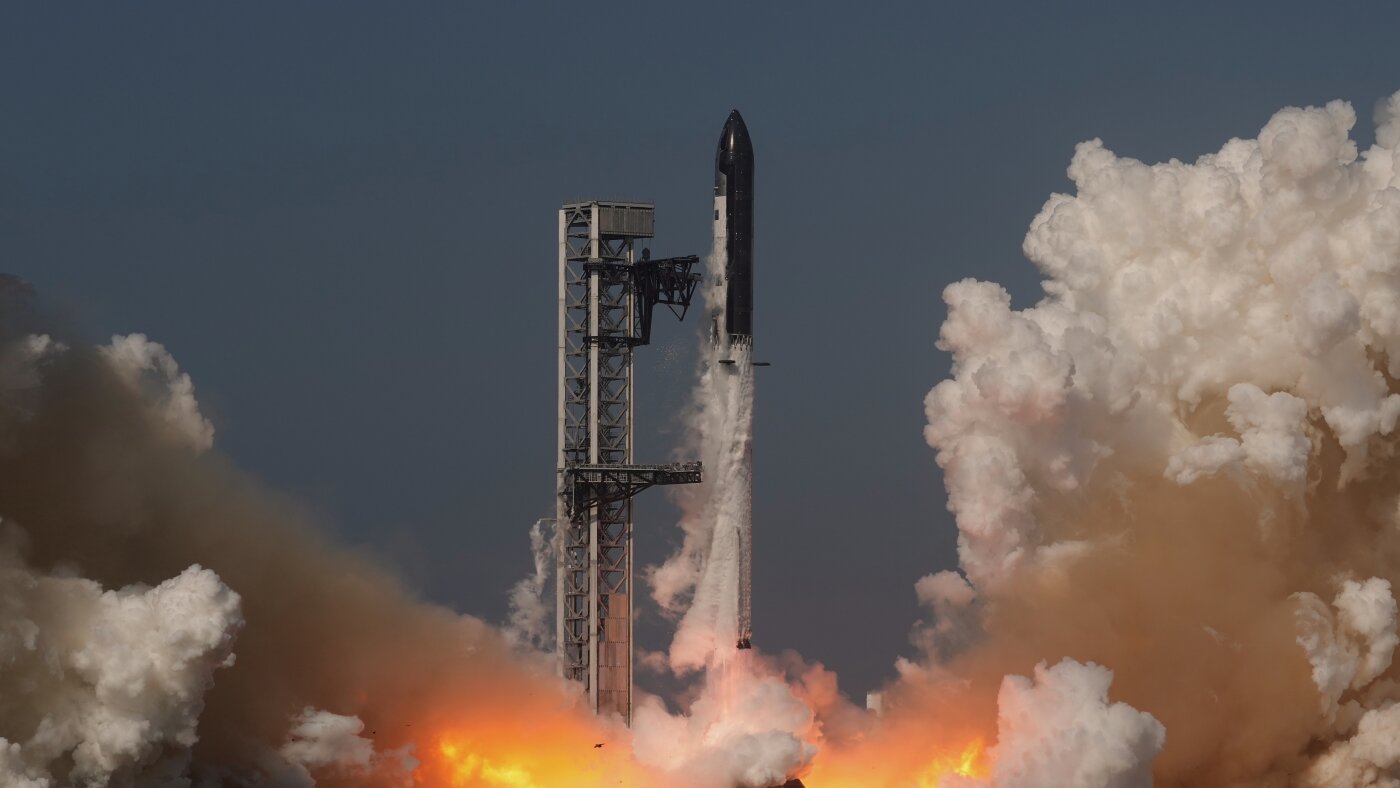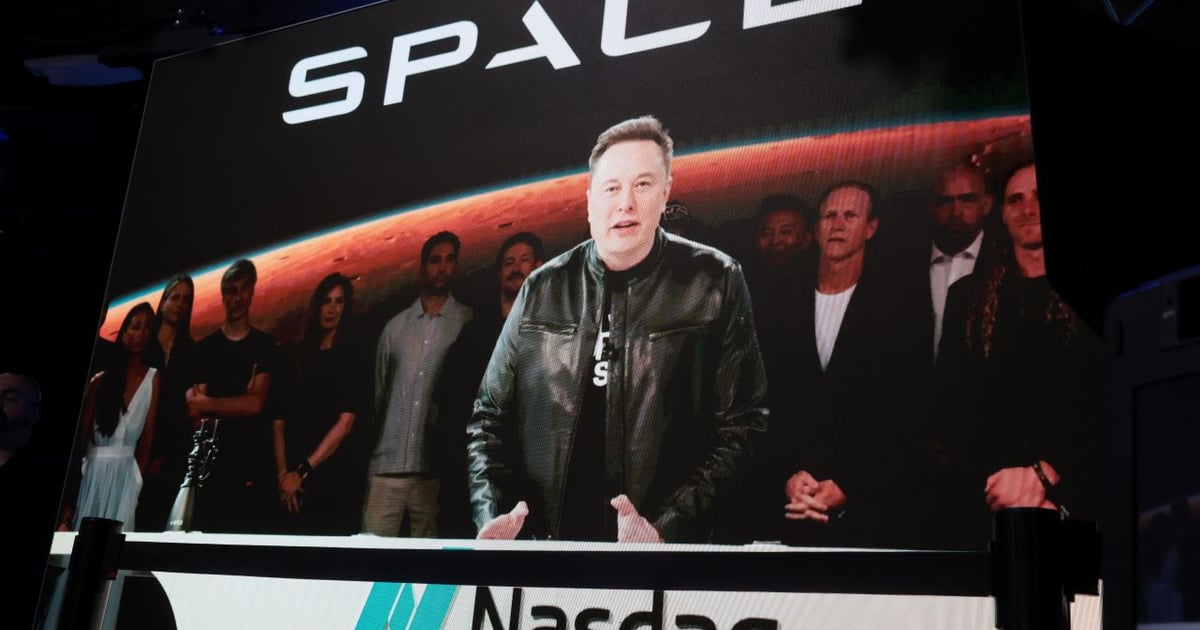
SpaceX's much-anticipated IPO could be one of the biggest debuts on the US stock market. With reported investor demand of about $150 bn, almost twice the $75 bn the company is seeking to realise, the offering could make Elon Musk the first trillionaire. The enormous sum of money and SpaceX's niche in space tech have made the IPO a focal point for investors. But the buzz around the offering also stems from unusual plans enlisted in its prospectus, including endeavours to establish a colony of 1 mn people on Mars.While such promises may be far-fetched, the prospectus also mentions plans of launching data centres into space. This promise stands out, as it hints towards the bigger stage Musk could be setting for his AI ambitions. With global AI expansion hinging on costly data centre growth, Musk appears to understand AI economics deeply, and by framing the IPO around a space dream, he could raise the capital needed to emerge as an AI leader.Musk has long harboured AI ambitions, and was among the earliest investors in OpenAI when it was established in 2015. But the two are now on poor terms, highlighted by Musk's recent lawsuit against OpenAI. While OpenAI's ChatGPT became a market leader, Musk's AI company xAI and its chatbot, Grok, have not seen similar adoption. xAI suffered operational losses of about $6.4 bn last year. With the company now acquired by SpaceX, those losses were transferred to the latter's balance sheet, although SpaceX was already profitable beforehand, generating $18.7 bn in revenue in 2025 and $6.6 bn in adjusted EBITDA.While Musk's xAI struggles, the journey has not been smooth for other AI giants either. Much of this challenge stems from the substantial cost of frontier models and data centre expansion. In a bid to capture market share, AI companies initially burned billions to expand access to compute, and did not pass these costs on to users through higher fees. But with adoption growing rapidly, companies are charging more for proprietary models.This higher fee is rooted in token economics. AI processes text as tokens computed on GPUs, and compute demand rises with token volume and task complexity. While companies have sharply reduced token prices by expanding compute capacity, rapid AI adoption is driving exponential growth in token usage and raising overall costs.GitHub's announcement that it would switch flat-rate plans to more expensive usage-based models reflect a hard reality: AI providers cannot absorb inference costs indefinitely. And once providers stop subsidising AI usage, demand takes a hit. Microsoft reportedly cancelled its internal Claude code licences because token-based billing made AI usage unfeasible. For a given amount of compute access, rising adoption would ultimately reach a point where AI providers either sacrifice profits, or let demand plummet. In such a situation, expanding compute capacity would not be a straightforward solution. Apart from large investments, land availability, energy requirements, and environmental concerns can become major barriers to data centre development.Amid these dynamics, whoever owns the largest compute capacity would be able to provide AI at the lowest cost. Musk appears to understand these dynamics, and the planned space-based data centres seem justified in this context.Space-based computing infrastructure exists on a small scale. Axiom Space deployed a data-processing prototype powered by Red Hat Device Edge onboard the International Space Station in 2025, capable of running cloud computing and AI. The first two orbital data centre nodes were successfully launched into low Earth orbit this year.For AI companies, space data centres powered by solar energy and cooled by space vacuum could prove greener and cheaper than terrestrial ones. The primary bottleneck is the enormous cost of launching such infrastructure into orbit, a challenge Musk could address through the SpaceX IPO.Musk is a man of many interests, and his business ventures are equally diverse. But while he tries to 'do it all', results have not always been desirable. Examples include his acquisition of Twitter on the pretext of protecting free speech, at a price experts considered unreasonably high. The move backfired financially as advertising revenue fell. Similarly, Tesla's Cybertruck has found only few buyers. Ironically, it was SpaceX that reportedly bought around $131 mn worth of Cybertrucks.The case of SpaceX is stranger. As a company dedicated to space tech, it actually earns most of its revenue from its Starlink internet service, which handles over 90% of global space-based internet traffic and had roughly 8.5 mn subscribers by 2025. The company's vision has shifted from rockets to satellites, Mars, and now AI infrastructure, that too by apparently disguising AI ambitions in the skin of a space dream Ultimately, investors should be more curious about why a company dedicated to space tech is leveraging Musk's halo effect to indirectly fund AI ambitions. While his intentions regarding space-based data centres could be genuine, the degree of control he exercises over SpaceX raises an important question: do the breakthroughs in AI compute technology that Musk aspires justify the scale of control, capital, and regulatory oversight being sought in the name of plans that still seem no less than science fiction? With 85% voting power, Musk could end up exercising unusually large control over the biggest pool of efficient compute available.It is yet to be seen whether the June 12 SpaceX IPO will be successful, and what kind of impact it could have on the broader stock market. For now, one thing is certain: Musk knows where the AI industry is heading. And he seems to be prepared with a long-term strategy.Kapoor is chair, Institute for Competitiveness. Puri is founder, PurInsights. Saad is researcher at Institute for Competitiveness. (Disclaimer: The opinions expressed in this column are that of the writer. The facts and opinions expressed here do not reflect the views of www.economictimes.com.)
SpaceX IPO: Elon Musk's AI ambitions fueling space data centers & trillionaire dreams - The Economic Times
SpaceX's upcoming IPO, fueled by immense investor demand, could propel Elon Musk to trillionaire status. Beyond its space ambitions, the company's prospectus reveals plans for space-based data centers, hinting at Musk's strategy to fund his AI endeavors. This move addresses the escalating costs and logistical challenges of terrestrial AI infrastructure.
953 words~4 min read