The public offering marks the start of a new wave of AI and tech investment. But the markets are turbulent, and big IPOs are no guarantee of long-term financial success.
June 12, 2026
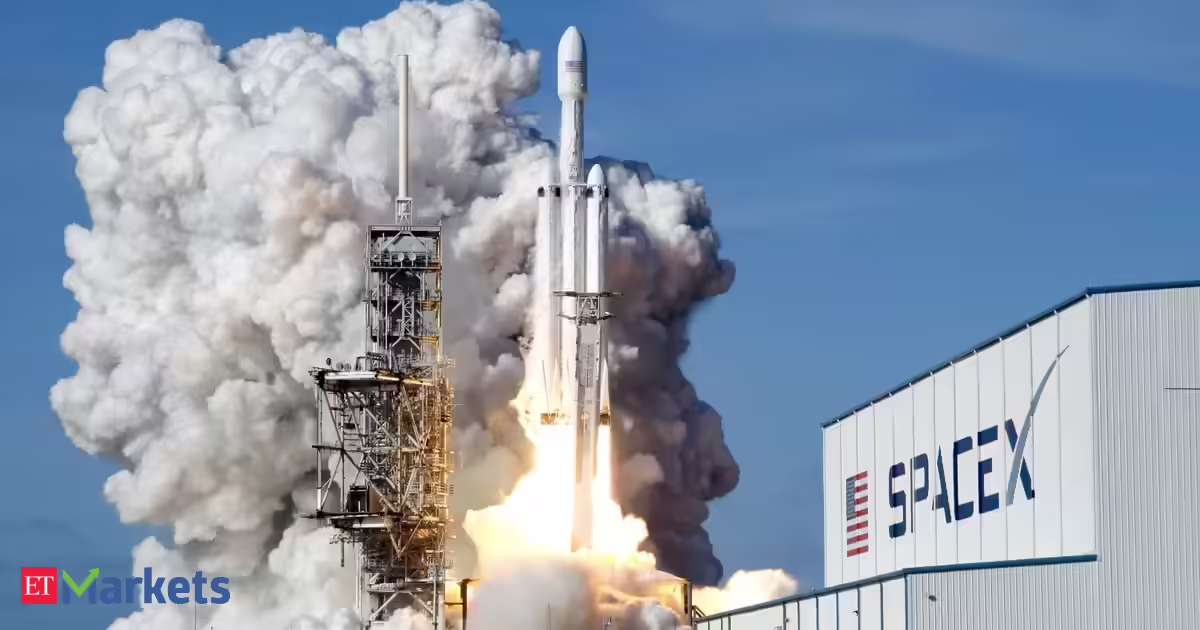
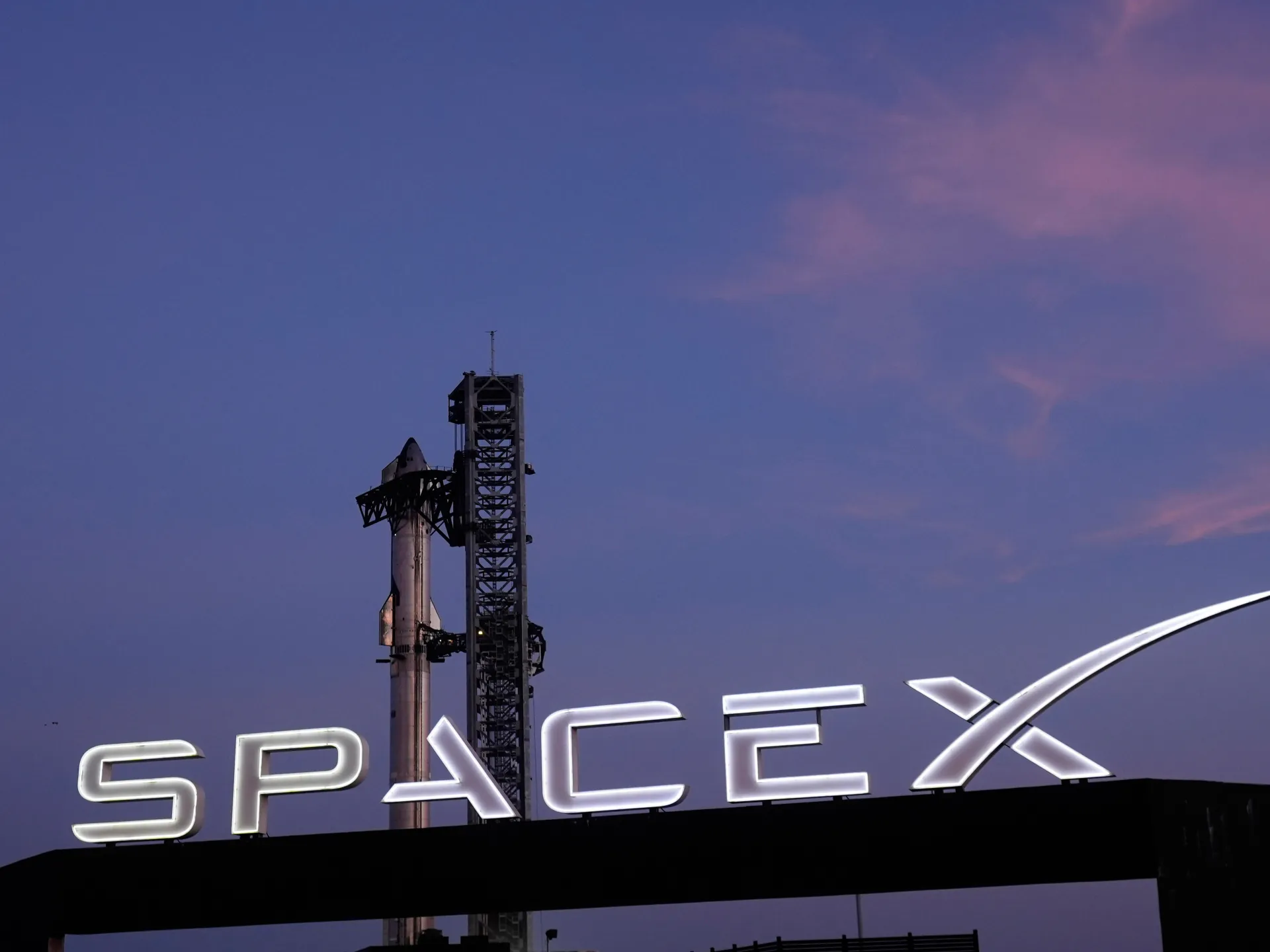
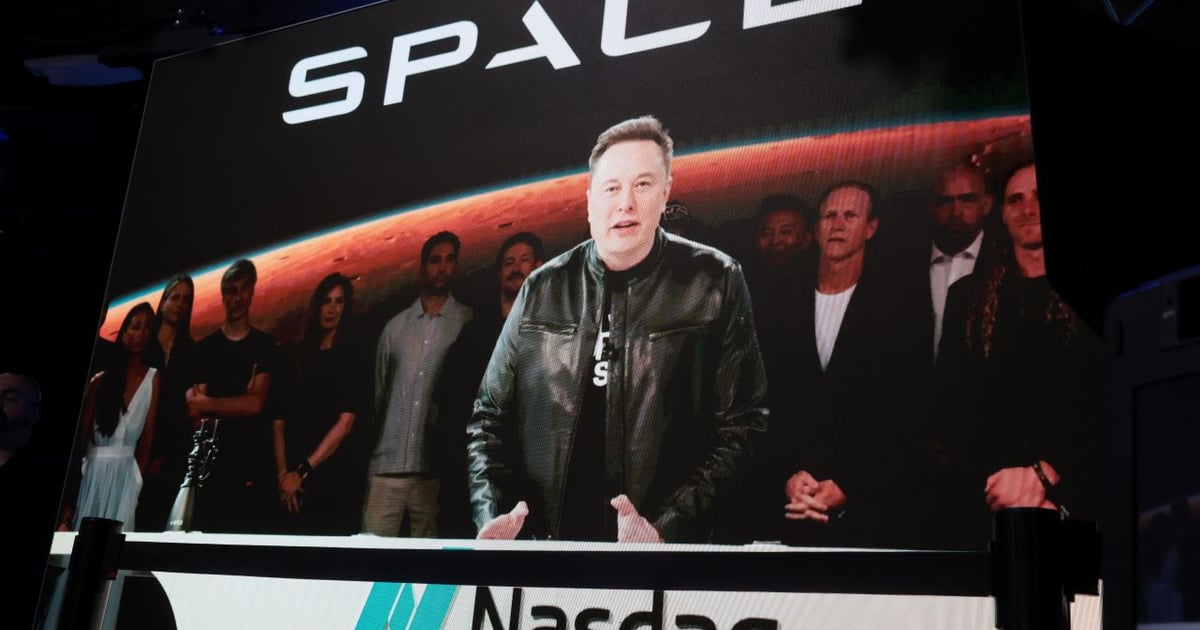
The SpaceX IPO, which raised at least $75 billion and became the biggest public offering ever, carries significant AI implications for the Elon Musk-owned conglomerate and the broader generative AI market.
Over the last year, SpaceX, which in addition to its rocket business, includes Starlink broadband satellite network, xAI and the X platform, plunged into the neocloud sector, forging $30 billion deals with competitors Google and Anthropic to supply GPU compute from SpaceX’s Colossus 1 and Colossus 2 data centers. Musk plans to grow the AI compute business and is promoting plans to build AI data centers in space, possibly in conjunction with Google and Microsoft.
Meanwhile, the Grok AI chatbot from xAI has remained largely a consumer model and is trailing competitors Anthropic, Google, OpenAI and DeepSeek by a wide margin among enterprises. Even so, SpaceX disclosed in its May 20 IPO filing that it intends to pay down debt carried by xAI and X, formerly Twitter, and it expects to use its up to $60 billion acquisition of the Cursor AI coding platform to further develop Grok and combine it with space-based data centers.