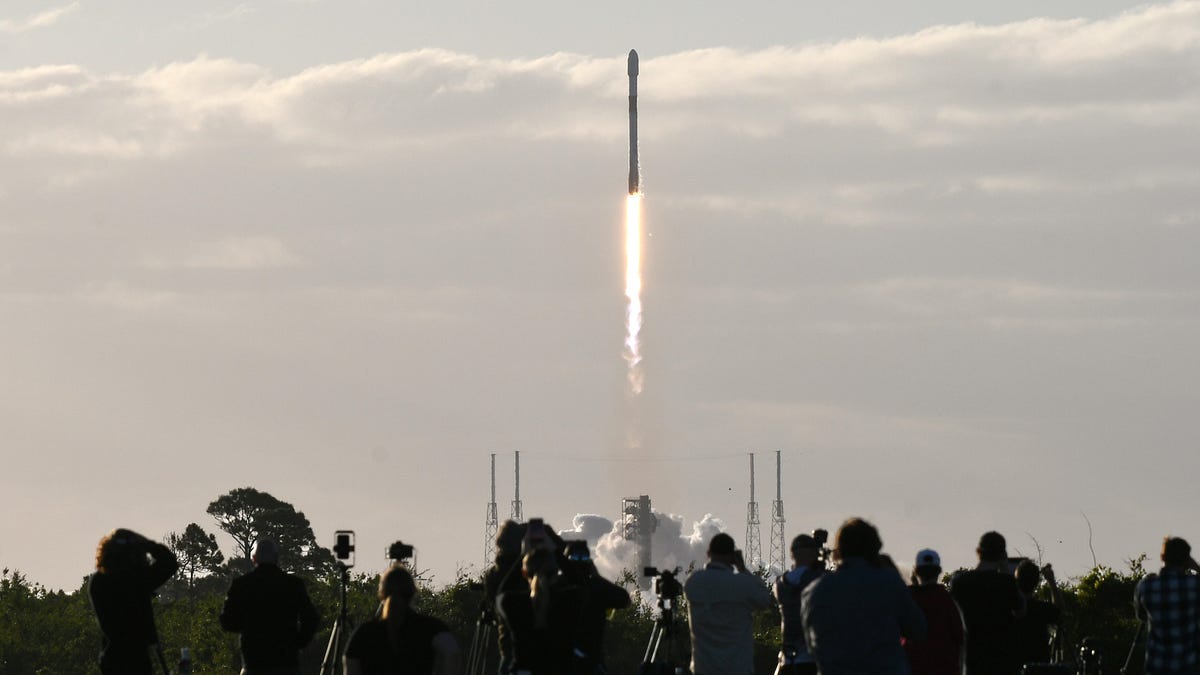
SpaceX Starship Flight 8 launches from Orbital Launch Pad A at Boca Chica beach on March 06, 2025 in Boca Chica Beach, Texas.
Brandon Bell/Getty Images
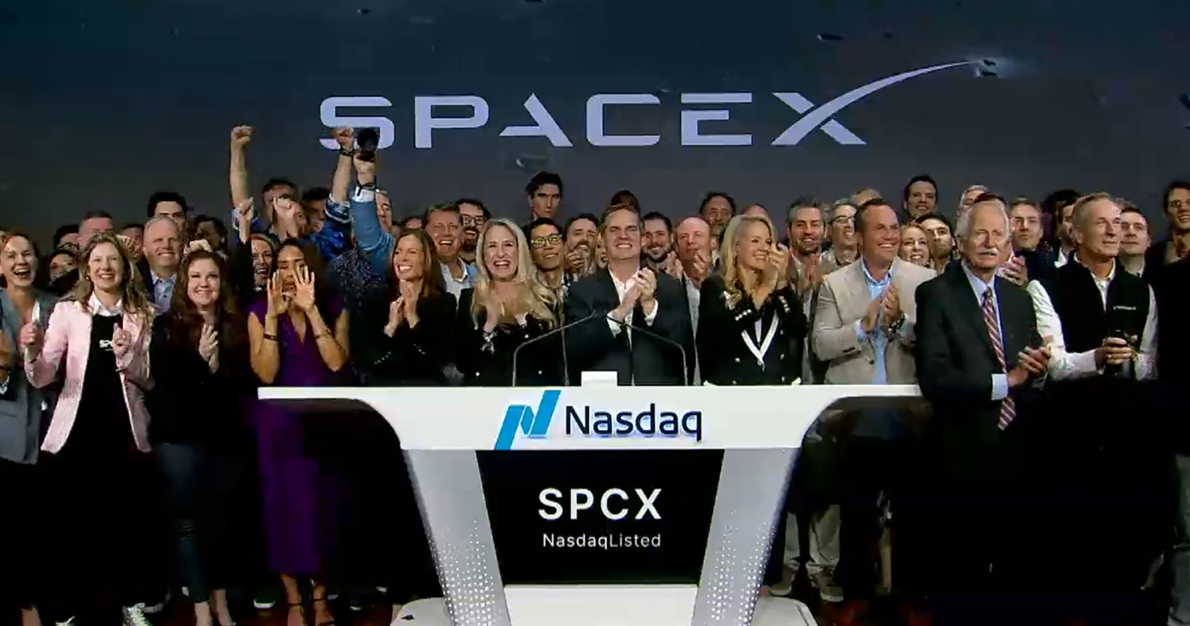
SpaceX's IPO filing this week wasn't about rockets. Or Starlink. Wall Street already understands those businesses. Launches are booming. Satellite internet is scaling profitably. Those stories are mature enough to model in spreadsheets.The real pitch — the thing meant to justify the next decade of valuation growth — is something far stranger: orbital AI data centers.In the filing, SpaceX described a plan to deploy "AI compute satellites" into sun-synchronous orbit starting as early as 2028. The idea is simple in theory and insane in practice: move AI infrastructure off Earth and into space, where solar power is effectively unlimited and cooling happens naturally through radiative heat dissipation.The AI race is increasingly about who controls compute and can generate tokens most efficiently. SpaceX argues the bottleneck is now physical: power generation, data center construction, and chip manufacturing. The company believes terrestrial infrastructure cannot keep up with exploding AI demand, especially as reasoning models and AI agents consume exponentially more compute.Hence the orbital pivot.The logic is actually pretty coherent. In orbit, solar arrays receive near-constant sunlight. There's no atmosphere, no weather, and no NIMBYs blocking permits for another gigawatt-scale data center. SpaceX says space-based solar arrays can generate more than five times the energy per unit area of terrestrial systems. Combined with Starship launches and Starlink networking, Elon Musk sees a future where compute itself becomes a new space industry.And here's the important part: this isn't just Musk freestyling another sci-fi fantasy. Google is pursuing the same idea.