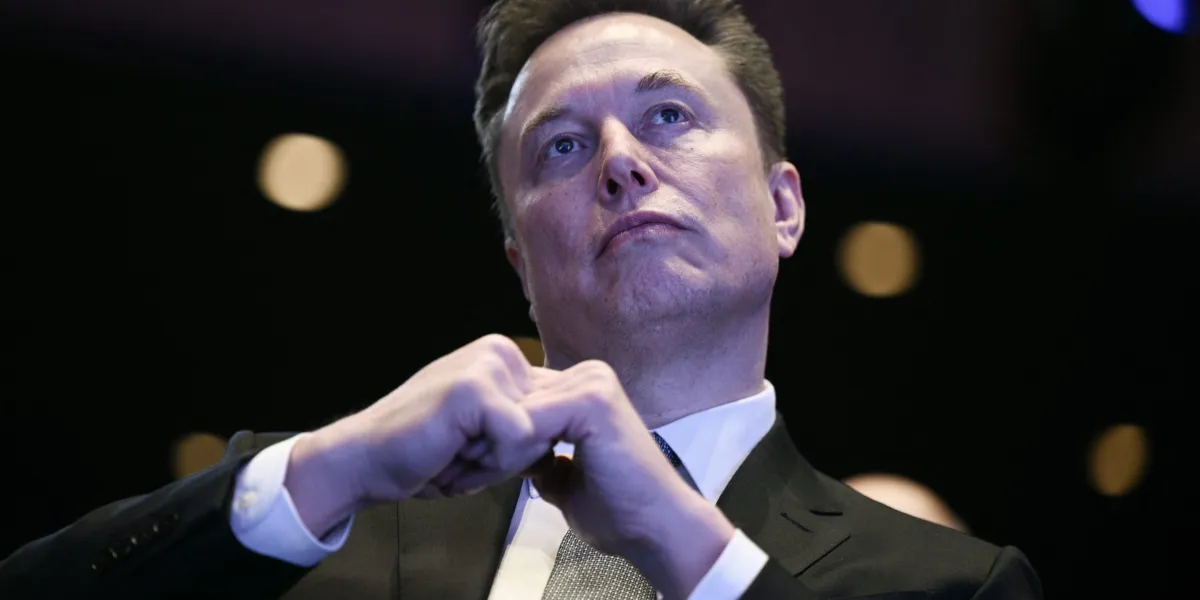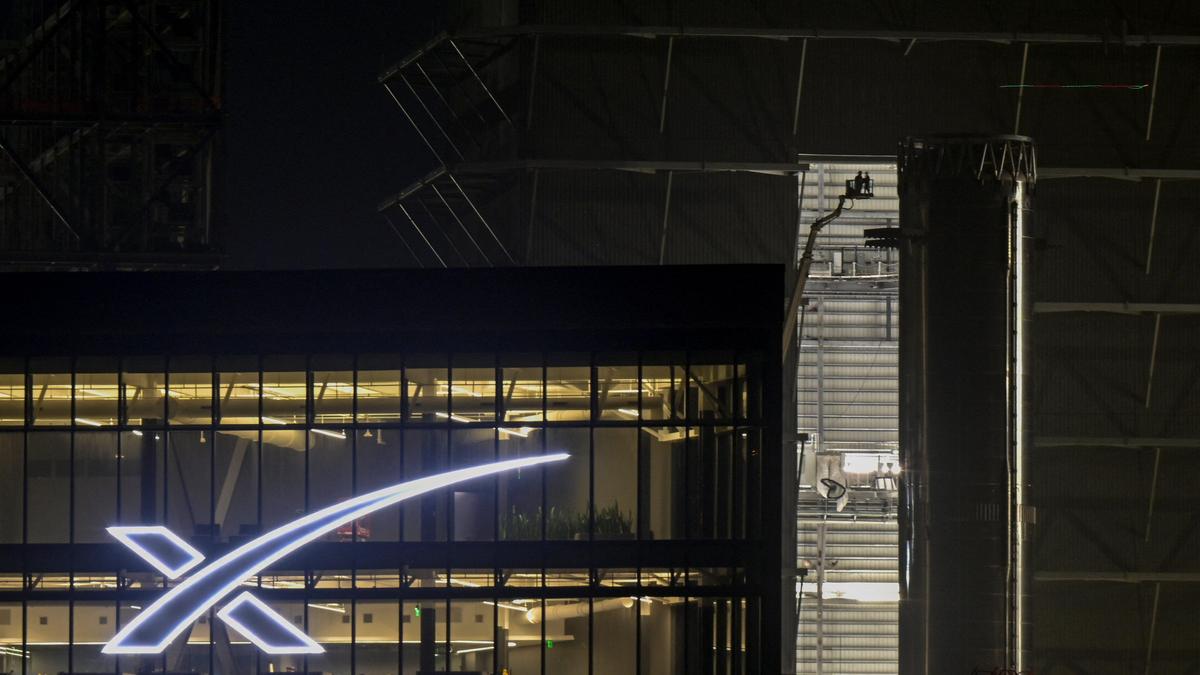
The disclosures provide Wall Street with one of its clearest views yet into the so-called “Muskonomy” [File]
| Photo Credit: REUTERS
SpaceX’s IPO filing finally revealed the finances behind a company aiming to dominate industries ranging from rockets and satellites to AI and data centres.Led by billionaire CEO Elon Musk, the world’s most valuable private company is aiming to raise $75 billion at a valuation nearing $2 trillion, potentially the largest IPO ever.The filing, released late Wednesday, also confirmed a series of recent Reuters reports on the offering.Following are some key themes investors are most likely to focus on:The IPO has exposed the difficulty of placing a price tag on SpaceX, whose mix of profitable satellite operations and costly futuristic ventures has few parallels in public markets.Investors buying into SpaceX’s IPO are making a high-stakes wager that CEO Musk can turn a fast-growing satellite business into something far bigger, using an unproven rocket to fuel an ambitious expansion into AI.The disclosures provide Wall Street with one of its clearest views yet into the so-called “Muskonomy”: the billionaire’s tightly linked corporate empire spanning cars, AI, social media and space.SpaceX has adopted corporate governance policies that will erode typical shareholder protections. Musk will retain 85.1% of the combined voting power of the company, the filing showed. It will use a dual-class share structure that gives Class B shareholders 10 votes each, concentrating control with Musk and a handful of other insiders, while Class A shares sold to public investors will carry one vote each, the prospectus showed.SpaceX dominates the market for low-Earth orbit satellites used to deliver internet and communications through its Starlink service. The filing comes in a critical week for the rocket maker, which is preparing for a test flight of its next-generation Starship rocket on Thursday.Of SpaceX’s three divisions, only the connectivity segment powered by Starlink was profitable in the first three months of the year.The acquisition of xAI transformed SpaceX into a far more AI-focused company, but also intensified its spending, with the business accounting for 76% of the company’s $10.1 billion in capital expenditure during the first quarter.SpaceX outlined ambitions stretching beyond rockets and satellites, naming asteroid mining, space-based manufacturing and lunar and Martian energy production as possible future markets.SpaceX said in the prospectus that its mission is “to build the systems and technologies necessary to make life multiplanetary.”If SpaceX reaches its targeted valuation, it would instantly force a rethink of Wall Street’s coveted “Magnificent Seven” club of trillion-dollar tech giants.On Wall Street, banks leading the IPO stand to collect a windfall in underwriting fees if the offering is completed at its targeted size. The deal is also a coup for Nasdaq, where SpaceX plans to list.For the IPO market, bankers and industry experts warn the deal could absorb an outsized share of investor attention and market liquidity, potentially squeezing out other hopefuls. Published - May 22, 2026 09:26 am IST