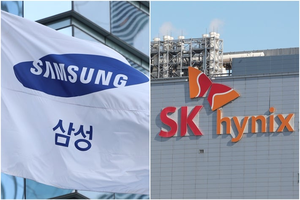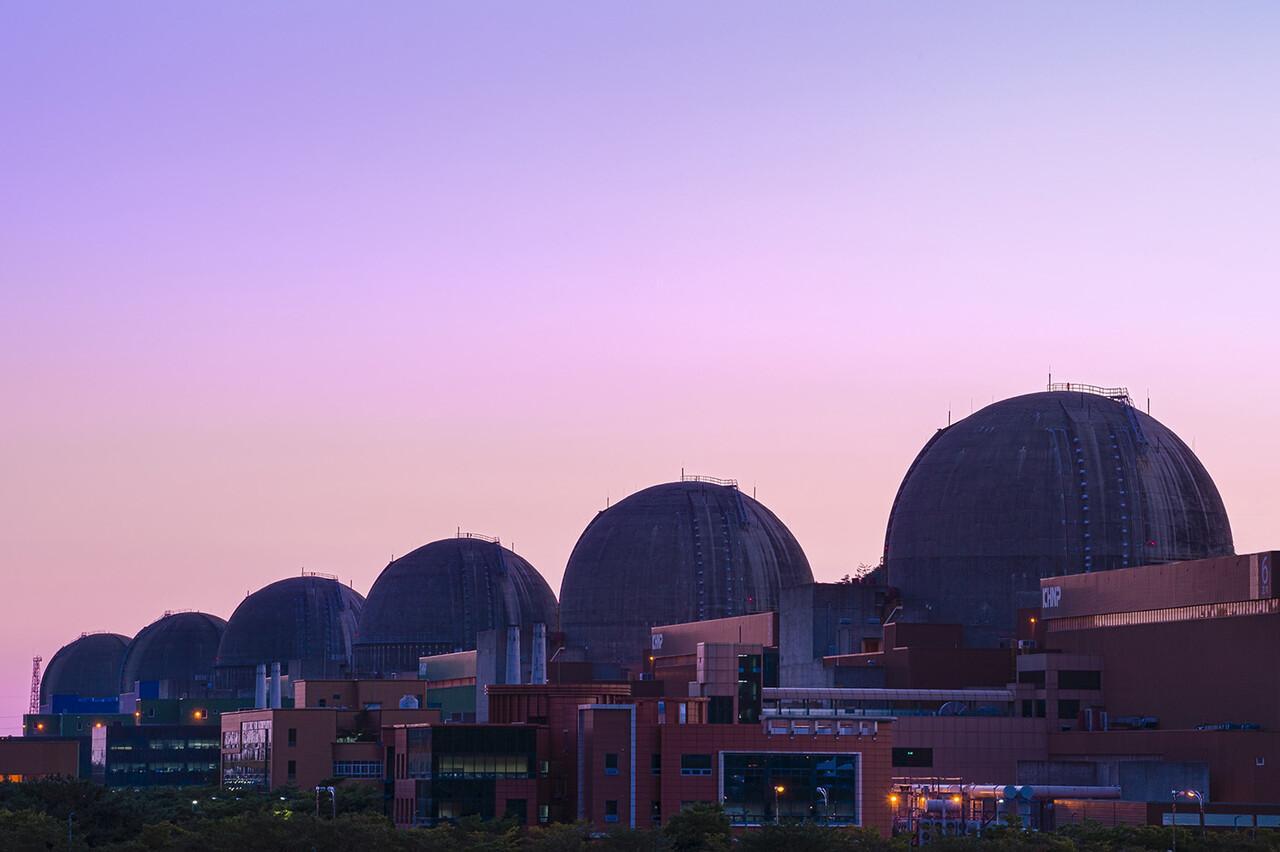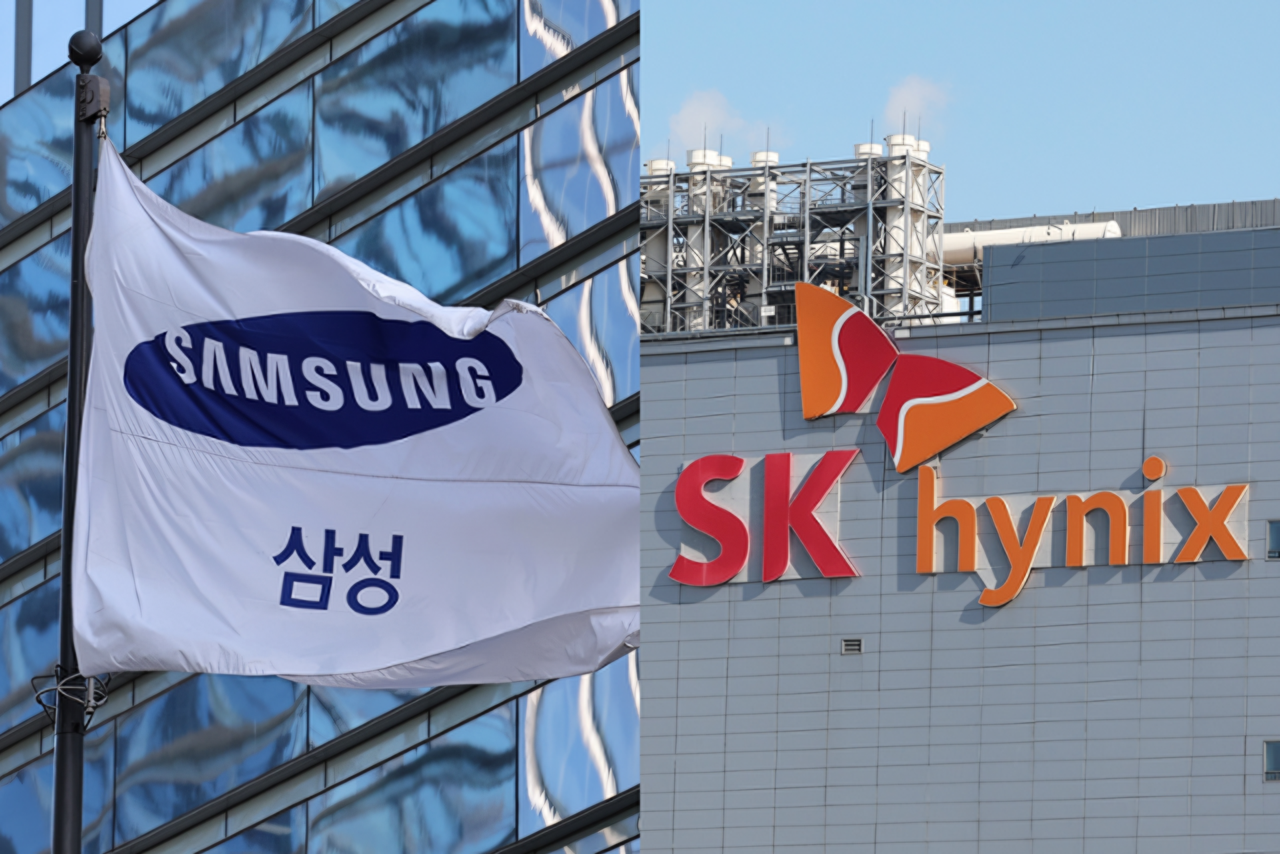
Exterior views of Samsung Electronics and SK hynix headquarters / News1 · Yonhap
The debate over whether Korea’s leading semiconductor manufacturers should expand into the country’s southwestern region has exposed a deeper question about the nation’s economic future: Should industrial policy continue to reinforce the dominance of the Seoul metropolitan area, or should it adapt to the realities of a carbon-constrained, energy-driven economy?
Recent reports that Samsung Electronics is considering a semiconductor packaging facility in Gwangju and SK hynix is exploring investment opportunities in South Jeolla Province have generated both excitement and controversy. Local governments see an opportunity to attract high-quality jobs and revive their economies. Meanwhile, industry observers warn against disrupting the powerful semiconductor ecosystem that has developed around existing clusters in the Seoul metropolitan area and Chungcheong provinces.
Both sides raise legitimate concerns, yet the discussion has too often been framed as a simple choice between economic efficiency and regional development. In reality, Korea’s long-term competitiveness may depend on reconciling the two.
For decades, the country’s semiconductor industry has benefited from geographical concentration. Production facilities, research centers, suppliers and highly skilled workers are clustered around major manufacturing hubs like those found in Pyeongtaek and Yongin in Gyeonggi Province, and Cheongju in North Chungcheong Province. This concentration has generated economies of scale, accelerated innovation and strengthened supply chain resilience.