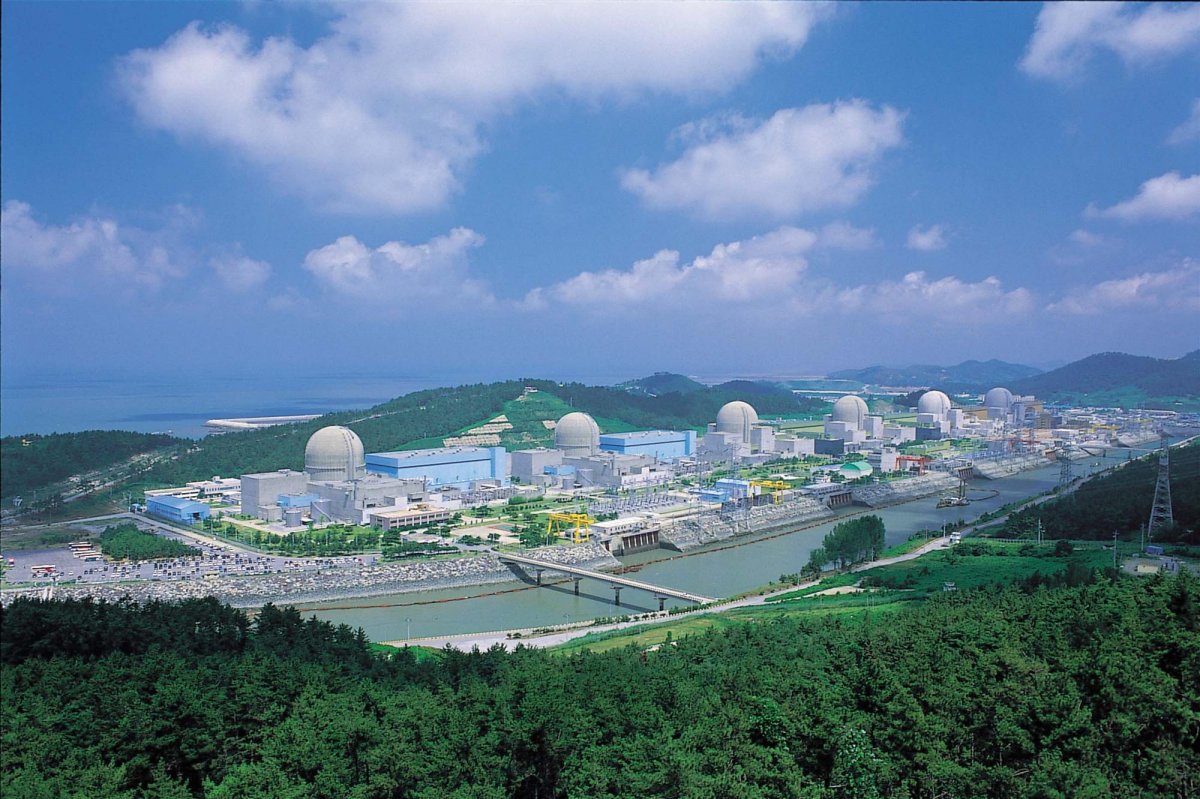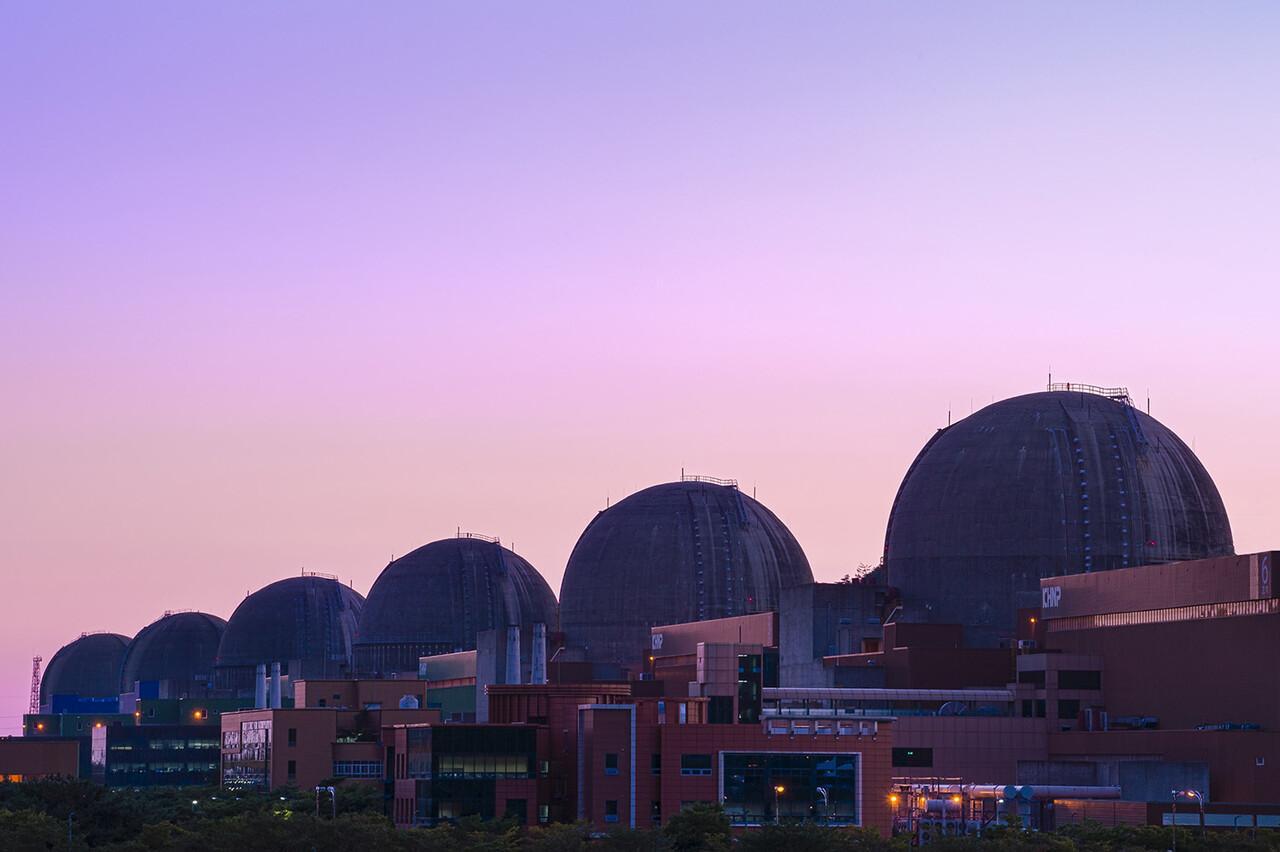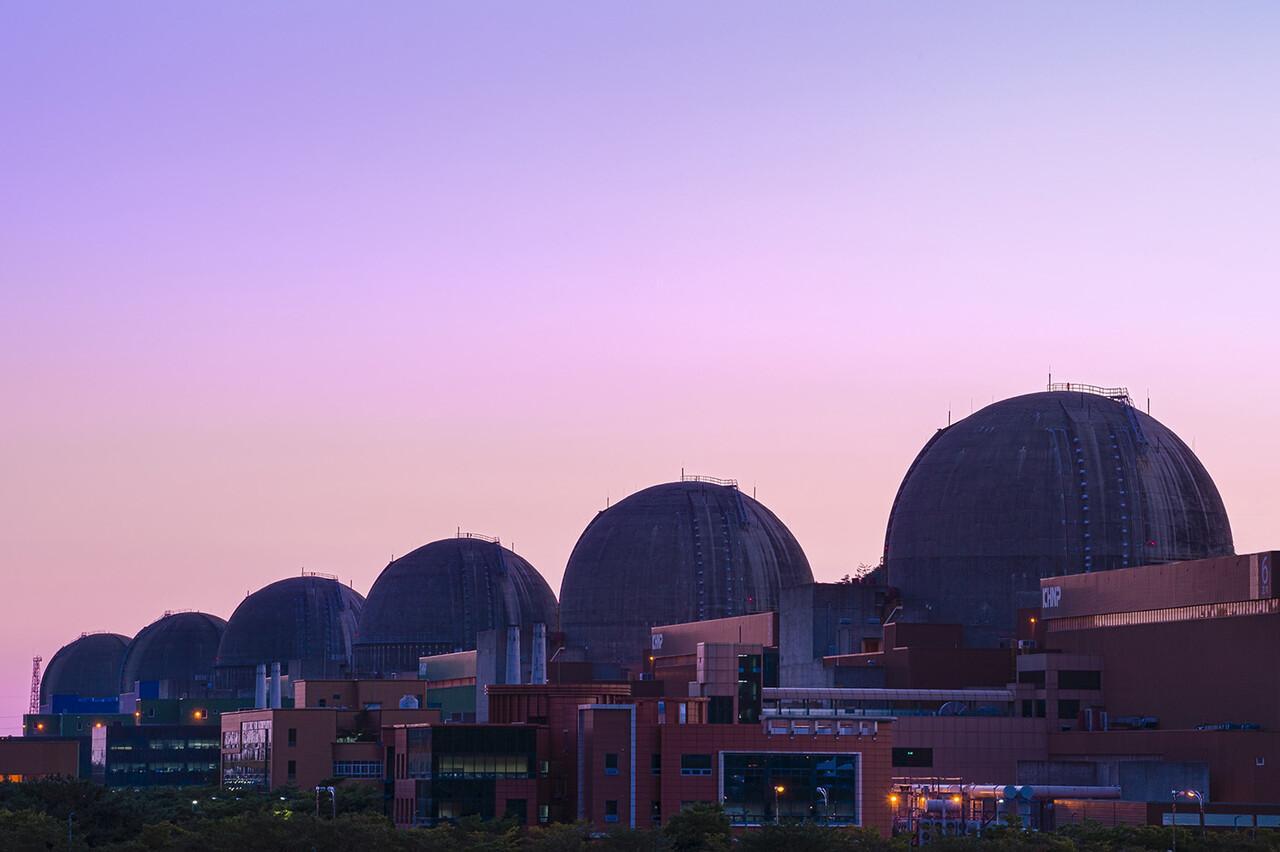
The Hanbit Nuclear Power Plant in Yeonggwang County, South Jeolla Province / Courtesy of Korea Hydro & Nuclear Power
This is the second in a three-part series on challenges facing the planned semiconductor cluster to be built in the southwestern part of the country with a massive investment from Samsung Electronics and SK hynix, and government support for necessary infrastructure. — ED.
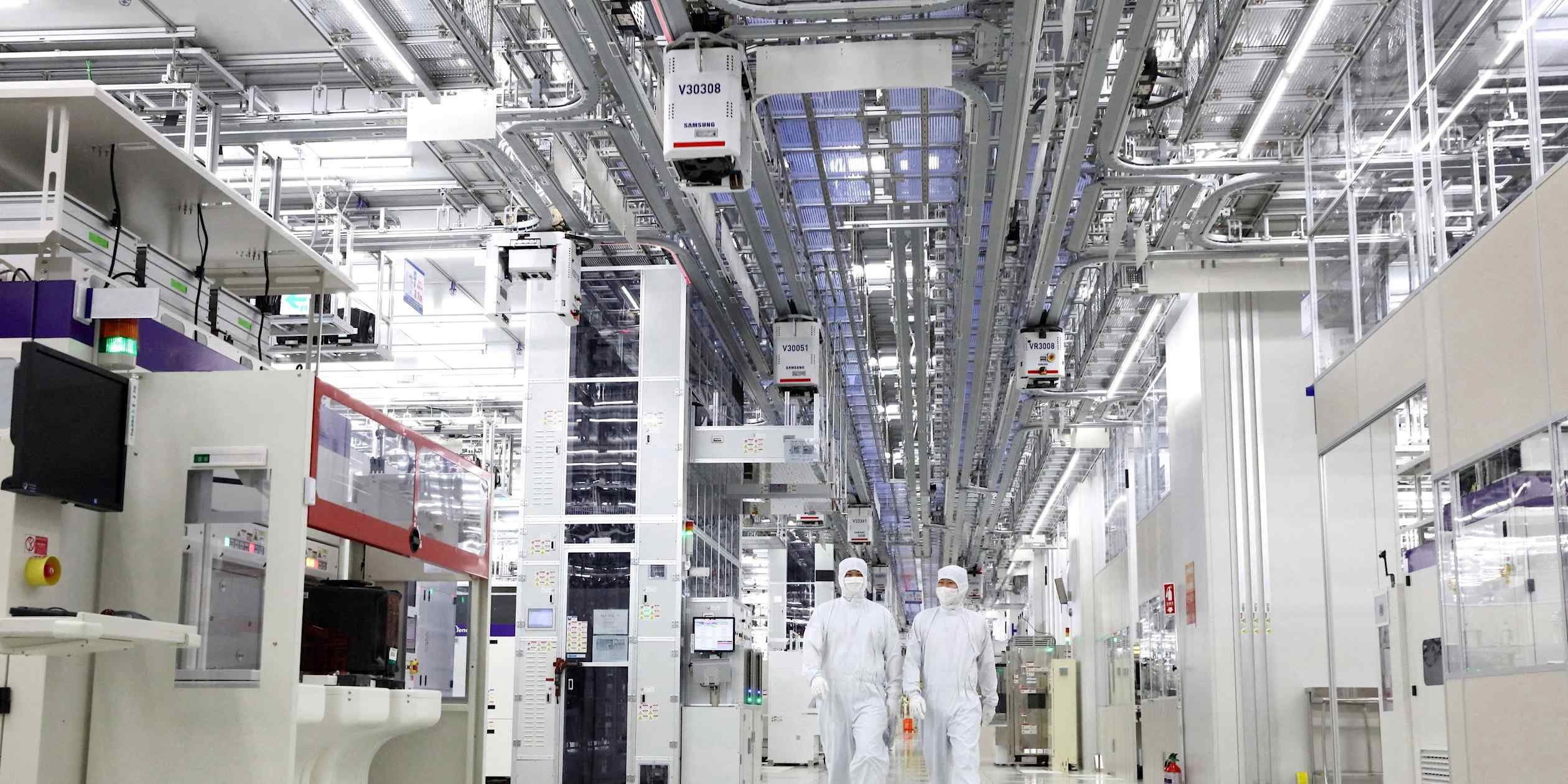
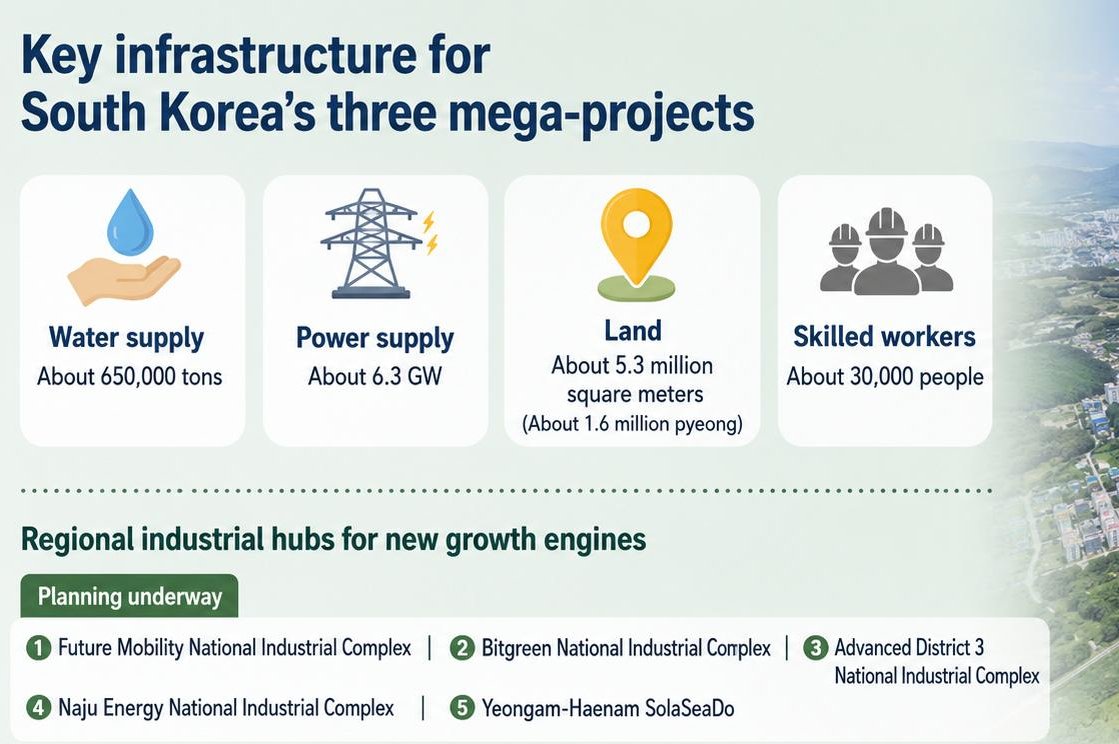
The government's plan to build a massive semiconductor cluster in southwestern Korea to house chip plants for Samsung Electronics and SK hynix is facing growing questions over whether sufficient power can be secured.
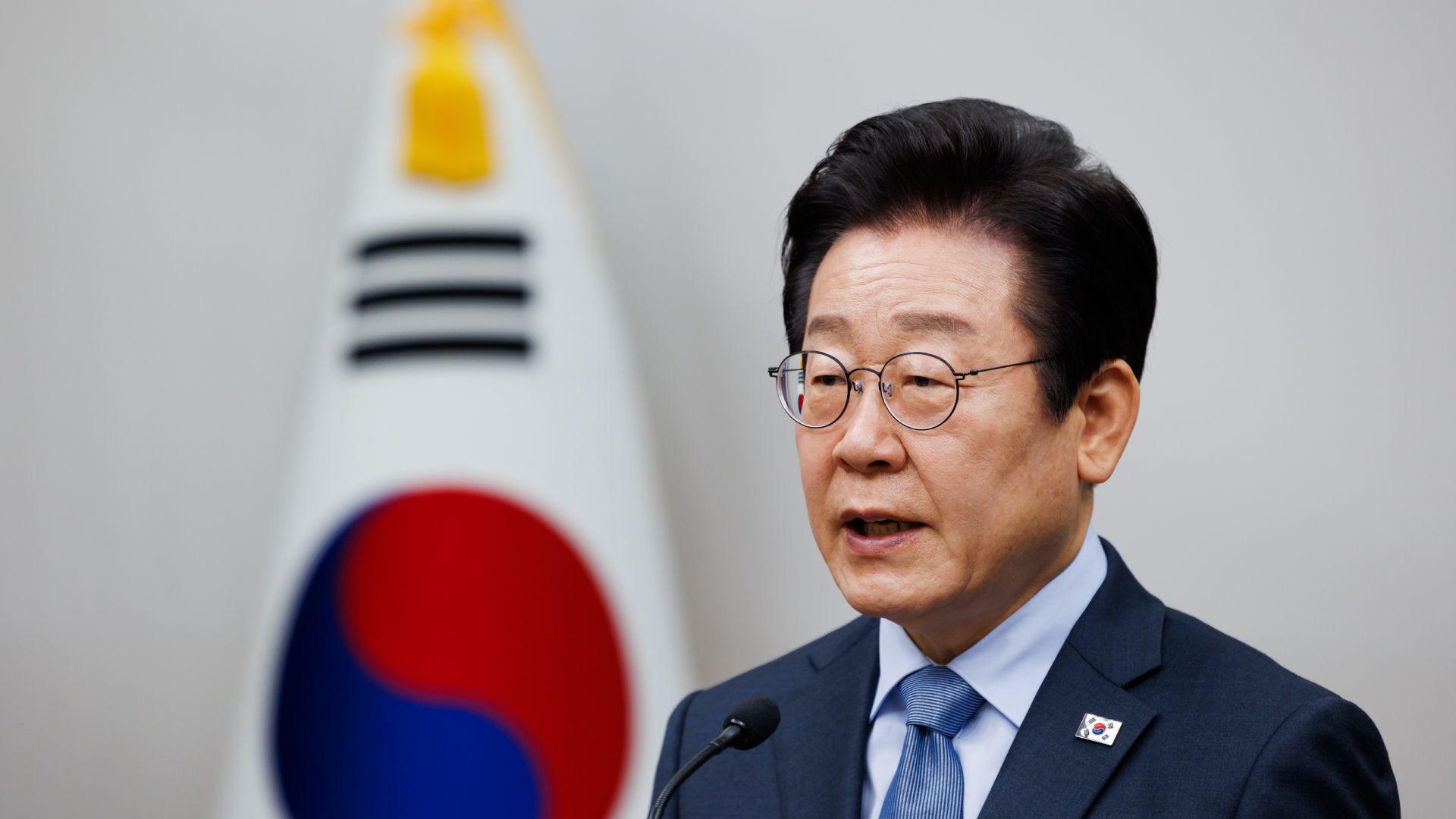
The Lee Jae Myung government is increasingly moving away from its initial policy stance of maintaining the status quo on nuclear power, acknowledging that renewable energy alone cannot meet the project's electricity needs and arguing that additional nuclear power plants are needed.
The challenge is that building nuclear power plants is as complicated and time-consuming as constructing semiconductor fabs. New reactors must clear environmental assessments and address potential opposition from local residents near transmission grids and other facilities, making it uncertain whether additional power generation is possible before the current memory chip upcycle fades or before Lee's term ends.