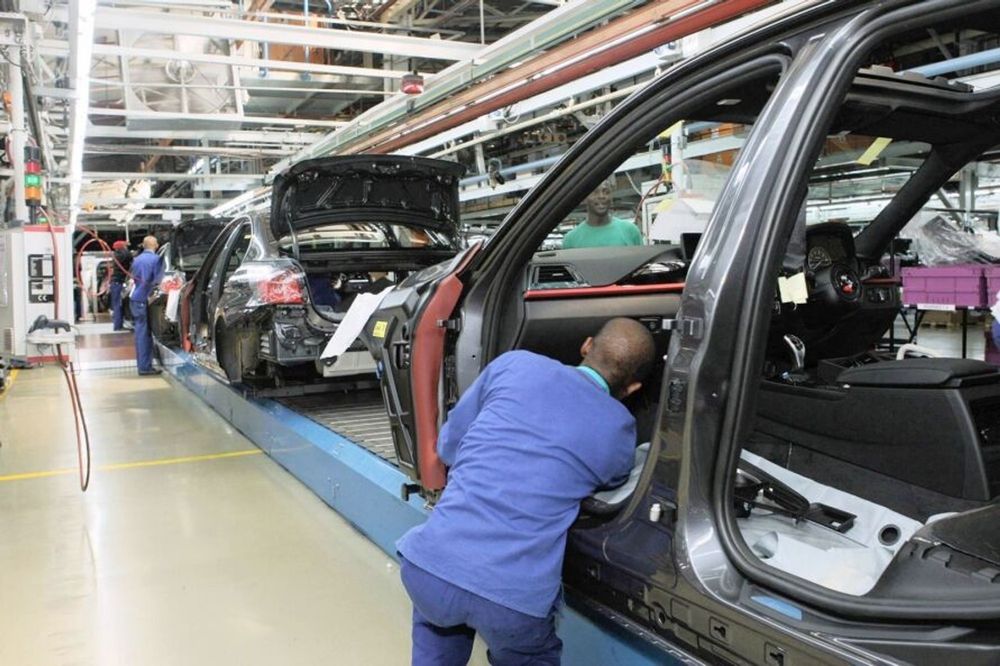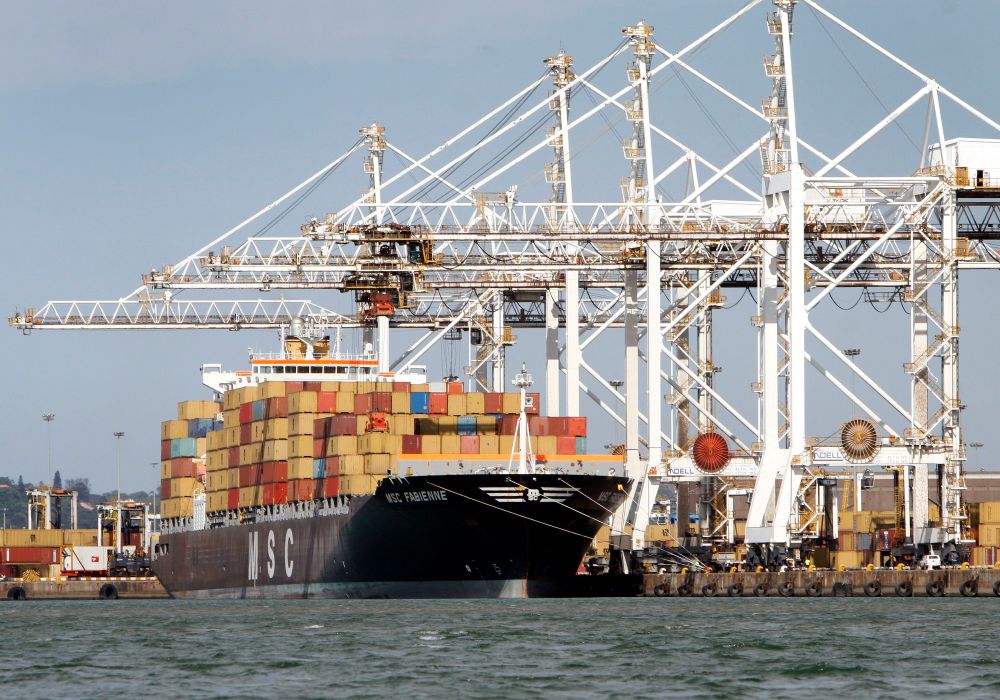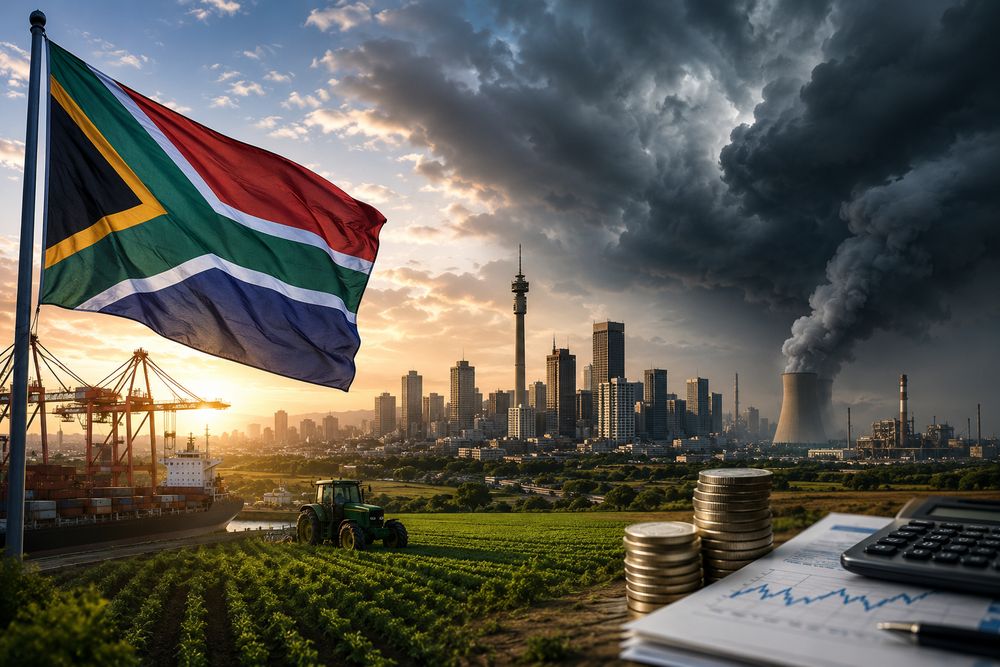
It is obviously good news that South Africa managed a really meaningful GDP growth rise of 0.5% in the first three months of this year, beating the 0.4% figure in the last quarter of 2025 that got business and government leaders really excited about recovery and the green shoots of reform. Stats SA said on release of the first-quarter numbers that agriculture and finance had done particularly well, as they have been doing for a while. But manufacturing crashed, again, this time by 0.8%. The Stats SA report followed hot on the heels of the publication by the department of trade, industry & competition of a new Industrial Development Strategy, which specifically relies on manufacturing to get the country growing and deal with unemployment and poverty. It’s hard to read the latest industrial strategy without a sense of dread. This version is a revision of former minister Ebrahim Patel’s strategy also to use manufacturing for the greater glory of the interfering state. He used sector master plans, which the revised version acknowledges haven’t really worked that well. This time the brains trust in the department is going to use a more thematic approach — decarbonisation, digitalisation and diversification — to get the country’s machinery going again. All that’s required, it seems, is that government departments should work more closely together to co-ordinate better. It’s a sort of manufacturing version of the district development model (DDM) concocted by former local government minister Nkosazana Dlamini Zuma and welcomed with wild enthusiasm by President Cyril Ramaphosa. The DDM, which pulls municipalities together to share resources, doesn’t work so well, though, and often creates just bigger and bigger areas with no resources. Factories are not much different. You can’t herd cats. In its frenzy to use manufacturing to boost growth and dignity and equality, and all the other things the ANC dreams about, it does little more than show how old and out of touch it is. Industrial policy mattered in the 1960s and 1970s. There’s a view that Donald Trump is reviving it, but like much of what Trump does, it’s mainly hot air. The department’s new strategy complains that manufacturing’s complains that manufacturing’s share of GDP in South Africa is falling. And it is, but it’s falling everywhere, and at roughly the same pace. Try the manufacturing share of any country’s GDP between, say, 1980 and 2019 (to avoid Covid): South Africa 23% to 12%. The US 20% to 11%. France 17% to 9%. Australia 18% to 5%. Japan roughly 27%to 21%. India 18% to 13%. Nothing the ideologues in government do is going to change the decline of manufacturing here. It’s just a fact — a relative decline in many parts of the world and, partly, a real one here. In fact, fiddling with industrial policy to get to a perfectly functioning Meccano model may hasten the decline of the real thing. We only have big industries like steel here because the world wouldn’t trade with apartheid South Africa. But back then the black labour that dug the coal that powered the new factories was cheap. It isn’t anymore. Add that to corruption and mismanagement, and our electricity is impossibly expensive. You can see why the new Industrial Development Strategy wants departments to work together. Our politics don’t make that easy, though. The electricity minister is going to protect Eskom from predators wanting cheaper power. We only have big industries like steel here because the world wouldn’t trade with apartheid South Africa. But back then the black labour that dug the coal that powered the new factories was cheap. It isn’t anymore. We’re a great agricultural and mining economy — this stuff is in our bones — and government should single-mindedly drive both. But miners don’t know how to make things, and no amount of fantasising about ores being mined here and then turned into jewellery or carburettors will produce anything we could sell. We need to come to terms with who we are. We can farm almost anything, and if there’s a mineral under our feet the world needs, we can get that out too. But we don’t sit on a huge internal market like the Chinese or the Americans or Brazilians do, and that means there’s less room here for error. Investing in South Africa is more scary, and companies are often more brittle. Messing with them so they fit into some neat vision of industrial perfection, rather than helping them solve their problems, is quite mad. It’s no surprise at all that the new industrial strategy proposes levying export taxes on chrome or chrome ores that are not beneficiated here. Now that the chrome smelters have been awarded cheap new tariffs, they must be shackled in some other way.A government genuinely alive to opportunity, though, wouldn’t be taxing exports of anything. It would be going out of its way to incentivise them so that the exporters make as much money as possible• Bruce is a former editor of Business Day and the Financial Mail.
PETER BRUCE | We need to come to terms with manufacturing’s decline
New Industrial Development Strategy shows how old and out of touch the ANC is
836 words~4 min read