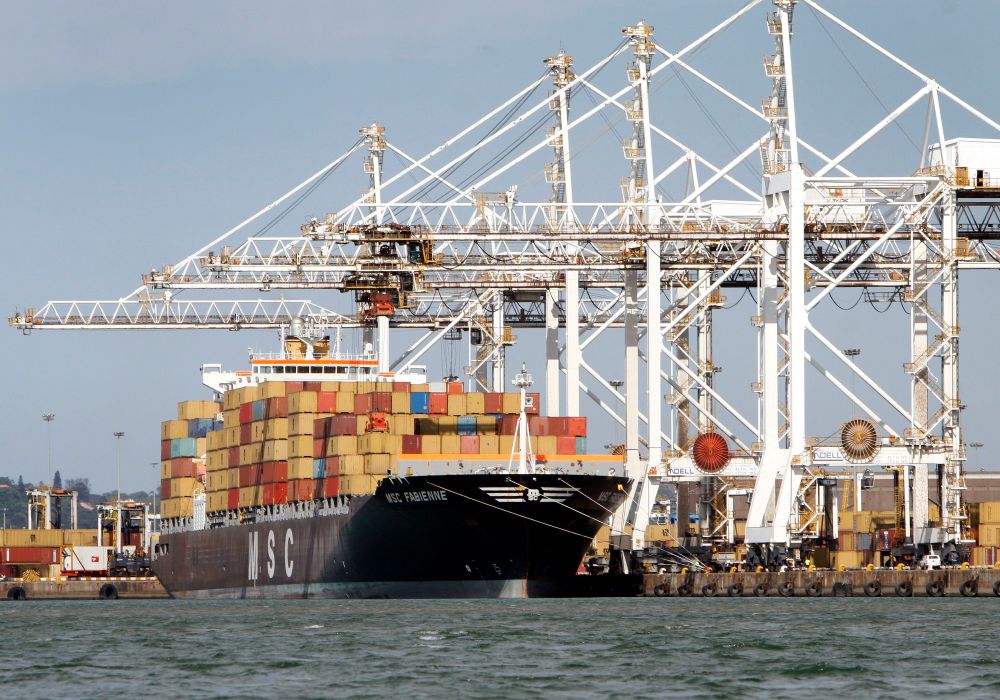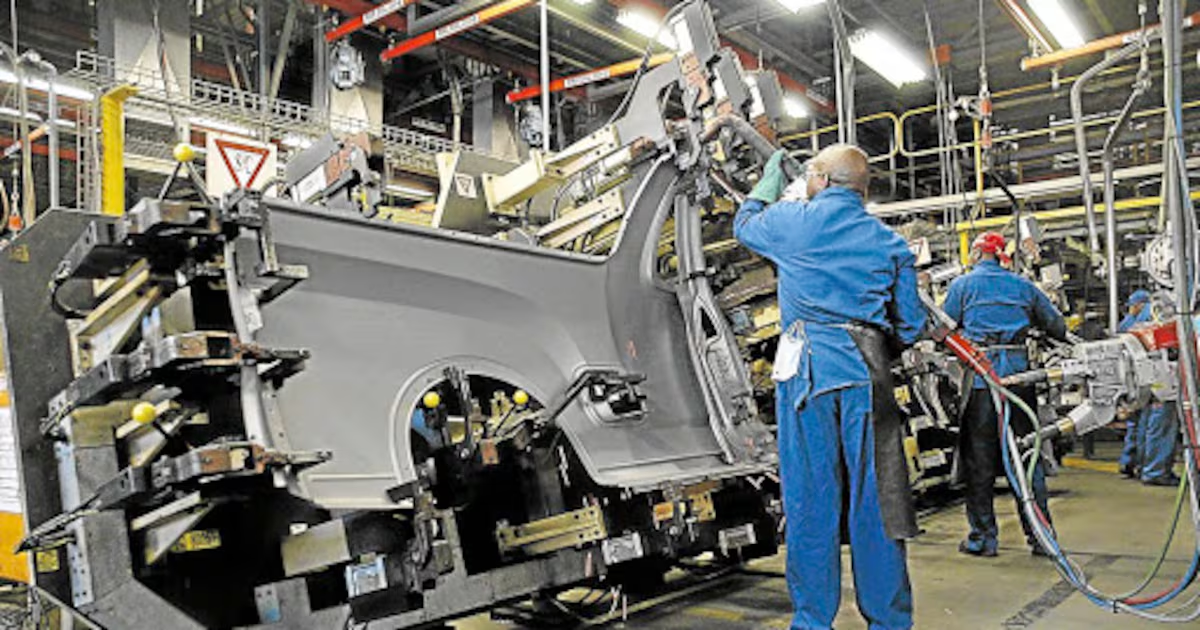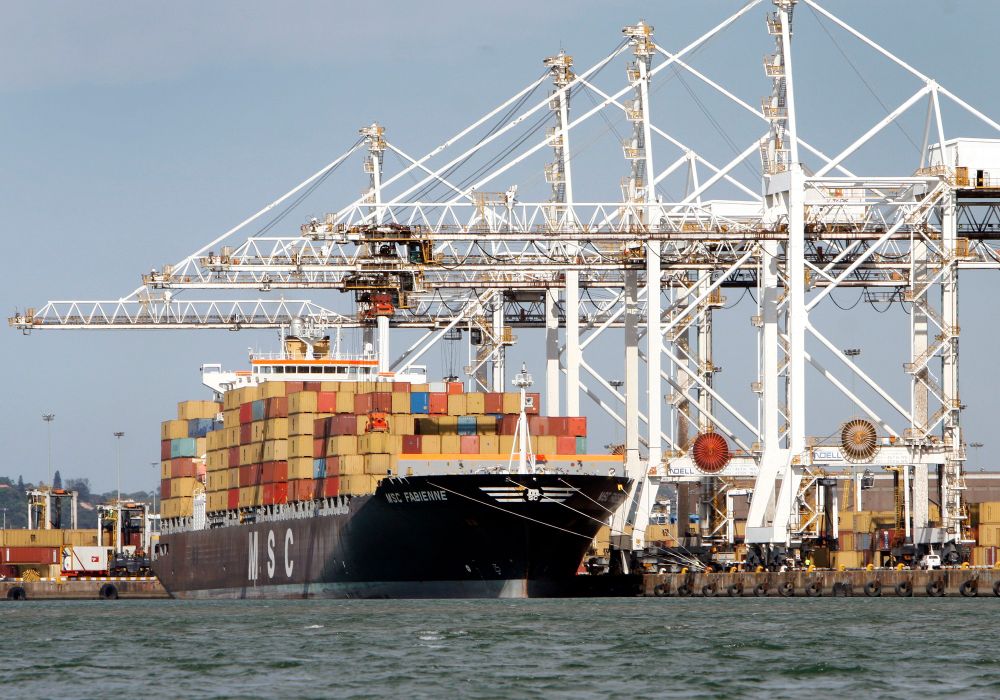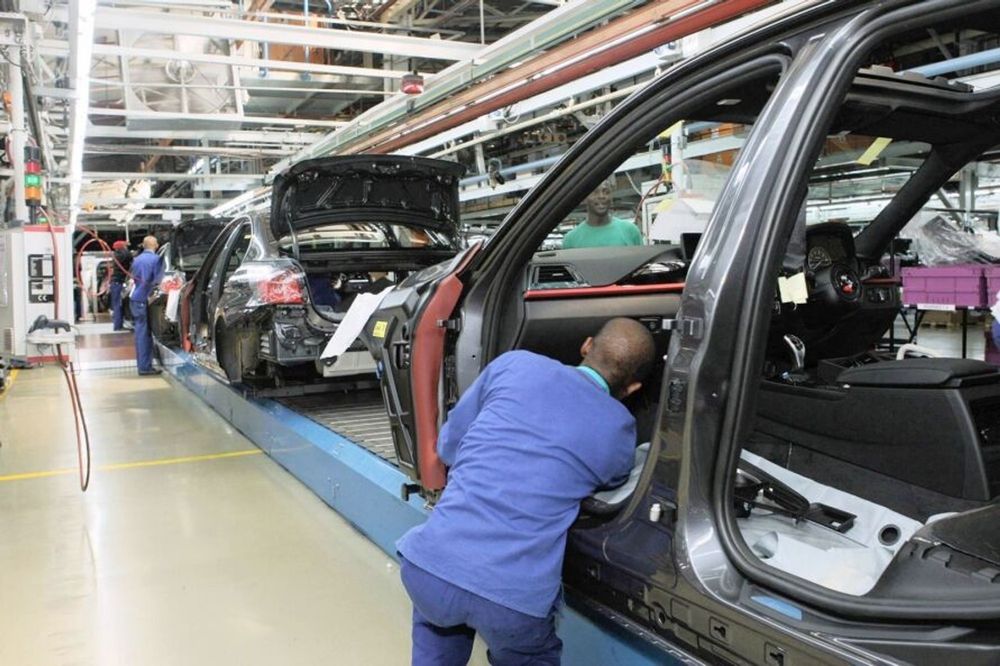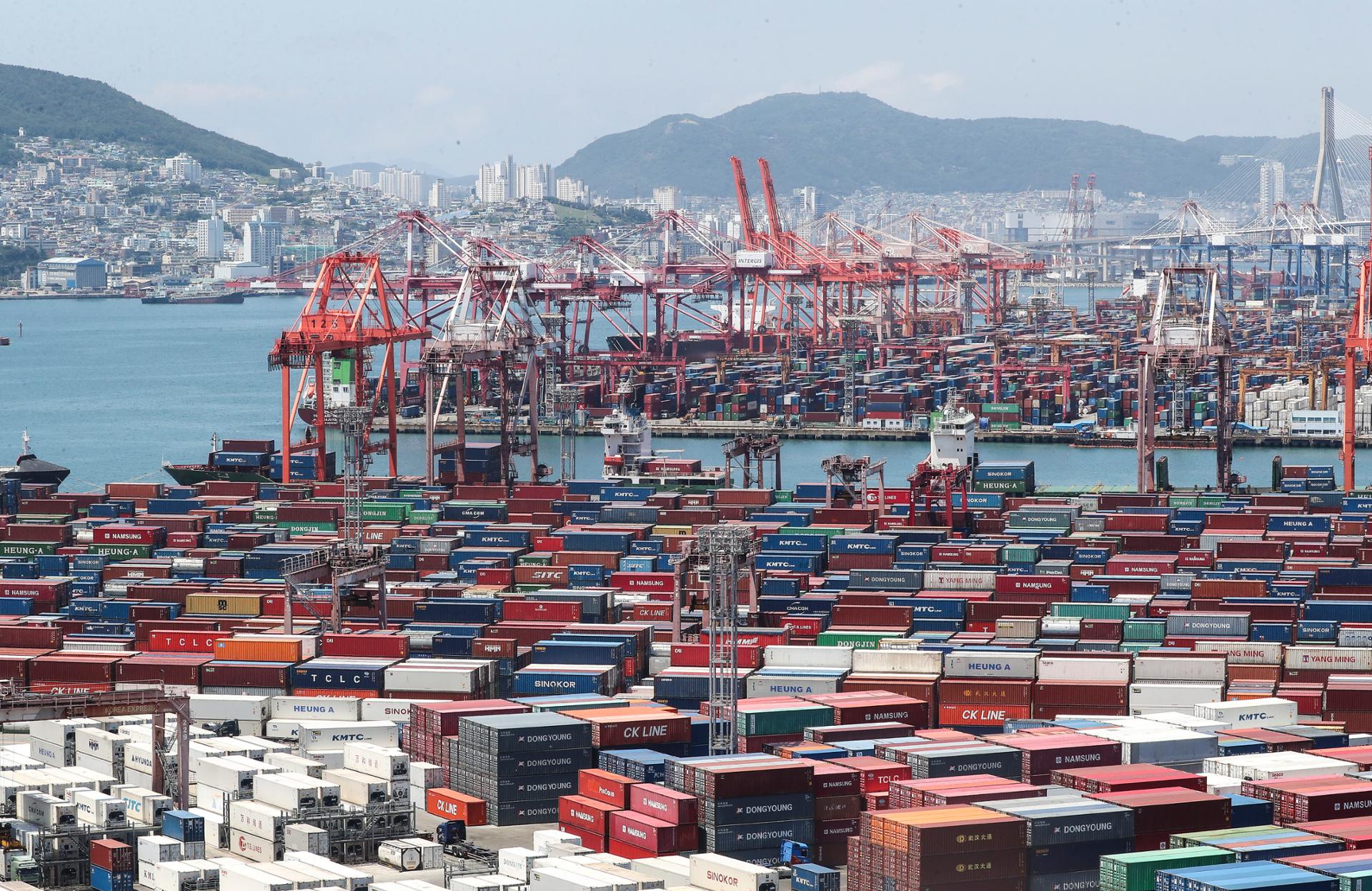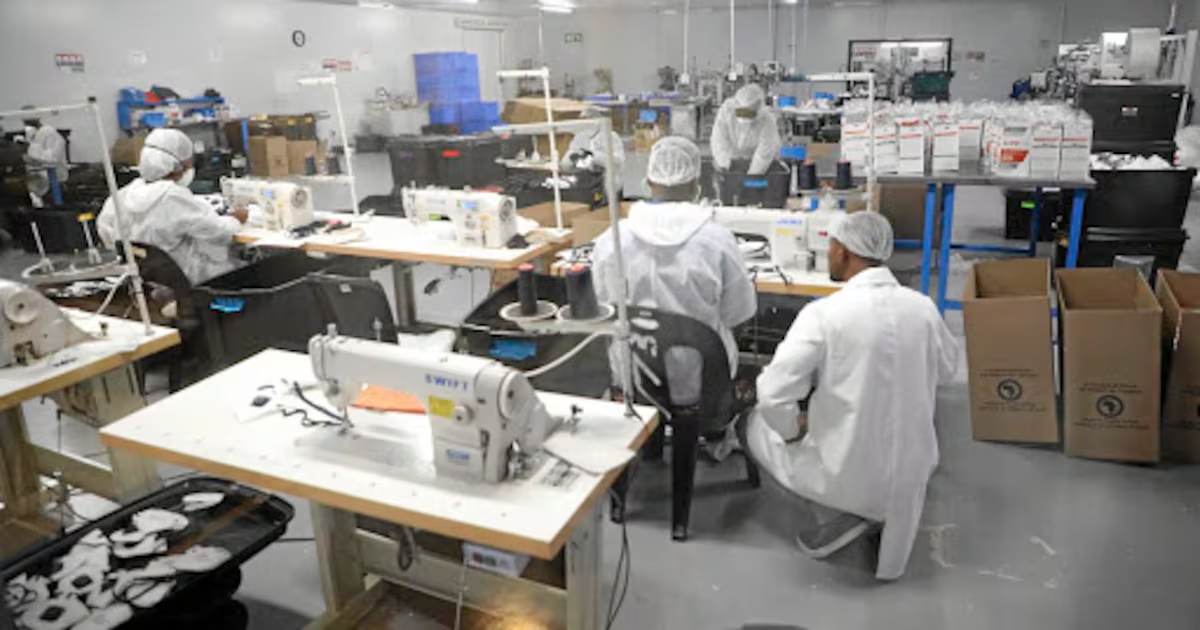
The economy expanded by 0.5% in the first quarter of the year — above expectations — with growth in finance, real estate and business as well as agriculture, forestry and fishing offsetting a contraction in the manufacturing sector, Stats SA said on Tuesday.Economists had predicted growth of about 0.2% in the first three months of the year from 0.4% in the final quarter of 2025, anticipating that rising input costs linked to the Middle East conflict, which has sent fuel prices soaring, would be a drag on GDP.But the economy held up relatively well at the start of 2026, propped up by the finance, real estate and business services industry, which increased by 0.9%, contributing 0.2 percentage points to the overall number. The agriculture, forestry and fishing industries rose 3.9% — accounting for 0.1 percentage points — primarily due to increased activity for field crops and horticulture products.The catering and accommodation industry also ticked higher, as did transport, storage and communication.Manufacturing, however, declined by 0.8%, detracting 0.1 percentage points from first-quarter GDP growth. Five of the 10 manufacturing divisions reported negative growth rates, with the largest negative contributions being petroleum, chemical products, rubber and plastic; basic iron and steel; non-ferrous metals, metal products and machinery; wood and wood products; and paper as well as publishing and printing.Tuesday’s GDP data comes after the government published its revised industrial development strategy, acknowledging South Africa must urgently secure an affordable and reliable energy supply, particularly electricity, and address bottlenecks in its ports, rail and telecommunications networks to get economic growth to 3%.This is the level the economy needs to grow at annually to make a significant dent in unemployment, which edged up to 32.7% in the first quarter of 2026 from 31.4% in the final quarter of 2025.The document notes the gradual deindustrialisation of the economy since the advent of democracy in 1994 has whittled the manufacturing sector’s contribution to GDP to about 13% from around 23%.The economy expanded by a tepid 1.1% in 2025, again weighed down by manufacturing and missing the National Treasury’s estimate of 1.4%. Finance minister Enoch Godongwana forecast a 1.6% increase for 2026 in his February budget but is likely to cut this down in his medium-term budget policy statement in October as higher input costs hinder production.Consumer demand, a key driver of economic growth, is also likely to be muted this year as the South African Reserve Bank keeps interest rates relatively high to try and control inflation pressure stemming from fuel prices.
Economy grows above expectations at 0.5% in first quarter
Relatively strong output from the finance, real estate and business services industry offsets contraction in manufacturing
416 words~2 min read