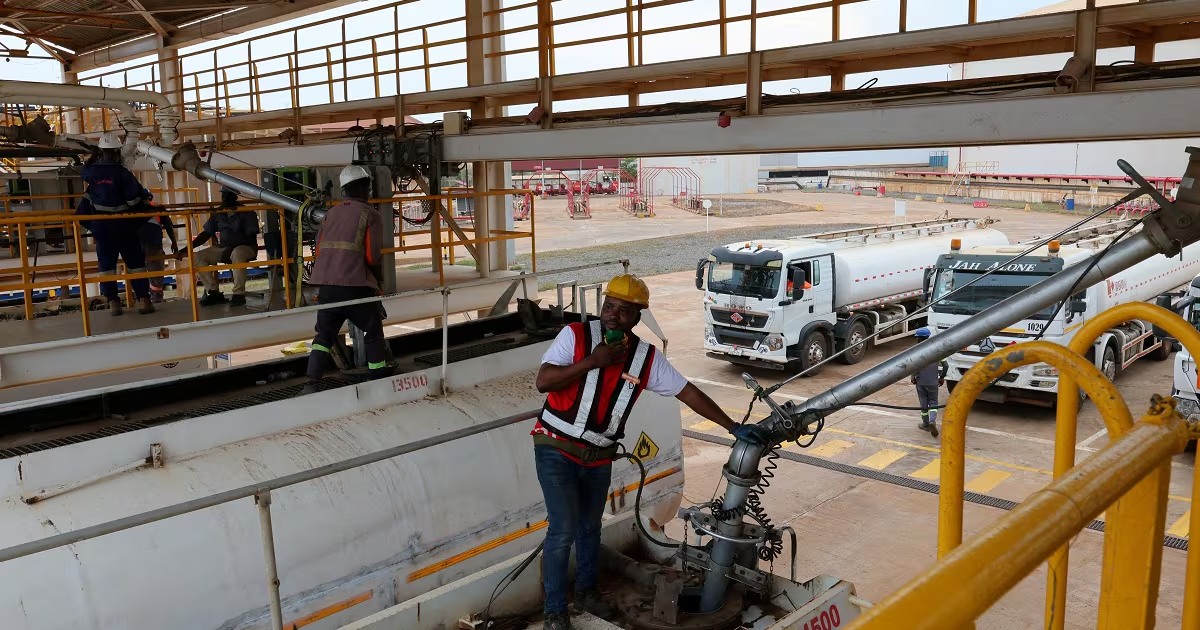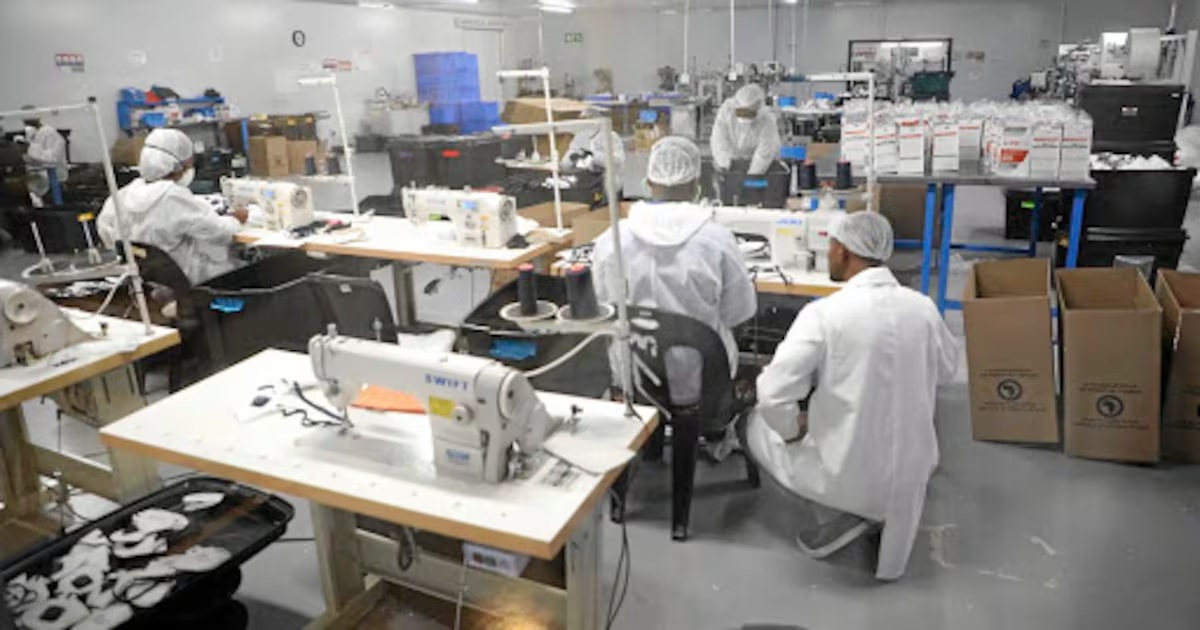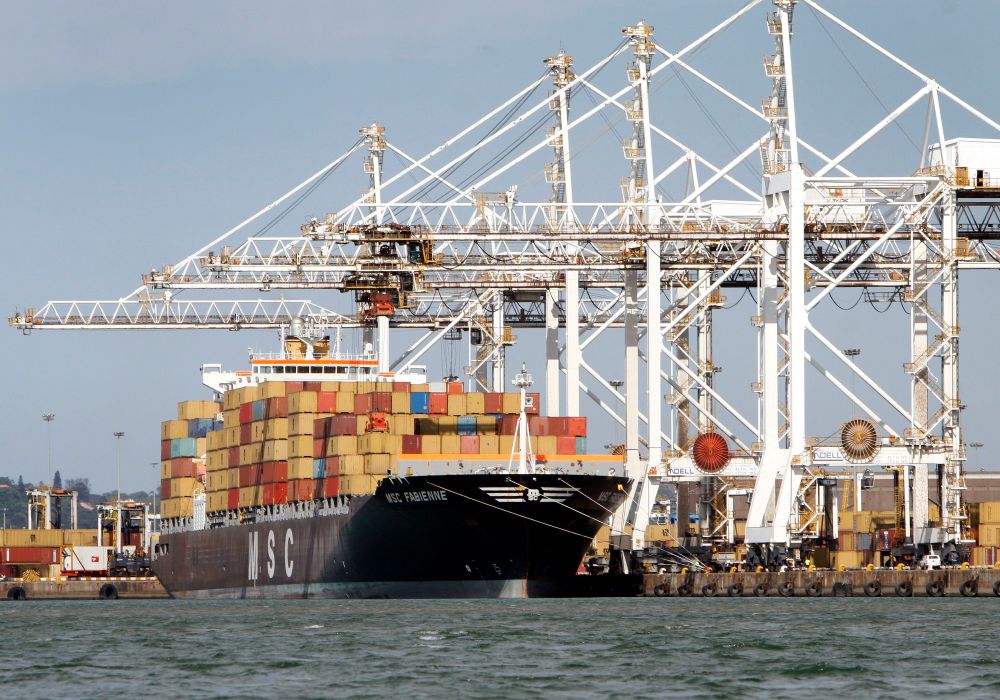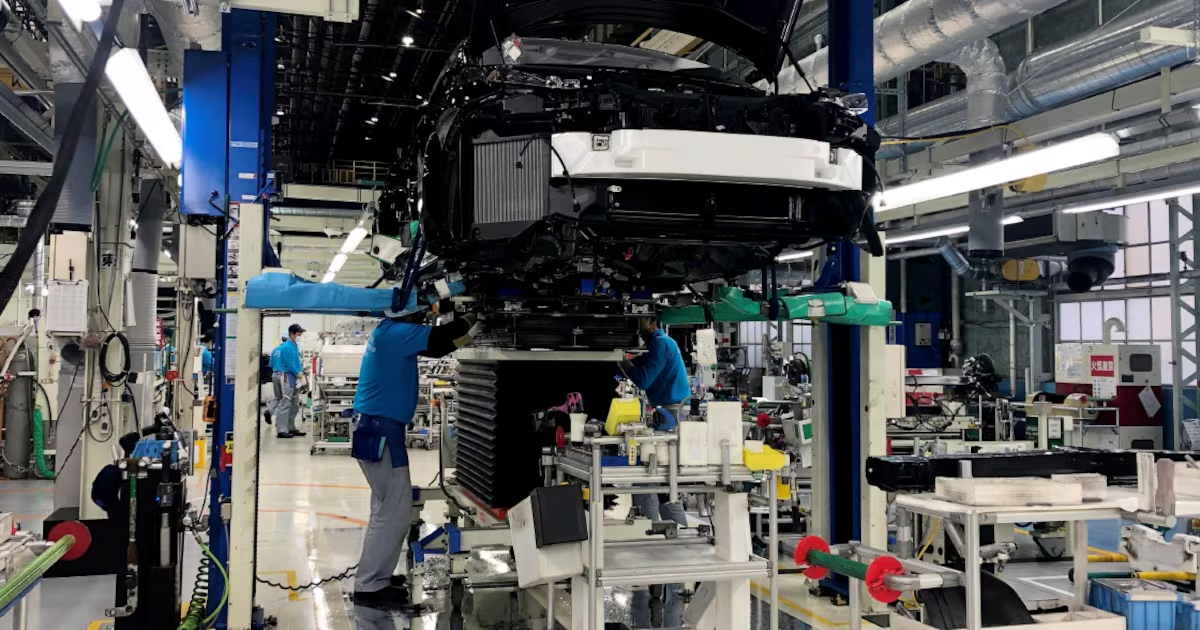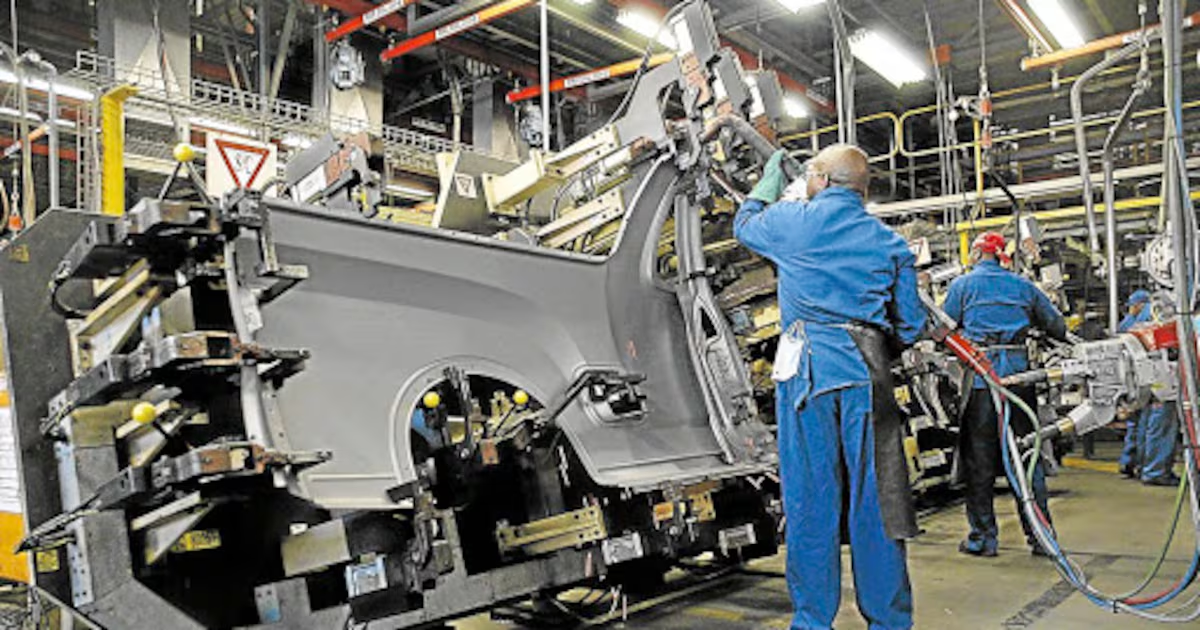
SA’s economic growth likely slowed to about 0.2% quarter on quarter in the first three months of the year, even though the devastating impact of the Middle East war on input costs will not have been fully felt.Data from Stats SA on Tuesday is expected to show the services sector remained the primary driver of growth in the first quarter, underpinned by finance, real estate and business services which benefited from easier financial conditions, economists at Nedbank predicted.“Domestic trade activity also remained positive, though the momentum likely softened, as weakness in accommodation and parts of retail trade partly contained the boost from growth in wholesale and vehicle sales,” they said in a note. “Transport activity improved as both passenger and freight volumes increased. We also anticipate positive contributions from general government and personal services.”The commercial bank expects 0.2% GDP expansion in the first quarter from 0.4% in the last three months of 2025, as does First National Bank (FNB), with manufacturing production being a significant drag.Stats SA data last month already showed factory output — the fourth-largest contributor to the economy, accounting for about 13-15% — contracted 1% in the first three months of the year compared with the same period in 2025, despite a 0.9% recovery in March.“The manufacturing sector’s drag on GDP growth carried into 1Q26. We have pencilled in modest quarterly growth for the notoriously volatile agricultural sector, reflecting increased crop production, while the foot and mouth disease outbreak might have affected animal production” FNB said.The South African Reserve Bank (SARB) will on Wednesday release its June financial stability review, an assessment of the stability of the country’s financial system.Another Stats SA report on Thursday will likely show that the March recovery in the manufacturing sector extended to April, albeit muted as the US-Iran war kept input costs elevated.This is suggested by Absa’s purchasing managers’ index which rebounded in April, though the improvement appears to have been driven in part by temporary factors such as front-loaded demand and precautionary stock-building.On Thursday, Stats SA will also publish mining production numbers most probably showing a modest uptick in April.However, both the mining and manufacturing sectors will this year almost certainly not return to their levels before the Covid-19 pandemic, Investec economist Lara Hodes said.“Both industries remain heavily exposed to structural inefficiencies, and while electricity supply may have improved, electricity tariffs remain exceptionally high. Adding to these already elevated cost structures is the explosion in fuel prices stemming from the war in the Middle East,” she said.“Rising fuel prices will directly impact production costs through fuel used for operations and transport, and potentially indirectly through increased wage demands. For mining, there are some offsets. Commodity prices in segments such as PGMs and gold remain elevated, while external demand for certain commodities, like chrome and magnesium, remains resilient. Manufacturing appears less likely to emerge favourably.”On Thursday the SARB will publish the balance of payments report for the period ended March, outlining the state of South Africa’s current account in the first quarter.The current account, which shows the country’s net flow of income, goods, services and unilateral transfers, swung to a surplus of 0.6% of GDP in the fourth quarter of 2025 from a deficit of 0.9% in the third, helped by a positive trade balance.“The current account surplus likely narrowed slightly to 0.4% of GDP in Q1, down from 0.6% in Q4, reflecting a softer trade surplus. Additional pressure likely stemmed from a wider non-trade deficit as income and services outflows grew significantly faster than corresponding receipts,” Nedbank said.
ECONOMIC WEEK AHEAD | Services expected to drive lacklustre first-quarter GDP growth
Factory output's drag on growth carries into first-quarter GDP
588 words~3 min read