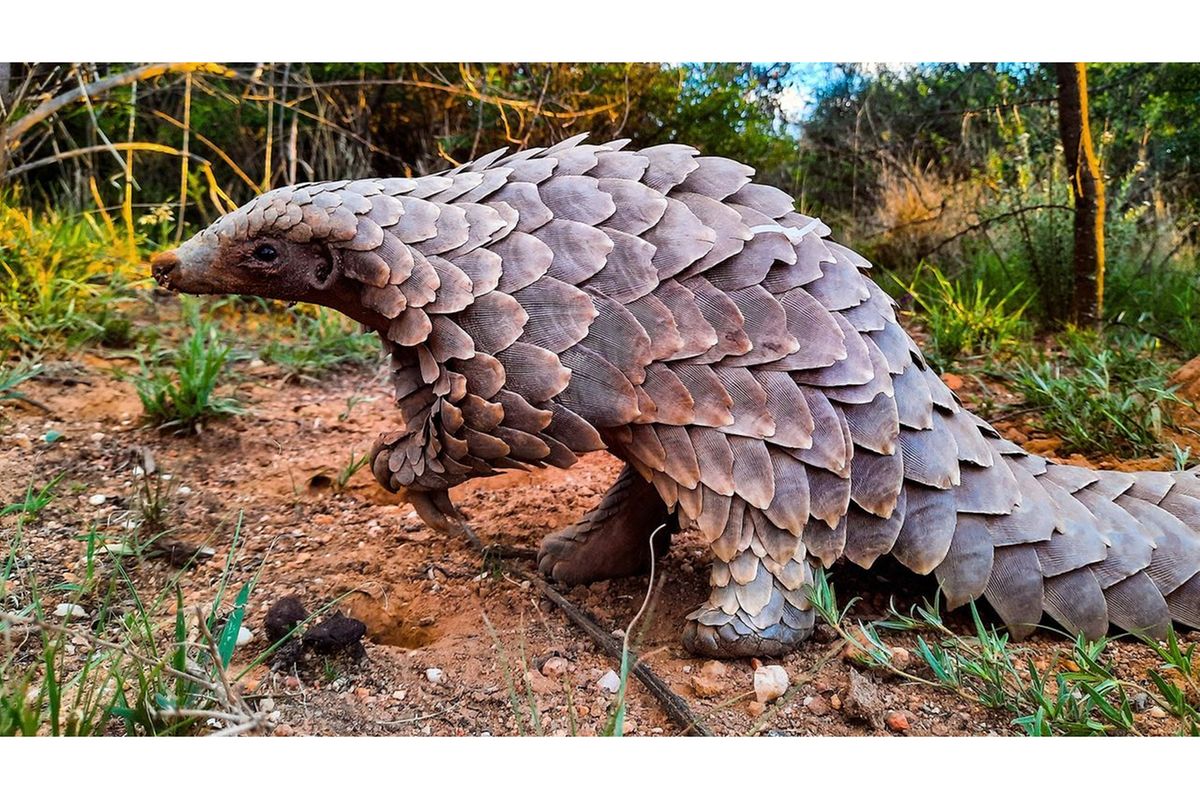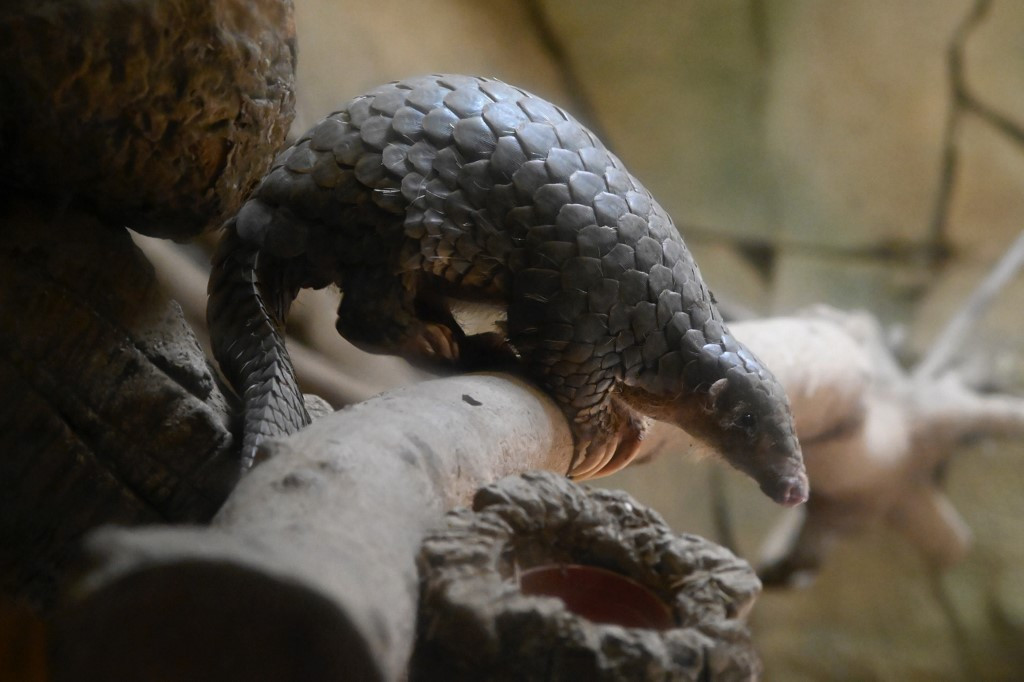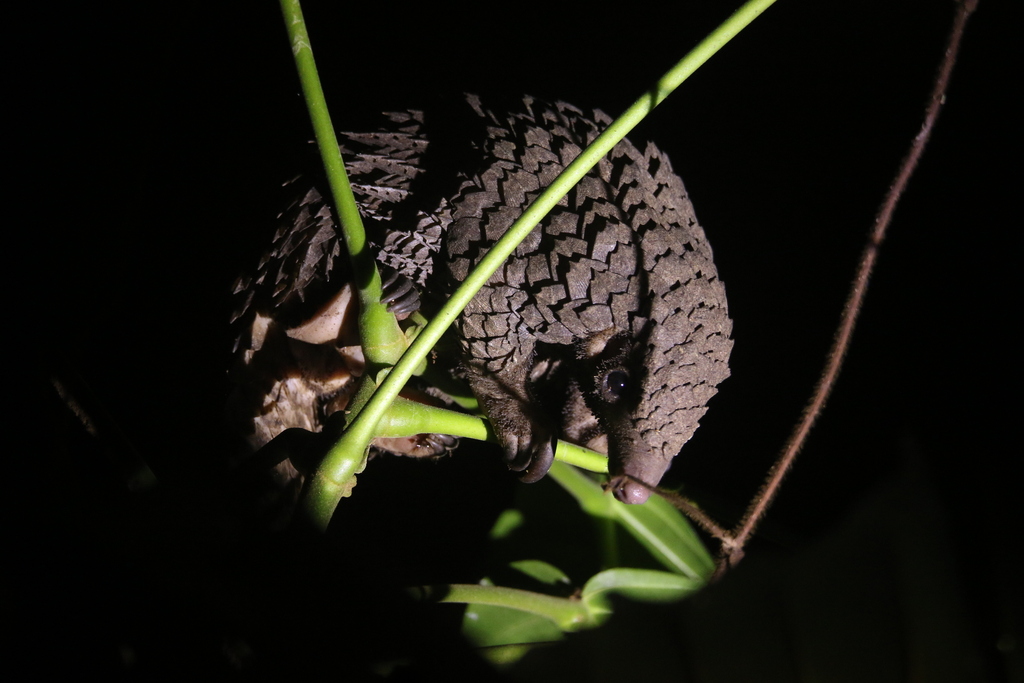
A recent report from the Wildlife Justice Commission analyzed trends in ivory and pangolin scales trafficking from Africa over the past decade using seizure data and found that the COVID-19 pandemic significantly disrupted the illegal trade, with fewer significant seizures reported post-pandemic.The report attributes this dip to pandemic-induced lockdowns, increased law enforcement and intelligence gathering, successful prosecutions, and declines in the prices of ivory and pangolin scales.While Nigeria has been a major export hub for both commodities, the report finds that trafficking hotspots are shifting to other countries such as Angola and Mozambique, which have historically been hubs of the rhino horn trade.The report recommends that African nations strengthen law enforcement and intelligence gathering, dismantle crime networks by targeting those at the top tiers of these networks, and foster better cooperation between countries and other organizations to address trafficking.
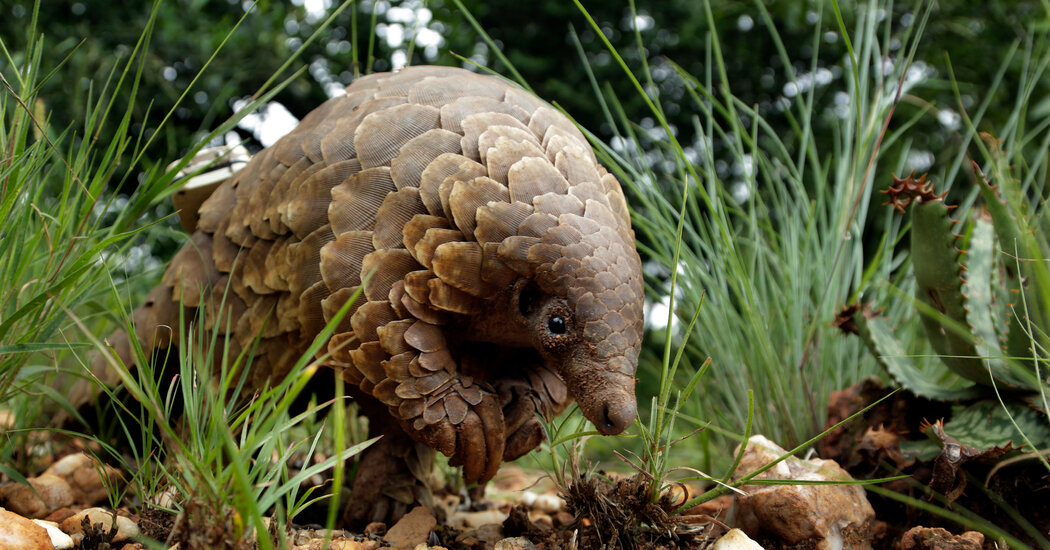
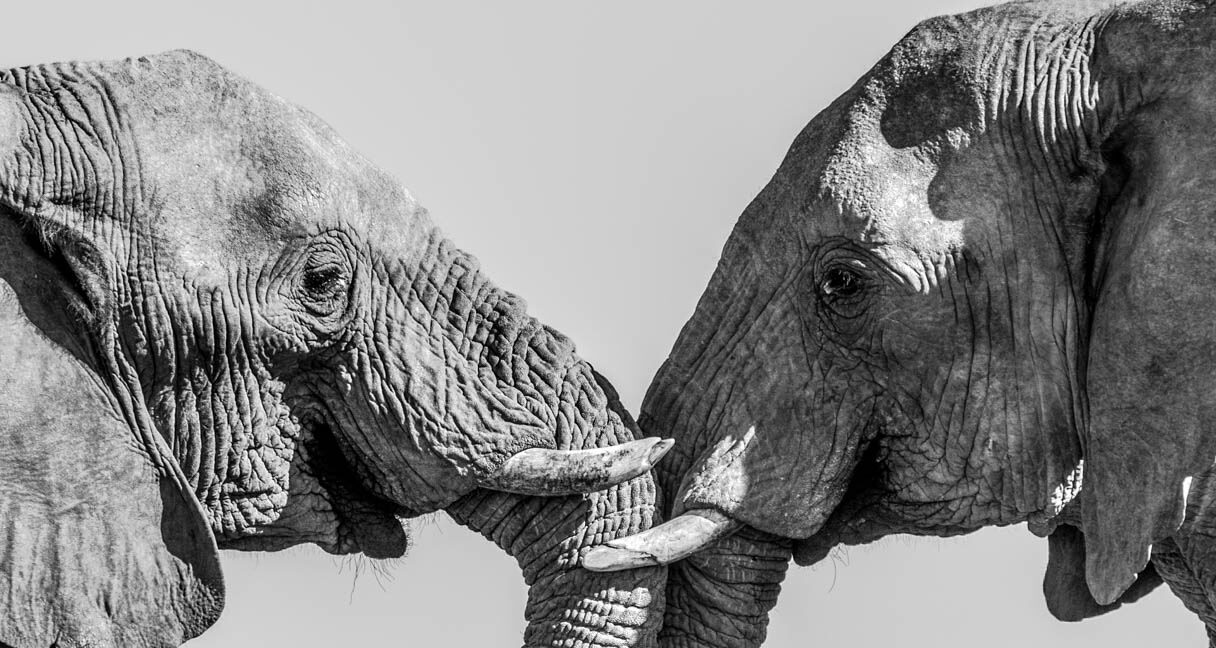
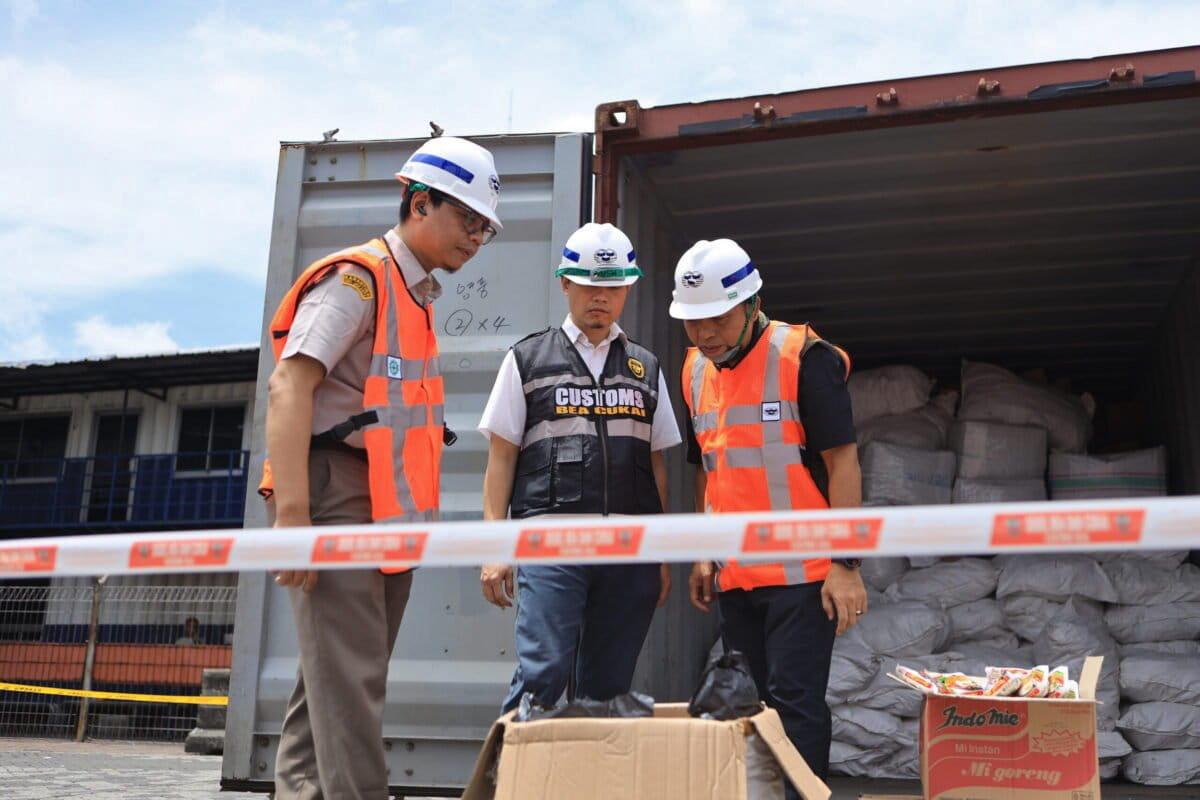
A recent report surveying seizures of pangolin scales and elephant ivory over the past decade has found a sharp decline following the COVID-19 pandemic. Using data from media reports, public documents, and criminal intelligence and investigations, analysts at the Wildlife Justice Commission (WJC) found authorities seized more than 370 metric tons of pangolin scales and 193 metric tons of elephant ivory between 2015 and 2024.