An emerging narrative is that elephant poaching has declined, yet evidence shows that the illegal trade in ivory persists, and that the involvement of organized crime in it keeps growing.Despite big and news-making seizures of illegal ivory recently, criminal networks continue operating, and southern Africa appears to be back at the illegal global trade’s center.“The current narrative that the situation is under control should not be accepted without question,” a new op-ed for World Elephant Day 2026 argues.This article is a commentary. The views expressed are those of the author, not necessarily of Mongabay.
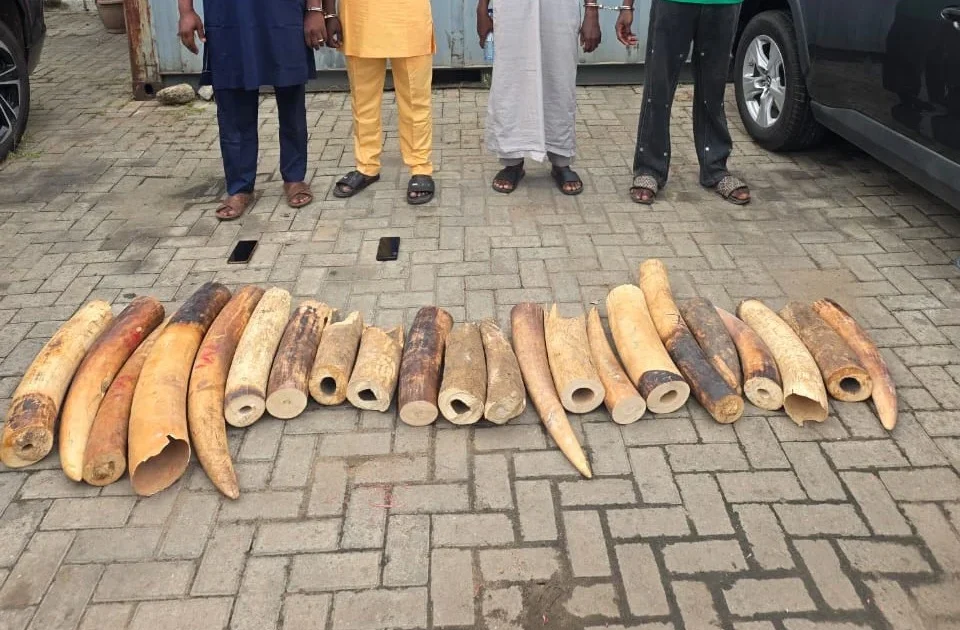
In early March 2026, acting on intelligence shared by my organization, the Environmental Investigation Agency UK, Zambian authorities seized a consignment of more than 500 kg (over 1,100 pounds) of ivory and arrested a suspect with long-standing links to regional ivory trafficking operations. One of the suspects involved in the case was convicted in 2019 for possession of more than 200 kg (almost 441 lbs) of ivory and was sentenced to five years in prison in 2020. He was released after a matter of months and has continued trading ivory ever since.
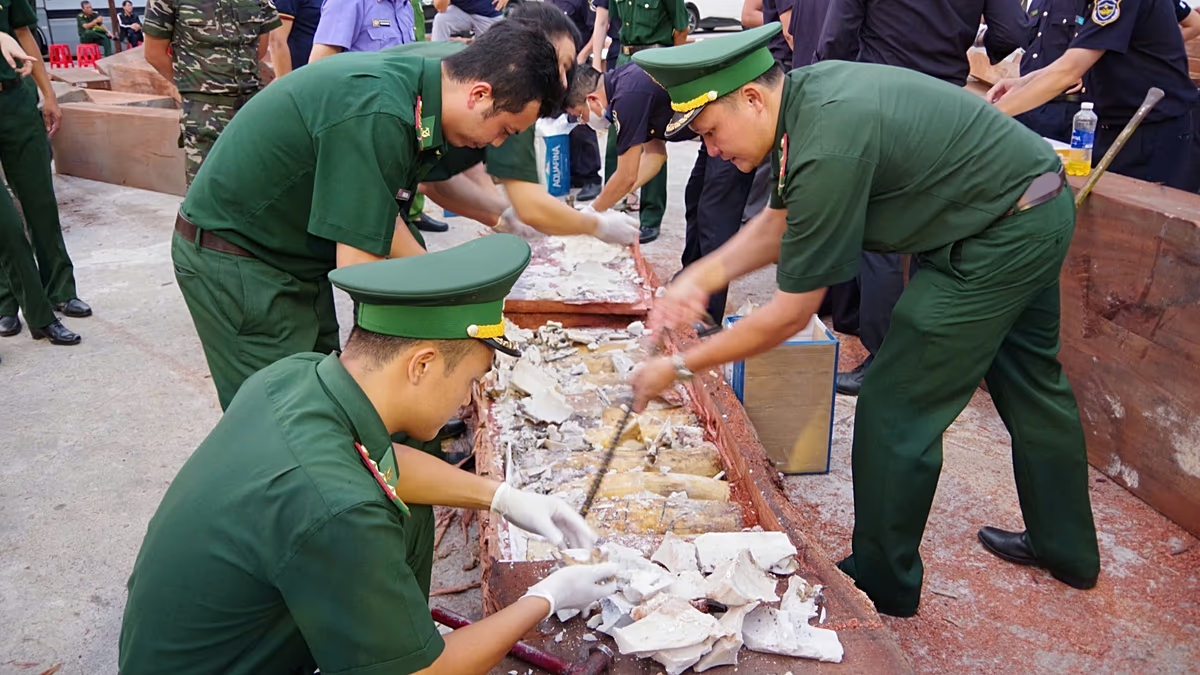
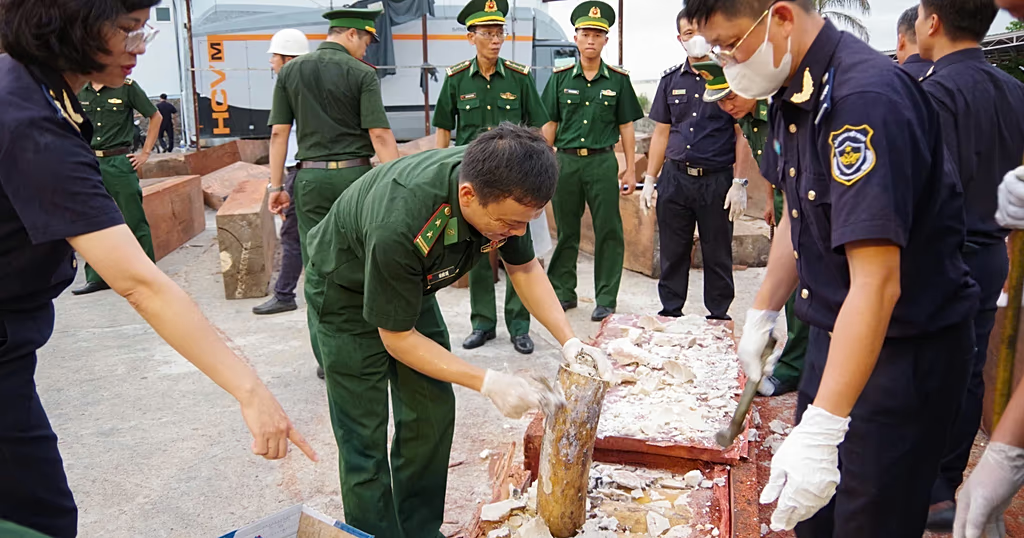
So, Zambia, which has been exploited by criminal networks operating with relative impunity since at least 2002, is under the spotlight once again. Of particular concern is the involvement of Congolese criminal groups, which continue to operate across Zambia and the wider region, sourcing and moving wildlife products including elephant ivory, rhino horn, pangolin scales and big cats along complex transnational routes toward Asia, with Vietnam often serving as a key transit hub to other destinations.