All stakeholders should do more to contain the scourge
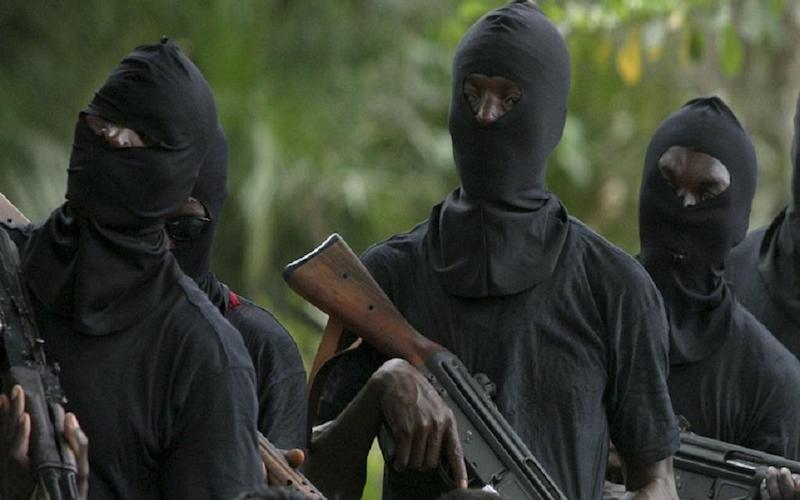
Across the country today, the act of kidnapping for ransom has become a growing industry. From ordinary citizens to businessmen and traditional rulers, nobody is safe. Many of the victims have also been killed even when their families paid the demanded ransom for their release. The kidnappers have no regard for age, class or personality as what matters to them is the perceived ransom value of their victims. But many also will point to the way the Oyo State police command rescued Olaide Adegoke John-Paul and her 12-year-old twin sons and arrested four suspected members of the gang linked to their abduction as evidence that when prominent people are involved, the security personnel almost always deliver. John-Paul is a younger sister to the former Minister of Power, Adebayo Adelabu.
Today, many Nigerians can no longer move around freely or even spend quality time with their family without the psychological fear of the dreaded kidnapper lurking around the corner. The concomitant effect of all this is that while citizens live in perpetual fear, investors take their businesses elsewhere. Meanwhile, when this whole madness started, the targets were rich businessmen, politicians, and other well-heeled professionals. But kidnappers have since come to the lower bracket. So prevalent is the crime that the African Insurance Organisation (AIO) once designated Nigeria as the global capital for kidnap for ransom, having overtaken countries like Colombia and Mexico that were hitherto front-runners. The crime has also become a thriving industry with a network of support staff.