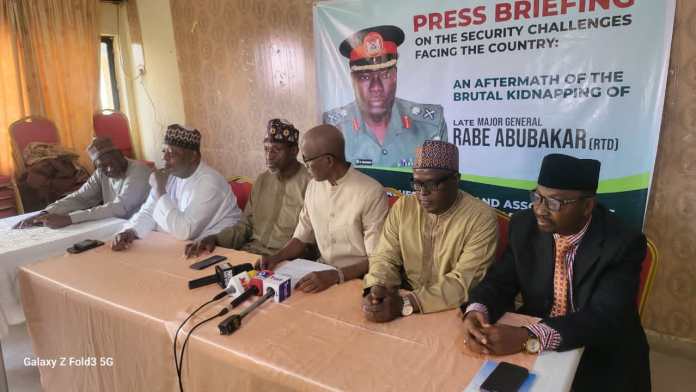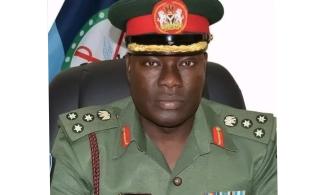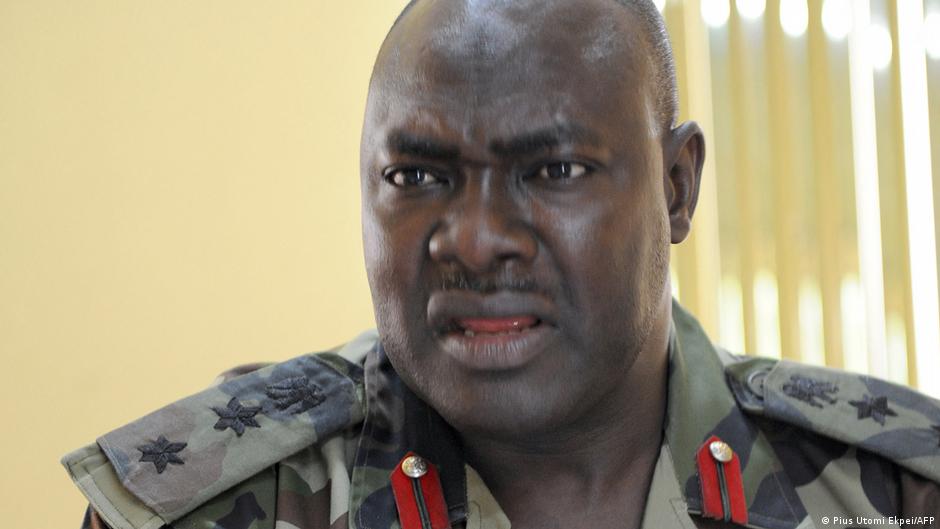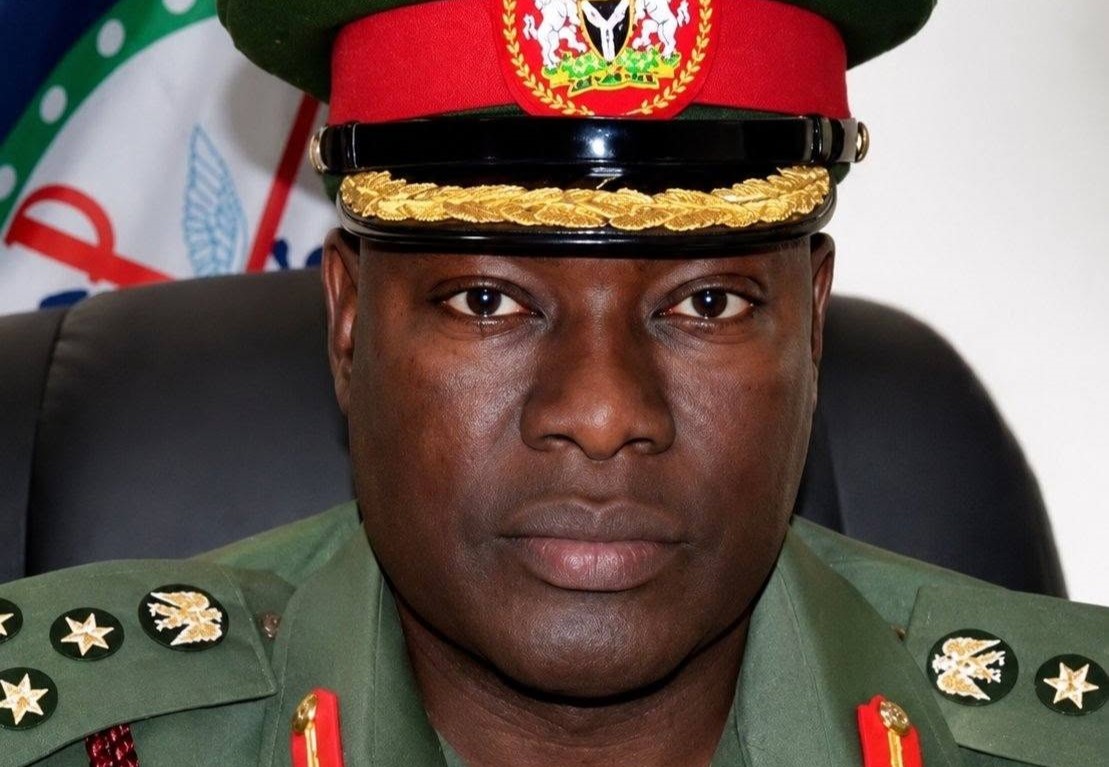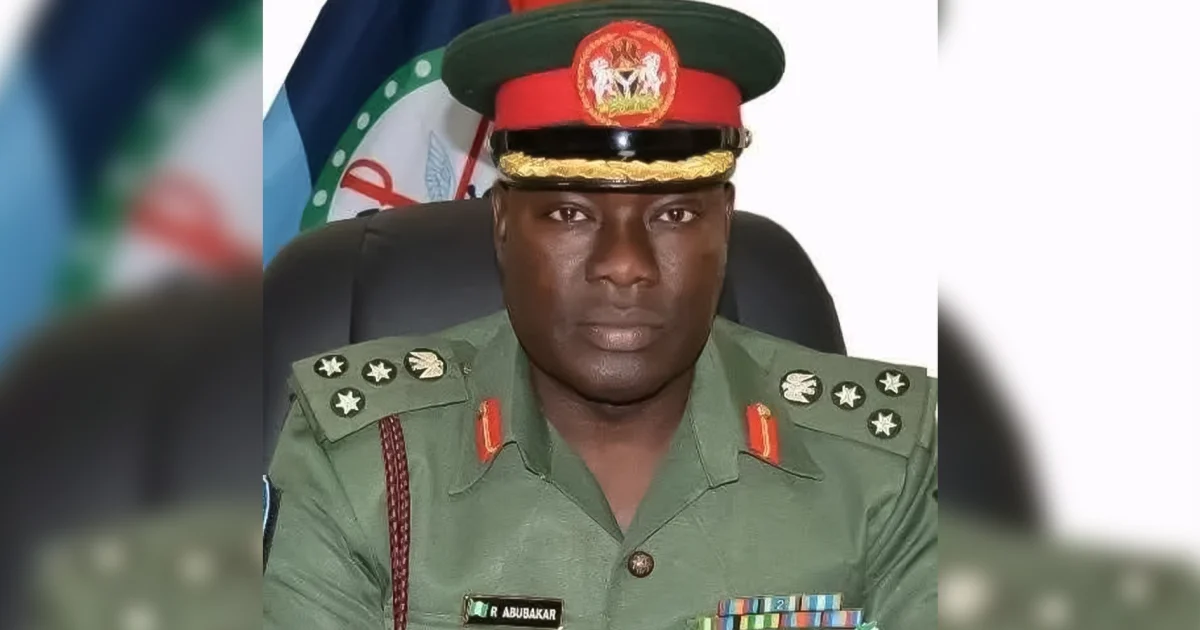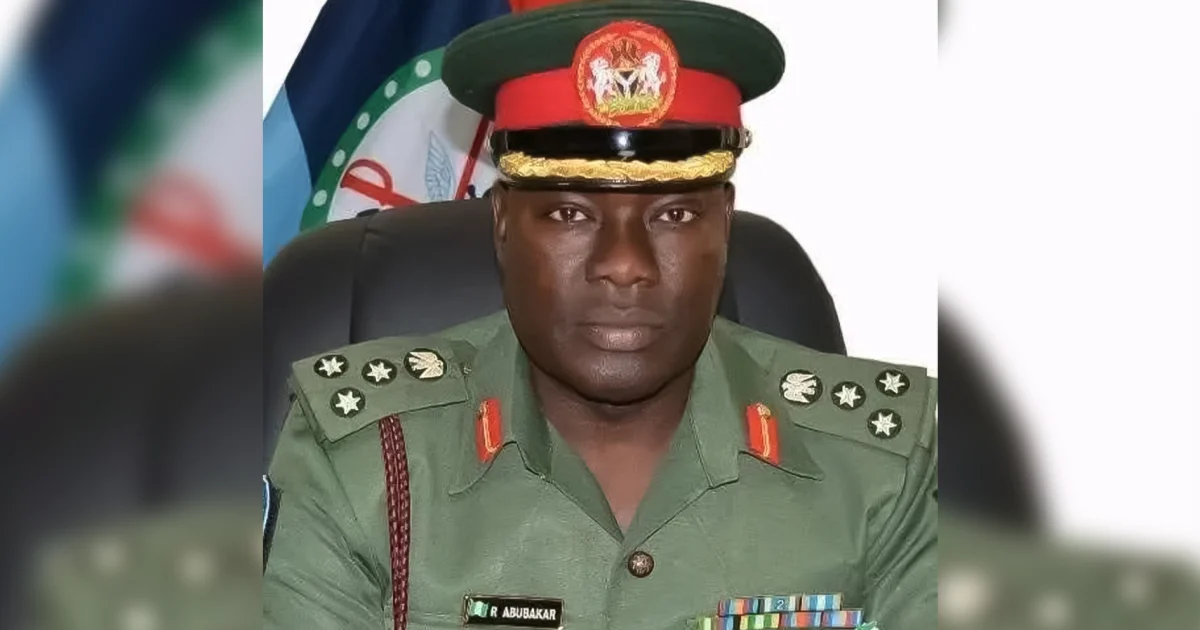
The death of retired Major General Rabe Abubakar in kidnappers’ custody should trouble the conscience of the nation.
Nigeria has, regrettably, become accustomed to tragic headlines. Reports of terrorist attacks on communities, banditry on highways, farmers abandoning their farmlands, and families paying ransoms for abducted relatives have become distressingly routine. Yet every so often, a particular incident forces society to confront uncomfortable truths about the depth of the country’s security crisis. The death of Abubakar is one such moment.
Abubakar was not an ordinary citizen. He was a retired senior officer of the Nigerian Army and a former Director of Defence Information. He belonged to a generation entrusted with safeguarding the country’s sovereignty and national security, and he spent a substantial part of his life in service to that duty.
Yet, while travelling with his wife in Katsina State, he reportedly fell into the hands of kidnappers. Days later, news emerged that he had died in captivity.
Expectedly, the nation mourned. Tributes flowed from government officials, colleagues, and citizens. Condolence messages acknowledged his years of service and sacrifice. But beyond the grief lies a question that Nigerians can no longer ignore: if a retired general can be abducted on a Nigerian road and die in the custody of criminals, what confidence should ordinary citizens have in the state’s ability to protect them?