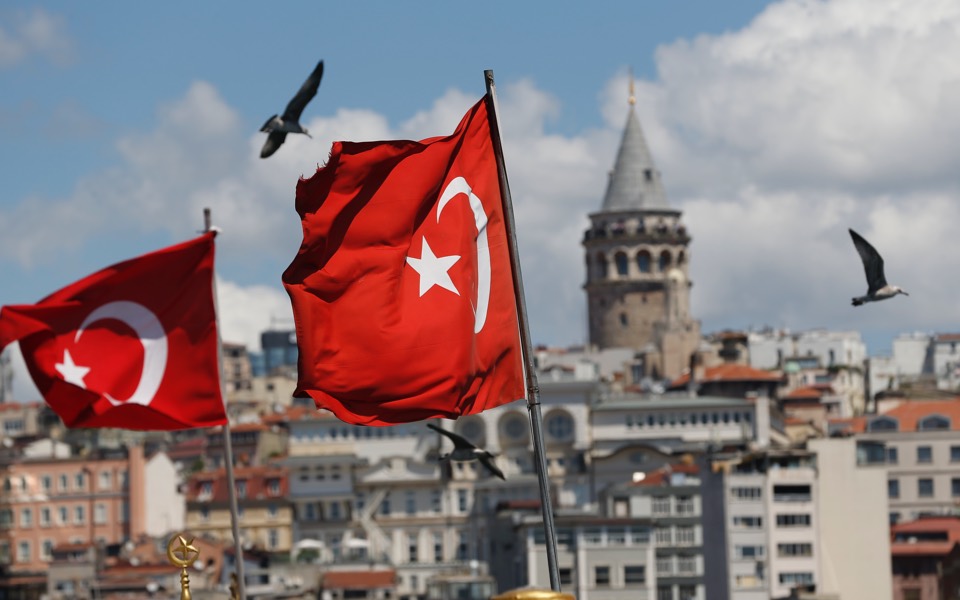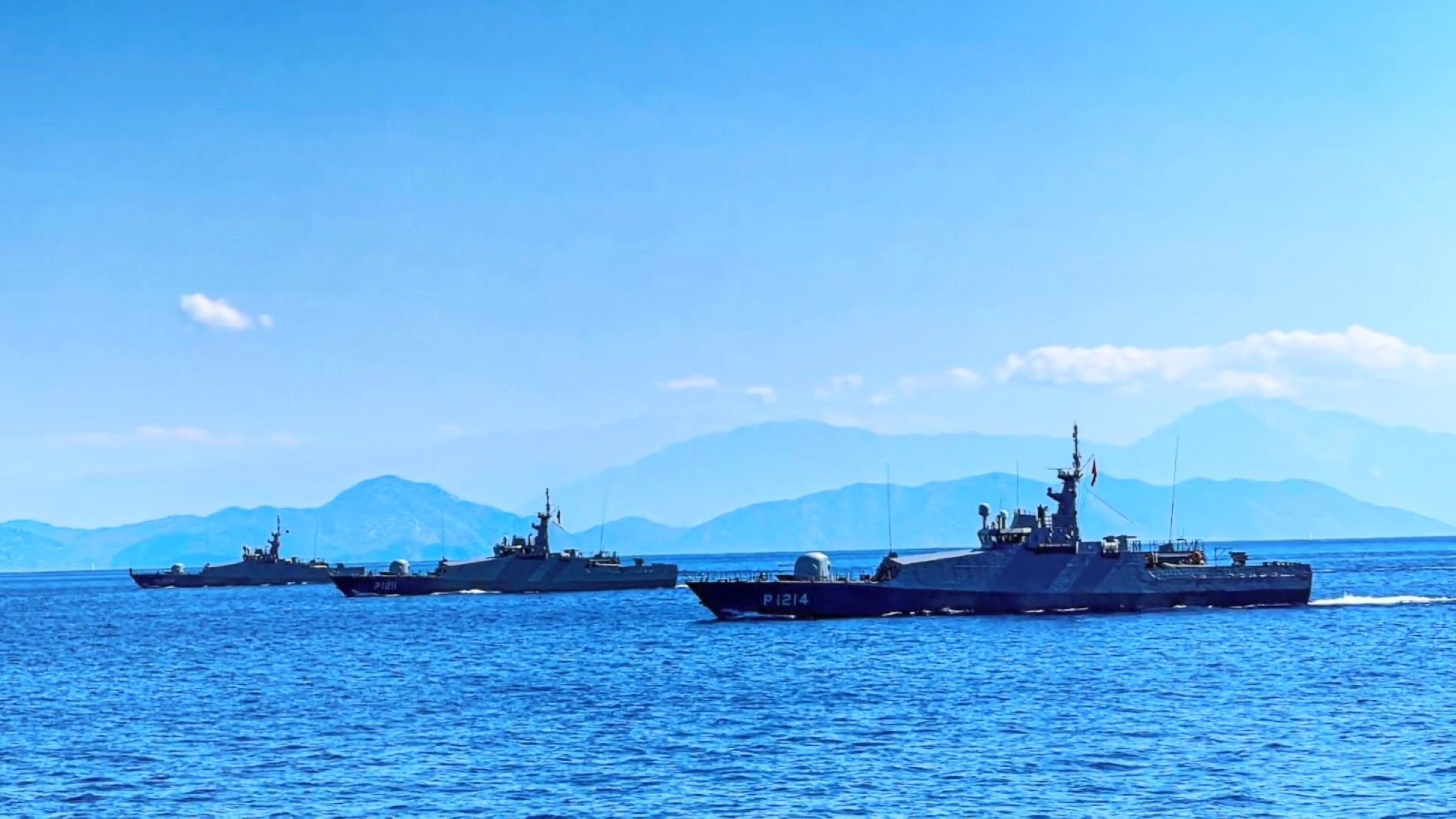
Few countries occupy a maritime position as strategically significant as Türkiye. Situated at the crossroads of Europe, Asia and the Middle East, the country lies in a region undergoing profound economic, political and social transformation. And in an era when roughly 90% of global trade moves by sea, Türkiye’s extensive coastline of more than 8,300 kilometers (5,160 miles) and its command of critical waterways make it not merely a bridge between continents, but a major actor in regional and global maritime affairs.
In an age when technological advancements and growing energy demands have exposed the limitations of land-based resource exploration, the seas and the resources that lie beneath them have become increasingly important, prompting states to define and assert their maritime zones. The first statement on this matter was included in a proclamation issued by U.S. President Harry S. Truman in 1945.
Legal status of Aegean Sea
Among Türkiye’s neighbors, Greece is the country with which it has a dispute over maritime jurisdiction areas. Greece’s unilateral initiatives concerning the continental shelf in the Aegean Sea, undertaken without regard for Türkiye’s rights and interests, have heightened tensions between the two countries. From Türkiye’s perspective, the dispute extends beyond the question of hydrocarbon resources. Greece’s claim that the numerous large and small islands and islets in the Aegean Sea generate maritime jurisdiction zones has evolved into an issue that, if fully realized, would geographically constrain Türkiye’s access to the surrounding seas. Consequently, the matter has come to be regarded by Türkiye as a question of sovereignty and vital national interests.