Before Ankara moves, Europe signs, not at sea but on paper: licenses, sustainment contracts, shipyards, submarine programs, drone ventures and fighter consortia – filed as industry, and delivered as power. When that power coerces Greece and Cyprus, the term “bilateral” is false. The file is Europe’s.
Article 42(7) is treated as a fire alarm, with aggression first and assistance after. The law is correct, the strategy is bad. A guarantee begins earlier, when EU members decide whether to arm the power built to test it.
The sharper test is export law. Common Position 2008/944/CFSP bars licenses where there is clear risk of aggressive use, force-backed territorial claims, danger to member-states or allied security, or disregard for international law, terrorism and the non-use of force. Law comes before evidence.
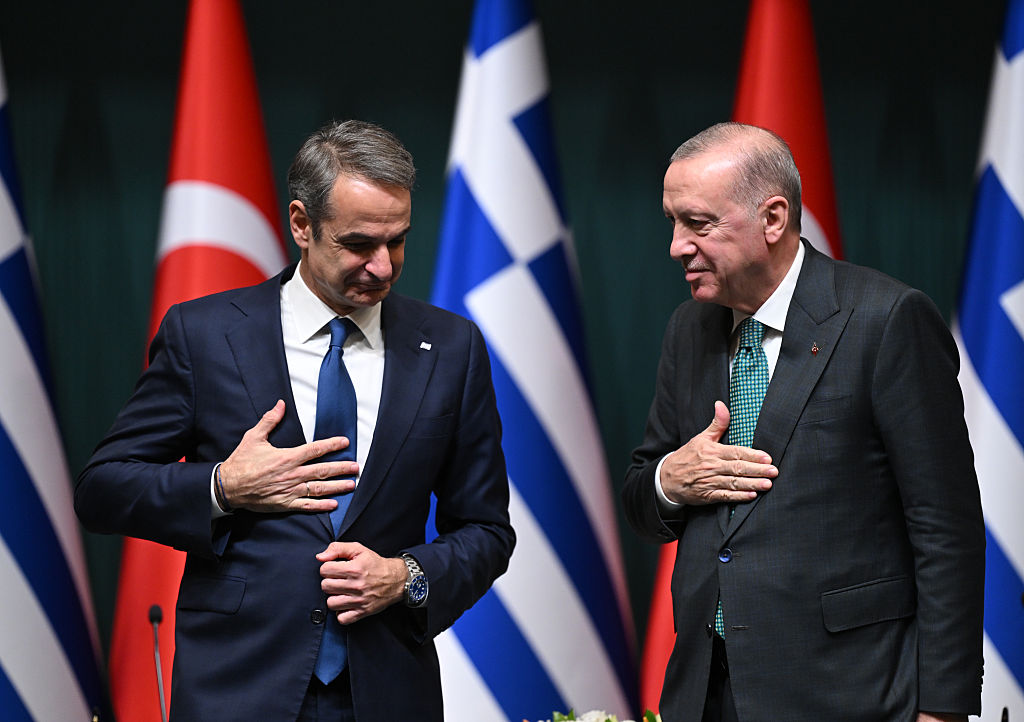
Turkey is not an ordinary recipient. It keeps a 1995 casus belli against Greece over Aegean territorial waters. In 2025, Kyriakos Mitsotakis tied SAFE access to Ankara revoking that threat. These are European security conditions, not bilateral objections.
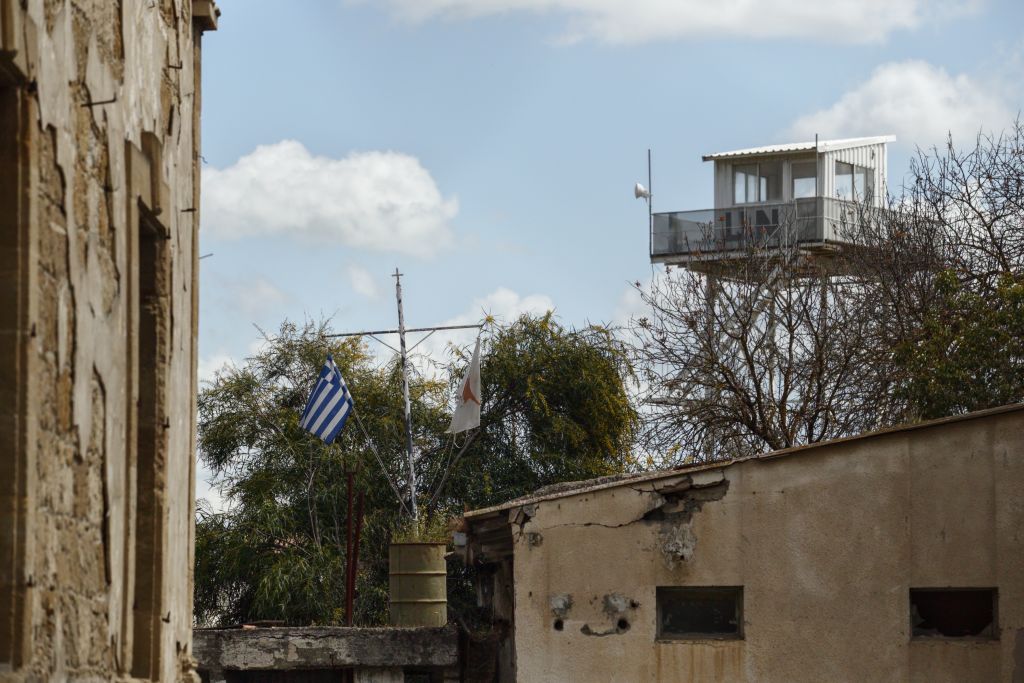
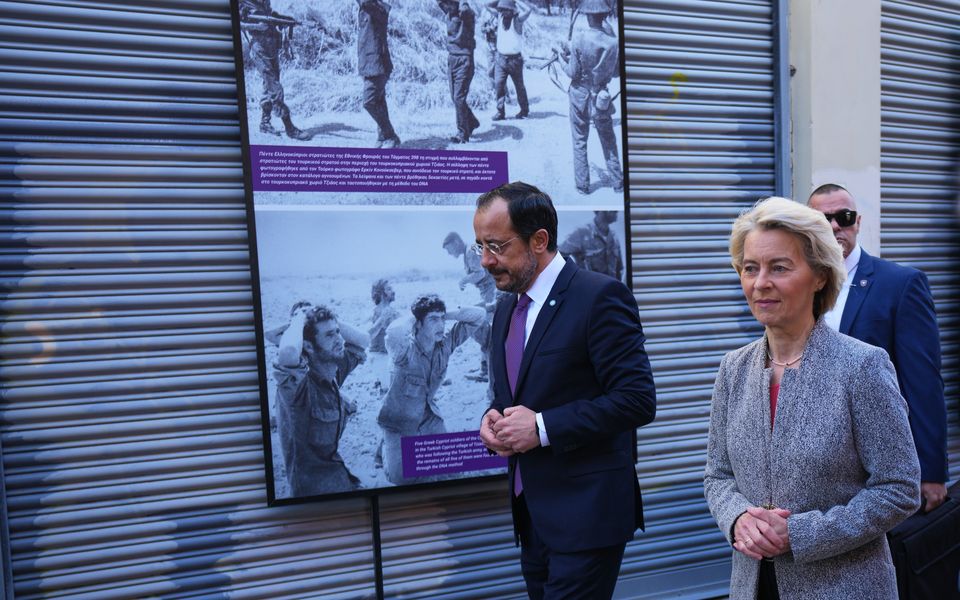
Cyprus is not frozen. Turkish troops control the north. UNFICYP supervises the ceasefire lines and buffer zone. Security Council Resolutions 541 and 550 declared the secessionist entity invalid and called on states not to recognize it. In March, Turkey moved to deploy six F-16 aircraft to northern Cyprus. In late May, the EU protested after Turkey excluded Cyprus from a COP31 preparatory briefing. Even climate diplomacy meets Ankara’s refusal: an EU member-state denied its statehood.