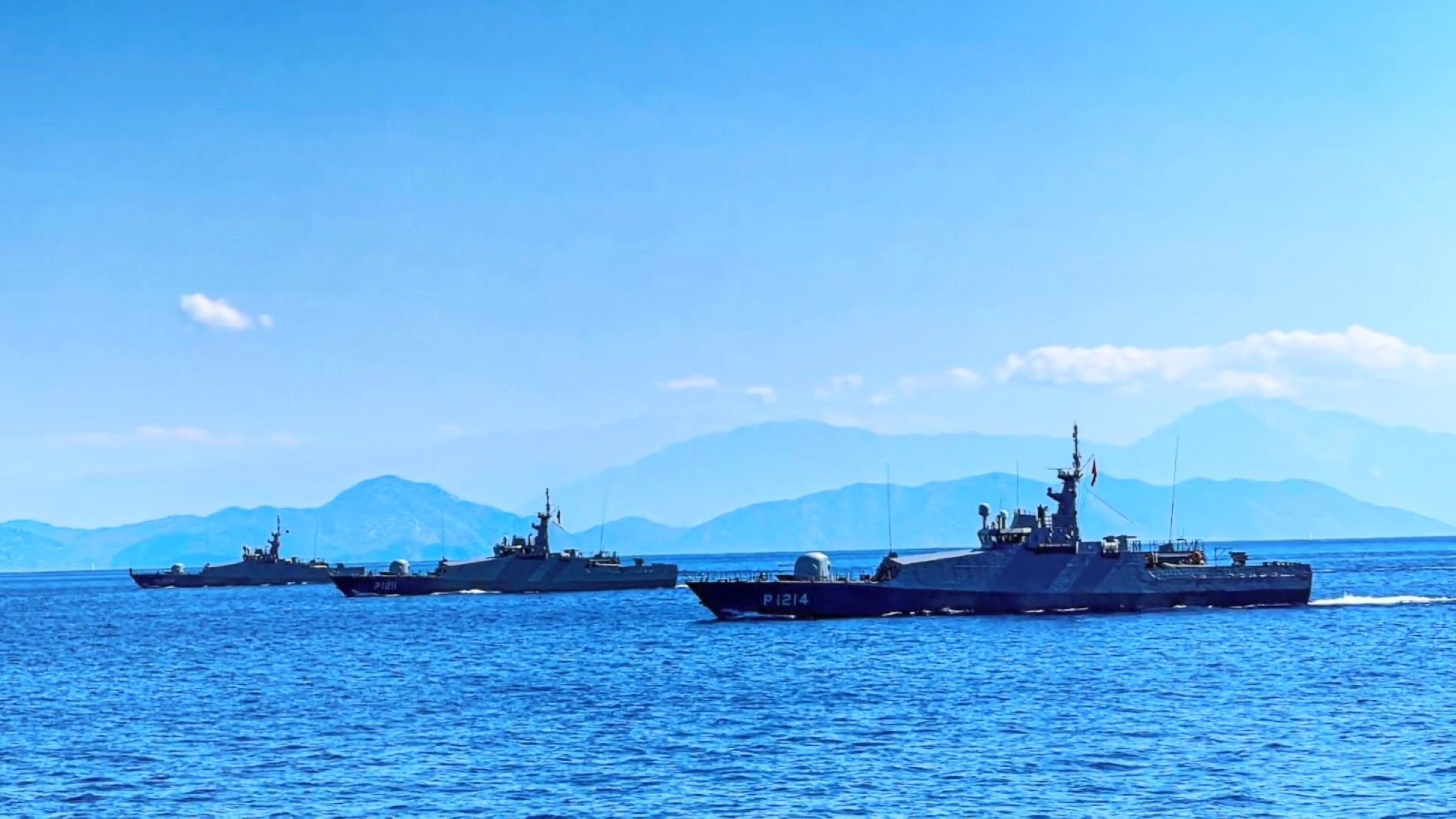
The source of the most recent tension in Turkish-Greek relations is the "Blue Homeland" draft bill – a piece of domestic legislation in Türkiye that has not yet even been tabled in the Turkish Parliament. Although it is still merely a draft, the tension it has generated once again highlights a cyclical impasse in Turkish-Greek relations that has emerged over the last 30 years, with the EU at its center.
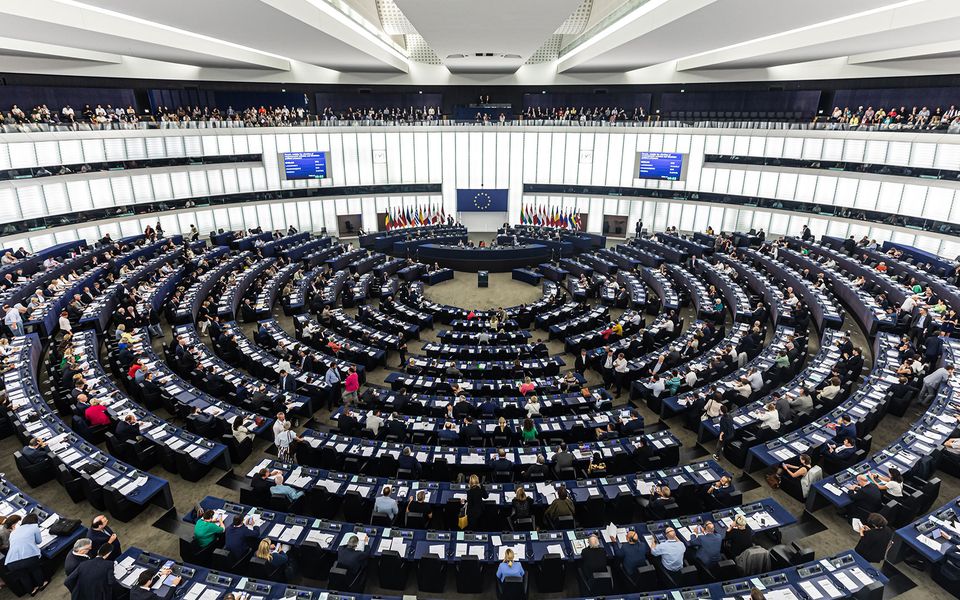
This impasse arose when Kostas Simitis, who came to power in Greece in 1996, abandoned the policy of keeping Türkiye out of the EU and effectively recast the bilateral issues as a Türkiye-EU problem. The shift aimed to offset the power asymmetry with Türkiye, while many assumed the EU's soft power would help resolve the disputes peacefully. This assumption appeared to hold for a short while, but the EU's influence has instead come to entrench the status quo and perpetuate the problems.
The "Blue Homeland" doctrine, which took shape over the 2010s, covers Türkiye's maritime zones – continental shelf, territorial waters and exclusive economic zone (EEZ) – across the Black Sea, Aegean and Mediterranean. It gained prominence after the 2020 EEZ delimitation agreement with Libya and is a major source of tension with Greece, with which Türkiye has unresolved maritime boundary issues.