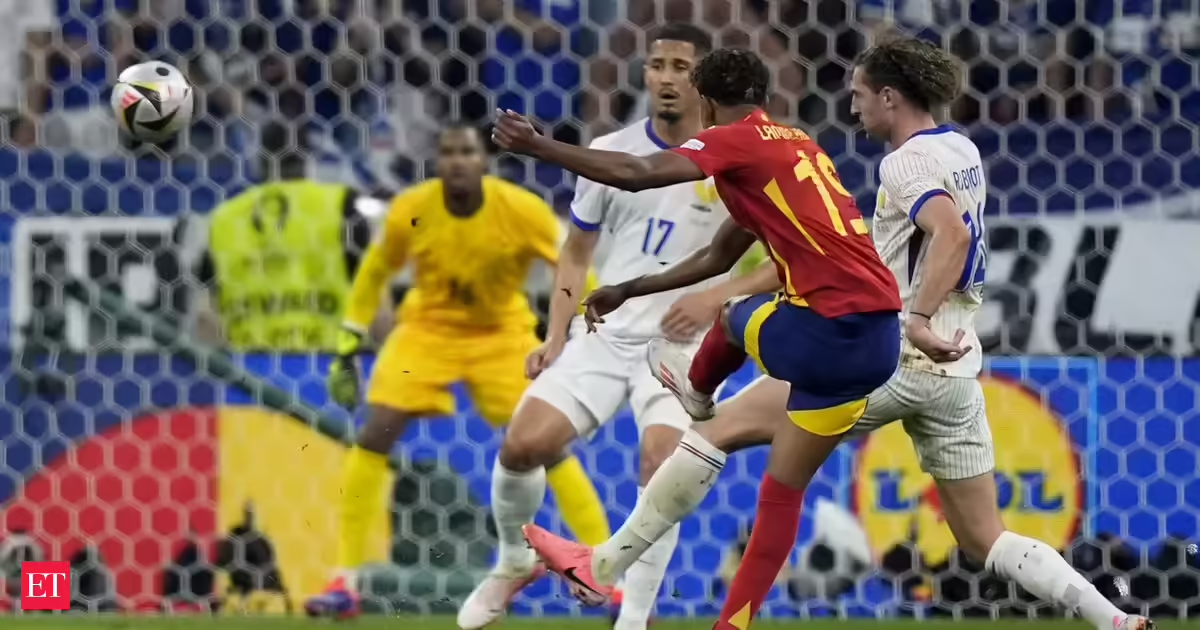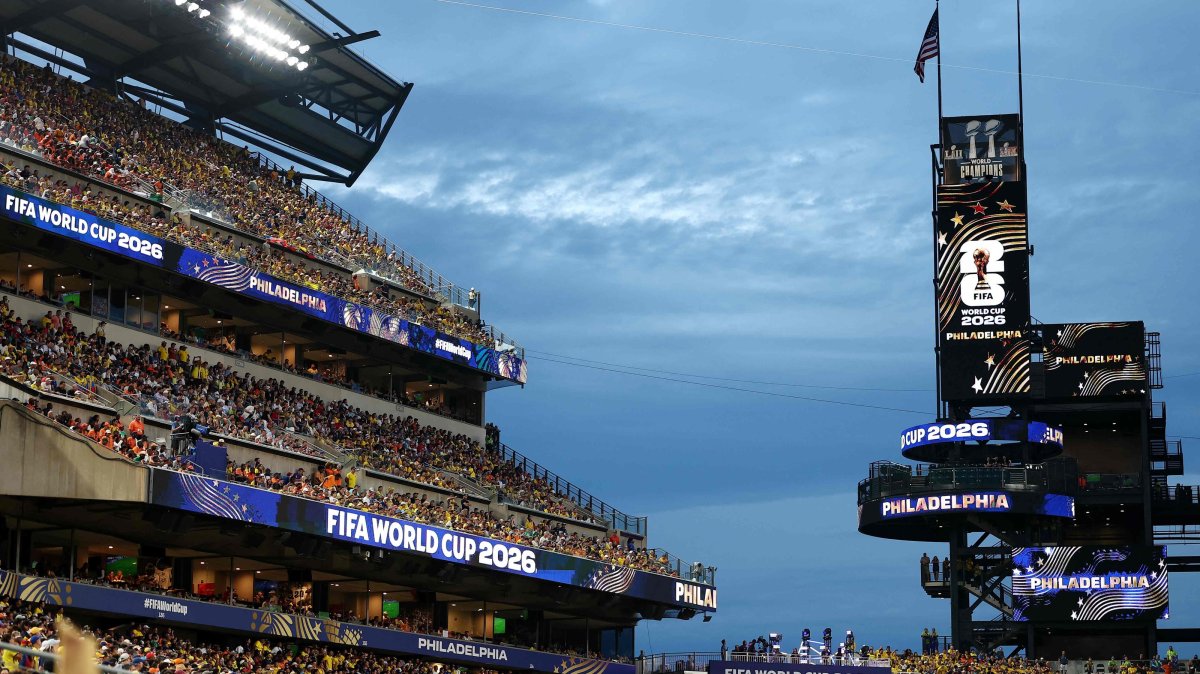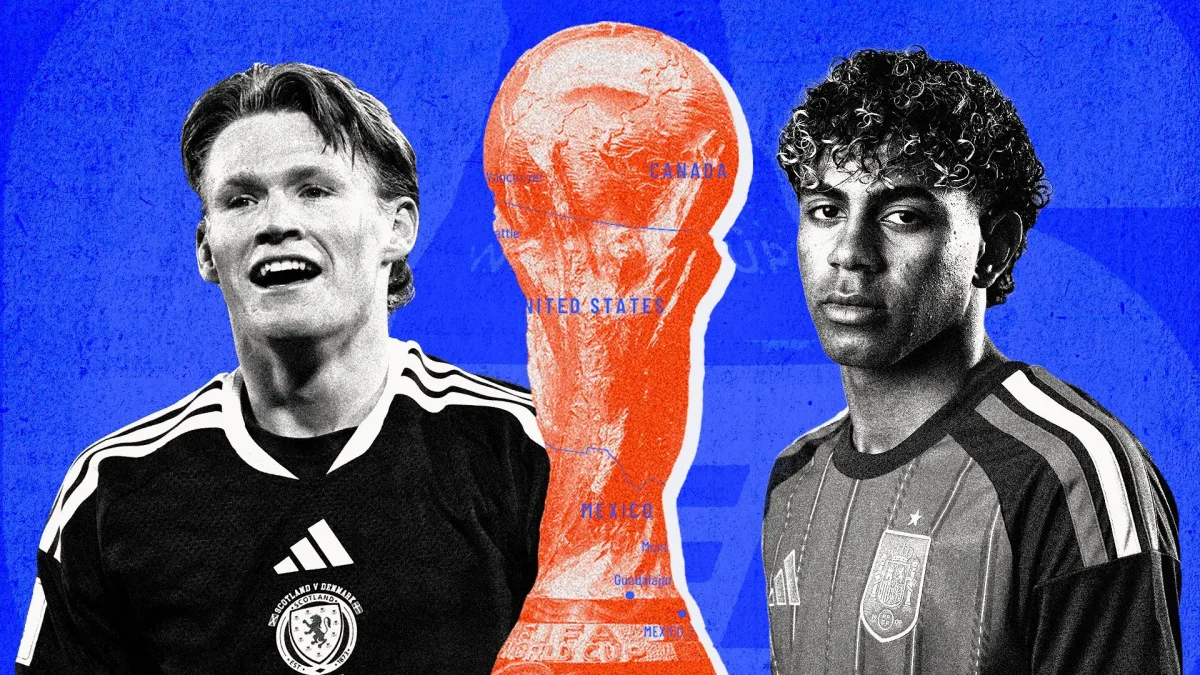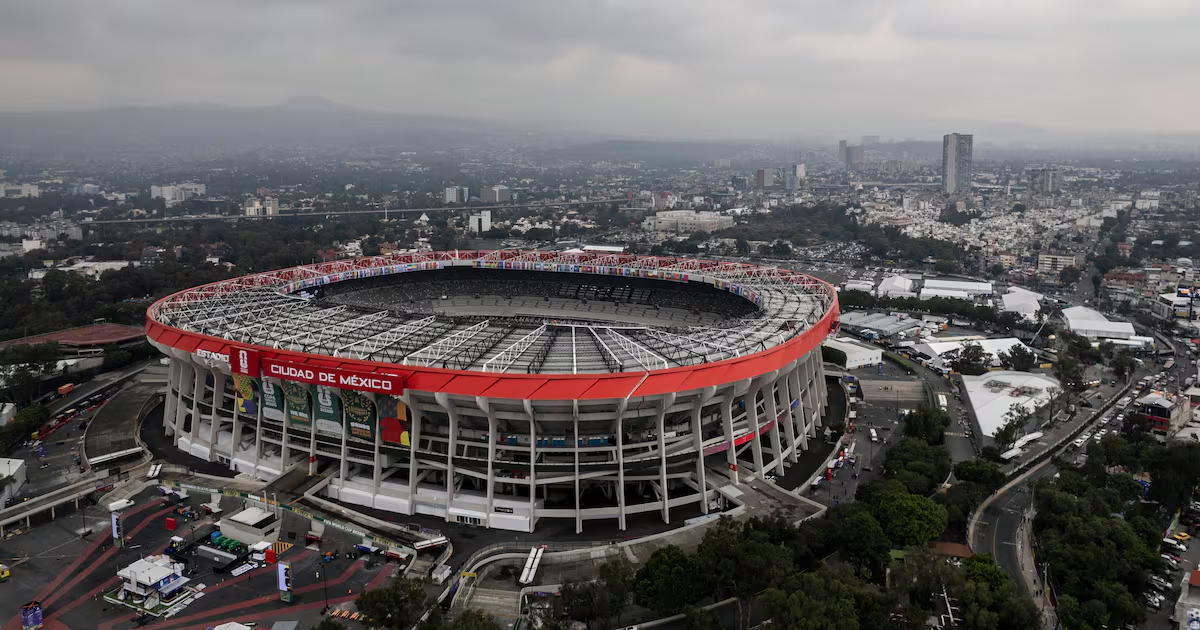
When the World Cup comes around every four years, the air of anticipation for football’s great spectacle is generally focused on the wonderful players and epic matches in the weeks of competition. Throughout the build-up , past tournaments are recalled for the brilliance of individual players, memorable games are replayed frequently on TV and supporters recall the colour and passion of previous championships.Those measures of success still apply, but the 2026 version of the World Cup, which kicks off on Thursday in Mexico City, looks certain to be judged by an additional range of criteria. For Fifa, the organising body for world football, the decision to expand the tournament to 48 teams, increase the number of games from 64 to 104 and stage the event in three vast countries, is a calculated gamble. It is betting that its football jewel will override all the misgivings about staging the great majority of the games – 78 in all – in a United States that has fostered anything but harmony and cohesion under the Trump administration.From the day the decision was made in 2018 that Canada, Mexico and the US would co-host the World Cup this year, alarm bells have been ringing. Apart from reservations about the wisdom of playing games in extreme heat and the folly of letting the group stages of the tournament turn into a bit of a non-competitive farce, the organisers have shown a disregard for those whose dream it is to follow their team at a World Cup.Pledges that there would be few, if any, visa issues for travel to the US and that tickets would be reasonably priced have proved to be false. The Trump administration has singled out supporters from certain African and Asian countries for particularly stringent visa conditions and in some cases barred officials and journalists from entering the country. This betrayal of the original lofty promises by Fifa that bringing the showpiece back to the US for the first time since 1994 would be the fulfilment of its mission to broaden the game’s global appeal should not be surprising. Under its president, Gianni Infantino, Fifa has cosied up to Donald Trump. Nothing illustrated this more than the absurd award of the newly concocted Fifa peace prize to the US president last December. Even by Fifa’s questionable standards this was a new low and was rightly ridiculed. But Fifa doesn’t really do embarrassment. Its bottom line is not about the quality of the football but the scale of the profit. The World Cup captivates a huge global audience, provides some of the most sublime sporting moments and invariably delivers great drama. It should never have to genuflect to the money or politics that seem to be the dominant themes for this year’s staging of the great event. We can only hope that we will also remember the 2026 World Cup for the football, as well as the controversy.
The Irish Times view on the World Cup: for the glory - and the revenue
Pledges that there would be few visa issues and that tickets would be reasonably priced have proved to be false
485 words~2 min read