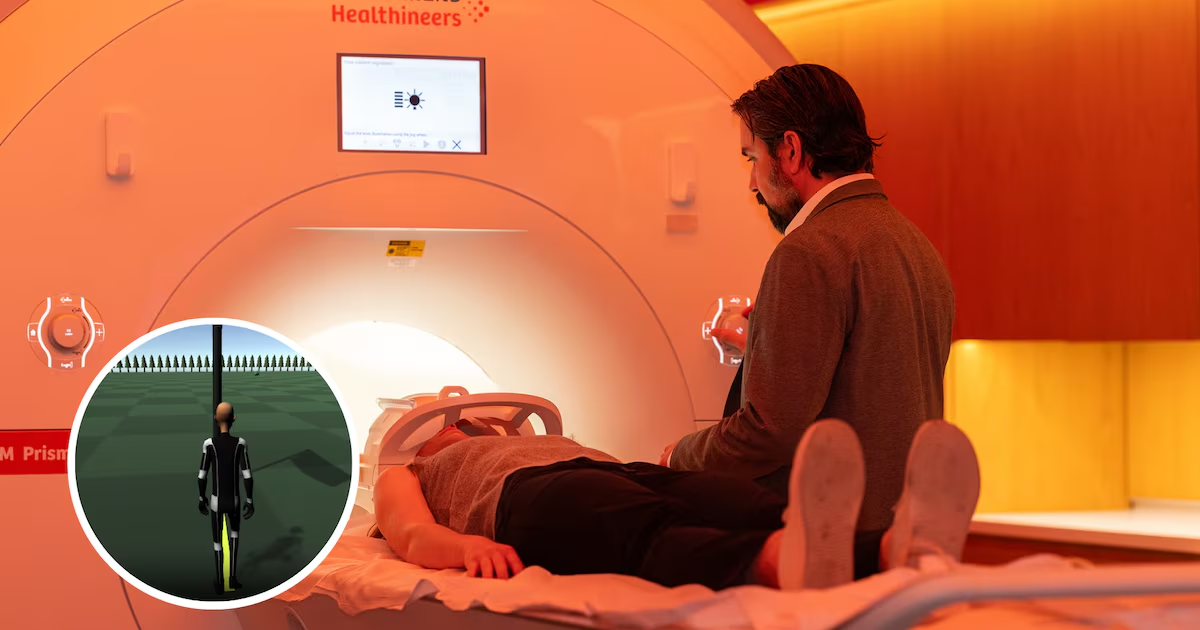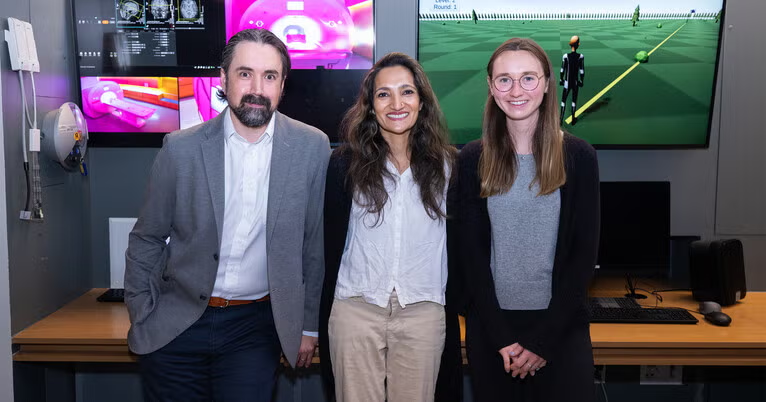
It might soon be “game over” for the video game controller.Yale researchers have developed a new kind of brain-computer interface (BCI) that lets humans play video games directly with their brains. Using real-time fMRI (functional MRI), they confirmed that the technology could help humans control a computer with their brain activity in a highly efficient way. The study appears in the journal Nature Neuroscience.
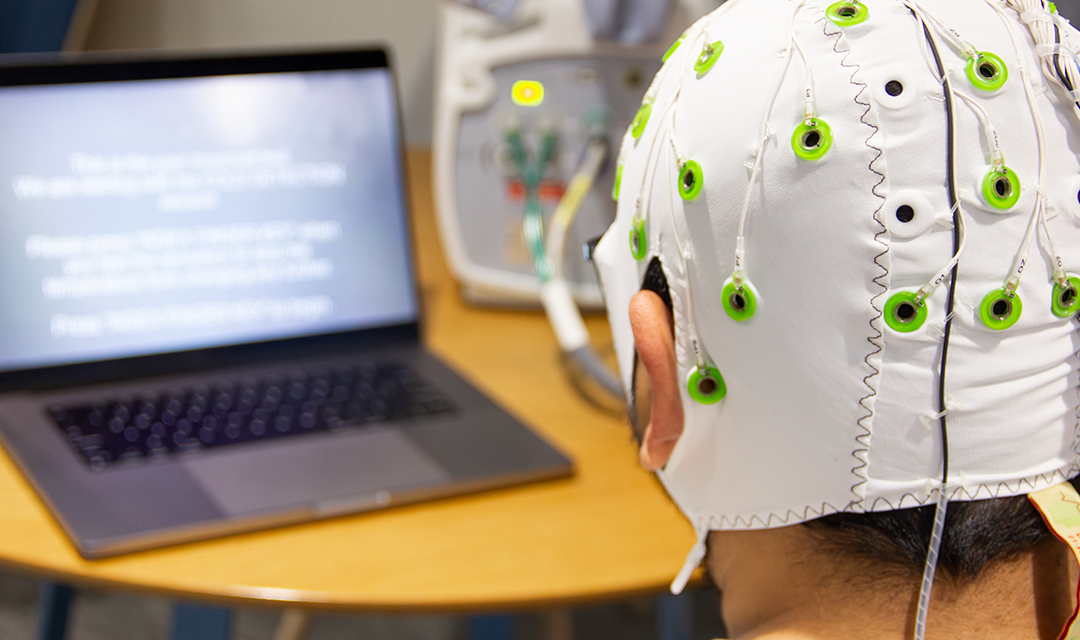
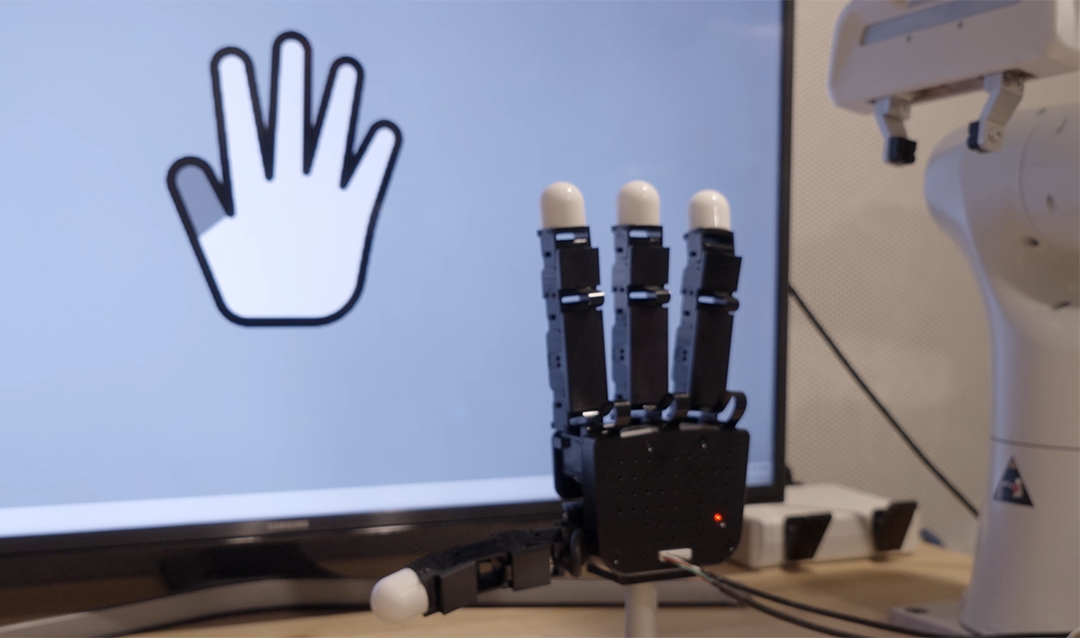
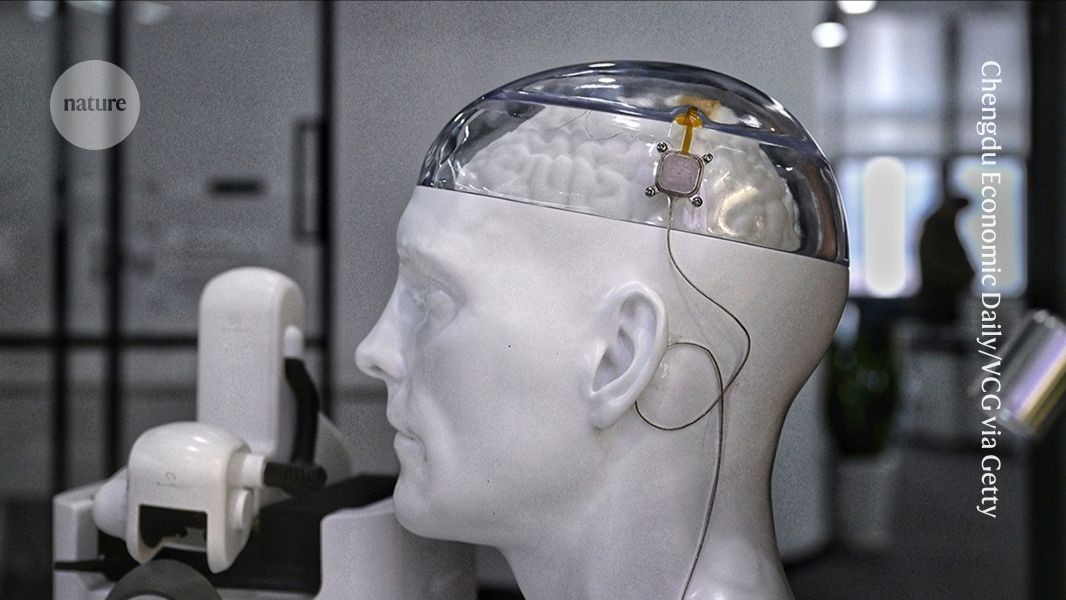
What is a brain-computer interface (BCI)?A BCI is technology that allows a human to control a computer with their brain activity.How effective are human BCIs?Historically, they have not been effective. BCIs built using real-time neurofeedback from fMRI — a type of MRI scan showing which areas of the brain are most active over time — require up to 10 long training sessions per person, and even then the learning effects are modest. About a third of users never gain control, regardless of how many hours they practice. What is the key to learning how to use a BCI?Activity in the brain travels along well-worn routes. Working with those routes, rather than against them, is the key to learning how to use a BCI, Yale researchers have found. When a BCI is built around these routes, people gain rapid control, and their brain activity reorganizes to support the learning.