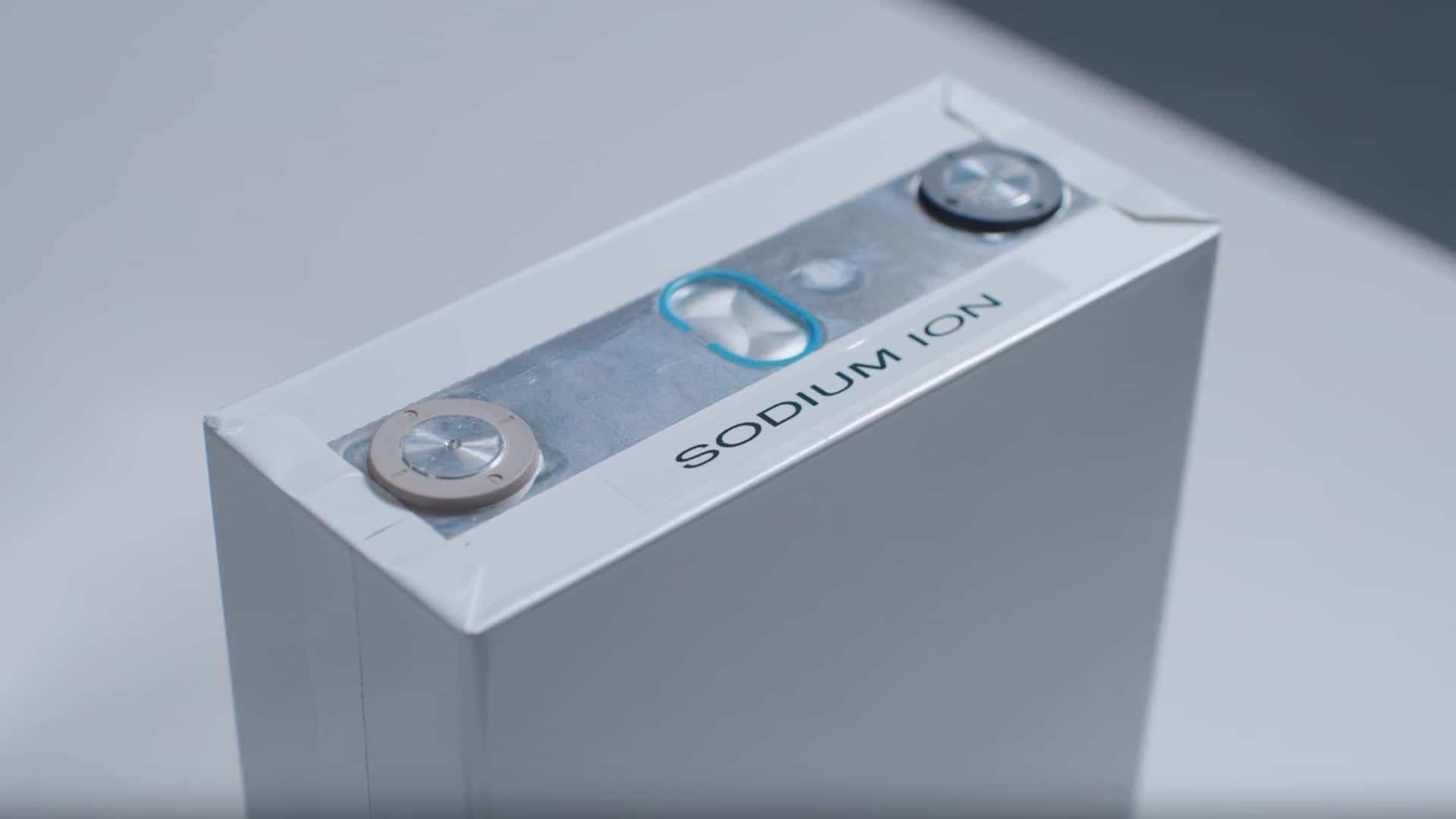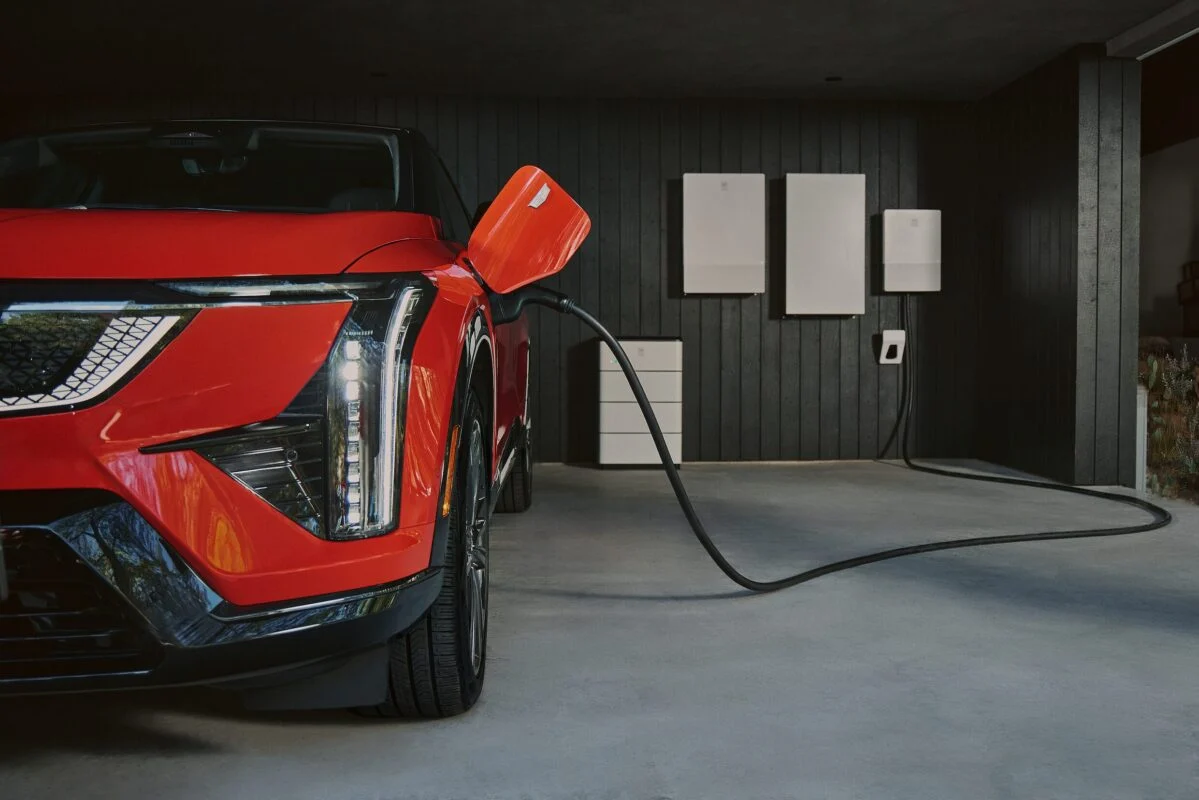
General Motors built an entire factory around the idea that cheaper lithium iron phosphate batteries would be the future of its electric vehicles. Now the company is reconsidering that bet, with its battery chief suggesting LFP cells might not make it into future GM EVs at all.
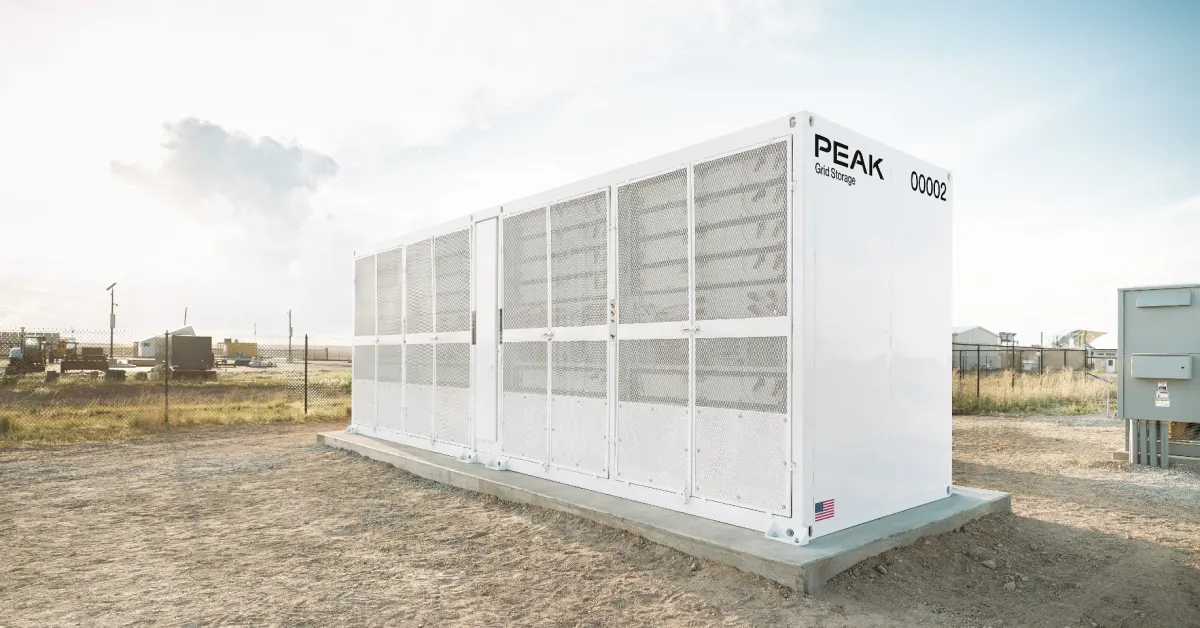
Instead, the automaker is pivoting its Spring Hill, Tennessee plant to produce LFP cells for stationary energy storage systems, serving grid infrastructure and data centers rather than the cars and trucks that were the original point of the whole operation.
From EV dreams to grid reality
Ultium Cells, GM’s joint venture with LG Energy Solution, announced plans in July 2025 to produce LFP cells for electric vehicles at the Tennessee facility. Commercial production was targeted for late 2027.
By March 2026, GM confirmed a $70 million investment to retool the Spring Hill plant, but the mission had changed. LFP production would begin in the second quarter of 2026, focused entirely on energy storage systems rather than vehicles.