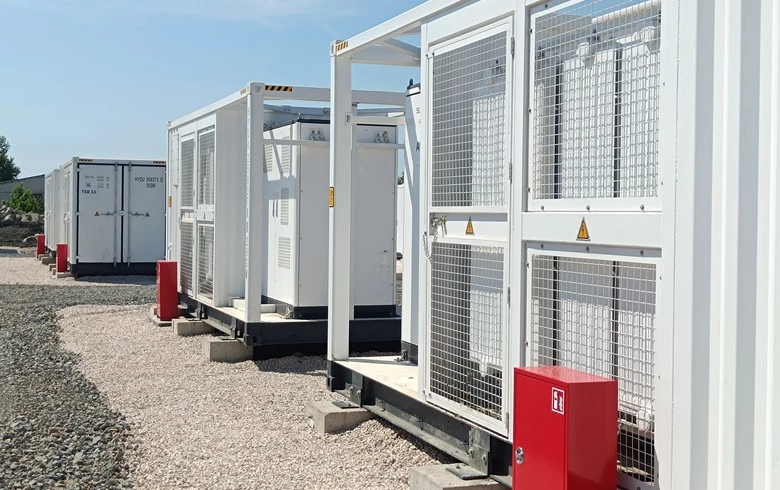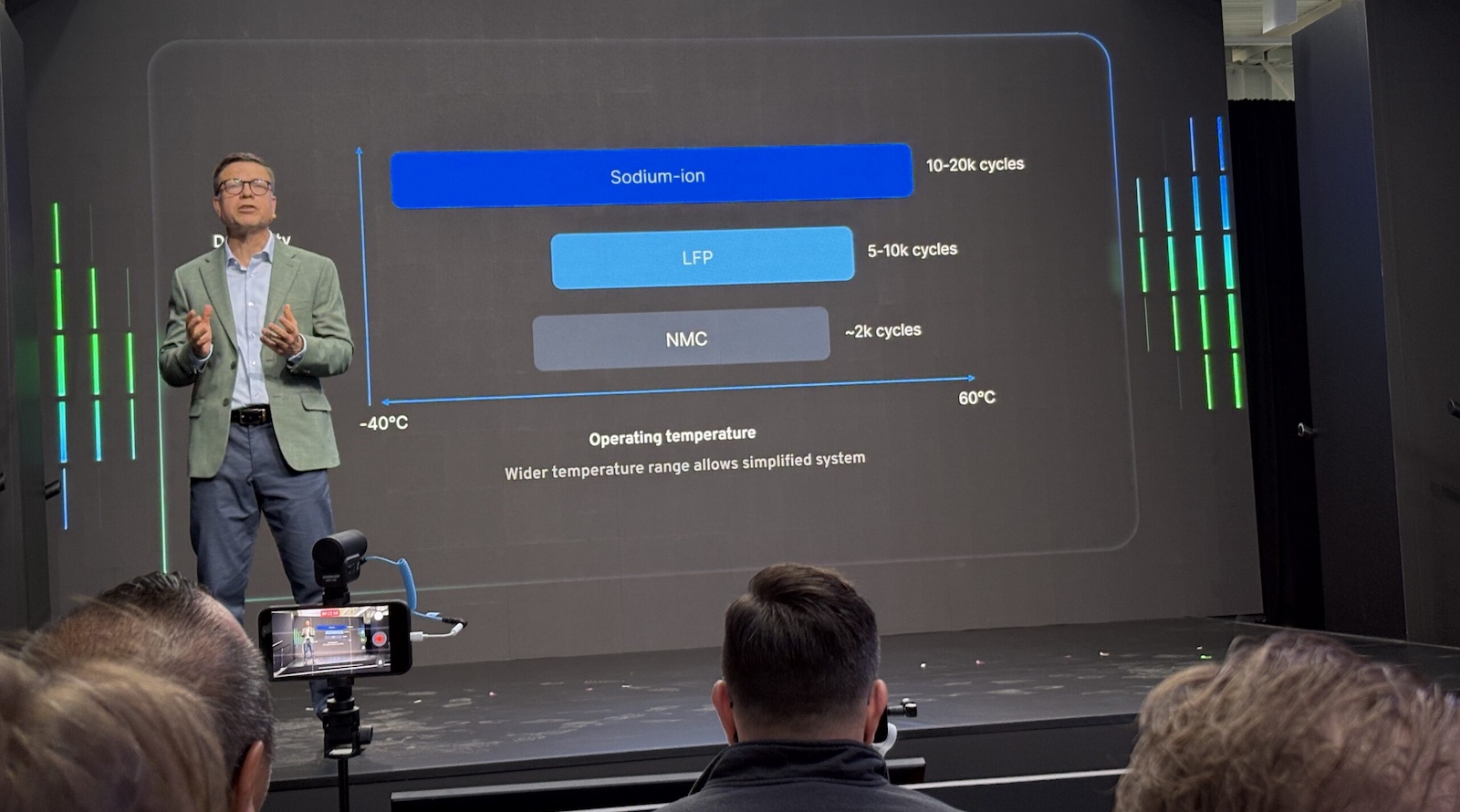
The major incumbent chemistry in the global grid-scale BESS market is lithium iron phosphate (LFP) cell technology, which Kelty wrote has seen significant improvements in the past 25 years. However, according to Kelty, “as it has matured, those gains are beginning to plateau.”
GM is nonetheless also entering the LFP space through its joint venture (JV) with the US manufacturing arm of South Korean battery manufacturer LG Energy Solution (LG ES).
Initially created to focus on the electric vehicle (EV) market, the JV, Ultium Cells, said it would produce LFP cells in addition to nickel manganese cobalt (NMC) at its factory in Spring Hill, Tennessee, back in July 2025.
This invited speculation that Ultium Cells would also cater to the BESS sector. This was confirmed in March this year following media reports and Kelty said LFP cell production would begin later this month to serve LG ES’s commercial and industrial (C&I) business, ahead of an originally announced 2027 timeline.
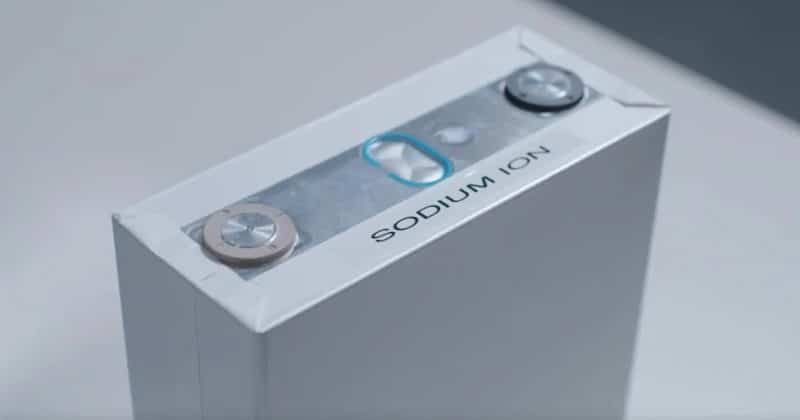
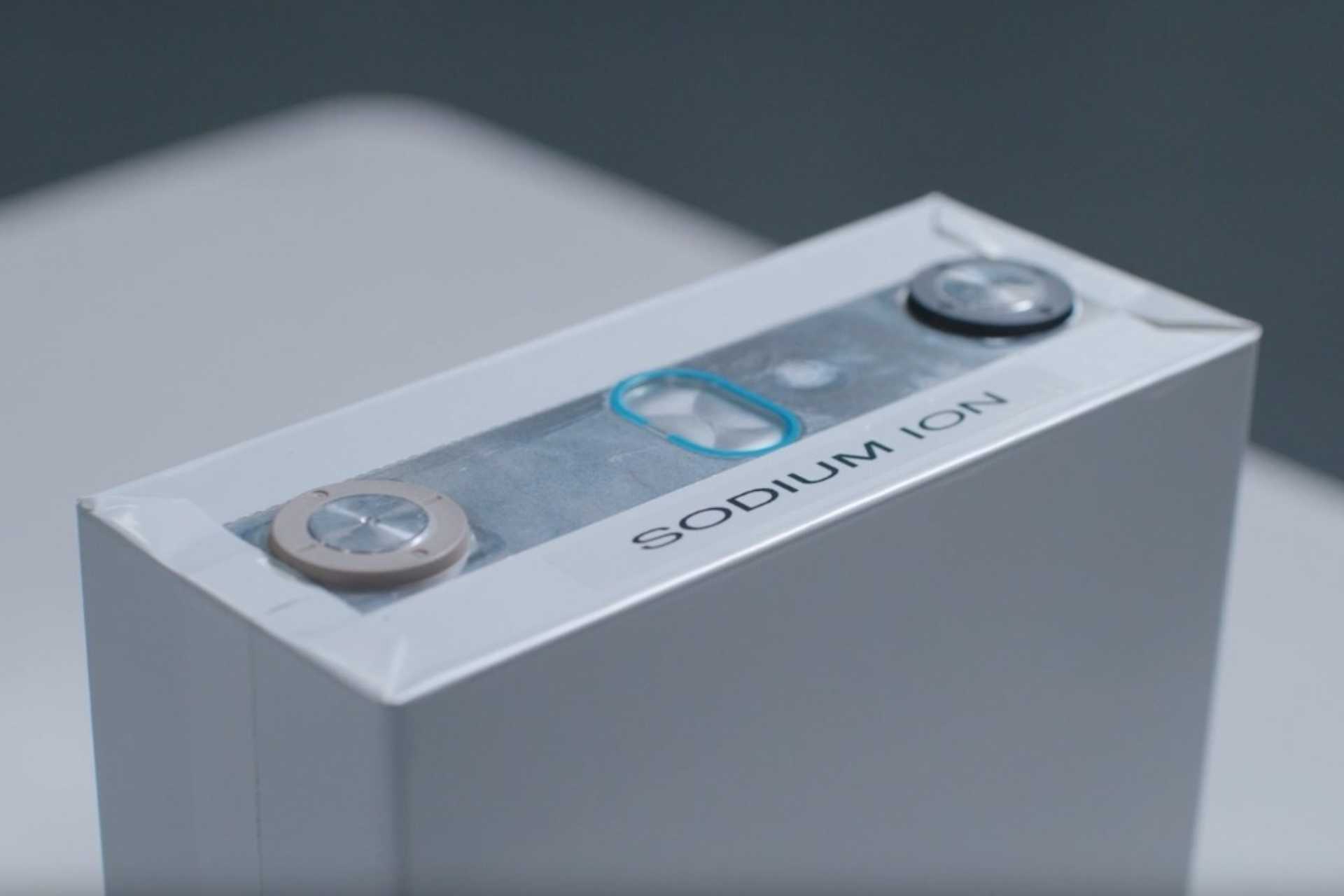
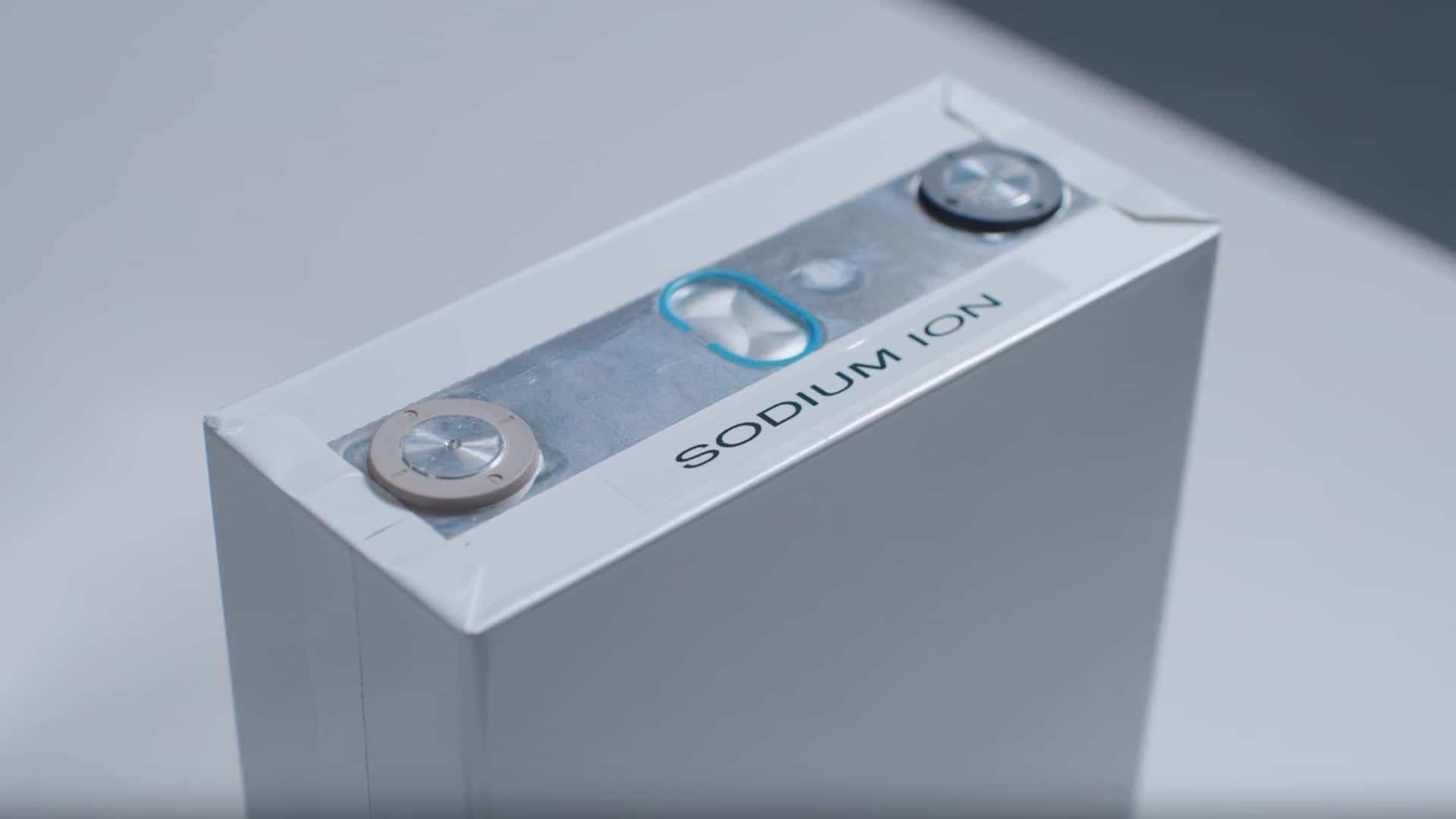
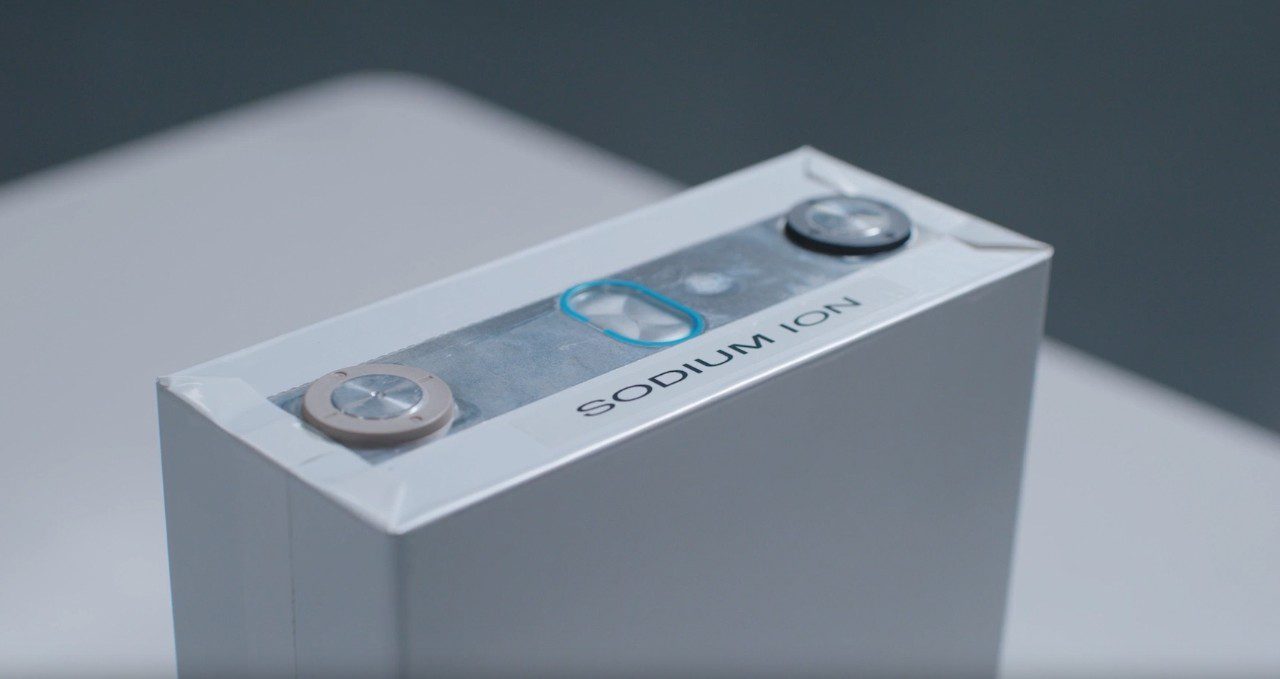
According to Kelty, the LFP cells will serve near-term demand before the sodium-ion products go into mass production. Among its other perceived advantages, sodium-ion could offer higher energy densities, Kelty said, but can be made using many of the same production techniques and equipment as lithium-ion batteries.