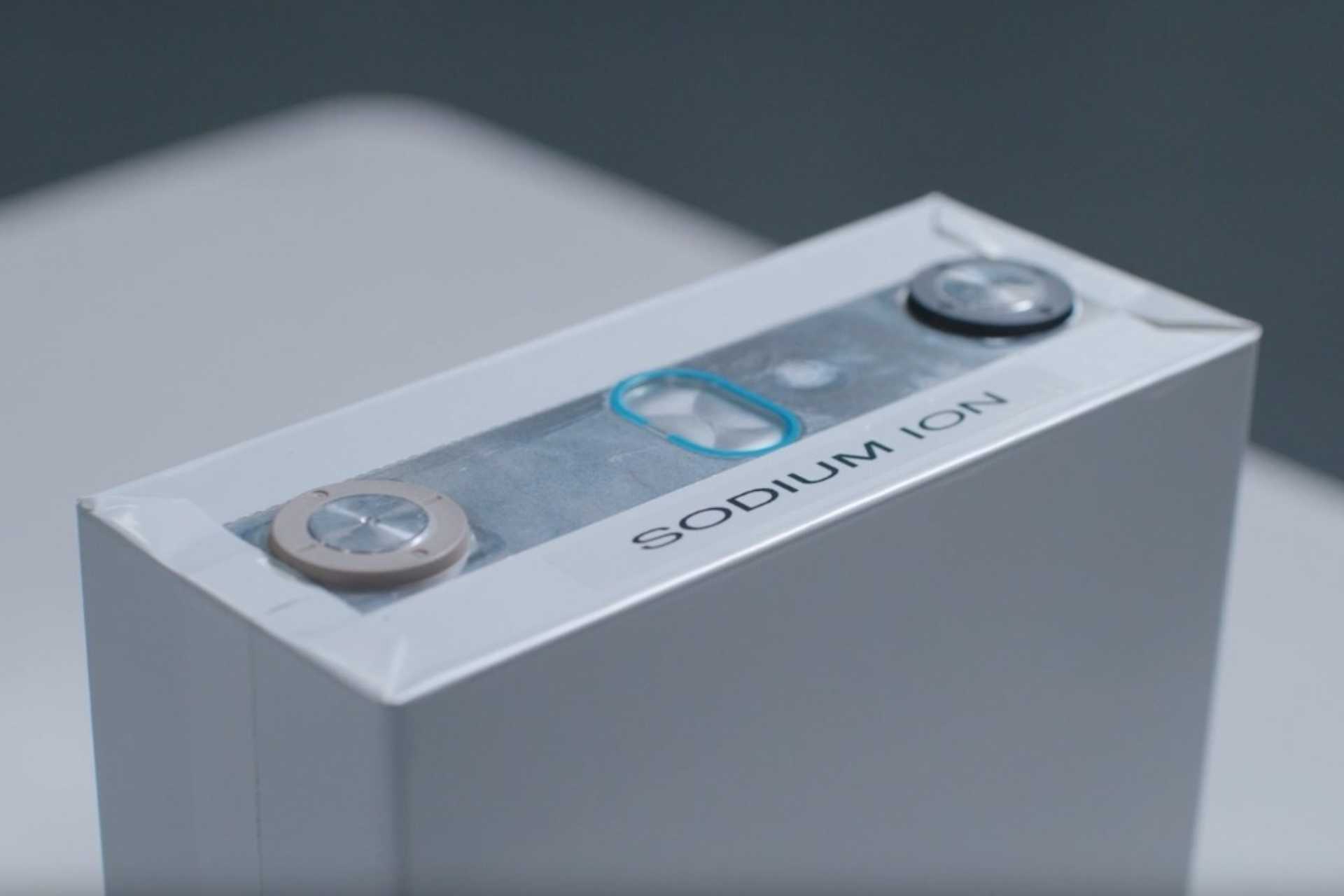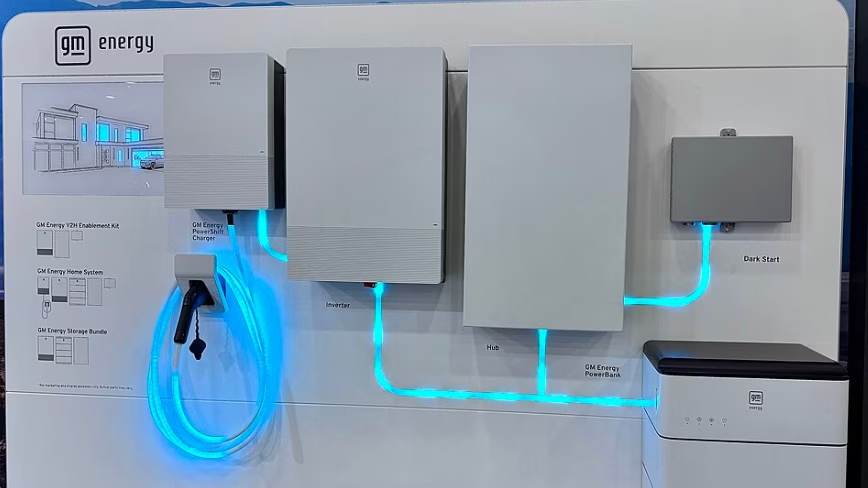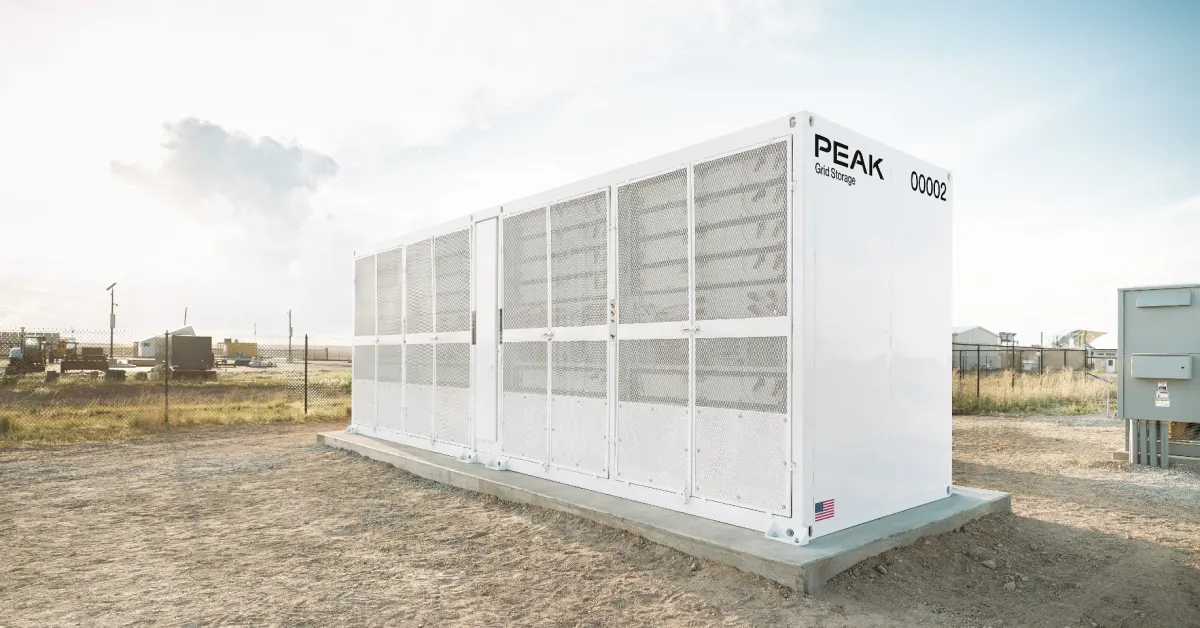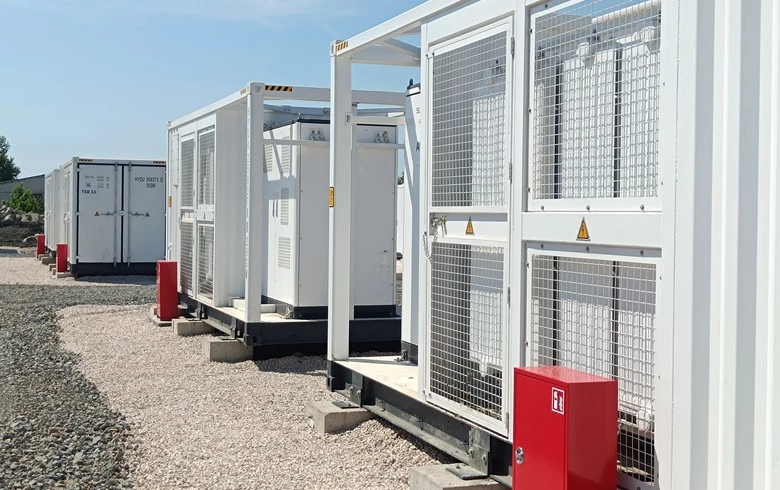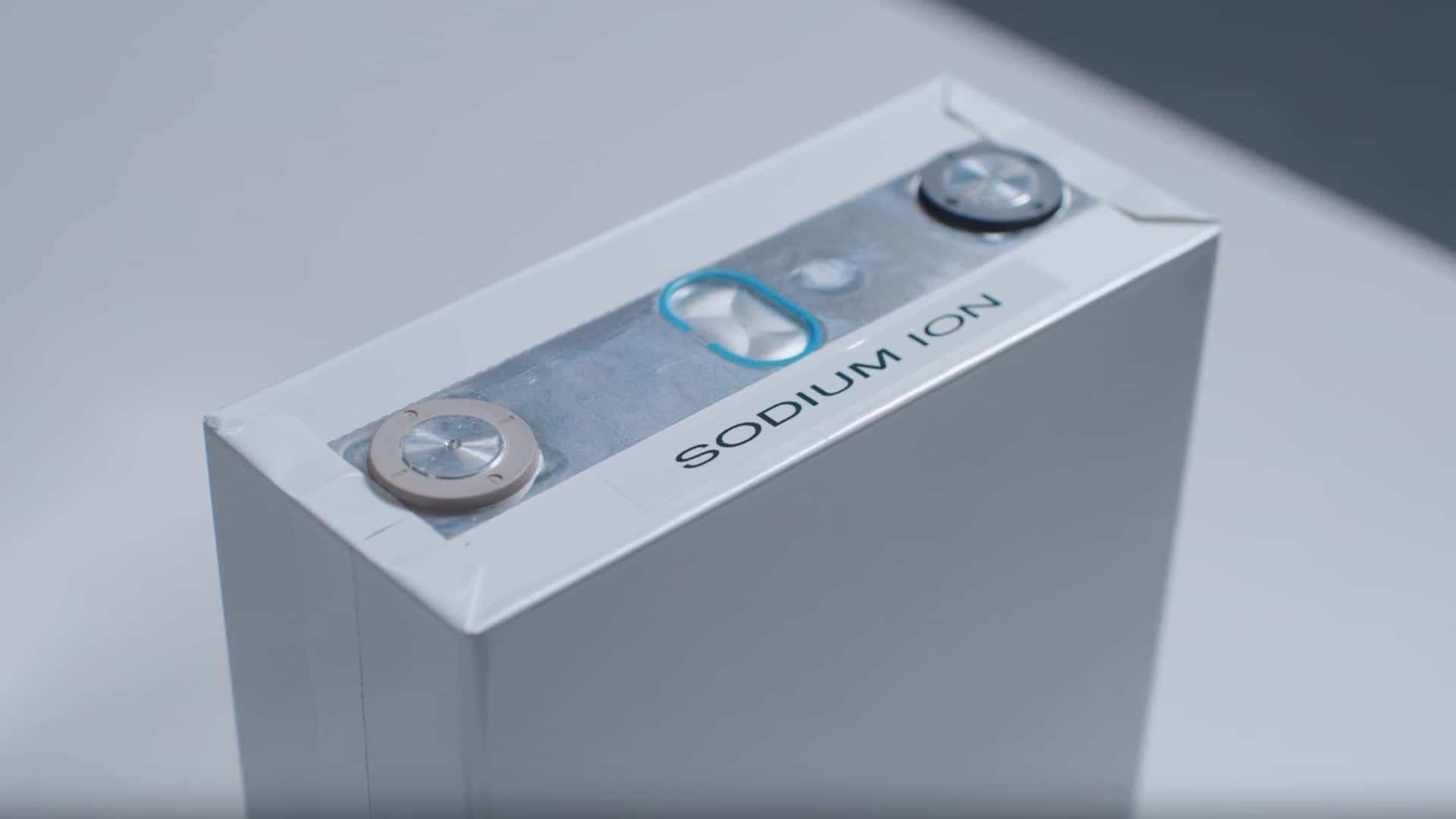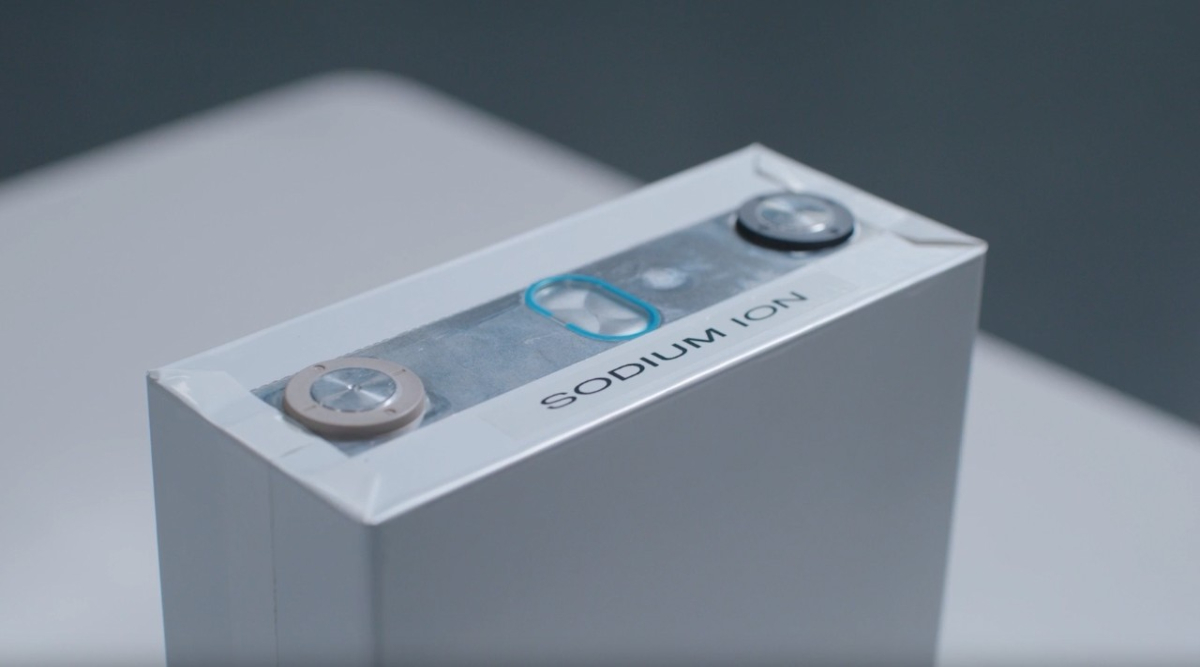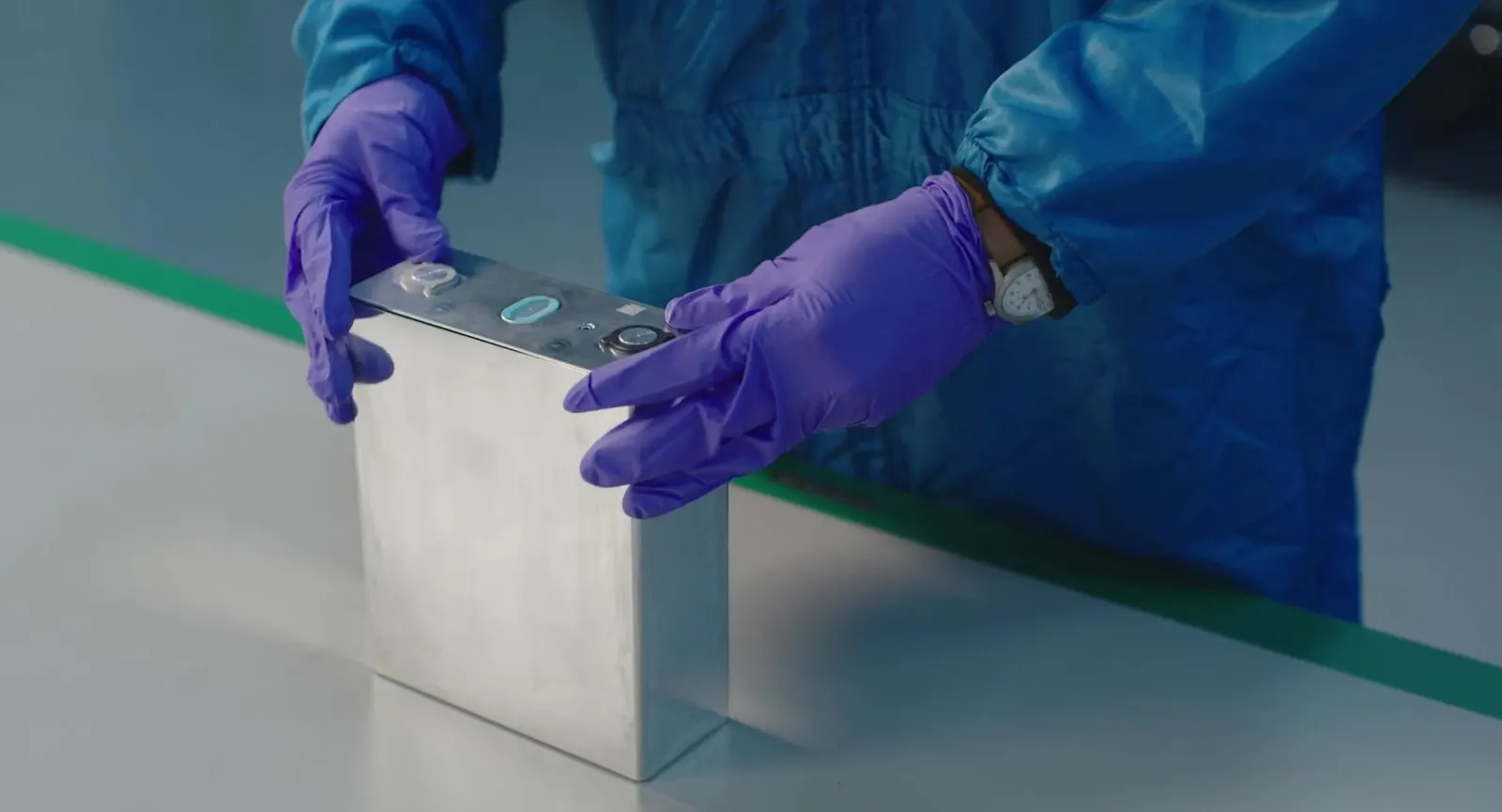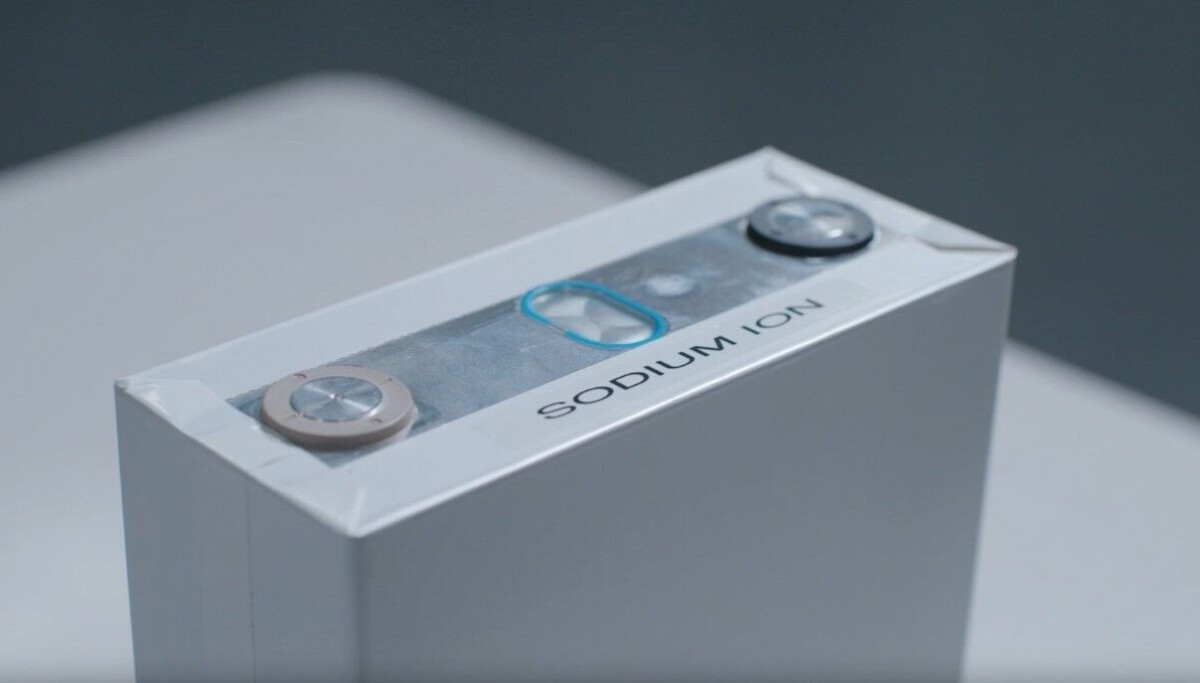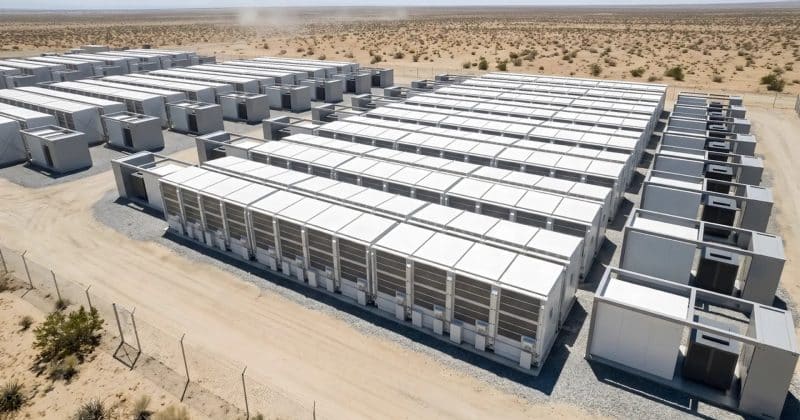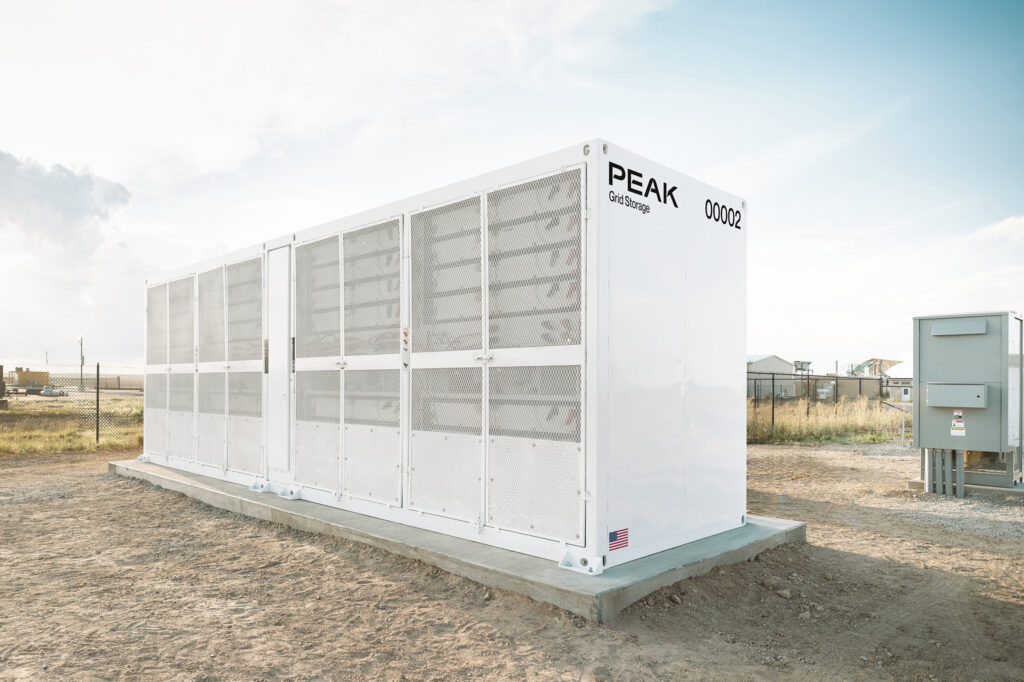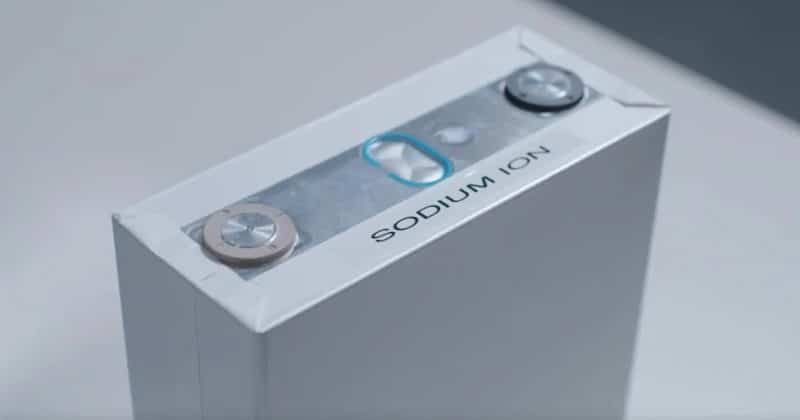
General Motors is done waiting for the lithium-ion supply chain to sort itself out. The automaker announced a partnership with US startup Peak Energy to co-develop sodium-ion battery cells designed for large-scale energy storage, covering everything from AI data centers to GM’s own manufacturing plants.
GM will lead cell development at its Michigan laboratories and hold exclusive manufacturing rights for the technology. Deployments targeting data centers, factories, and grid-scale applications are expected to begin after 2028.
Why sodium, why now
Sodium-ion batteries aren’t new, but their moment might finally be arriving. The core pitch is simple: sodium is cheap, abundant, and available domestically in the US. That last part matters a lot when the geopolitics of lithium, cobalt, and nickel sourcing look increasingly fragile.
Compared to lithium-ion cells, sodium-ion batteries offer lower material costs, reduced cooling requirements, and better safety characteristics. The trade-off has historically been lower energy density, which makes them a poor fit for vehicles where every gram counts. But for stationary storage, where size and weight constraints are far less demanding, the math starts to look very different.