TL;DRGM opened a 500,000-square-foot Battery Cell Development Centre to bridge R&D and factory production for its new LMR battery chemistry. If successful, LMR could cut EV battery costs by $6,000 per vehicle and reach trucks by 2028.
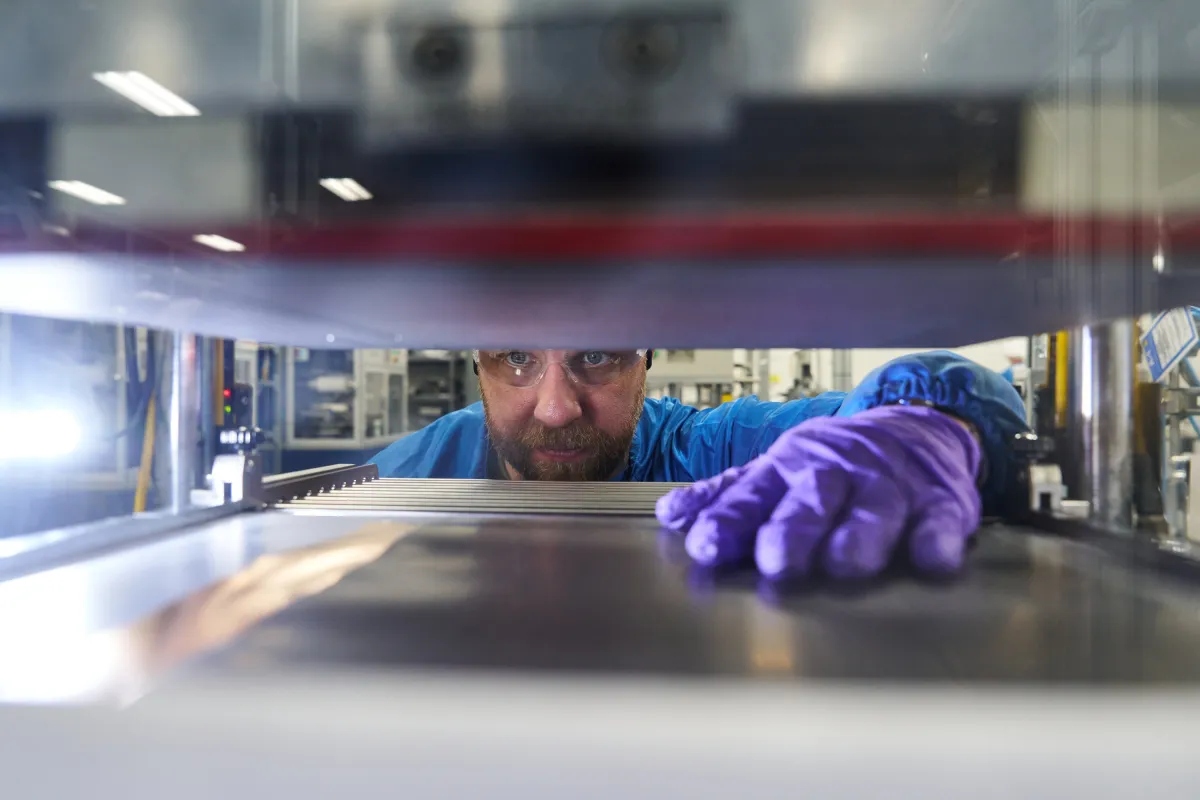
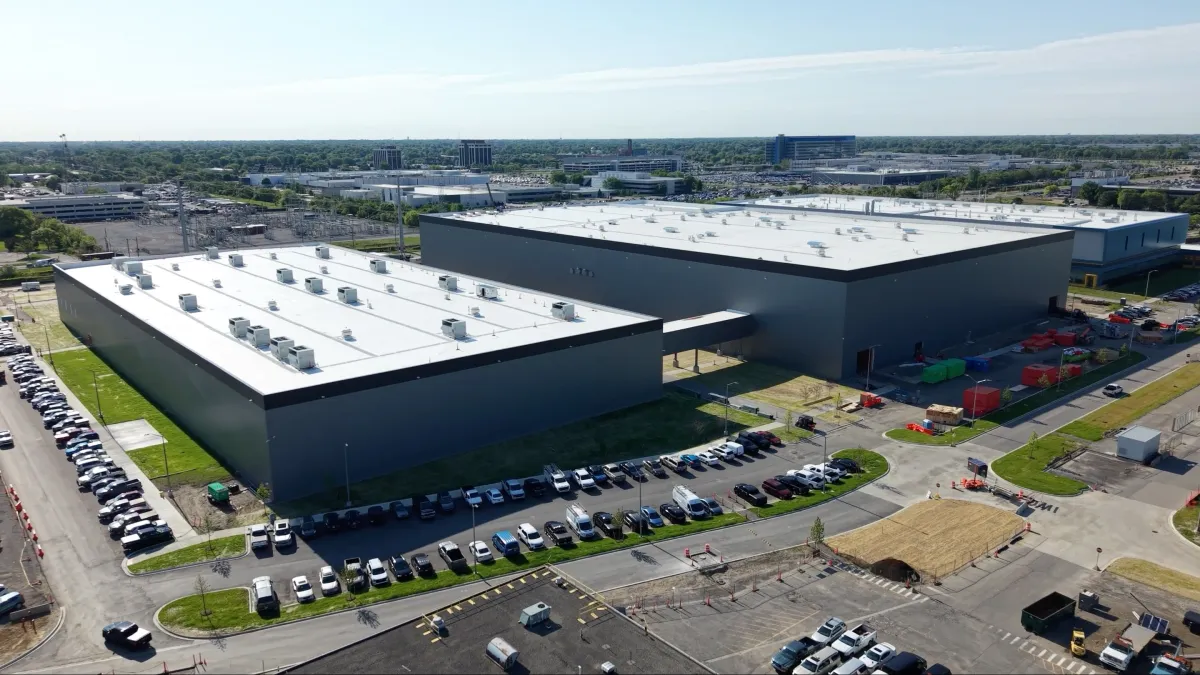
Hidden among the landmarks of General Motors’ Warren Tech Center outside Detroit is a pair of nondescript off-white buildings that house the company’s most consequential investment in years. The new Battery Cell Development Centre, spanning 500,000 square feet, is the lynchpin of GM’s plan to bring a new class of cheaper EV batteries to market a year earlier than planned.
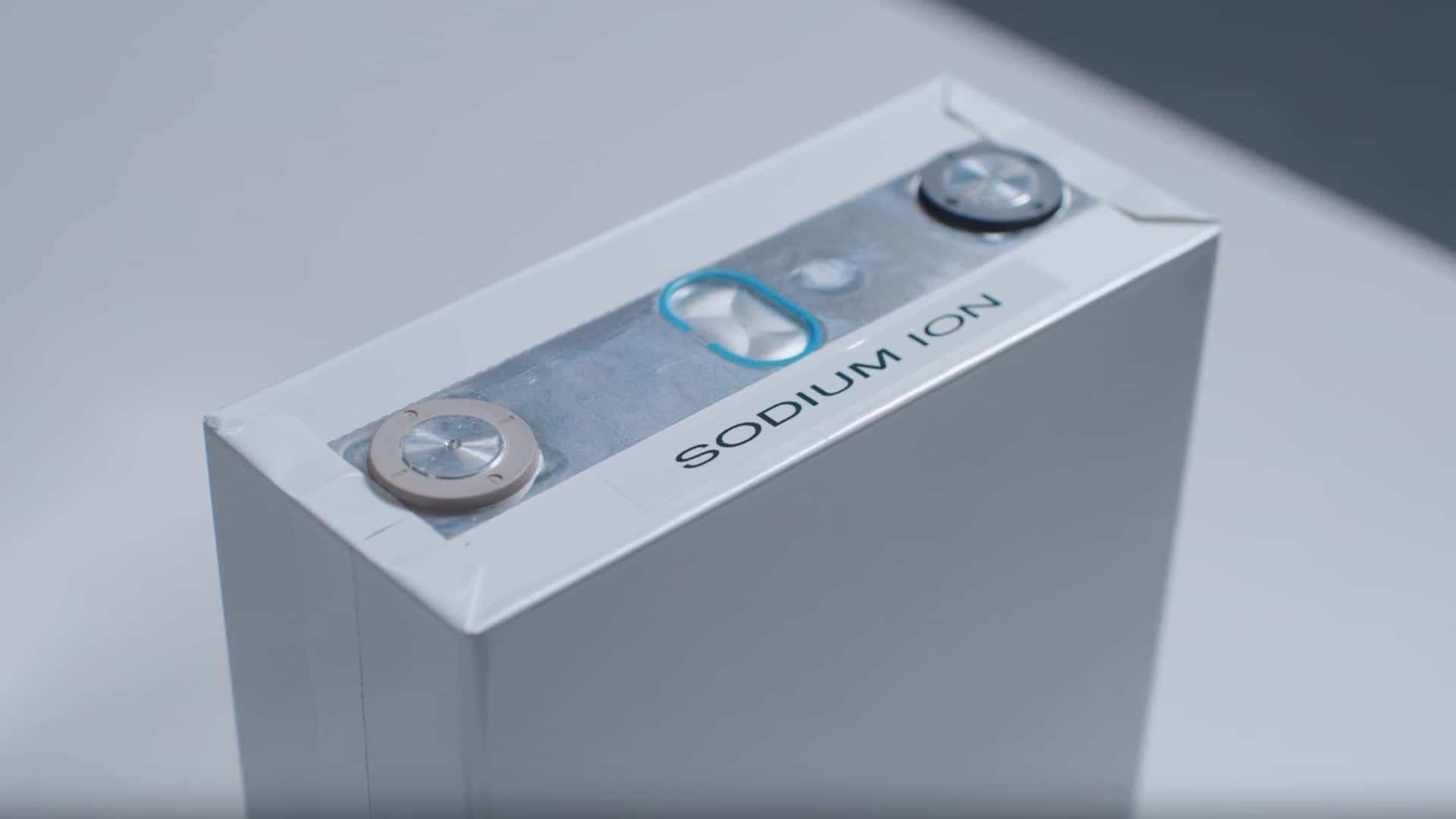
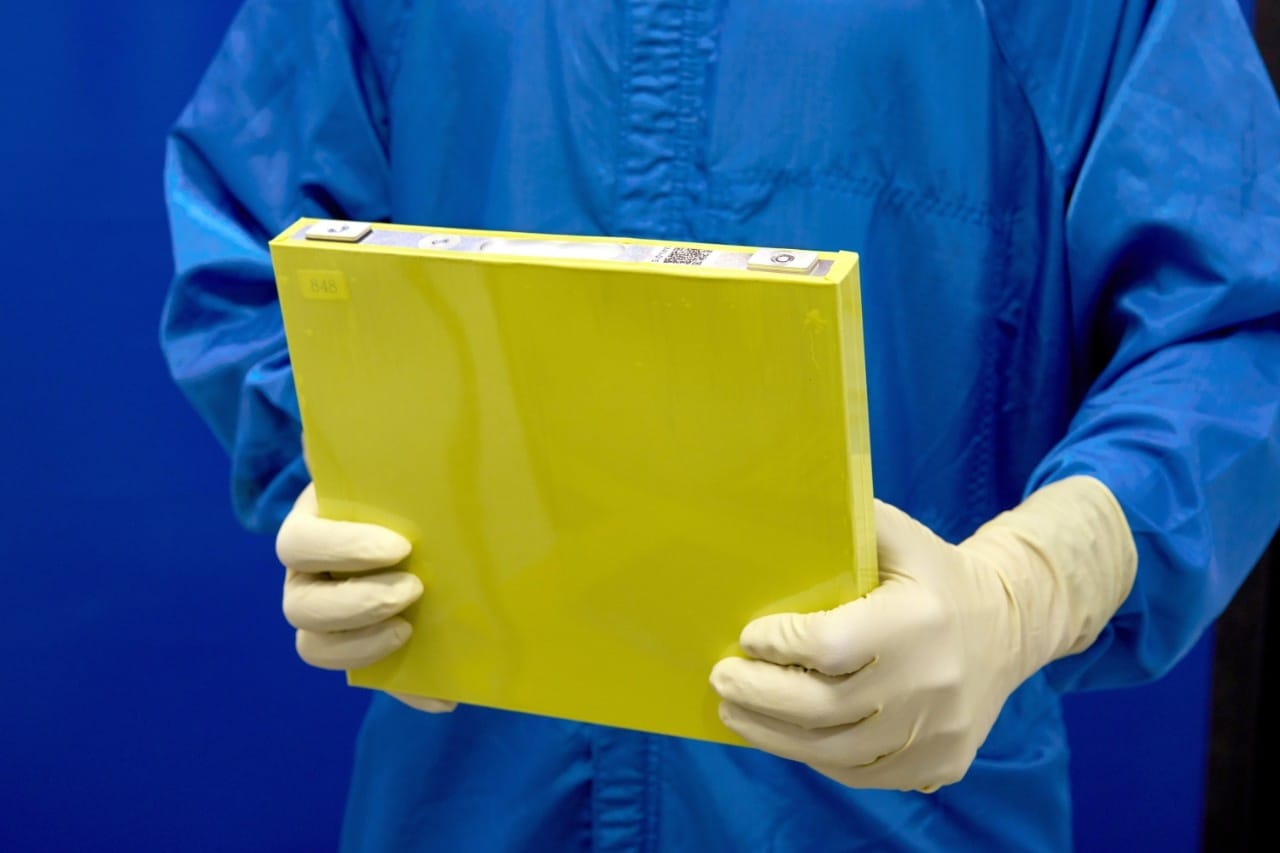
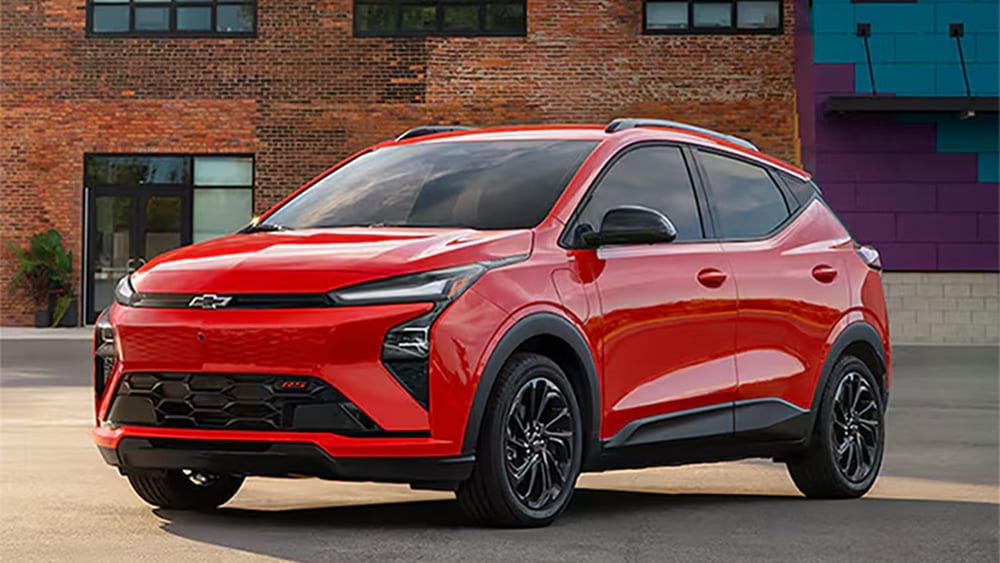
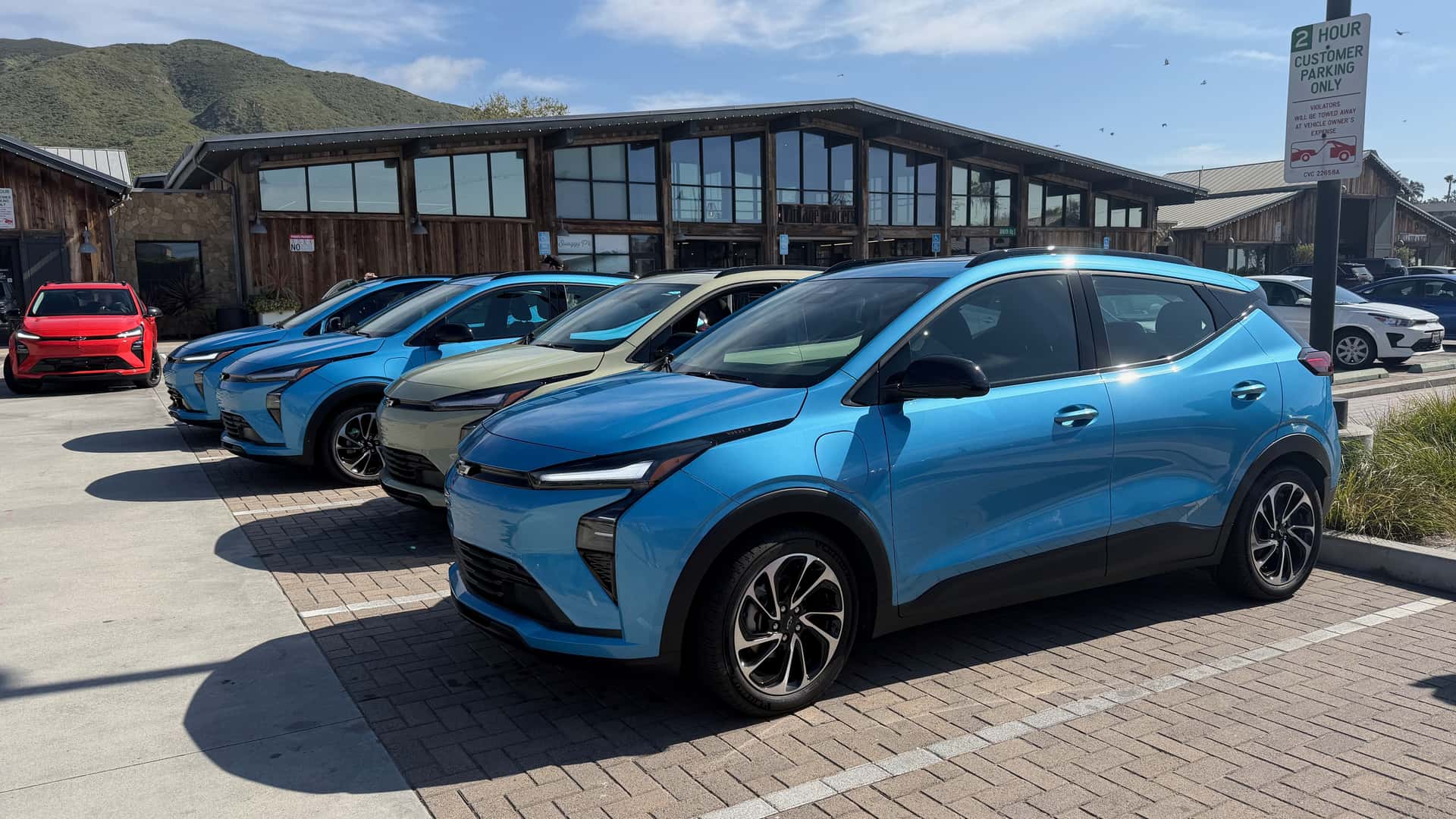
The chemistry in question is LMR, or lithium-manganese-rich. GM says it is almost as energy-dense as the nickel-manganese-cobalt (NMC) cells in its current EVs, but at a cost comparable to the lithium-iron-phosphate (LFP) cells that power budget models like the Chevrolet Bolt. In a truck like the Silverado EV, GM claims LMR would preserve most of the vehicle’s 400-plus mile range while cutting at least $6,000 from the battery cost. For a mid-range model, that would bring the sticker price within reach of the petrol equivalent.
Why GM needs a new chemistry
GM’s EV rollout has been halting. Last year, the automaker took a $1.6 billion charge as it reconfigured production capacity, laid off thousands of workers, and reportedly shelved a refresh of its full-size electric trucks and SUVs. The broader US EV market has softened, and at least a dozen EV models have been discontinued in 2026 as tariffs and the expiration of federal tax credits reshape the landscape.