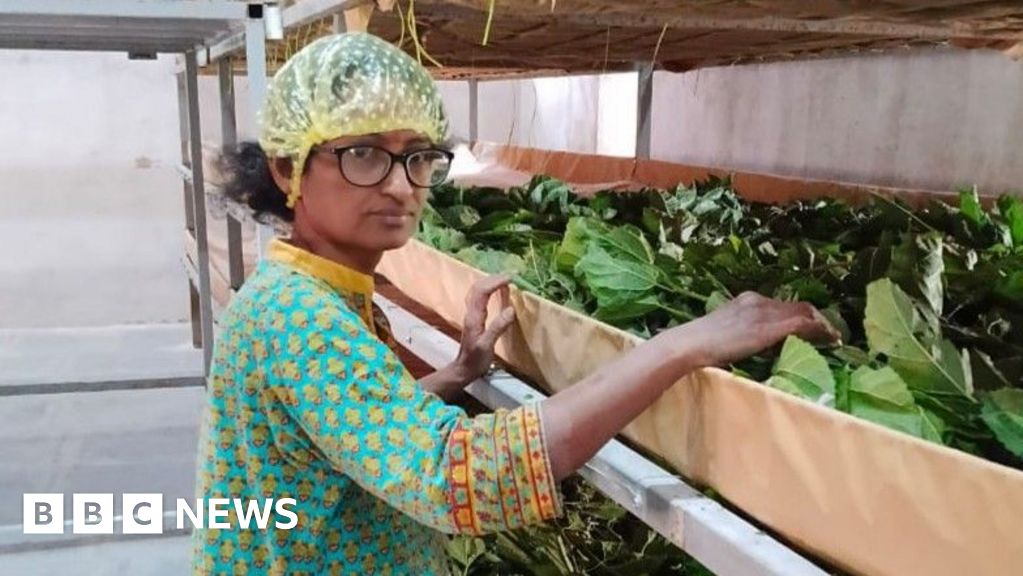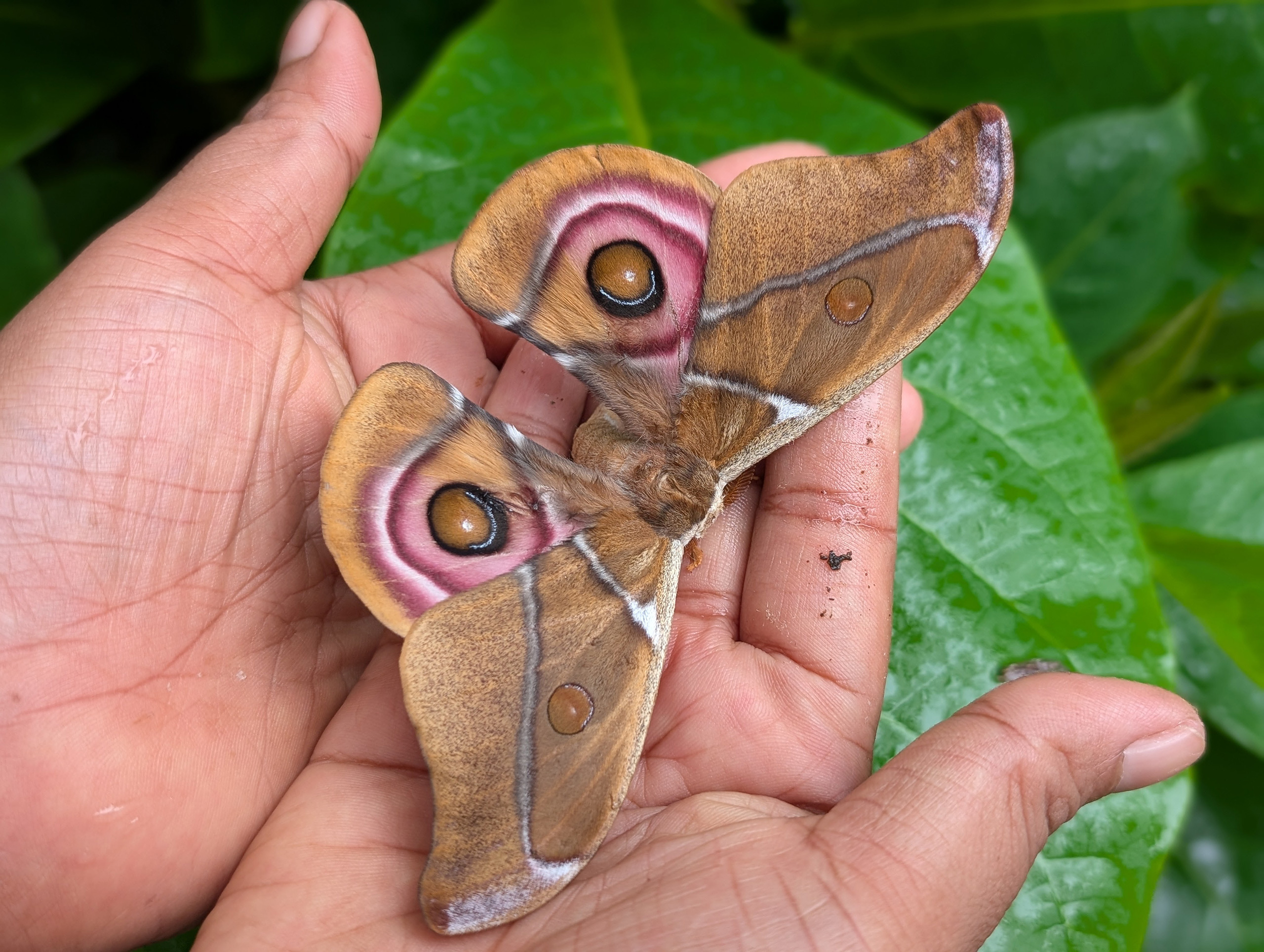
Catherine Craig’s conservation work began with field biology, from chimpanzees at Gombe to decades of research on spiders, silk, and insect behavior.In Madagascar, she developed a conservation enterprise built around native silk-producing caterpillars, border forests, and new sources of income for farmers and artisans.The project’s endurance depended on Malagasy leadership, patient work with communities, and a willingness to adapt when markets, weather, and local needs changed.After more than two decades, Craig stepped back from daily leadership, leaving the program financially secure and increasingly governed by the people who built it locally.
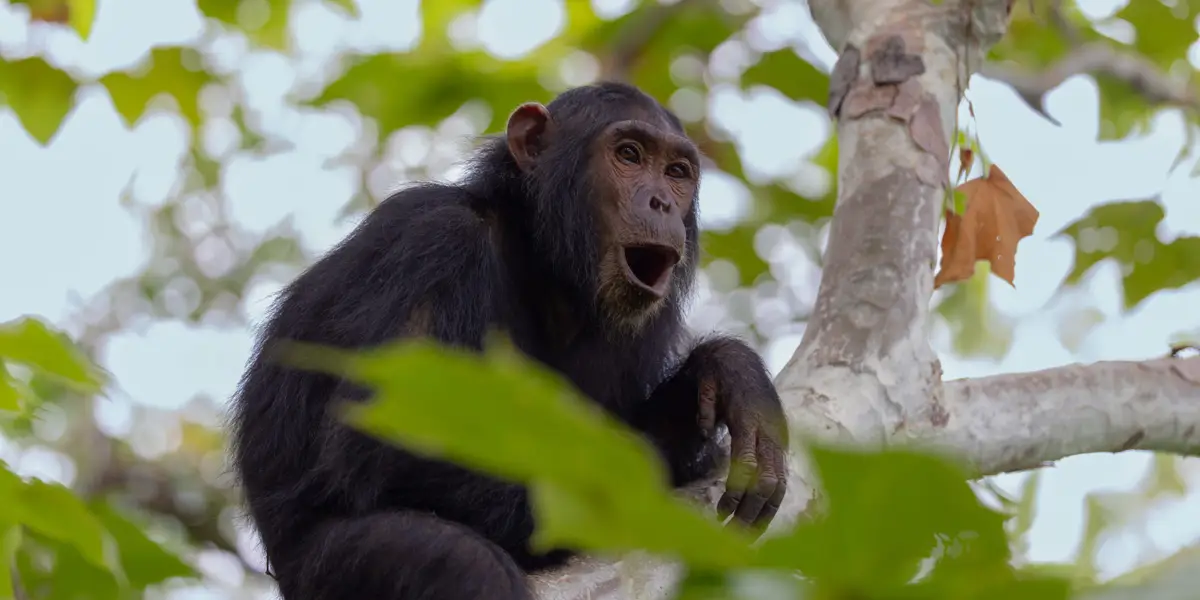
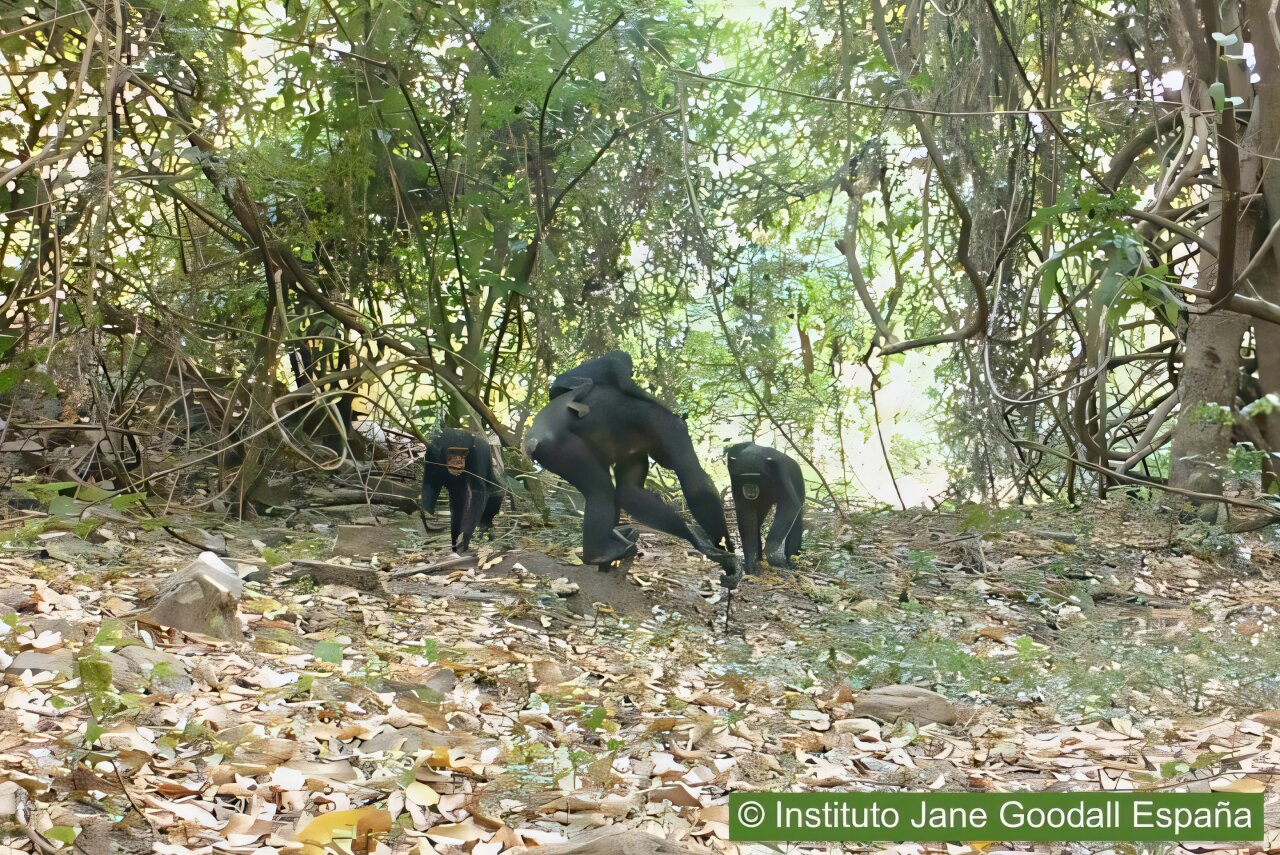
When Catherine Craig first went to Gombe in 1972, she was not thinking about silk. She was an undergraduate in a four-seat plane with Jane Goodall, flying over the Tanzanian forest where Goodall’s work on chimpanzees was changing how scientists understood animals. Craig spent six months there, learning to recognize individual chimpanzees and helping track mothers and infants through the steep woodland above Lake Tanganyika. The forest stayed with her. So did the sight of people living nearby with few choices, and the later realization that even forests thought to be protected could disappear.