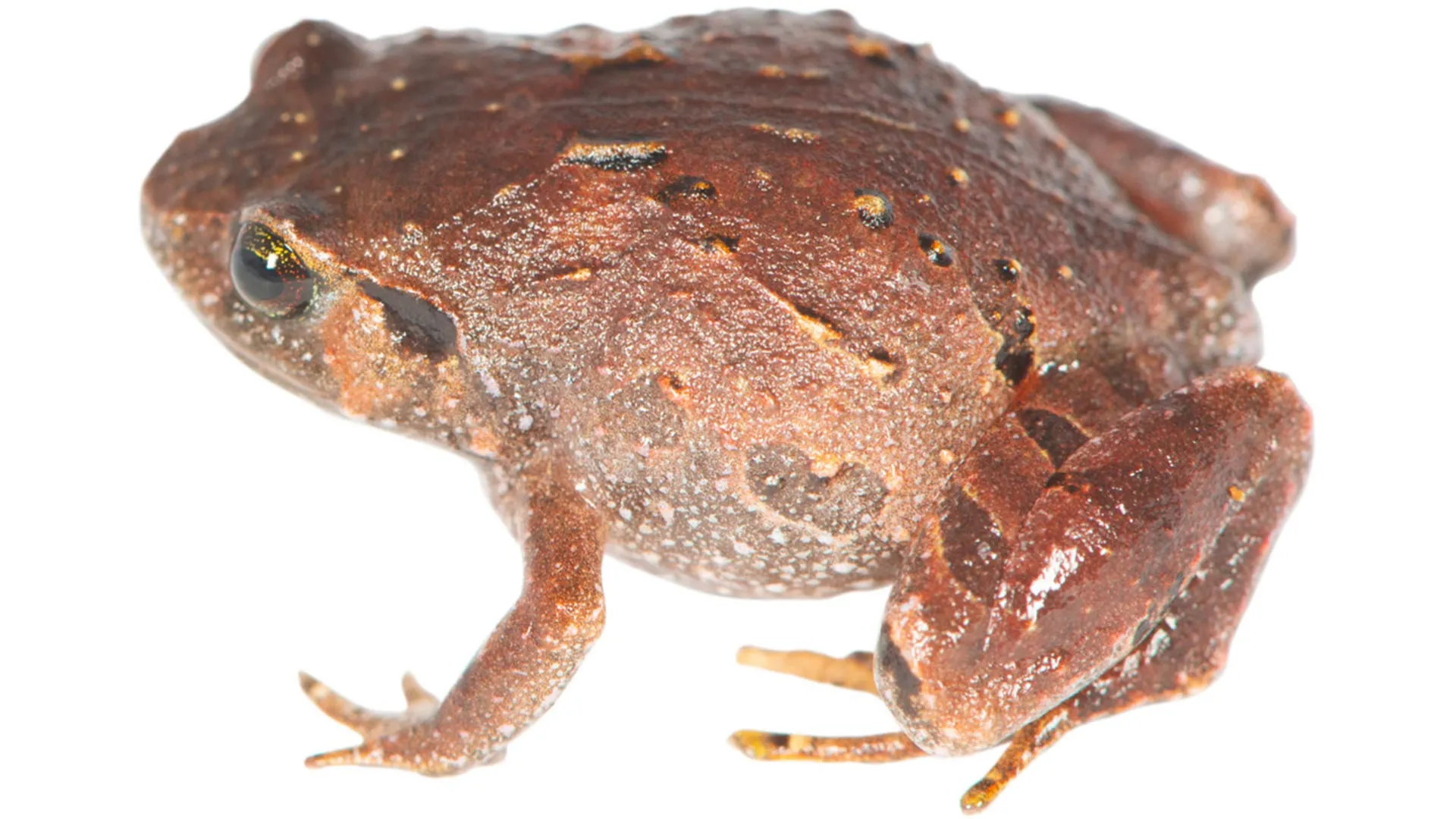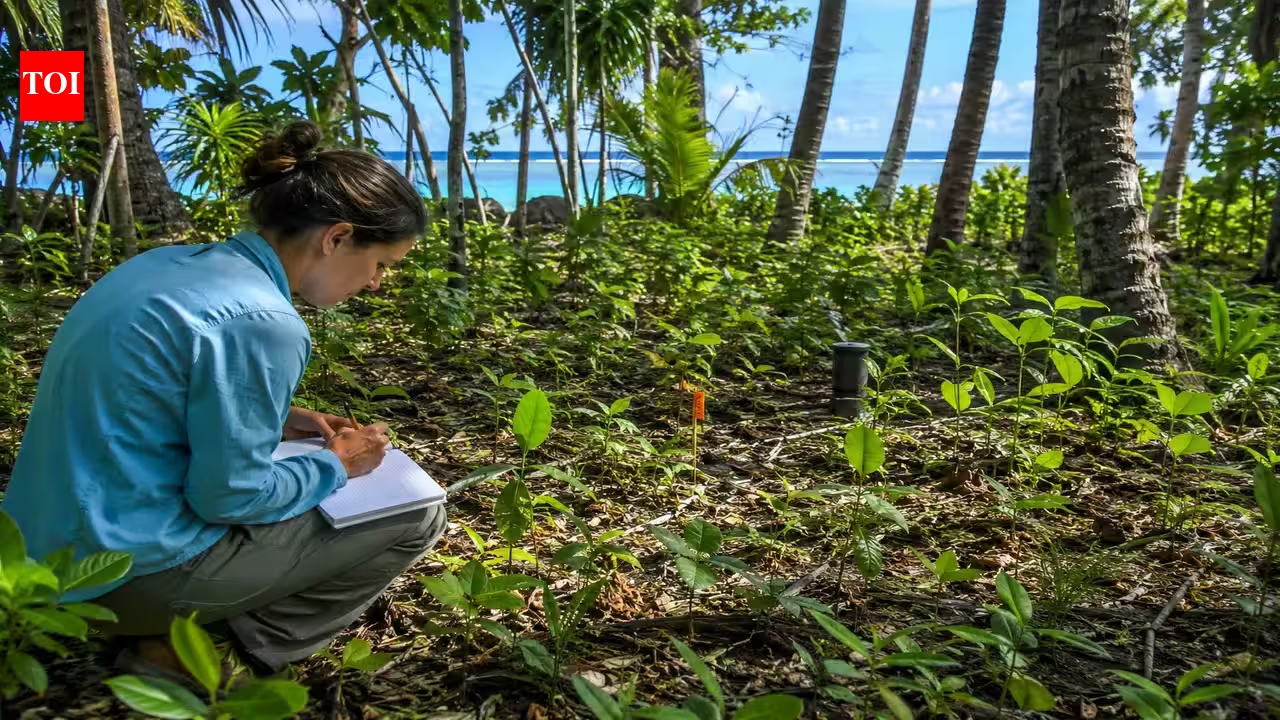
LIFEPLAN tracks arthropods, fungi, mammals and birds simultaneously using identical methods repeated year-round across continents, generating one of the largest standardized biodiversity data sets ever assembled.A forthcoming study found that geographic distance is a key driver of endemism in Madagascar’s arthropods.Entomologists use LIFEPLAN data to identify new priority areas for insect conservation that are not represented in the current protected area network.Researchers say they hope LIFEPLAN methods can support long-term biodiversity monitoring in Madagascar’s protected areas in collaboration with different partners.
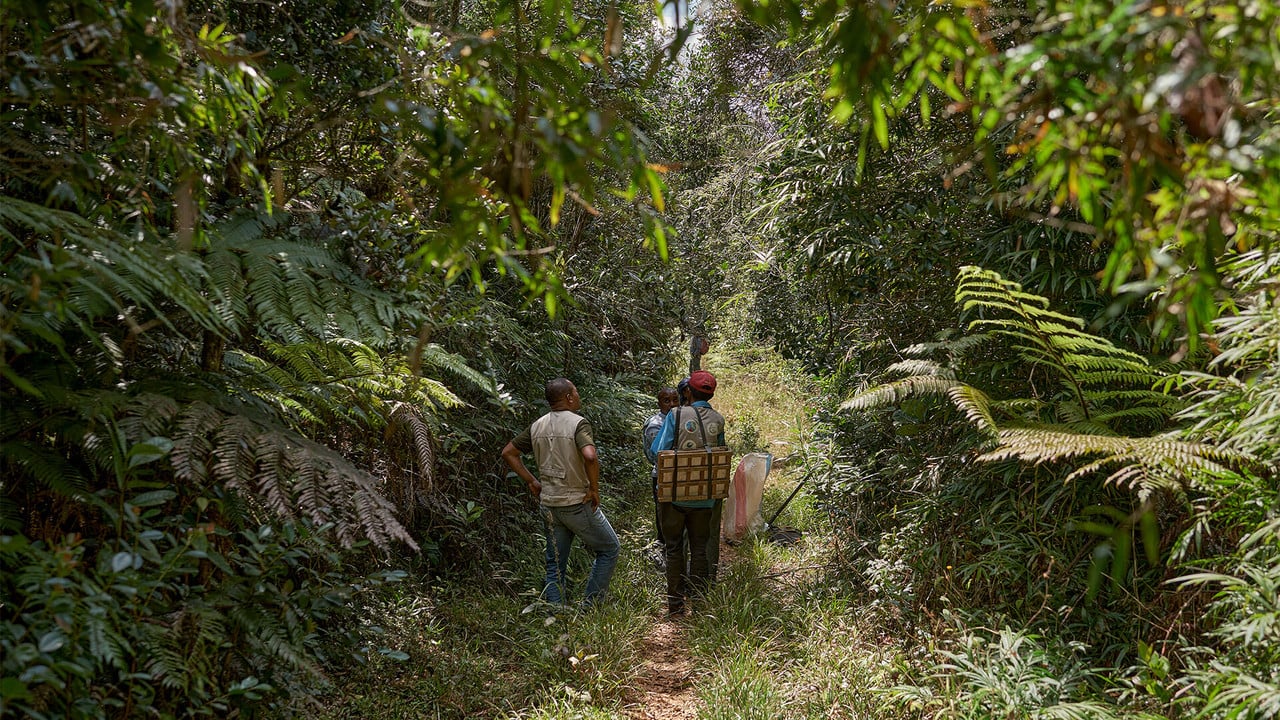
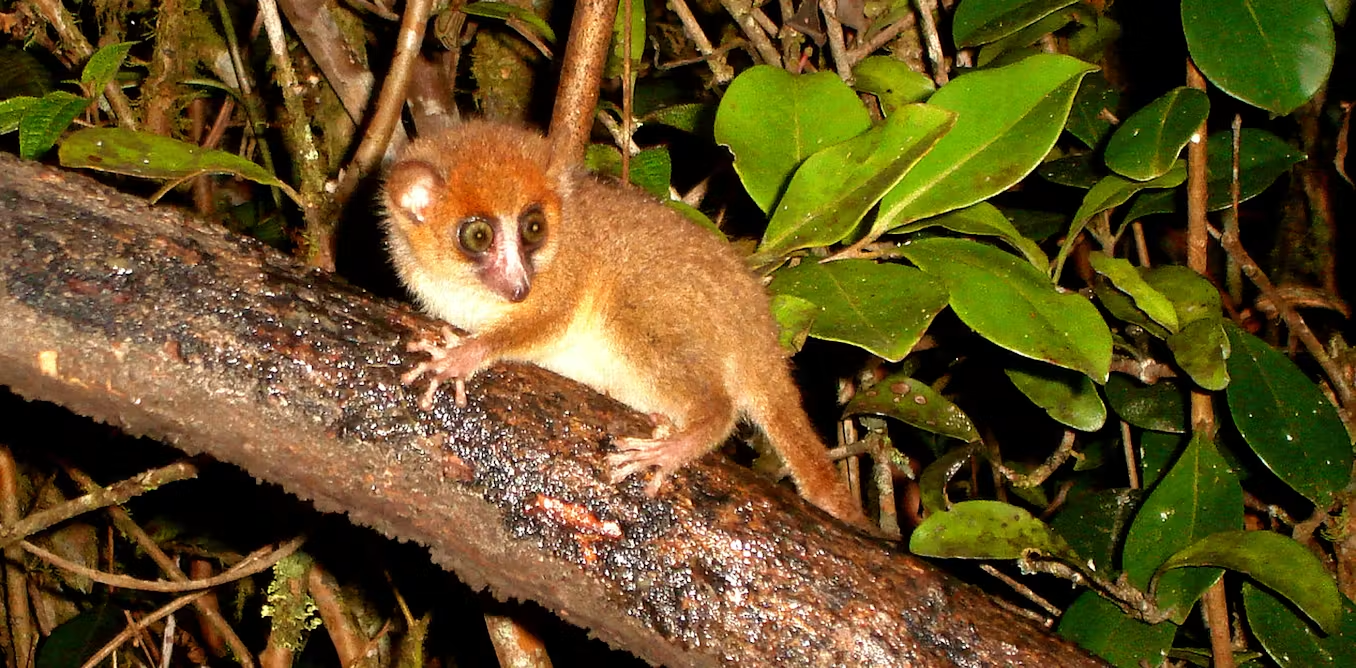
Conservation biologist Dimby Raharinjanahary spent years walking through Madagascar’s forests, counting some of the island’s most visible species, such as lemurs and birds. Raharinjanahary was head of monitoring and research for the country’s national parks service from 2012 to 2018, when monitoring still relied largely on tracking a handful of species as indicators of forest condition and ecosystem health.
“Conservation is based on a few target species. If you don’t see them, you say the forest is degraded,” he tells Mongabay. “But the opposite can also be true: you find them, and the forest is still degraded.”