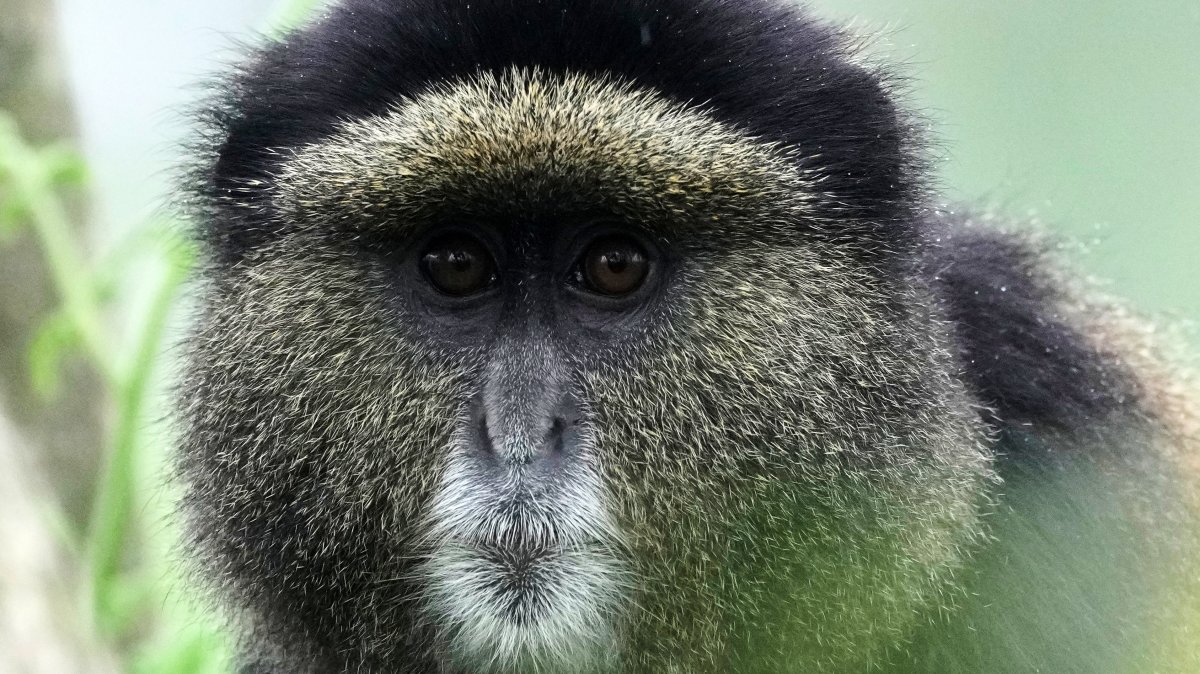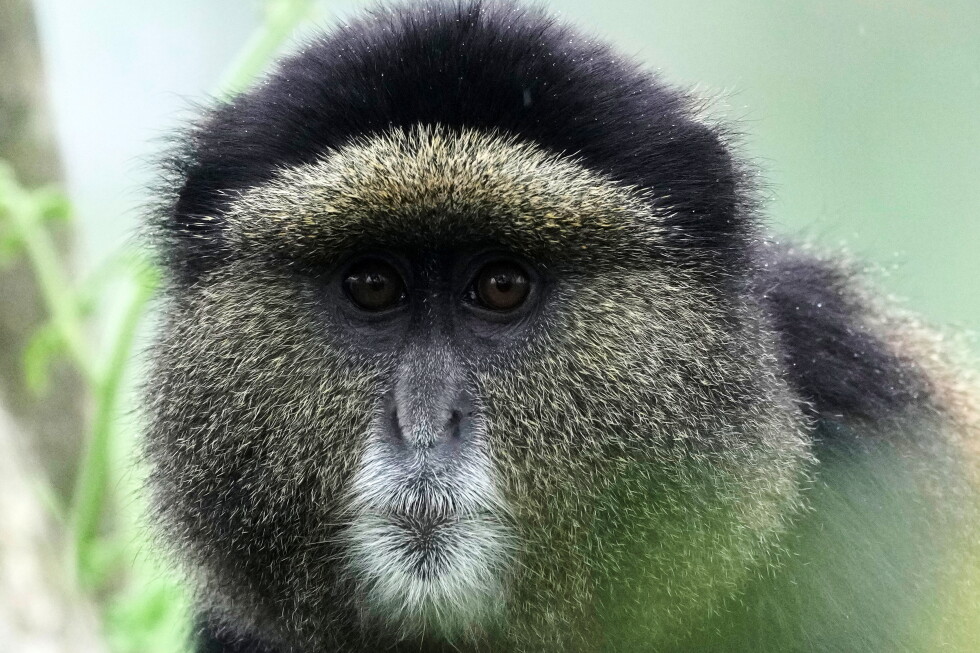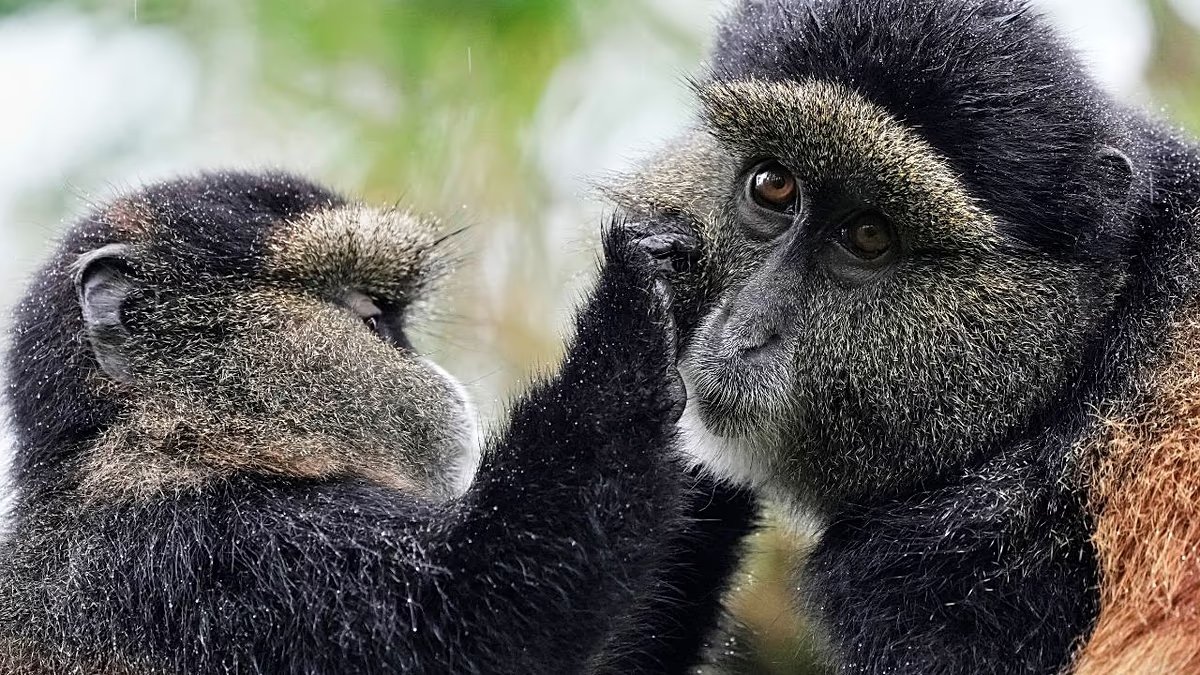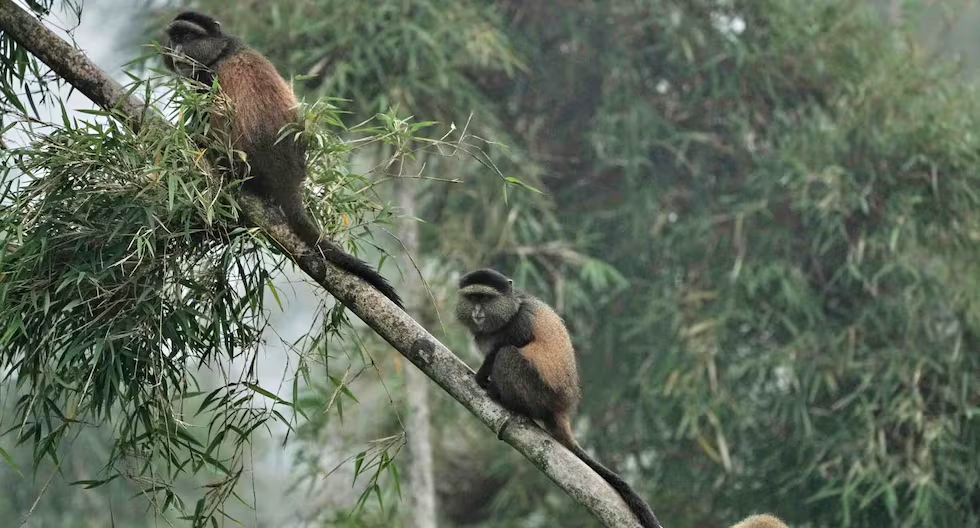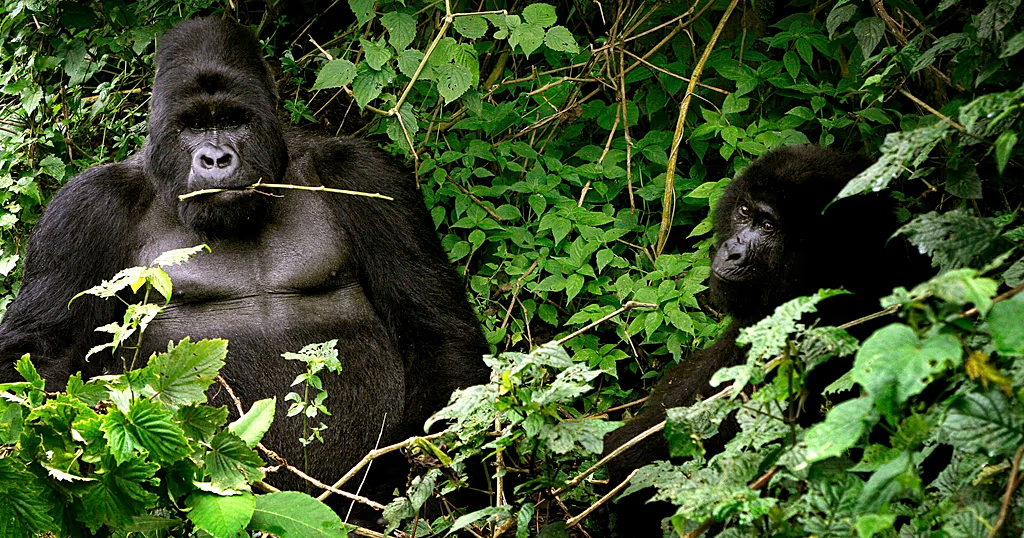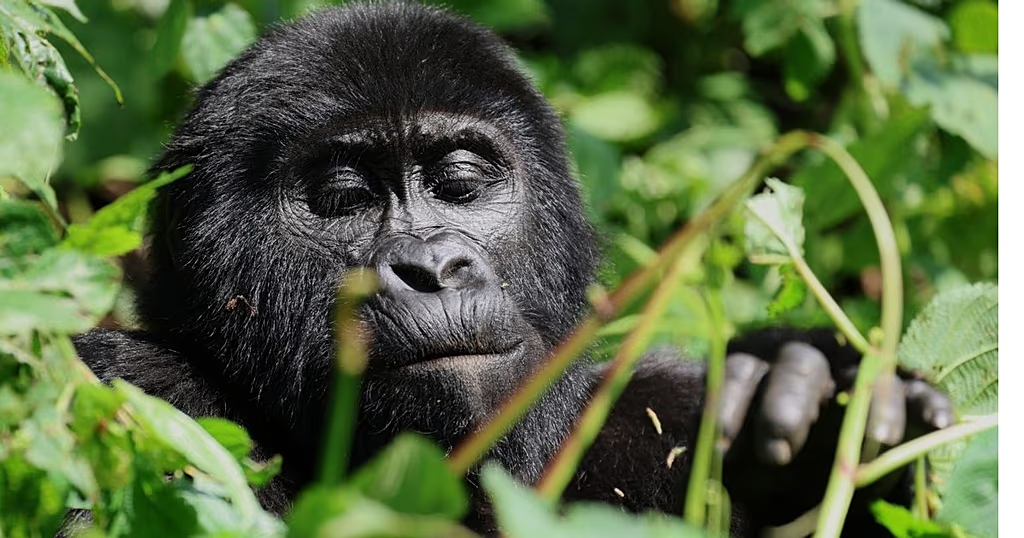
Rwanda is using environmental DNA technology to help detect endangered species like mountain gorillas and golden monkeys, as scientists and conservationists seek new ways to monitor biodiversity in dense forests threatened by climate change and human activity.
Deep inside Rwanda’s Volcanoes National Park, scientists are testing a new method to track wildlife hidden beneath thick vegetation and rugged mountain terrain.
Known as environmental DNA, or eDNA, the technology identifies species through traces of genetic material — including fur, saliva or feces — left behind in soil and water.
The approach is being introduced by the African Wildlife Foundation in partnership with the Rwandan government and conservation groups, with the goal of building a comprehensive inventory of species across the country.
Researchers say the method could strengthen efforts to protect endangered animals such as mountain gorillas and golden monkeys while reducing direct human interference during wildlife surveys.