WARPTECHNEWS · LAB
HomeAIBusinessTechArchive
WARPTECH LAB NEWS

Warptech Lab News aggrega le notizie più rilevanti da oltre 700 fonti internazionali, con classificazione AI, TL;DR sintetici e timeline cluster su singole storie.

Navigazione

  • Home
  • Archivio
  • Editor's Brief
  • Cerca
  • Il tuo account
  • Newsletter tech/AI

Informazioni legali

  • Privacy Policy
  • Termini di servizio
  • Cookie Policy

© 2026 Sparktech S.R.L. — Tutti i diritti riservati. Sito gestito e manutenuto da Sparktech S.R.L.

Sede legale: Corso Libertà 55, 13100 Vercelli (VC), Italia · P.IVA / C.F. 02835910023 · Contatti: admin@warptechlab.com

Home
Storia in 5 fonti

Scientists turn to eDNA to protect Rwanda’s mountain Gorillas | Africanews

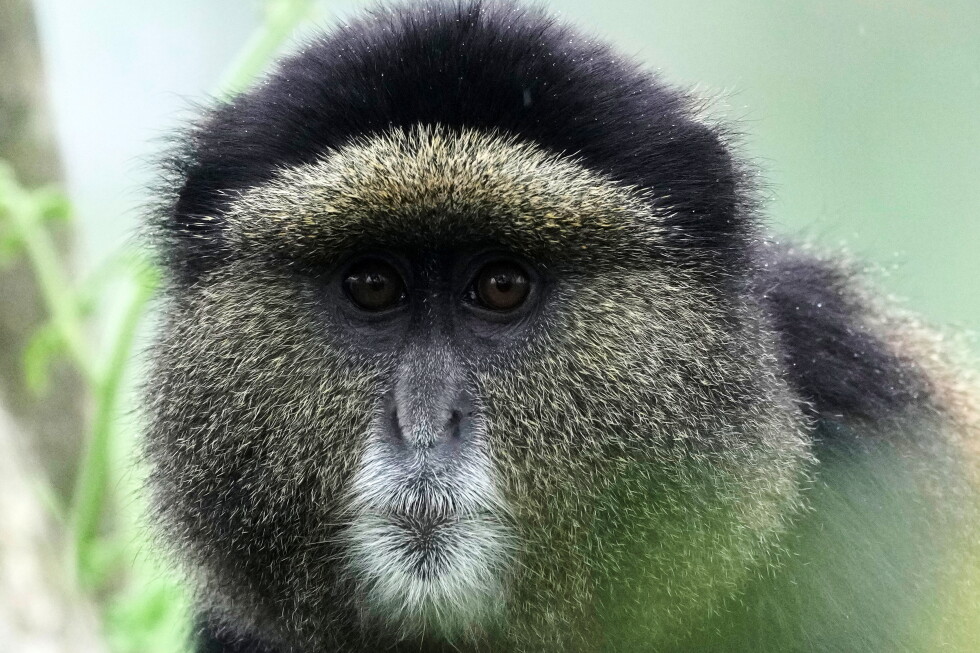
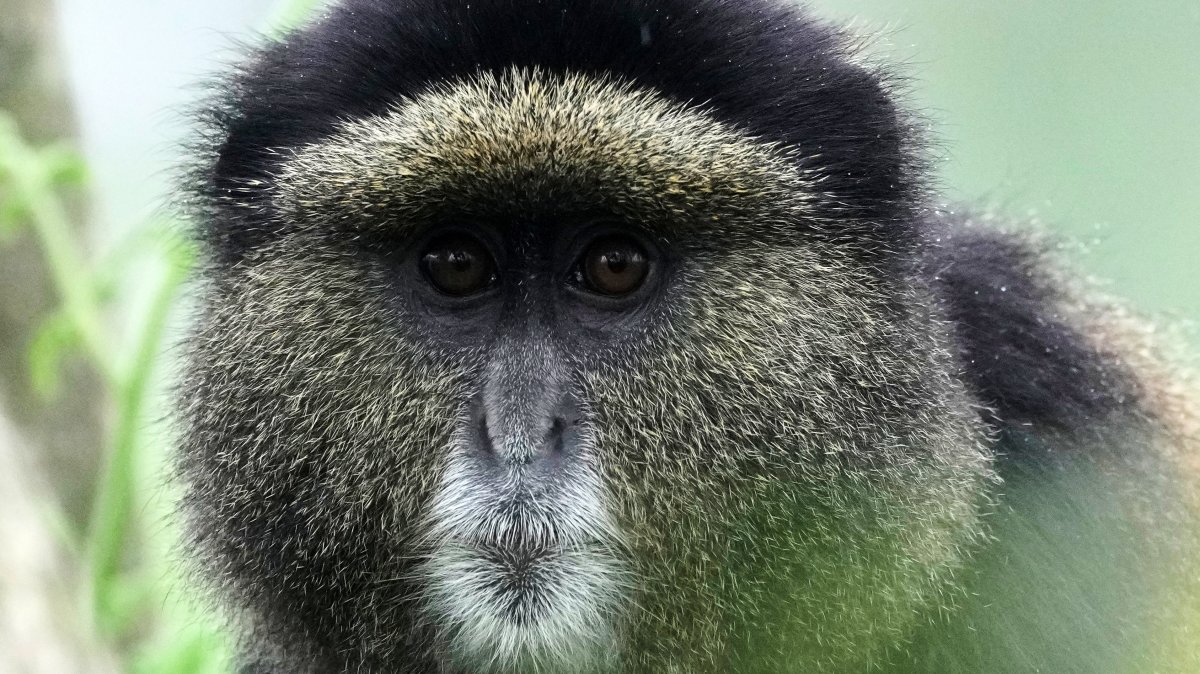
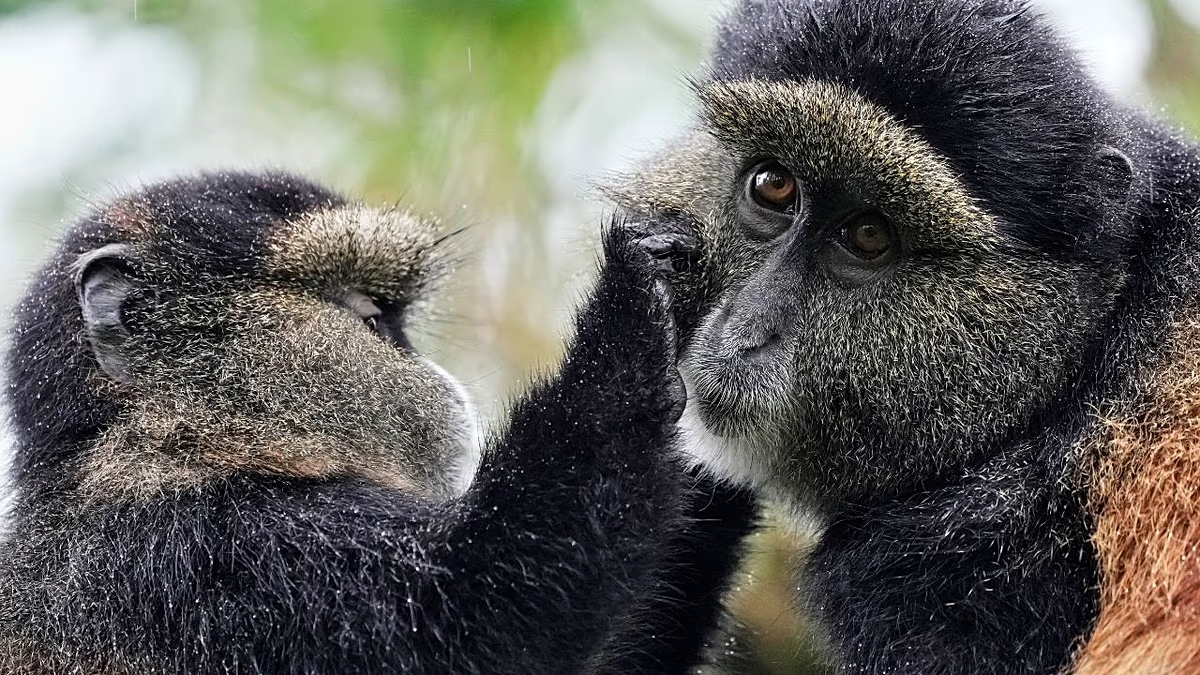
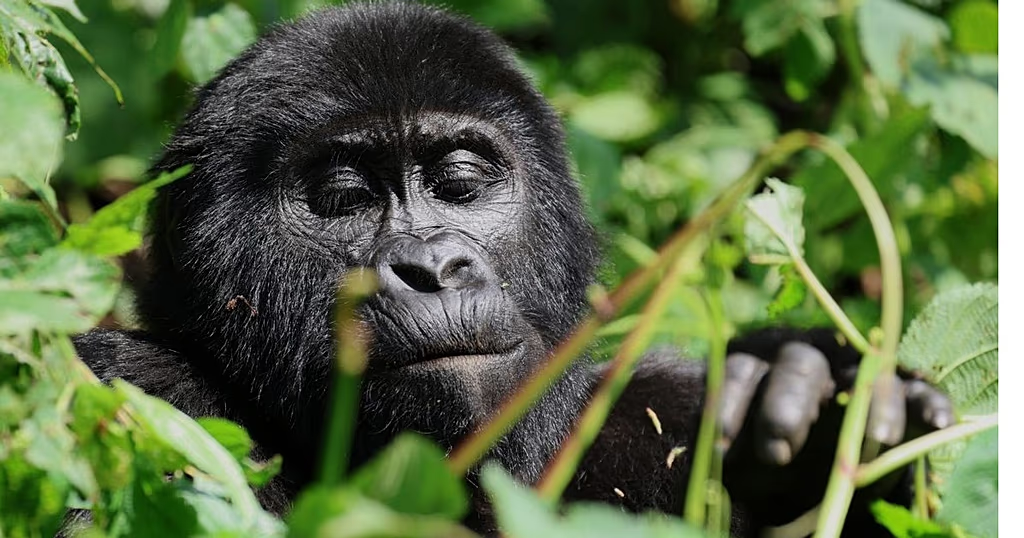
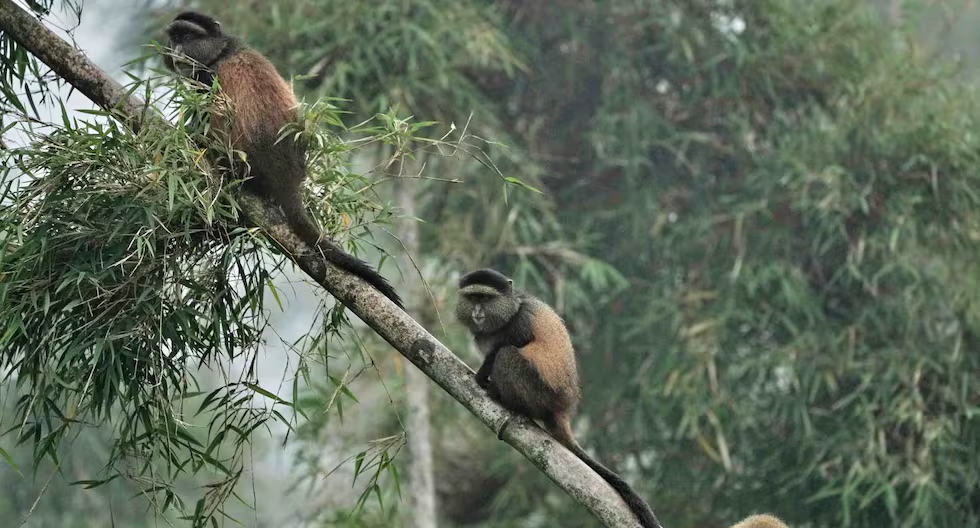
Rwanda is using environmental DNA technology to help detect endangered species like mountain gorillas and golden monkeys, as scientists and conservationists seek new ways to monitor biodiversity in dense forests threatened by climate change and human activity.

Raccontata daapnews.comdailysabah.comit.euronews.comafricanews.comelcomercio.pe

Confronto fonti

5 prospettive sulla stessa storia
AI · summaries
africanews.comStai leggendo3 g fa

Scientists turn to eDNA to protect Rwanda’s mountain Gorillas | Africanews

Rwanda is using environmental DNA technology to help detect endangered species like mountain gorillas and golden monkeys, as scientists and conservationists seek new ways to monitor biodiversity in dense forests…

originale
dailysabah.com5 g fa

DNA traces reshaping Rwanda's wildlife conservation efforts

In the mist-covered forests of Rwanda’s Volcanoes National Park, one of Africa's best-known reserves, scientists are turning to a new technology to...
Leggi questa versione → originale
apnews.com5 g fa

How collecting DNA samples in the wild could transform conservation

Rwanda is using a new approach known as environmental DNA technology to detect species like the endangered mountain gorilla using genetic material left in soil and water.

Leggi questa versione → originale
it.euronews.com5 g fa

Campioni di DNA in natura, una rivoluzione per la conservazione

Nel Parco Nazionale dei Vulcani in Ruanda, gli scienziati usano nuove tecnologie per individuare e proteggere specie a rischio, come gorilla di montagna e cercopitechi dorati, senza disturbarli. Ecco come funziona e…

Leggi questa versione → originale
elcomercio.pe2 g fa

Cómo la recolección de muestras de ADN en entornos silvestres podría transformar la conservación

Tecnología permite a los investigadores identificar especies por medio de material genético como pelaje o heces que quedan en el suelo y el agua.

Leggi questa versione → originale

Timeline cronologica

  1. lunedì 25 maggio 2026·apnews.com

    How collecting DNA samples in the wild could transform conservation

    Rwanda is using a new approach known as environmental DNA technology to detect species like the endangered mountain gorilla using genetic material left in soil and water.

  2. lunedì 25 maggio 2026·dailysabah.com

    DNA traces reshaping Rwanda's wildlife conservation efforts

    In the mist-covered forests of Rwanda’s Volcanoes National Park, one of Africa's best-known reserves, scientists are turning to a new technology to...
  3. lunedì 25 maggio 2026·it.euronews.com

    Campioni di DNA in natura, una rivoluzione per la conservazione

    Nel Parco Nazionale dei Vulcani in Ruanda, gli scienziati usano nuove tecnologie per individuare e proteggere specie a rischio, come gorilla di montagna e cercopitechi dorati,…

  4. mercoledì 27 maggio 2026·africanews.com

    Scientists turn to eDNA to protect Rwanda’s mountain Gorillas | Africanews

    Rwanda is using environmental DNA technology to help detect endangered species like mountain gorillas and golden monkeys, as scientists and conservationists seek new ways to…

  5. giovedì 28 maggio 2026·elcomercio.pe

    Cómo la recolección de muestras de ADN en entornos silvestres podría transformar la conservación

    Tecnología permite a los investigadores identificar especies por medio de material genético como pelaje o heces que quedan en el suelo y el agua.