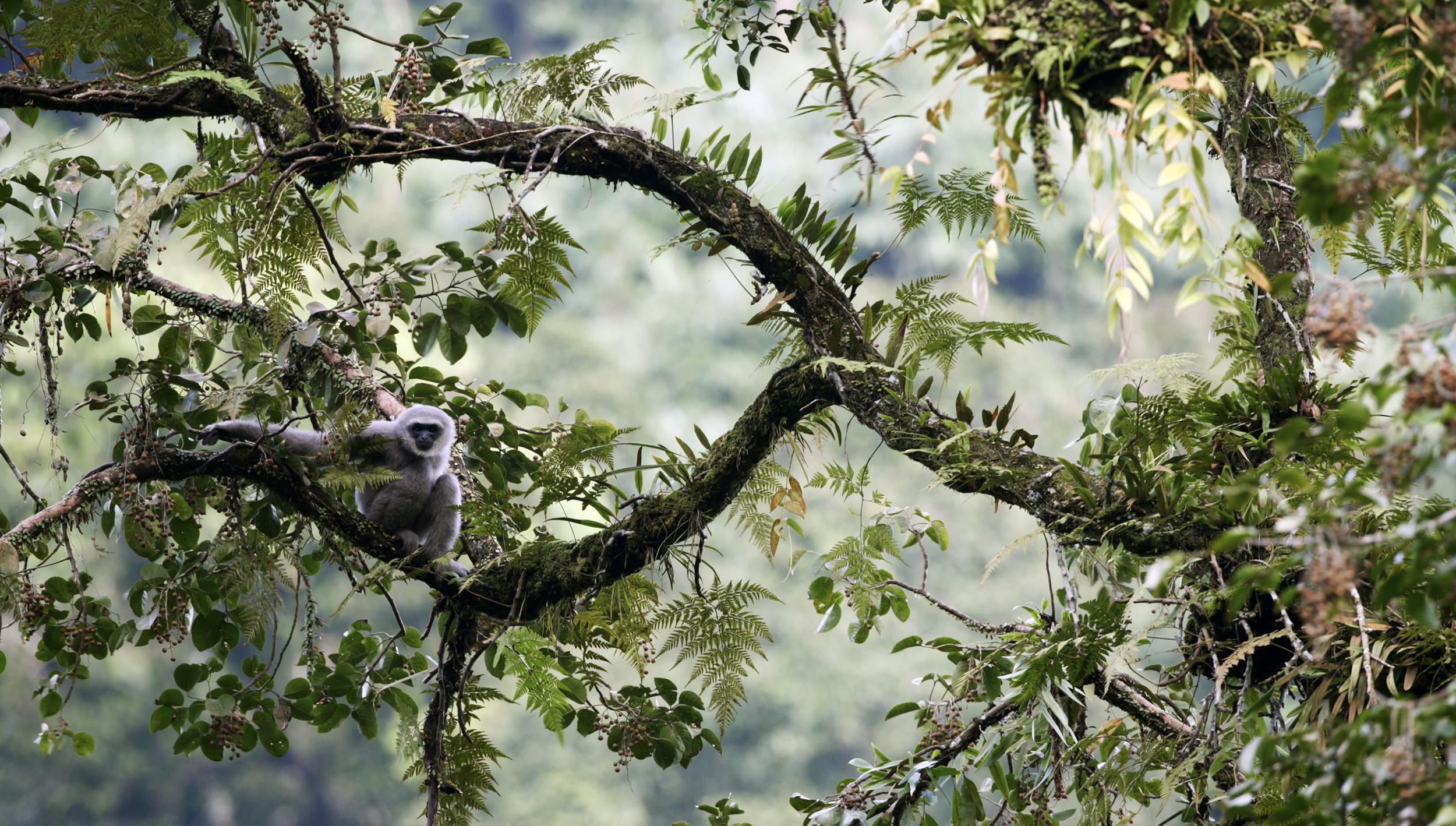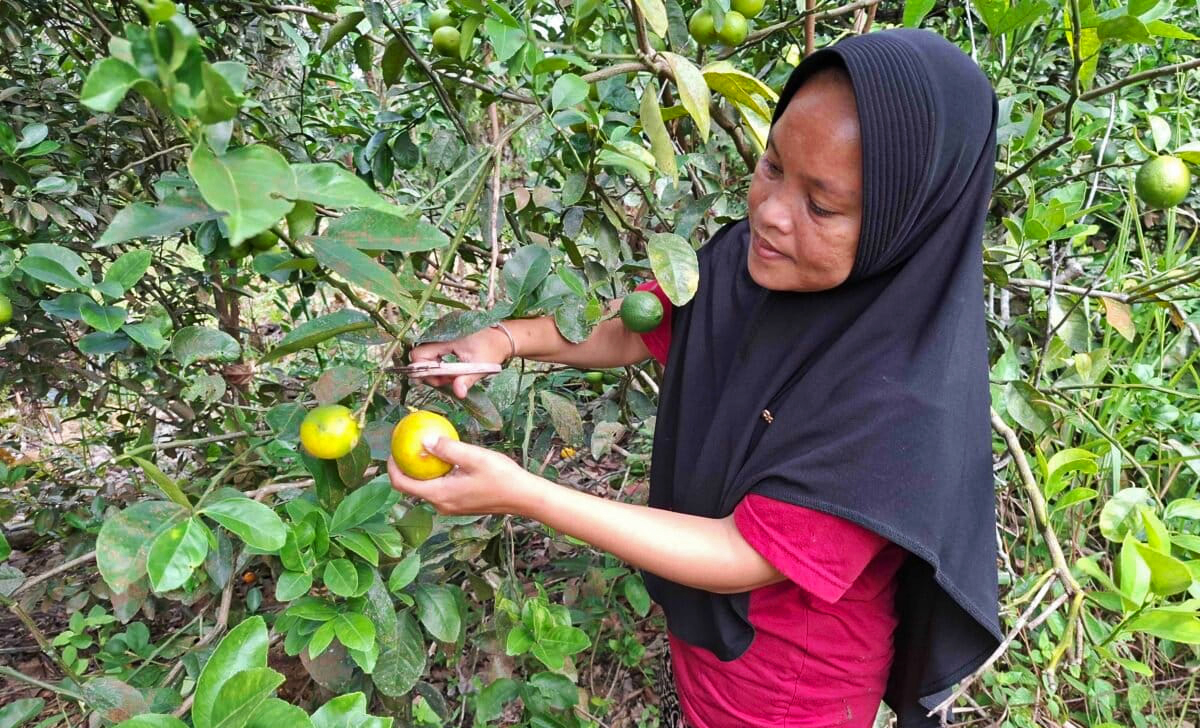
A group of women in Indonesia’s West Java province have become skilled printers on fabric using motifs derived from various plant species found in their local environment.Last year, Indonesian primatologist Rahayu Oktaviani received an award in recognition of her organization’s work with Java’s silvery gibbon, which included formation of the grassroots printing collective.The most recent assessment estimates fewer than 4,500 Javan gibbons remain in the wild, with half of the world’s Javan gibbon population living in the national park contiguous to the site of the Ambu Halimun initiative.
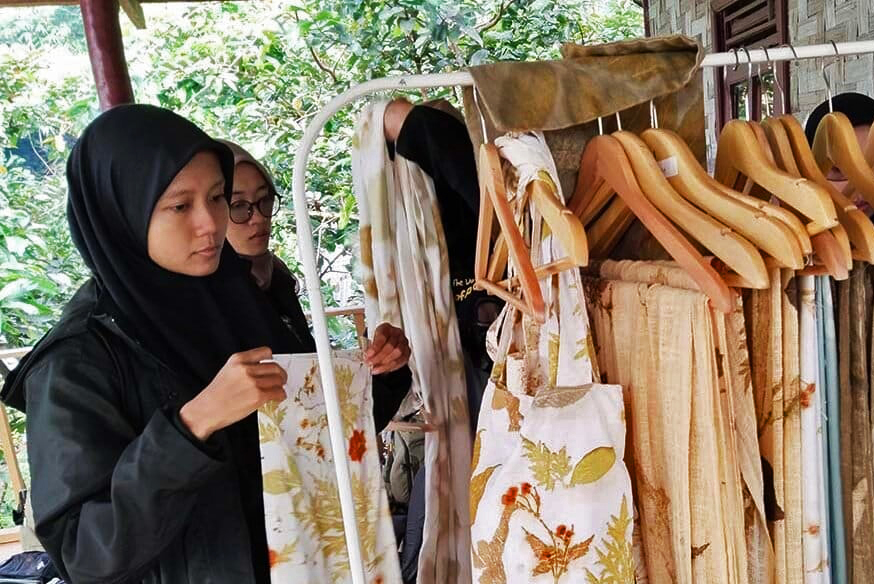
BOGOR, Indonesia — In a village bordering Gunung Halimun-Salak National Park on the Indonesian island of Java, local people browse a row of fabrics carrying impressions of plants and the silhouette of the forest’s silvery gibbon. They are made by the women-led Ambu Halimun collective, whose name translates to “mothers of Halimun” in the local dialect.
The project focused on boiling and pressing distinctive local plants into motifs on fabric, which drew women like Mirna Maharani into closer observation of the vegetation surrounding the village of Citalahab.
Species once overlooked, even dismissed as weeds, have since acquired new value as sources of color, pattern and identity, Mirna explained.