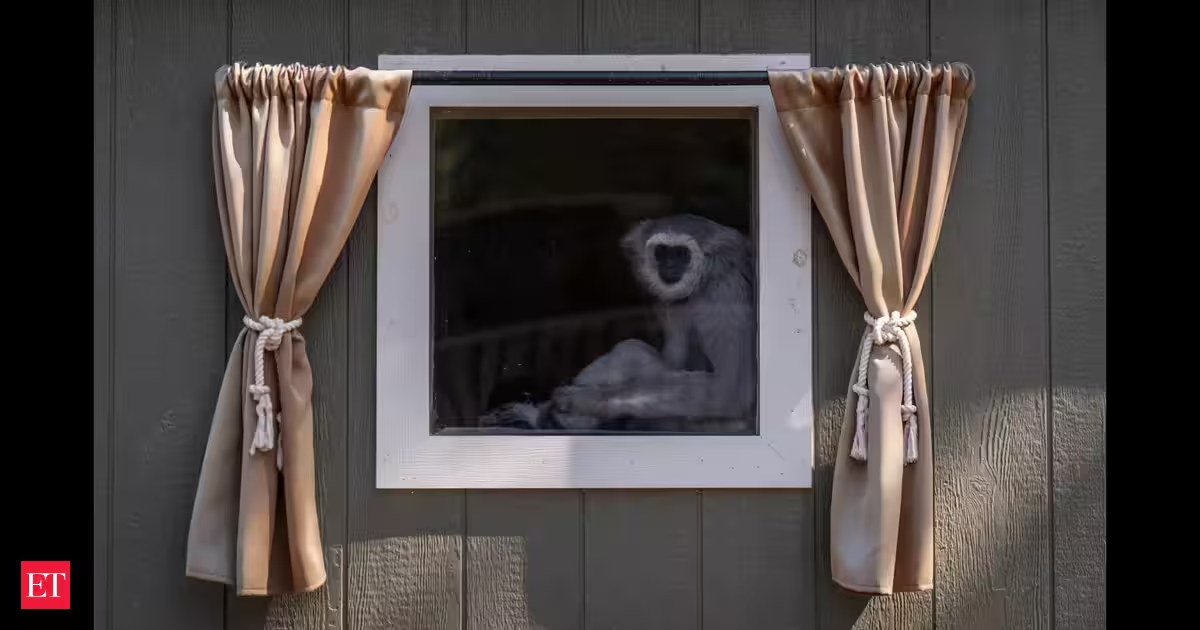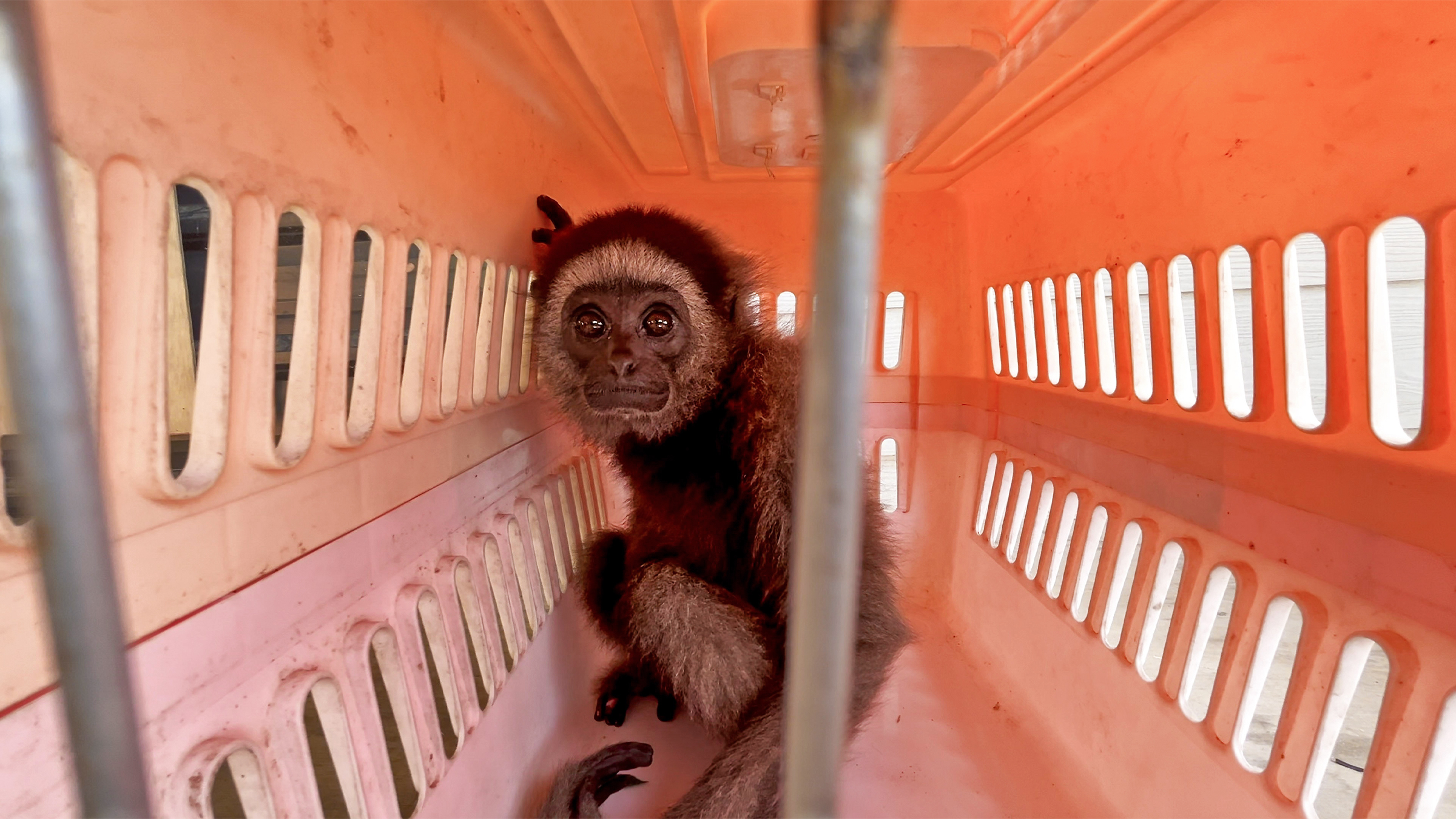
As gibbon trafficking reaches record highs, conservationists say reducing demand is critical to tackling the illegal trade.But motivations for wanting to buy a gibbon vary widely between buyer communities, which means the solutions must be tailored accordingly, experts say.Surveys of people who voluntarily surrendered gibbons to a sanctuary in Malaysia found that most cited as motivation a love of animals or desire for their children to have an animal to play with.In India, by contrast, a sanctuary manager says gibbons are coveted as status symbols, and most arrive at the center via confiscation rather than voluntary submission.
“When we first got Joy, we thought she was a monkey,” says Esther.
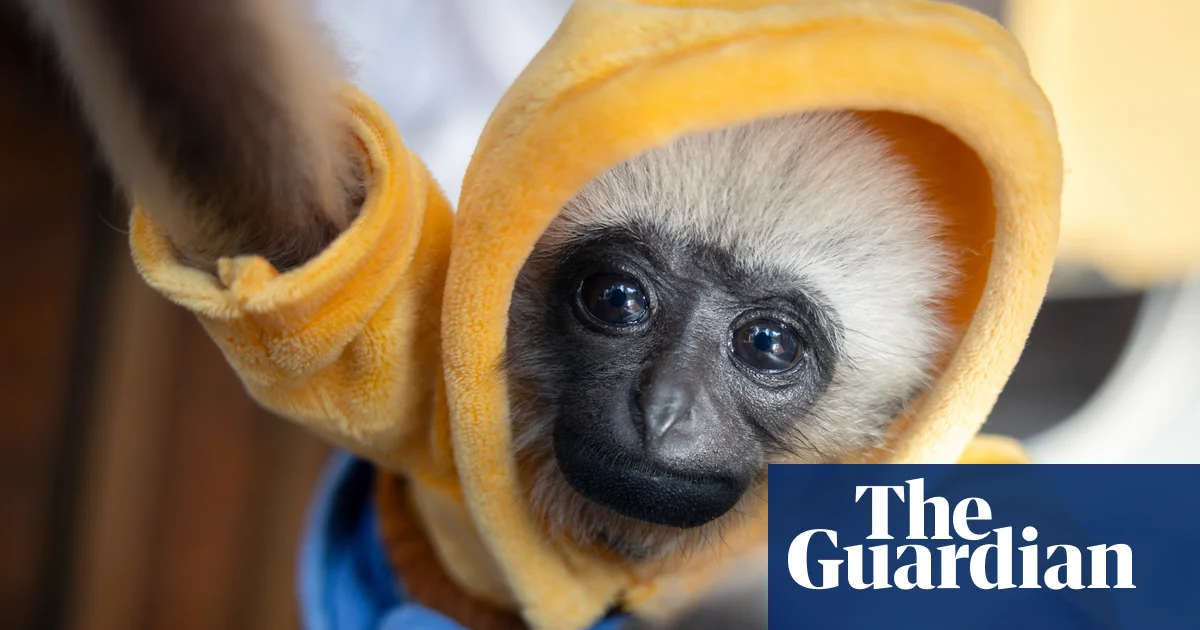
A hunter had come to her village in the Malaysian state of Sabah, on the island of Borneo, to sell wild meat. He showed Esther (not her real name) and her husband a weeks-old primate with long arms, dark skin and large, round eyes. Worried the animal might otherwise be killed for food, she decided to take her home. It was only later that she realized Joy was not a monkey, but a gibbon.
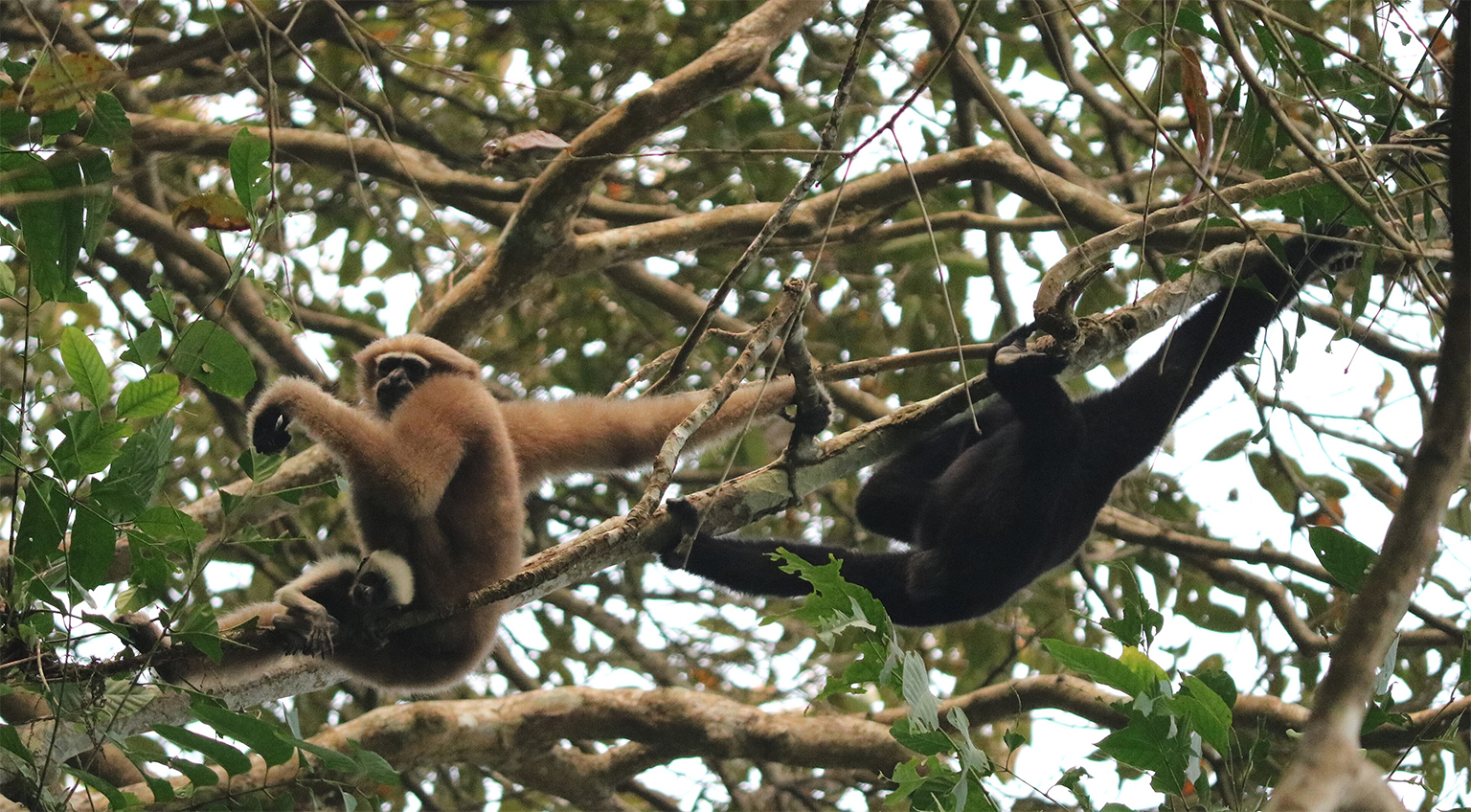
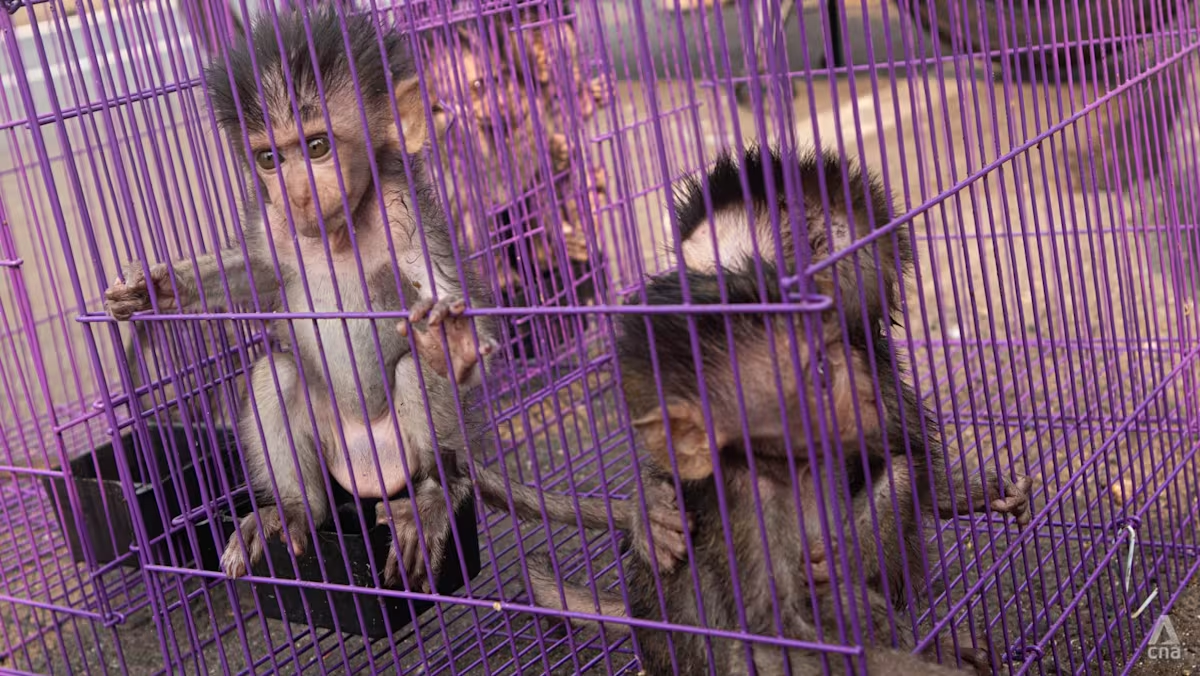
Gibbons are small apes, more closely related to chimpanzees and humans than to monkeys. Across their range in South and Southeast Asia, they are increasingly threatened by the exotic pet trade. Despite laws that prohibit their capture, sale and ownership, demand for pet gibbons continues to drive illegal trade in wild-caught animals, much of which now plays out online.