view more
Background
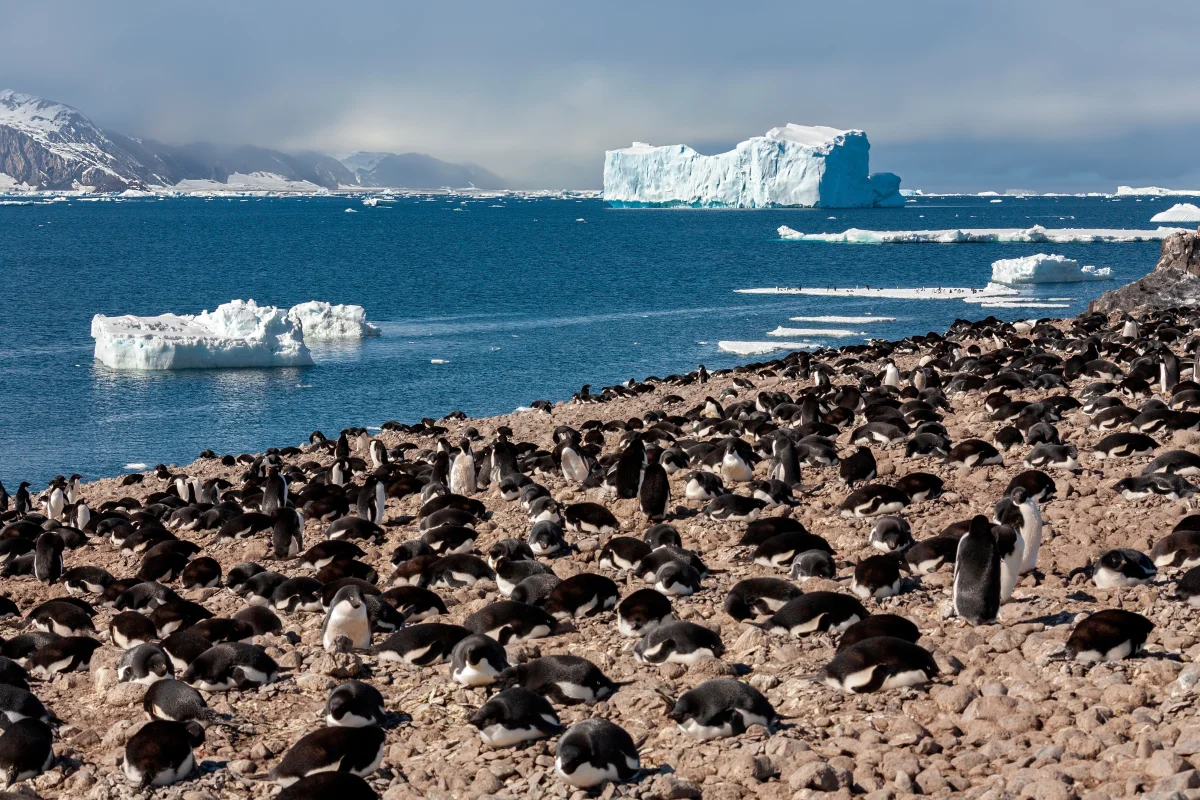
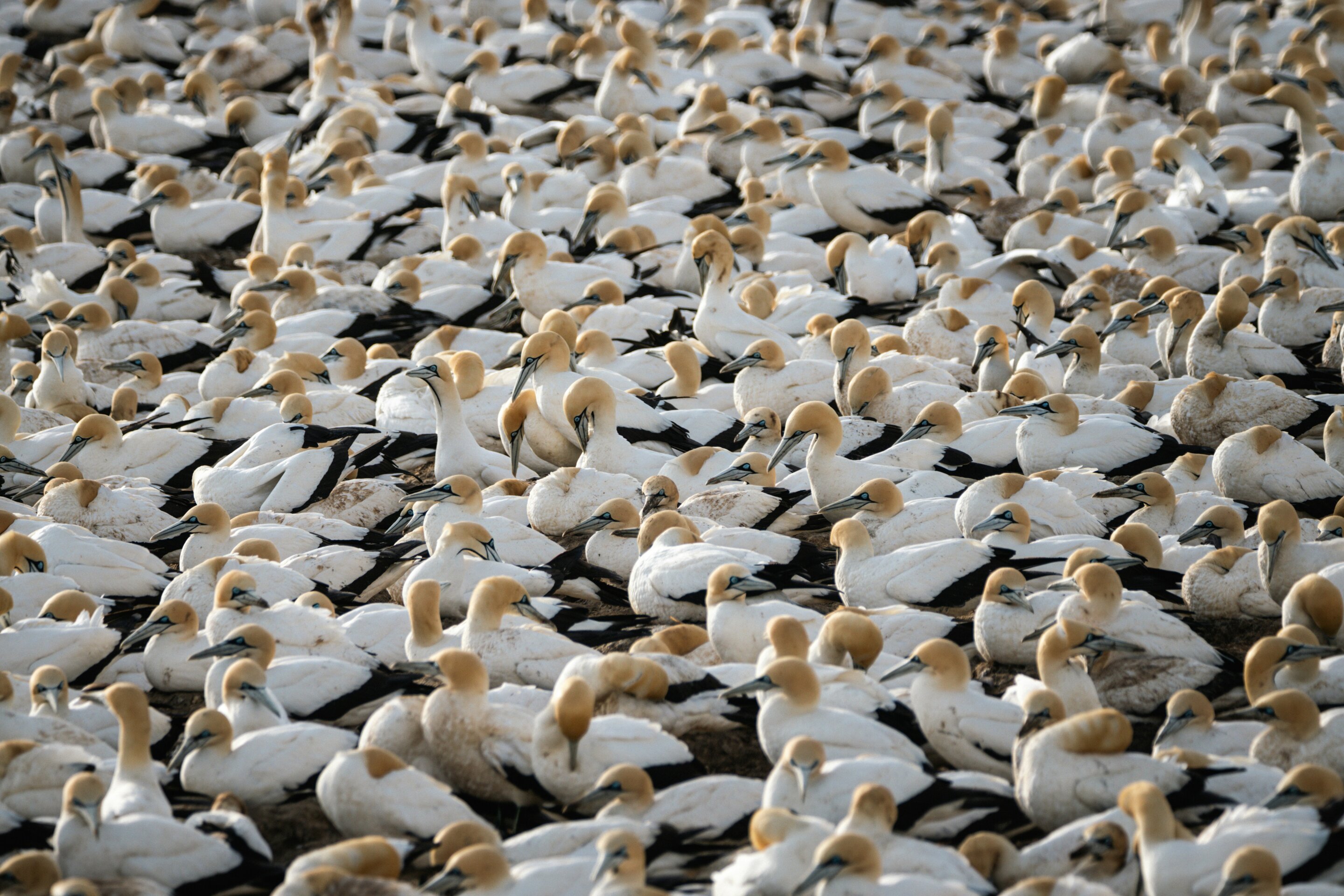
Many animals live in groups. Among seabirds in particular, most species form colonies during the breeding season. Although coloniality entails costs, such as increased competition for food and disease transmission, its repeated evolution across animal lineages suggests that group living provides important benefits.
One prominent hypothesis is that colonies allow individuals to acquire information about foraging sites from conspecifics. Knowing where food is located, and how profitable those sites are, can affect survival and reproductive success. When such information is acquired from conspecifics, it is referred to as social information. Yet, despite the presumed benefits of using social information, few empirical studies have tested from which conspecifics wild animals acquire such information or when they use it.
To address these questions, we examined which information sources Adélie penguins use when selecting foraging sites. We simultaneously and continuously tracked approximately one-third of the individuals in a small colony using biologging devices that recorded GPS locations and other behavioural data. During the chick-rearing period, Adélie penguins repeatedly undertake foraging trips from the colony to the sea and return to feed their chicks. By analysing these trips, we tested which information sources each individual used.