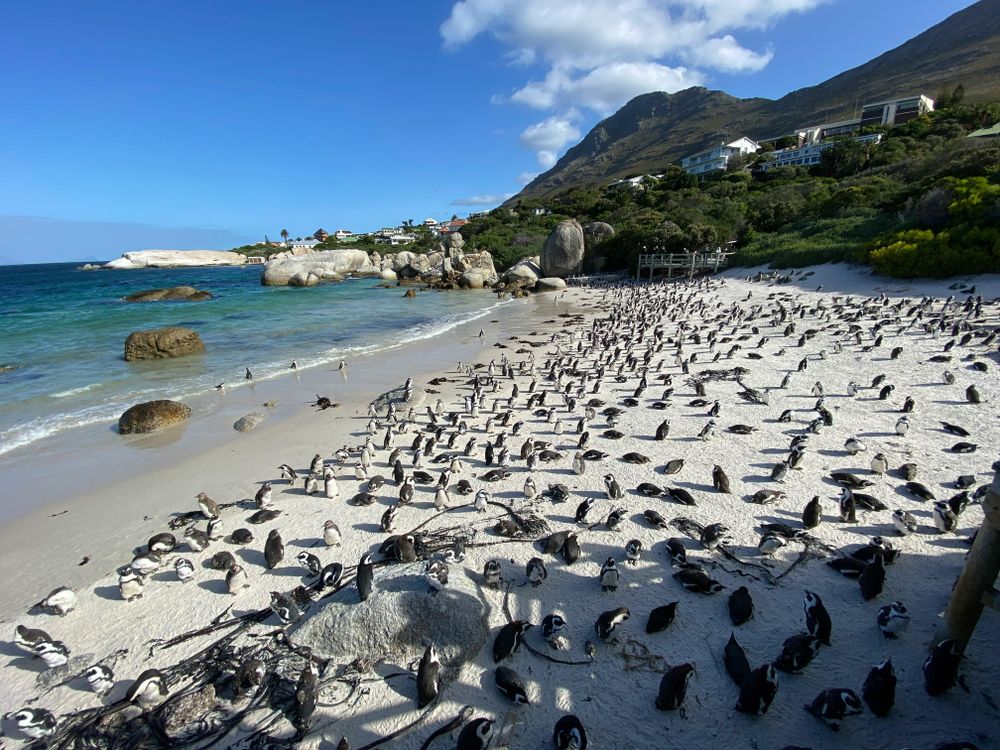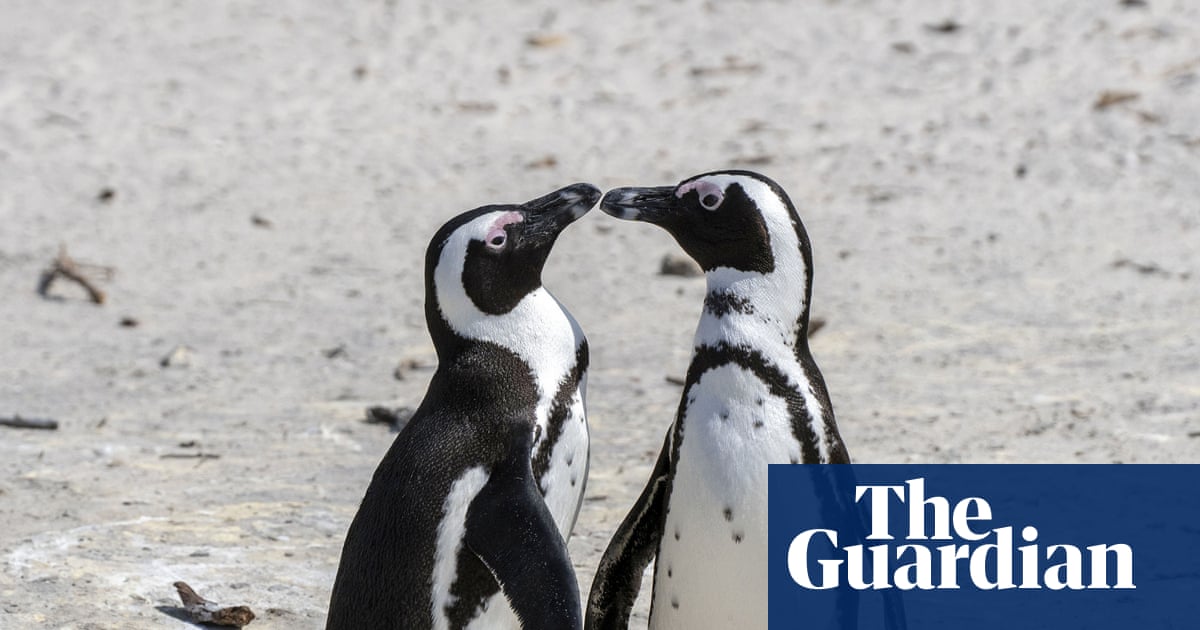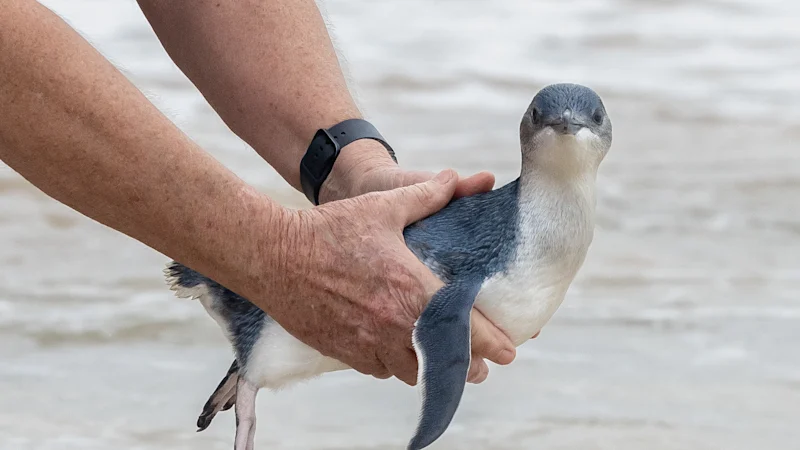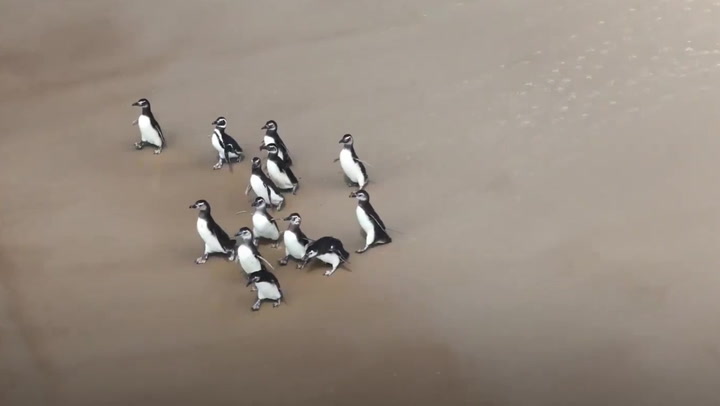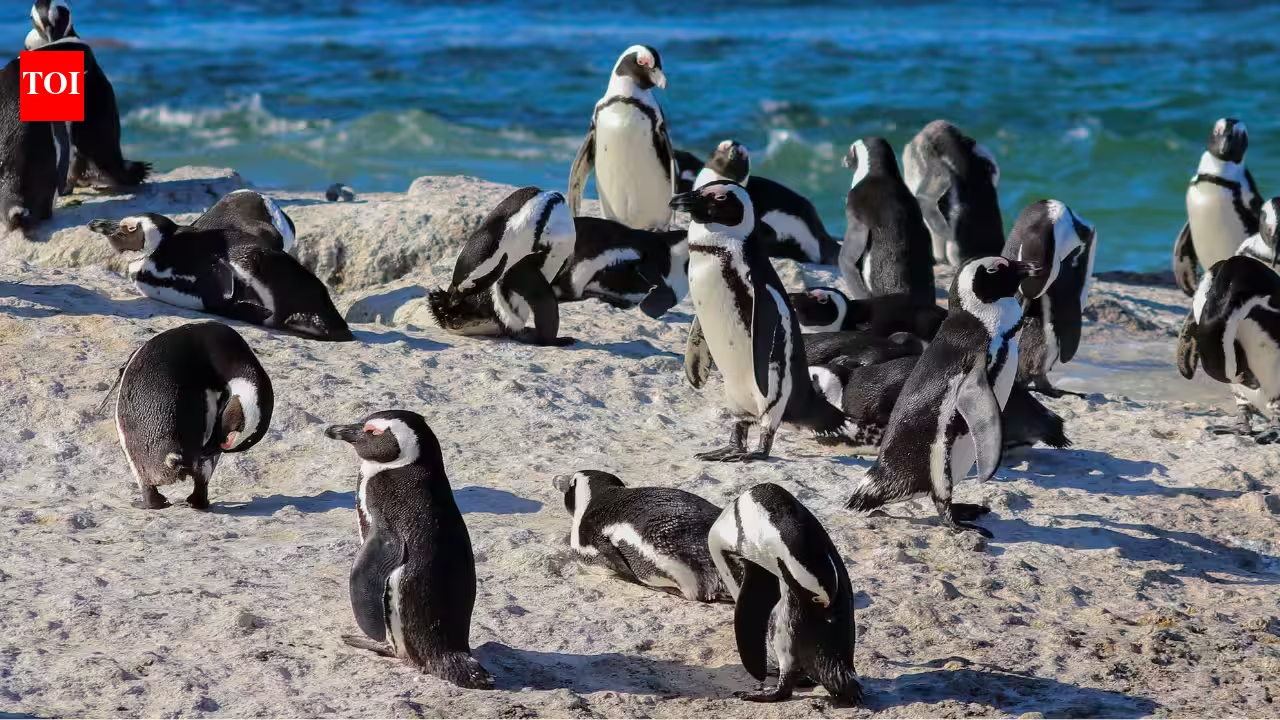
Two penguins started this colony in 1982. Now there are thousands. Image Credits: PexelsIf you had walked onto Boulders Beach near Cape Town in 1982, you would have found exactly two penguin pairs and a lot of empty sand. Today, you cannot walk onto that same beach without stepping around thousands of them. According to the study, ‘Factors influencing growth of the African penguin colony at Boulders, South Africa, 1985–1999,’ led by Crawford and colleagues, which tracked the colony from its earliest years through 1999, most of that growth came from adult penguins moving in from other struggling colonies, not simply from chicks hatching on-site. It is less a story of two penguins falling in love with a beach and more about a species running out of options elsewhere and finding one small, protected stretch of coastline that actually worked.A beach nobody built for penguinsBoulders sits in Simon's Town, a quiet naval town roughly an hour's drive from central Cape Town, tucked between granite boulders around 540 million years old. The African penguin is the only penguin species that breeds on the African continent, and it mostly nests on offshore islands. Boulders was different: mainland, backing onto a residential neighbourhood, never built for wildlife. Yet the birds moved in anyway. The Crawford study reports that 70 to 80 per cent of the immigrant birds likely came from Dyer Island, further down the coast, where numbers were already falling.Critically endangered, and thriving on one small South African beach. Image Credits: Wikimedia CommonsWhat actually pulled them inTiming mattered. Around the same period the penguins arrived, South Africa restricted commercial pelagic trawling in False Bay, the water Boulders sits on. That left more sardines and anchovies for the penguins to eat, which matters for a bird that can abandon eggs or chicks if it swims too far for its next meal. The pattern shows up elsewhere in the science, too. Research titled ‘Marine no-take zone rapidly benefits endangered penguin’ published in Biology Letters by Pichegru and her team found that a small no-fishing zone around a different major penguin colony cut the birds' foraging effort by roughly 30 per cent within three months. Take the fishing boats out of a penguin's neighbourhood, and the birds do not have to work nearly as hard to survive.The numbers today, and why one good year is not a happy endingThe African penguin was moved from Endangered to Critically Endangered by the International Union for Conservation of Nature in October 2024, after decades of decline due to overfishing, oil spills and a changing ocean. Boulders is one of the few bright spots. In the SANParks' 2026 annual census, conducted in June 2026, 790 breeding pairs were counted at Boulders, up from 698 the previous year, giving the colony a total population of about 2,528 birds. SANParks was careful to point out that an increase in a year does not mean the species has turned a corner. But for readers accustomed to hearing only bad news about endangered wildlife, this is a truly rare exception: a colony holding its own while several island colonies elsewhere continue to shrink.Boulders’ own protection predates a larger, more recent conservation win. A South African court in March 2025 sanctioned a 10-year settlement creating no-fishing zones around six other major penguin breeding sites including Dassen Island and Robben Island. In large part because it is already inside its own no-take marine protected area inside Table Mountain National Park, Boulders was not one of the six. The two efforts show a country trying, colony by colony, to buy this species more time.Tourists and penguins share this beach by design, not accident. Image Credits: Wikimedia CommonsA world-ranked beach, penguins and allThe penguins have also made Boulders an award-winning stretch of sand. In 2024, it was voted the second-best beach in the world at the Golden Beach Awards, and in 2025, it ranked 12th on a worldwide list of the World's 50 Best Beaches.What this means if you are planning a tripBoulders is one of the few places in the world where tourists can legally swim in the same sheltered water as wild penguins, who sometimes swim nearby. Close to the colony is Foxy Beach, with boardwalks to allow people to get close without disturbing nests, and swimming is permitted on parts of the beach bordering the colony. Locals treat the birds like neighbours. In Simon's Town there are road signs warning of "penguin crossing"; the town installed one of the world's first such signs in 2003 to cut down penguin fatalities. Locals also describe checking under their cars before driving off, as penguins like to nap in the shade of a tyre.None of this was by accident. It took a fishing ban, decades of monitoring and boardwalks to keep curious hands away from sharp beaks. It was the penguins who moved in. Since then, conservation efforts have focused on helping people share the beach without disturbing the colony.
Two penguin pairs colonised a South African beach in 1982; by 2026, about 2,528 birds shared Boulders with swimmers
If you had walked onto Boulders Beach near Cape Town in 1982, you would have found exactly two penguin pairs and a lot of empty sand. Today, you cannot walk onto that same beach without stepping around thousands of them.
823 words~4 min read