As the democracy, rights and governance sector faces cuts, earlier funding models offer clues for what could come next
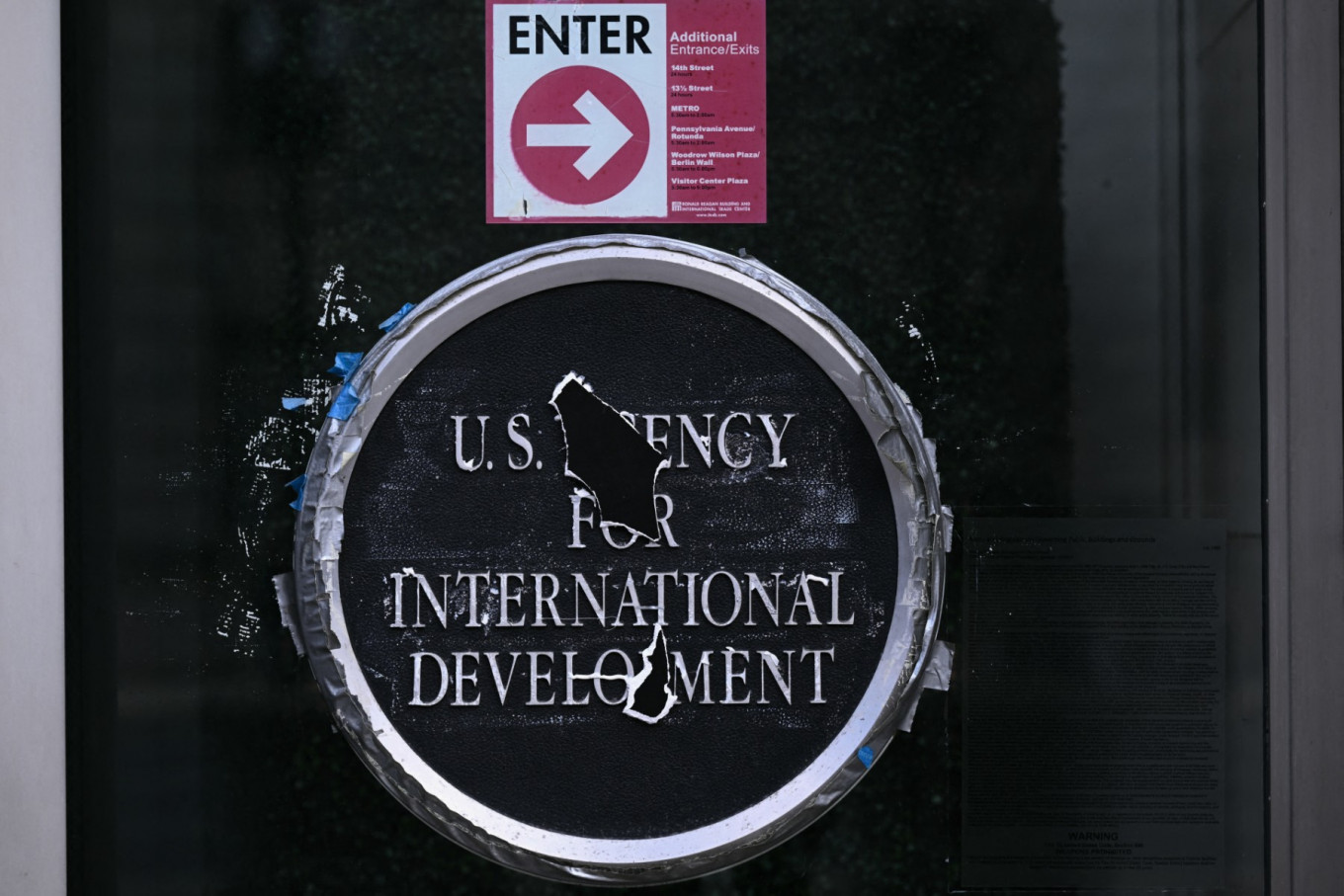
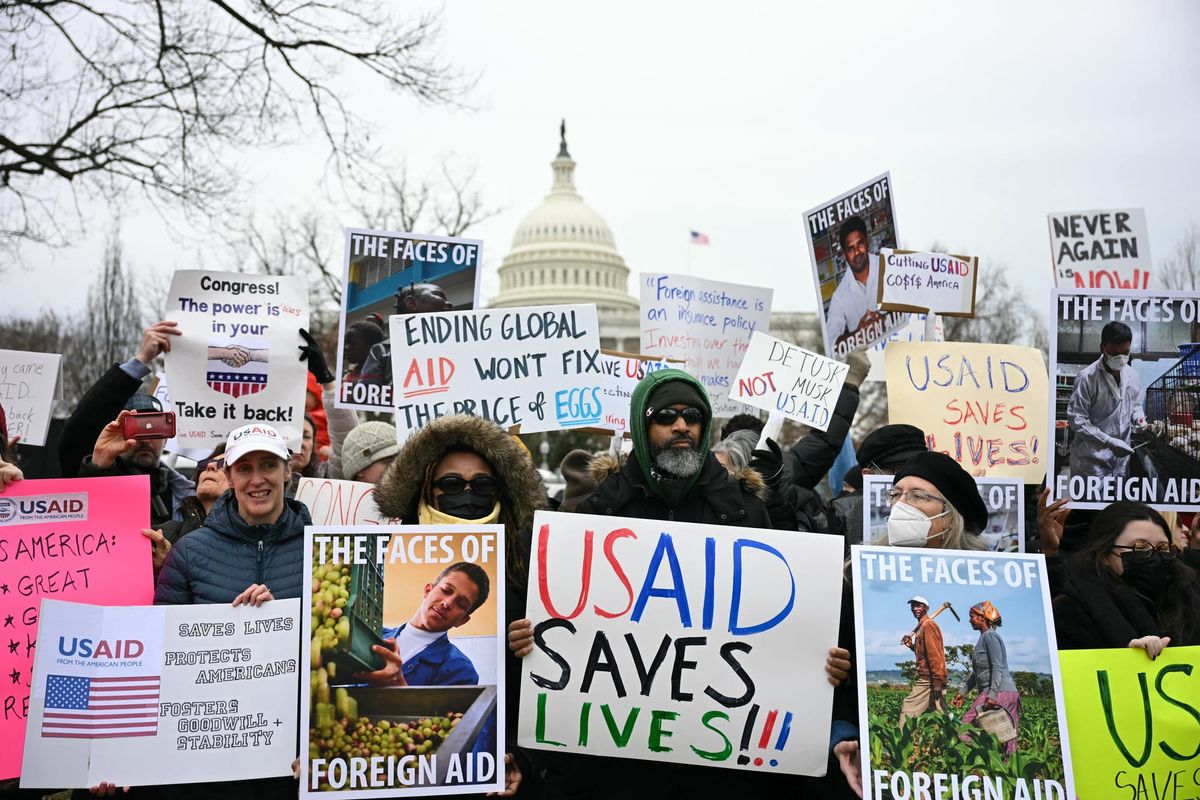
Over the past year, organisations working in the democracy, rights and governance (DRG) space have faced layoffs, wind-downs, project handovers, mergers, cancelled benefits, enforced volunteerism, and more amid brutal aid cuts.
While some government funding for development work remains, betting on long-term sustainability through donor grants alone looks increasingly short-sighted. It is easy to forget how recent the current model is.
The professionalisation of DRG work largely took shape in the early 1990s, following the fall of the Berlin Wall and democratic transitions in Eastern Europe and the Balkans. The logframe-driven, top-down world of governance programming did not exist in the same way before this time; the field was smaller, more informal and more precarious, and there was less funding available.
So how did organisations structure themselves and sustain their work? Looking back, they adopted at least eight broad approaches that meant they were more agile, more rooted in communities, and more financially diverse.