Academia
This is a moment not to discard decades of progress in learning how to deliver aid but to reconsider priorities and demand greater accountability.
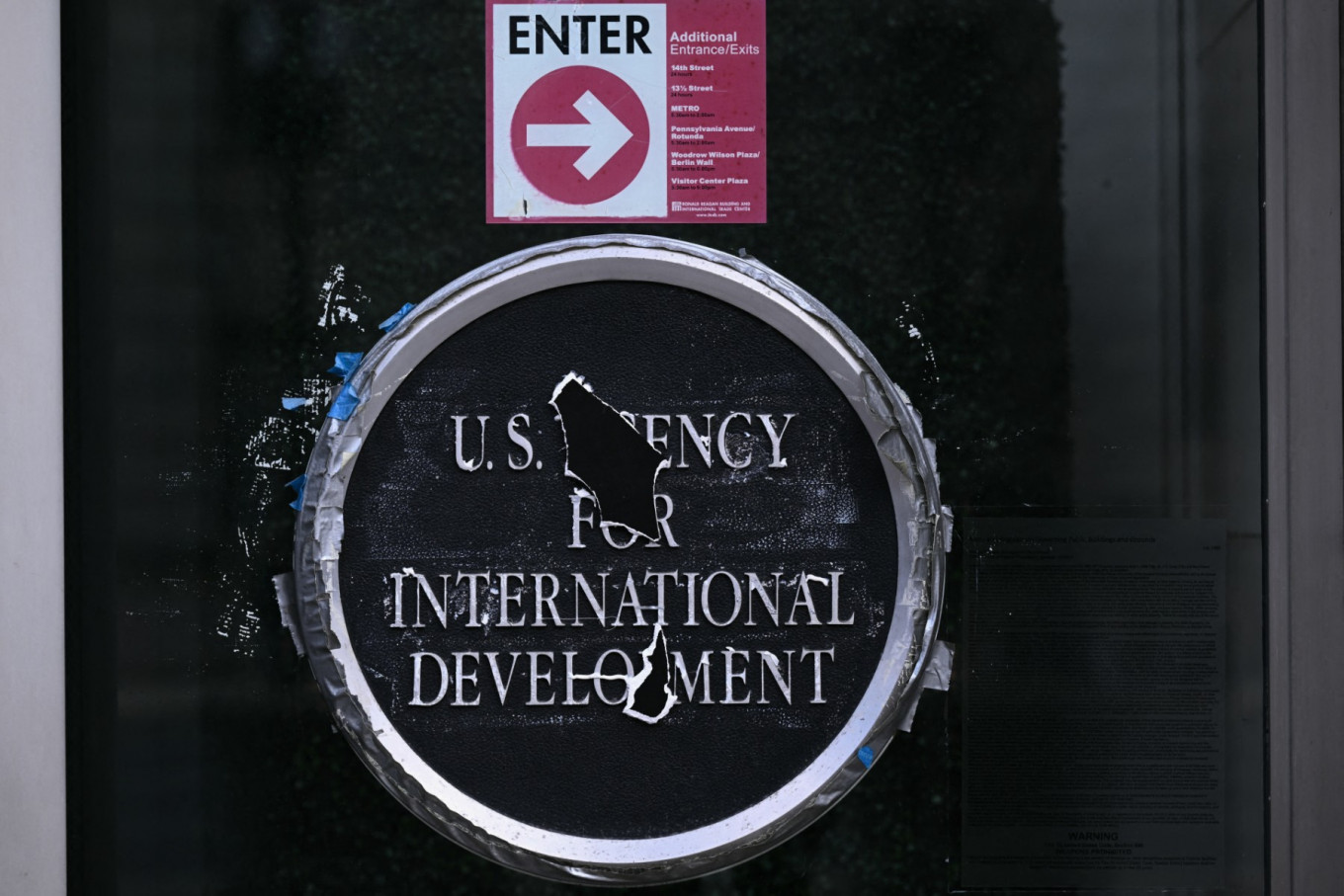
Remnants of signage for the United States Agency for International Development (USAID) are seen on Dec. 29, 2025, on the facade of the Ronald Reagan Building and International Trade Center building in Washington, DC. (AFP/Brendan Smialowski)
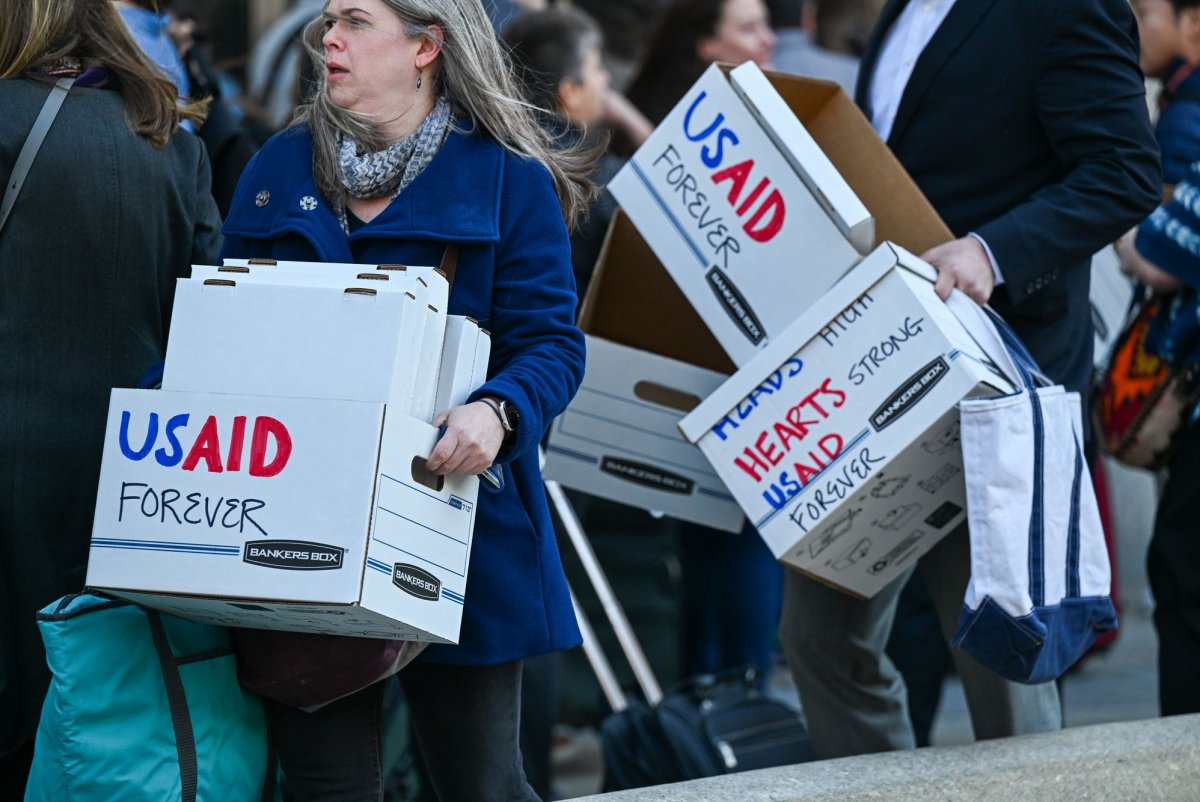
Foreign aid is shrinking, but it is not disappearing. Even after the sharpest annual decline on record, Organisation for Economic Co-operation and Development (OECD) donors still provided US$174.3 billion in assistance in 2025. This includes $29 billion from the United States, despite the slashing of 83 percent of US Agency for International Development (USAID) programs by Donald Trump’s administration. Moreover, wars, epidemics, displacement and geopolitical competition will ensure that rich countries continue to spend money abroad, whether for humanitarian reasons or in pursuit of their own interests.With the number of ongoing conflicts having reached a record high in 2025, and with 117.8 million people ending the year forcibly displaced, the question is not whether foreign aid will survive, but what sort of aid system will emerge from the current retrenchment. This is a moment not to discard decades of progress in learning how to deliver aid, but to reconsider priorities and demand greater accountability.