The steep reductions are a grave error, both morally and pragmatically. But a better case needs to be made for spending
P
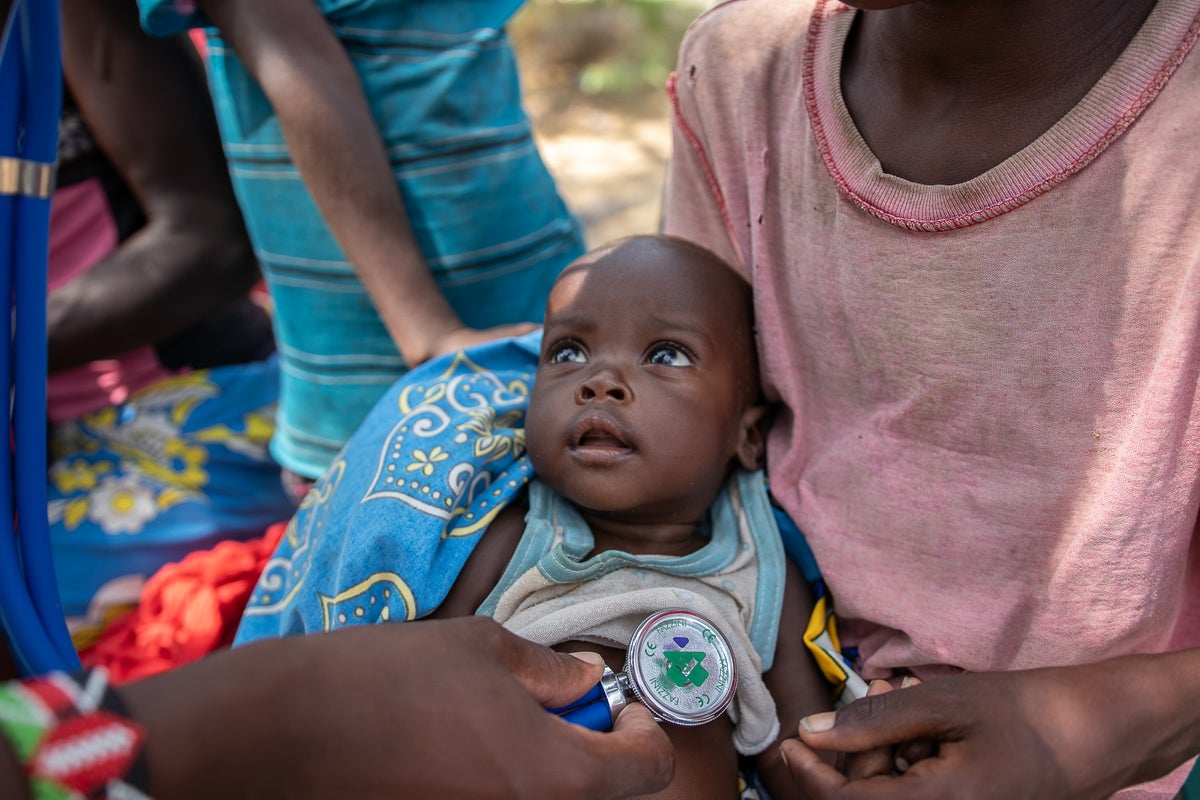
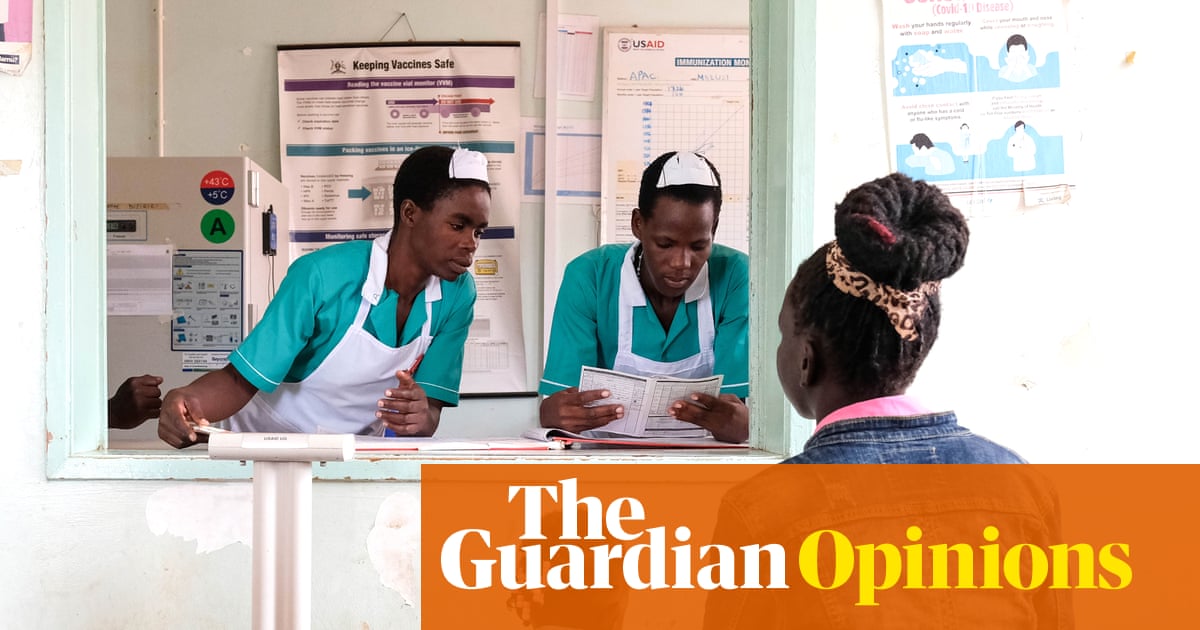
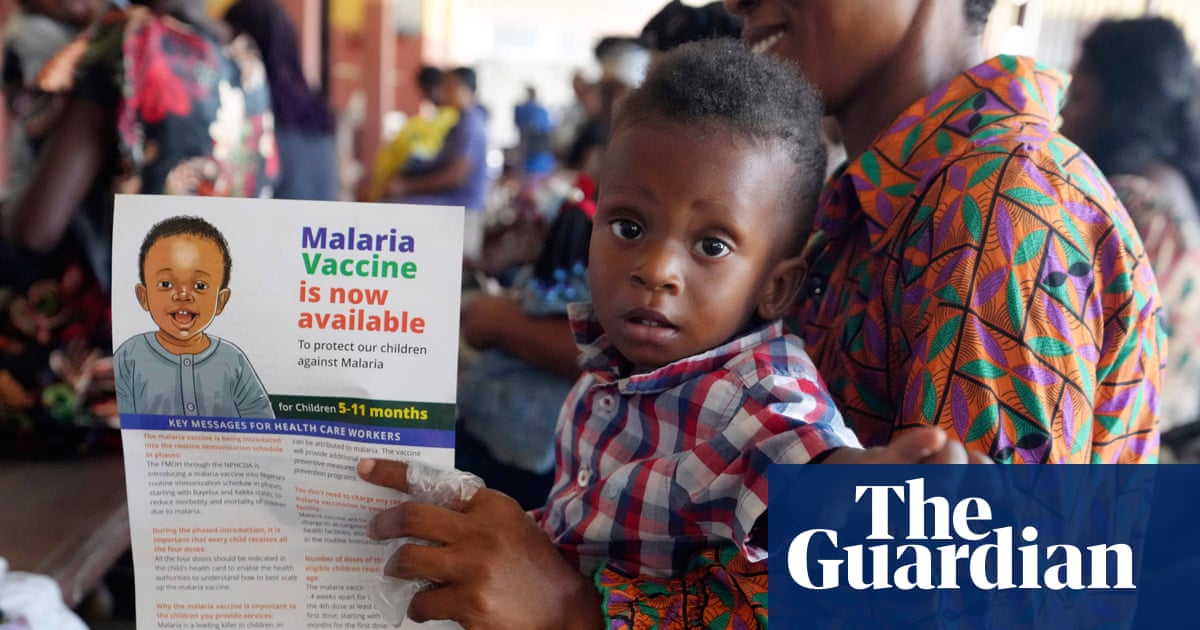
rogress is possible. Over two decades, global child mortality plummeted. There were many reasons for a 39% reduction in deaths in lower and middle income countries between 2001 and 2021, but a significant one was overseas development aid, which supported everything from sanitation to vaccination programmes to food security.
That shift has slowed, and – like similar advances – is likely to reverse if aid budgets continue to be slashed. Researchers warned last month that continuing cuts could result in more than 22 million avoidable deaths in the next five years, with a quarter of those among children under five.
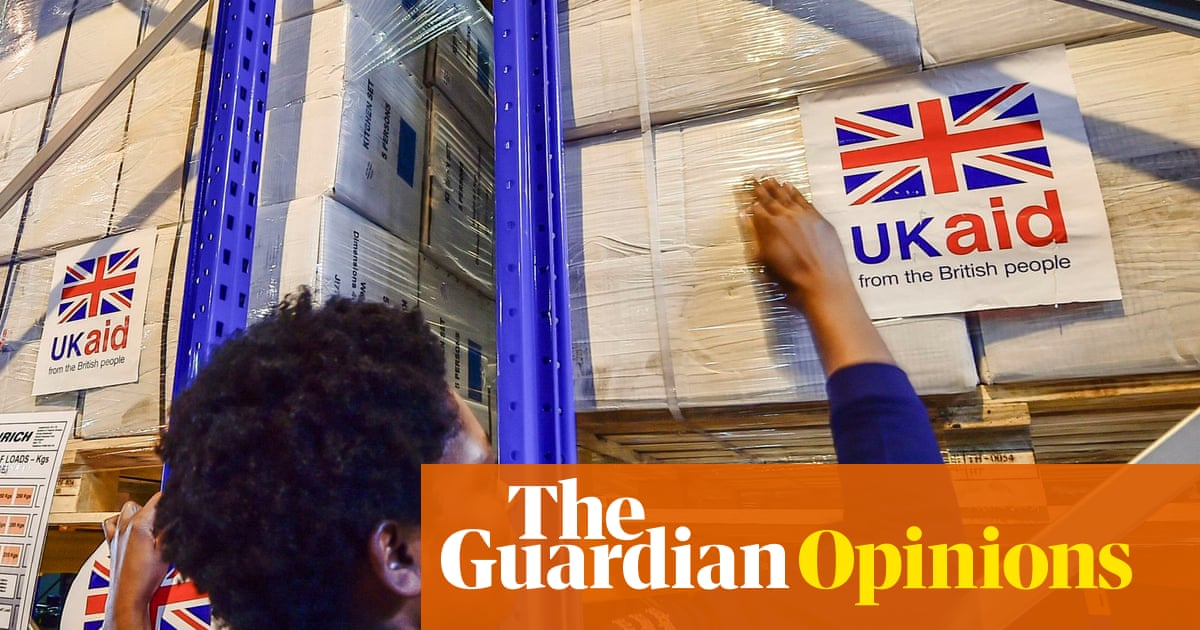
The UK’s decision to slash aid by 40% is part of a global trend: G7 spending will be 28% lower this year than in 2024. Donald Trump has dismantled USAID; Germany, France and others are chopping their budgets. But Britain’s case is particularly dismaying. A bipartisan consensus saw David Cameron, building on Gordon Brown’s work, make Britain the first G7 country to hit the internationally agreed aid target of 0.7% of gross national income (GNI). Now, under a Labour government, aid will be just 0.3% of GNI next year – the lowest rate for decades. The UK’s cuts are arguably the harshest in the G7.