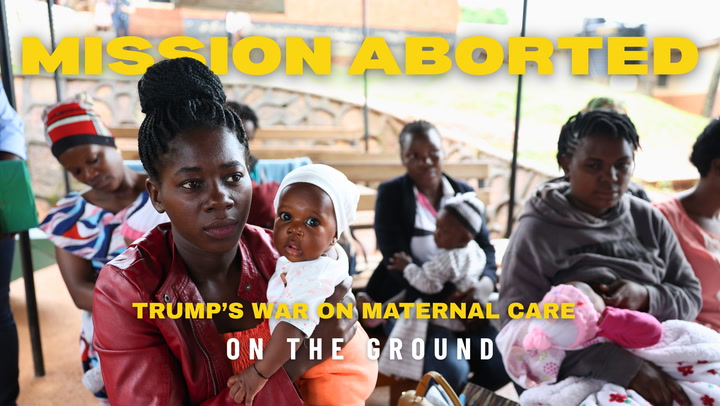
The consequences of Donald Trump’s decision to scrap USAID, and other countries’ decisions to reduce funding, are playing out in deadly fashion
M
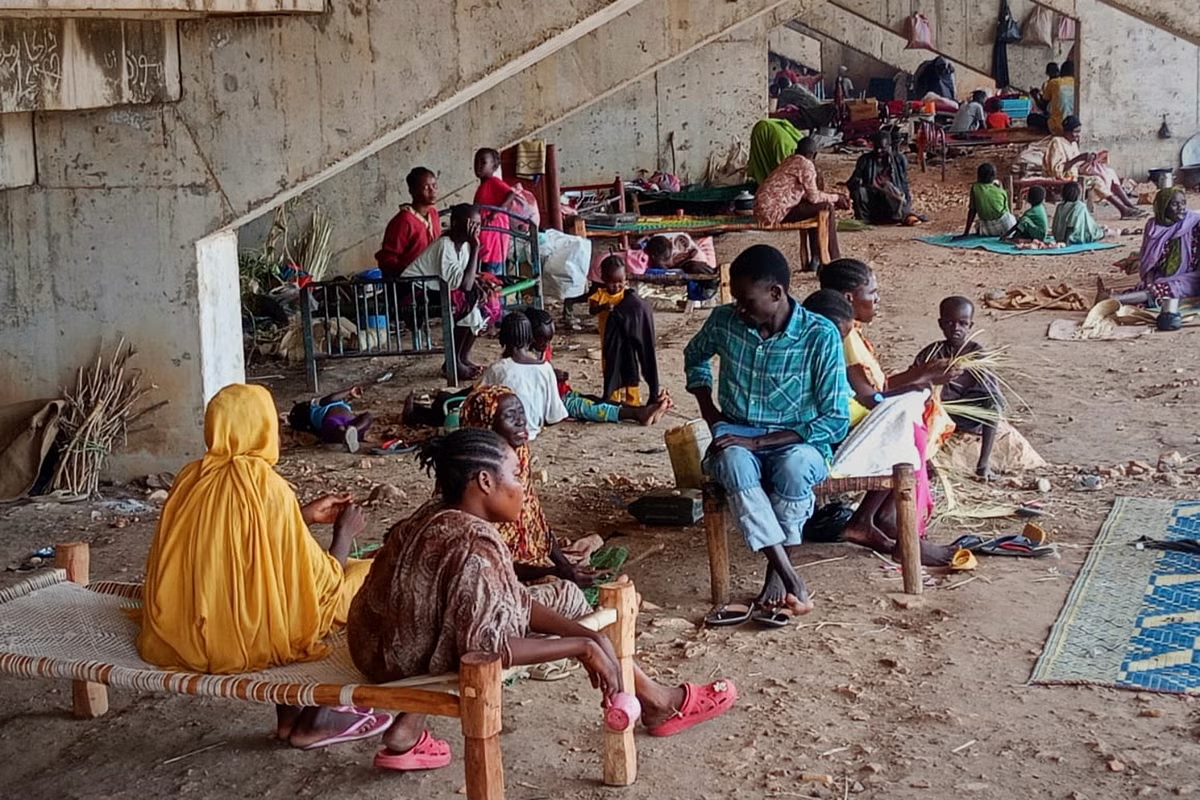
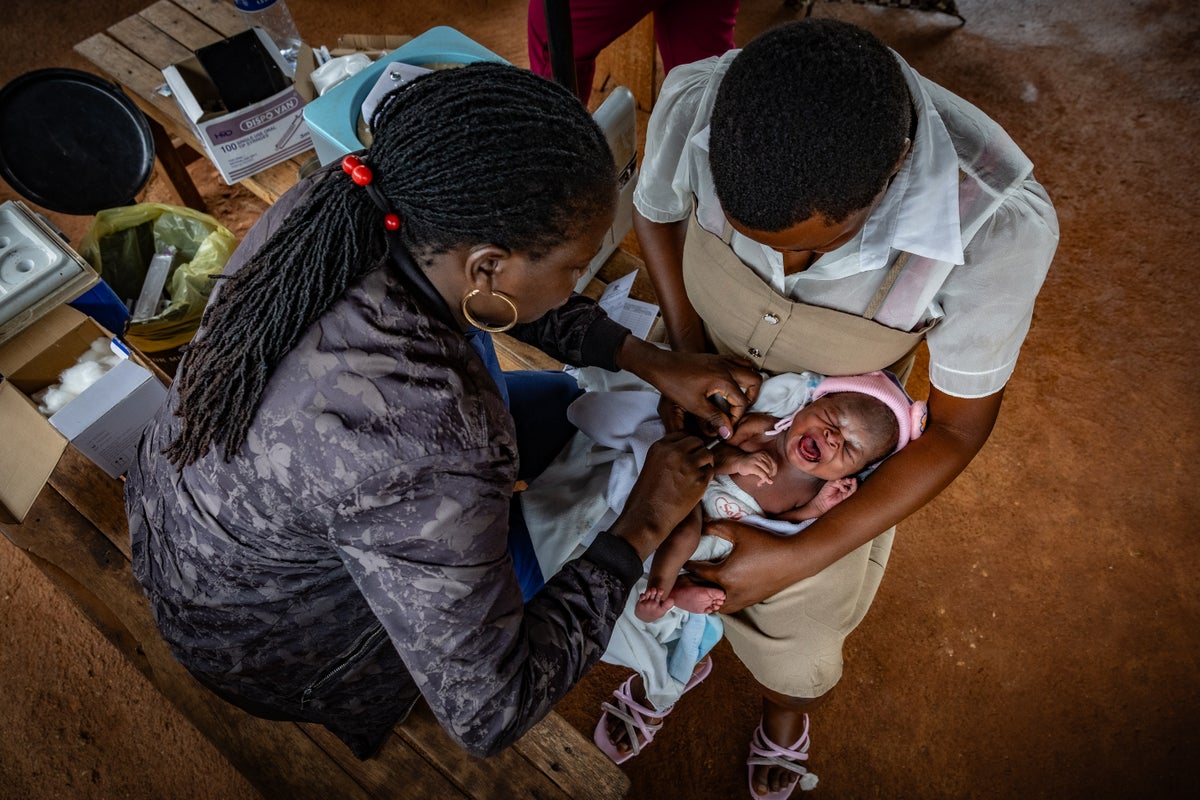
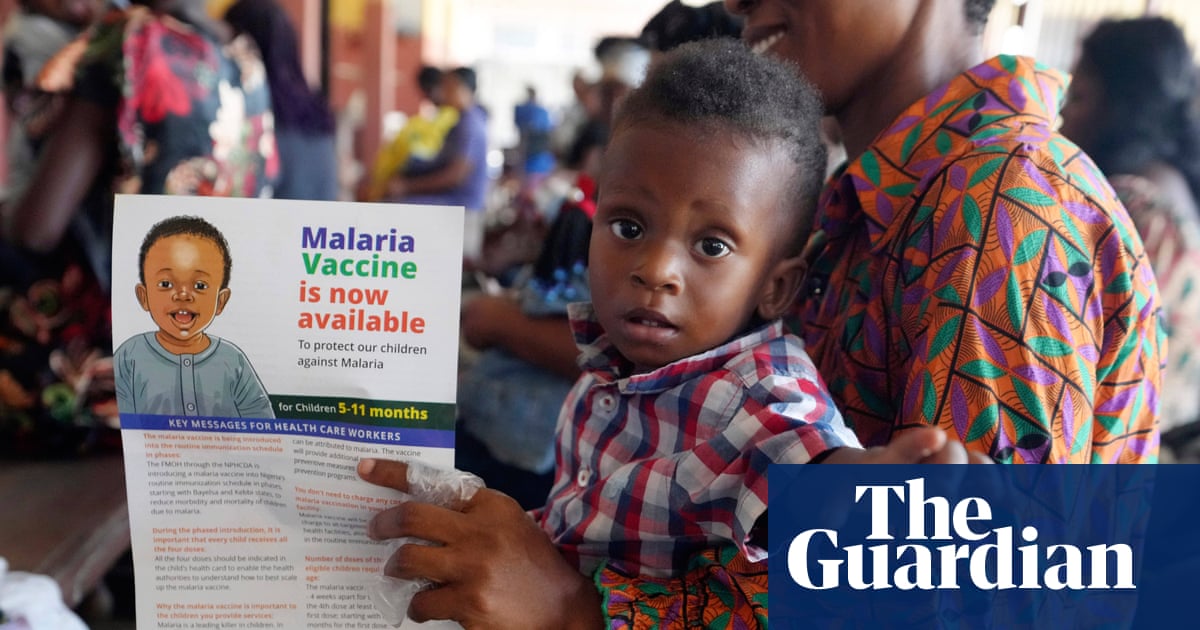
alaria is a pandemic disease that hits the voiceless hardest: most of those who fall ill and die are small children and pregnant women in Africa. It is the leading infectious killer of the continent, responsible for nearly 600,000 deaths a year. Cases are rising and there is an urgent need for more funding, yet western donor countries are instead cutting back on aid. We still hear brave talk about eliminating malaria. But an expert report now warns of a potential resurgence that could add almost a million more deaths to the annual toll by the end of the decade.
Most of the money to fight the mosquito-borne disease – 59% – comes through the Global Fund to Fight Aids, Tuberculosis and Malaria. Its executive director, Peter Sands, said last week at the World Health Summit in Berlin that of the three killers, the one that kept him awake at night was malaria.
This could be the canary in the coalmine. Malaria kills far more quickly than HIV or tuberculosis. The impact of funding cuts and aid diversions and the scrapping of USAID by Donald Trump, which housed so much global health expertise, will be seen in the malaria figures faster than in most other diseases. But mankind’s despoliation of the environment is also in play.