The last 18 months have seen a historic decline in development aid budgets from various donor countries, in a period where many of them are earmarking more funds for rearmament. The biggest waves have been made by the abrupt and massive reduction in American aid.
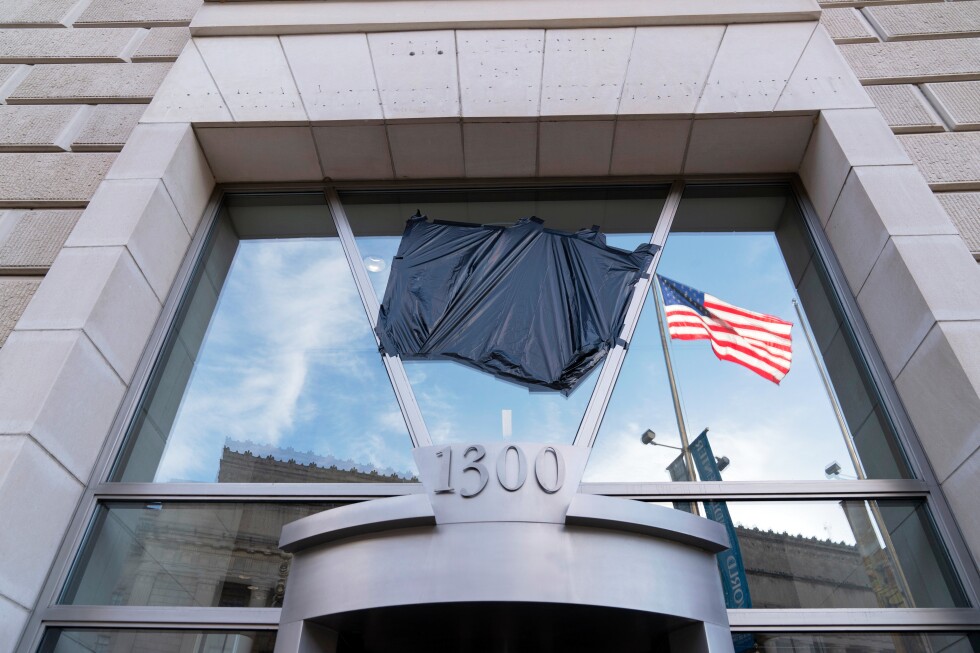
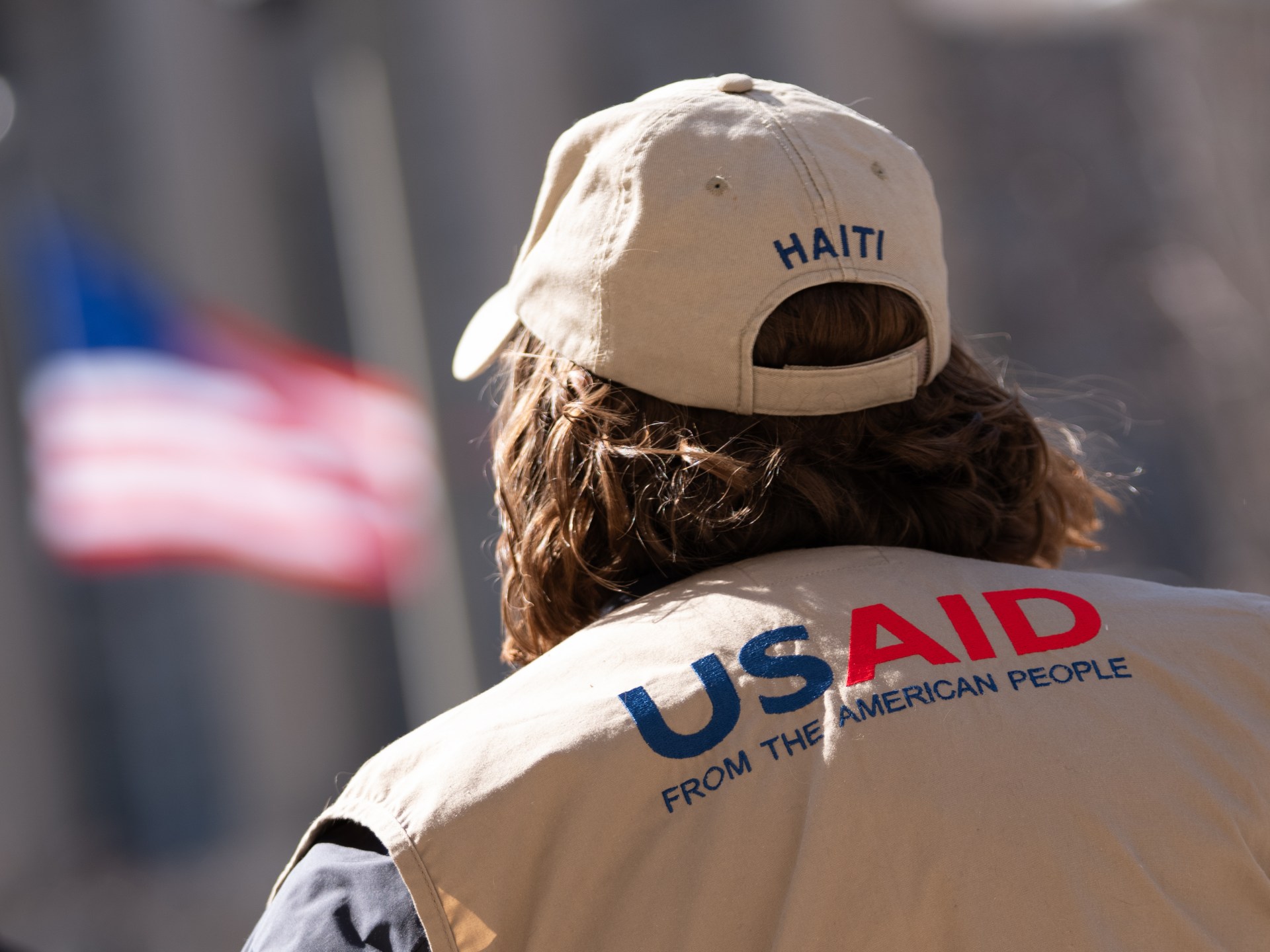
Less than a week after President Donald Trump’s inauguration in January 2025, his administration ordered the immediate suspension of all programmes run by the United States Agency for International Development (USAID) – historically the world’s largest national humanitarian donor. Officers had hours to vacate their posts, local contracts were terminated, and medical and food supply chains ground to a halt.
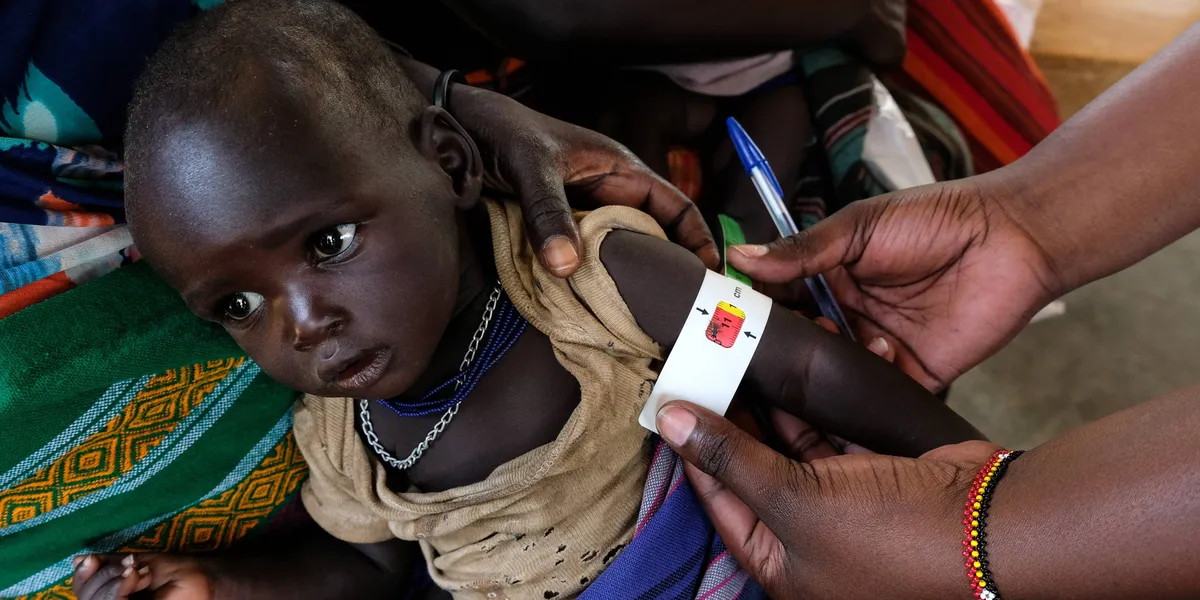
Researchers have already issued warnings of the severe health toll. A study published in Lancet Global Health estimates that USAID helped prevent nearly 92 million deaths between 2001 and 2021. It also projects more than 14 million additional deaths by 2030 if the cuts continue.
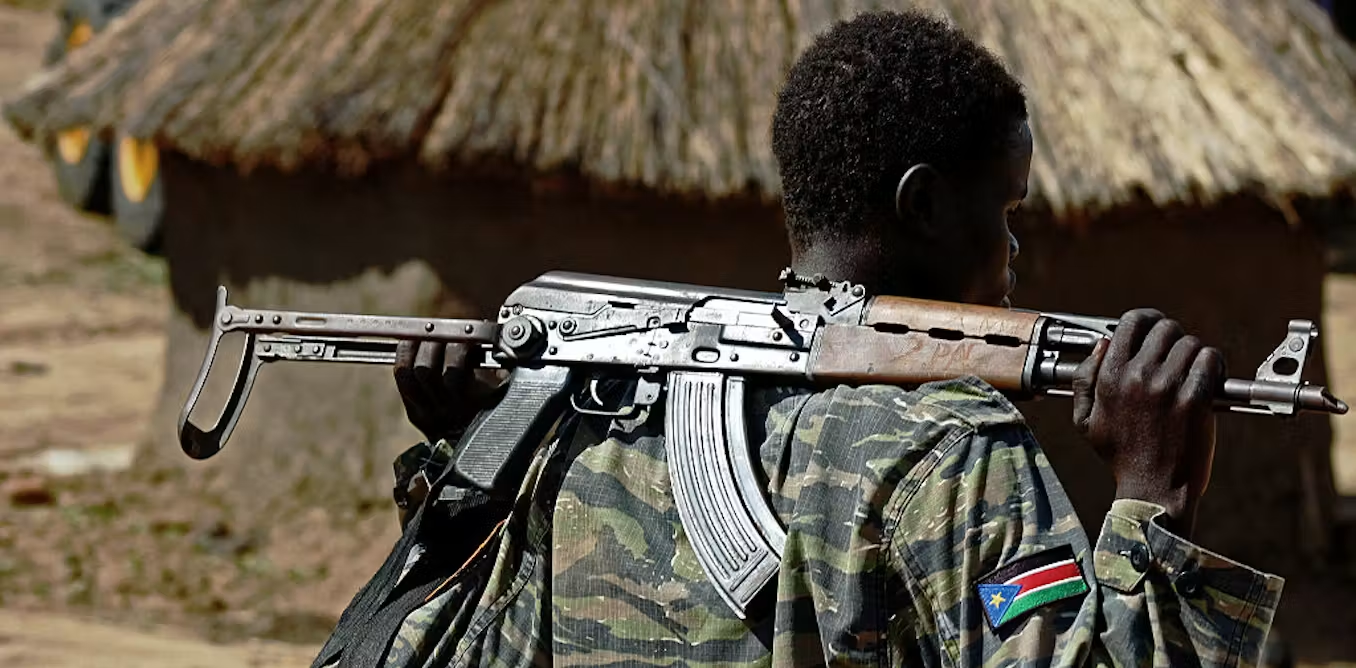
The rapid and massive decline in foreign aid experienced by various recipient countries can have very substantial consequences, ranging from health outcomes to armed conflict. Recent evidence suggests what types of international support could allow countries to build back better and foster peace and prosperity for coming generations.