Insider Brief
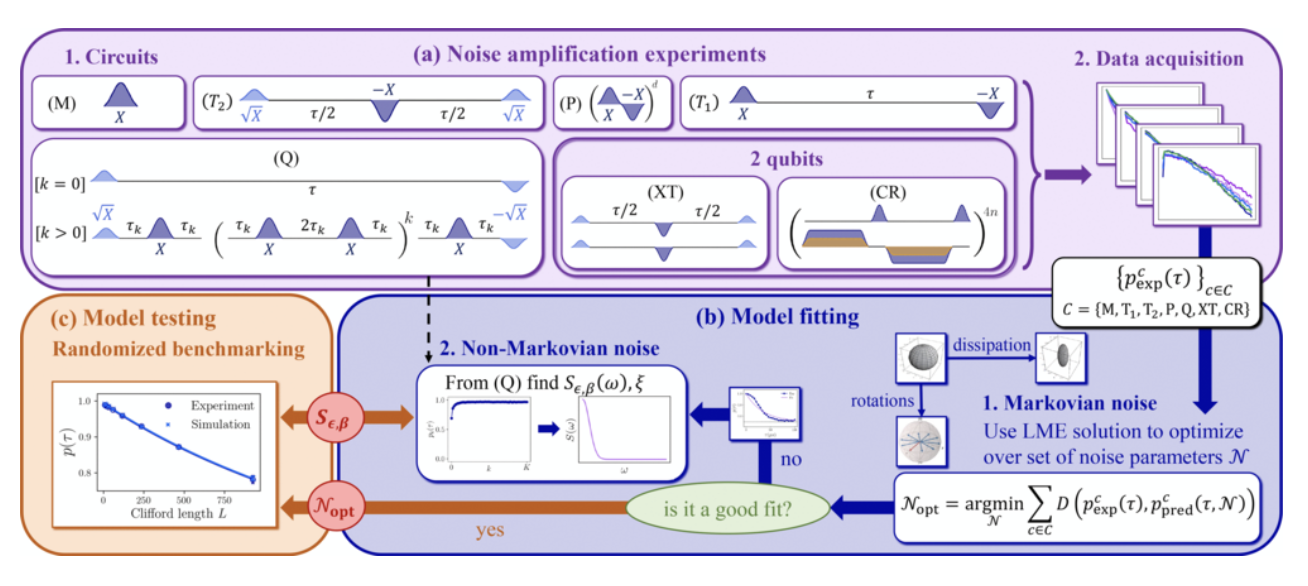
Researchers at Johns Hopkins Applied Physics Laboratory and Johns Hopkins University developed a unified noise-modeling framework for superconducting quantum processors that improved predictive accuracy sevenfold compared with existing approaches.
Using cloud access to 39 qubits across seven superconducting devices, the team characterized both coherent and incoherent errors without requiring low-level hardware access, reflecting how most real-world users interact with quantum computers.
The model combines multiple sources of quantum noise into a single experimentally validated framework that could inform hardware design, algorithm development and error-correction strategies across the quantum computing stack.
PRESS RELEASE — Researchers from the Johns Hopkins Applied Physics Laboratory (APL) in Laurel, Maryland, and Johns Hopkins University in Baltimore have developed a practical, comprehensive noise-modeling framework for a popular class of superconducting quantum processors. Their work, published in the journal PRX Quantum, offers a sevenfold improvement in predictive accuracy over existing approaches.