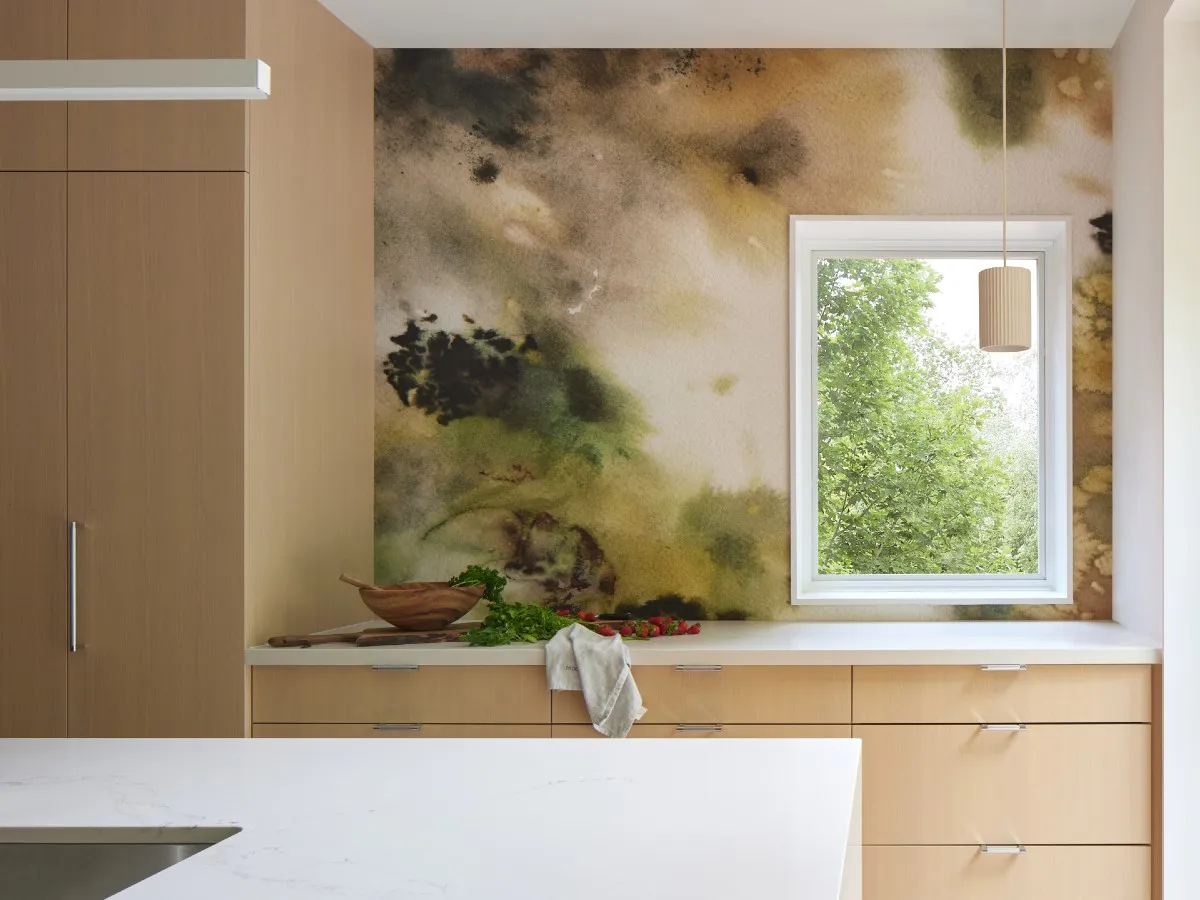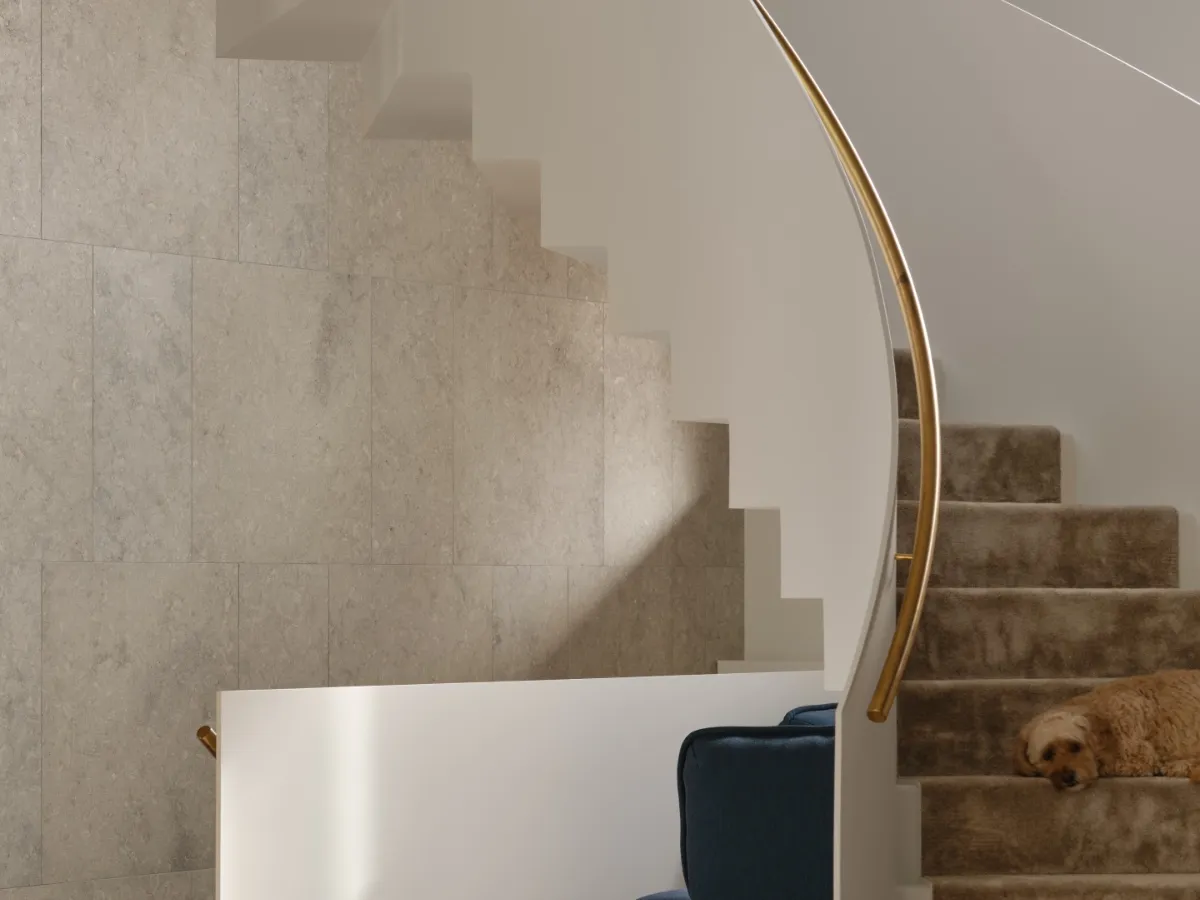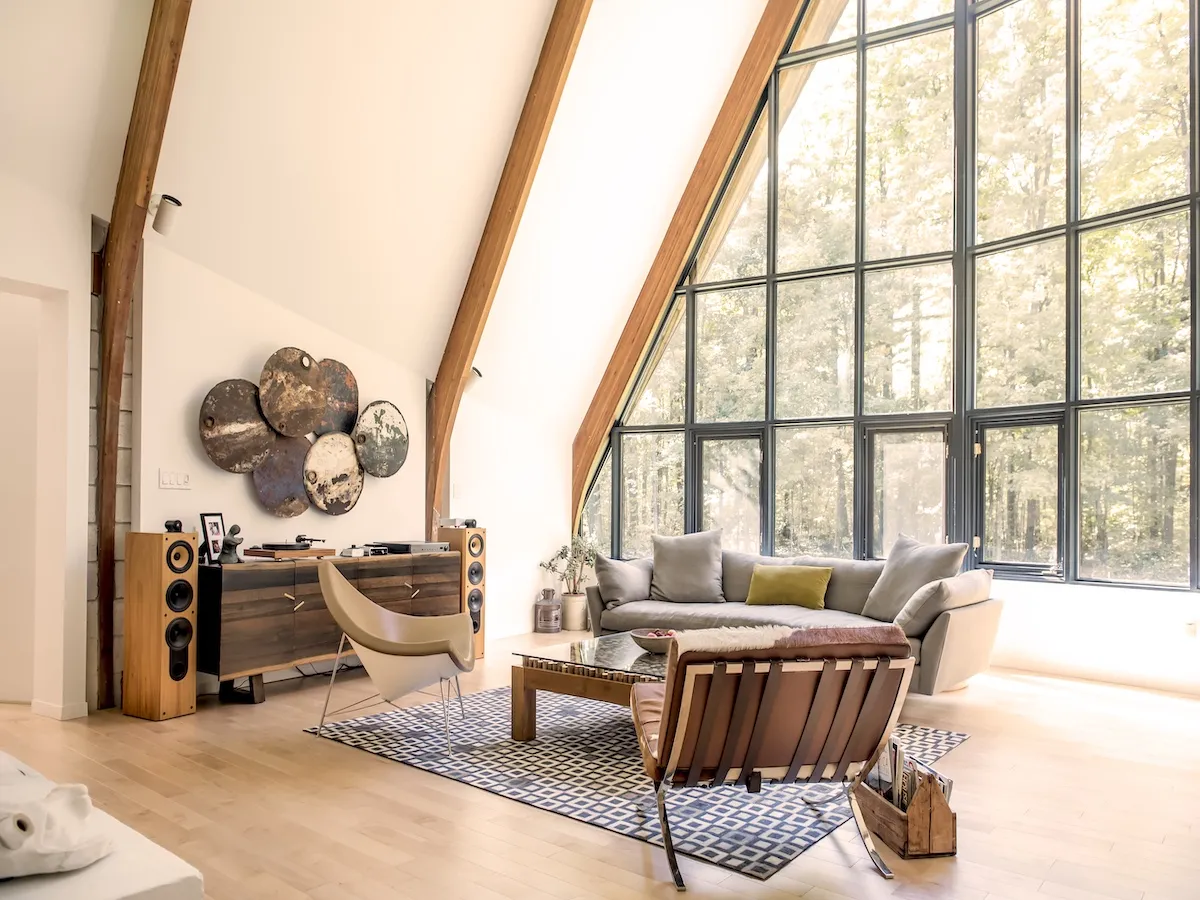
Skip to Content Subscribe Our Offers My Account Manage My Subscriptions FAQ Newsletters Canada Canadian True Crime Canadian Politics Health World Israel & Middle East Financial Post NP Comment Longreads Puzzmo Diversions Comics NP News Quiz New York Times Crossword Horoscopes Life Eating & Drinking Style Sponsored Play for Ontario Travel Travel Canada Travel USA Travel International Cruises Travel Essentials Culture Books Celebrity Movies Music Theatre Television Business Essentials Advice Lives Told Tails Told Shopping Buy Canadian Home Living Outdoor Living Kitchen & Dining Tech Style & Beauty Personal Care Entertainment & Hobbies Gift Guide Travel Guide Amazon Prime Day Deals Savings National Post Store More Sports Hockey Baseball Basketball Football Soccer Golf Tennis Driving Vehicle Research Reviews News Gear Guide Obituaries Place an Obituary Place an In Memoriam Classifieds Place an Ad Celebrations Working Business Ads Archives Healthing Epaper Manage Print Subscription Profile Settings My Subscriptions Saved Articles My Offers Newsletters Customer Service FAQ Newsletters Canada World Financial Post NP Comment Longreads Puzzmo Diversions Life Shopping Epaper Manage Print Subscription HomeHomesIn the home: The analog aesthetic Interior designers are fielding requests for screen-free sanctuariesLast updated 27 minutes ago You can save this article by registering for free here. Or sign-in if you have an account.An audiophile client of BLDG Workshop’s Nathan Buhler requested a listening space that involved moving his sizable vinyl collection from the basement to the centre of the home. Photo by KOE We independently select everything we recommend. Buying through us may earn us a commission, which supports our work.Nathan Buhler’s first request for an analog room came from an audiophile whose record collection was sizable enough to warp the floorboards. The client sought out Buhler’s Toronto-based firm, BLDG Workshop, to relocate the extensive vinyl library from the home’s basement to its main floor. Enjoy the latest local, national and international news.Exclusive articles by Conrad Black, Barbara Kay and others. Plus, special edition NP Platformed and First Reading newsletters and virtual events.Unlimited online access to National Post.National Post ePaper, an electronic replica of the print edition to view on any device, share and comment on.Daily puzzles including the New York Times Crossword.Support local journalism.Enjoy the latest local, national and international news.Exclusive articles by Conrad Black, Barbara Kay and others. Plus, special edition NP Platformed and First Reading newsletters and virtual events.Unlimited online access to National Post.National Post ePaper, an electronic replica of the print edition to view on any device, share and comment on.Daily puzzles including the New York Times Crossword.Support local journalism.Create an account or sign in to continue with your reading experience.Access articles from across Canada with one account.Share your thoughts and join the conversation in the comments.Enjoy additional articles per month.Get email updates from your favourite authors.Create an account or sign in to continue with your reading experience.Access articles from across Canada with one accountShare your thoughts and join the conversation in the commentsEnjoy additional articles per monthGet email updates from your favourite authorsSign In or Create an Accountor“The plan was to create the ultimate listening space,” says Buhler. “We renovated the entire house and built the audio room right in the middle. Everything else, the kitchen, the bathrooms, every other living space wrapped around it.” The acoustics were so spectacular, according to Buhler, that you could sit in one prime spot and feel like the band was right there with you. To test the space, the client played a rare 4AD Dead Can Dance 180-gram vinyl pressing. “It really was mind-blowing,” Buhler says. This interior design trend of working analog spaces into the plans reflects a return to tangible hobbies, a desire for more screen-free family time and a reduction in overstimulating interiors. “People are moving away from that sort of Calgary suburban home with the gas fireplace inlaid with thin stone tiles on it, and a gigantic television on top,” explains Buhler. As an alternative, and as a backlash, to digital overwhelm, he says people are requesting rooms that promote a digital detox: sofas that face each other rather than a screen, comfortable armchairs with proper reading lights, tables and storage for board games, even tables printed with a checkerboard on them. In another project by Nathan Buhler, a spectacular fireplace treatment takes the place of a TV set, while furniture placement encourages conversation. Photo by DOUBLEPACE PHOTOGRAPHY Not all analog rooms are meant to be recreational, however. “In one of the homes I recently designed for a client, there was a stand-alone library and a work room with just an easel for jotting notes down,” he says. “Even though this was a physical office, it wasn’t centred around a computer.” Other popular analog or “screen free” room requests include bedrooms, meditation rooms, hot yoga rooms, party rooms with billiards, and libraries. Canadian musician and author Dave Bidini turned his garage into an analog hangout for relaxing with friends and family. “Initially we had to empty it out,” laughs Bidini, noting that he had rented the space to someone who turned out to be a hoarder. “That meant getting rid of pylons, pool tables, chairs and everything else.” This BLDG Workshop project on Six Mile Lake was designed around the idea of communing indoors and out. Photo by RUBY PHOTO STUDIO Now Bidini uses it to house his prize possession, a 1973 Rowe AMI jukebox, and a ping-pong table. “It’s nice to have a tech-free zone,” he says. “Obviously for mental health reasons. So many of us don’t want to work on our screens all day long.” Bidini says that analog spaces like his also naturally invite conversation, and music-playing, in the company of friends. According to Luke Havekes, principal at the Montreal-based Luke Havekes Design, “people are looking for houses with multiple screen-free rooms that are purpose-based – whether that means a bedroom for sleeping, a craft room for scrapbooking or a sunroom to cultivate house plants.” He’s also seeing libraries “coming back in a big way.” According to Mindwell Design’s Gabrielle Kozhukh-Joo, rooms that reduce mental fatigue are those “that are meant to be felt, not just seen.” Photo by MIKE CHAJECKI PHOTOGRAPHY “My clients don’t want high-tech homes,” he says. “They want an aesthetic environment where, if a screen is part of the room, it’s hidden.” He believes part of the appeal of material luxury – being surrounded by “noble materials like leather, marble, metal or natural fibres,” as opposed to synthetic materials and plastics that signal cheapness. Samsung The Frame televisions are popular among his clients for what he calls “hybrid rooms’ – places like a living room where you want the option to watch TV but the machine can disappear into a painting when not in use. “I would say 90 per cent of the TVs we install in living rooms are Samsung The Frame,” he says. “This is especially true of small spaces or a condo. People don’t want to have to stare at a big black screen on the wall.” Havekes says that, more than ever, people are suffering from phone fatigue. Yet the problem with smart homes is their connection to apps that lead back to the handheld device. “Everyone is tired of this screen culture and being ruled by their phone,” he says. They are looking for a tangible experience.” A reading nook designed by Luke Havekes, principal at the Montreal-based Luke Havekes Design. Photo by SUPPLIEDGabrielle Kozhukh-Joo, founder of the Toronto-based Mindwell Design, takes that notion one step further as Canada’s first neuroaesthetic design firm. Her company employs materials and design layouts that reduce mental fatigue. “When something like technology has swung so far in one direction, people want to swing the opposite way,” says Kozhukh-Joo. “Our clients are saying, ‘Our kids watch too much TV already,’ and are looking to create spaces to support reading a book, doing homework in a tech-free environment or having family game nights.” Her process involves taking an inventory with clients to see what stresses them out the most, then creates as stress-free a space for them as possible. “Some might have kids and (want) leather because it’s easily washable, whereas others might prefer a boucle velvet.” It’s about creating rooms, she says, that are meant to be felt, not just seen. Join the Conversation This website uses cookies to personalize your content (including ads), and allows us to analyze our traffic. Read more about cookies here. By continuing to use our site, you agree to our Terms of Use and Privacy Policy.
In the home: The analog aesthetic
Interior designers are fielding requests for screen-free sanctuaries
1,408 words~6 min read