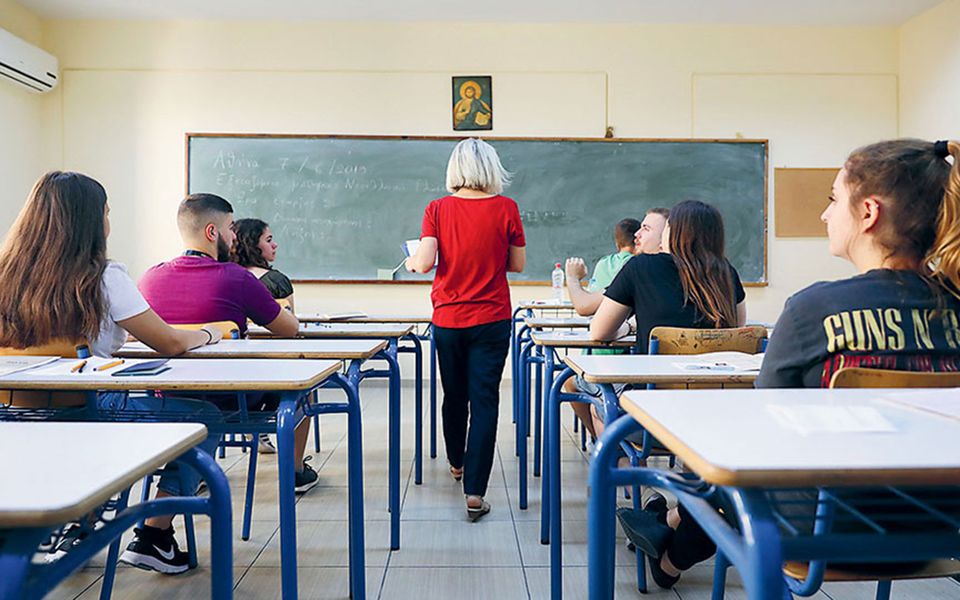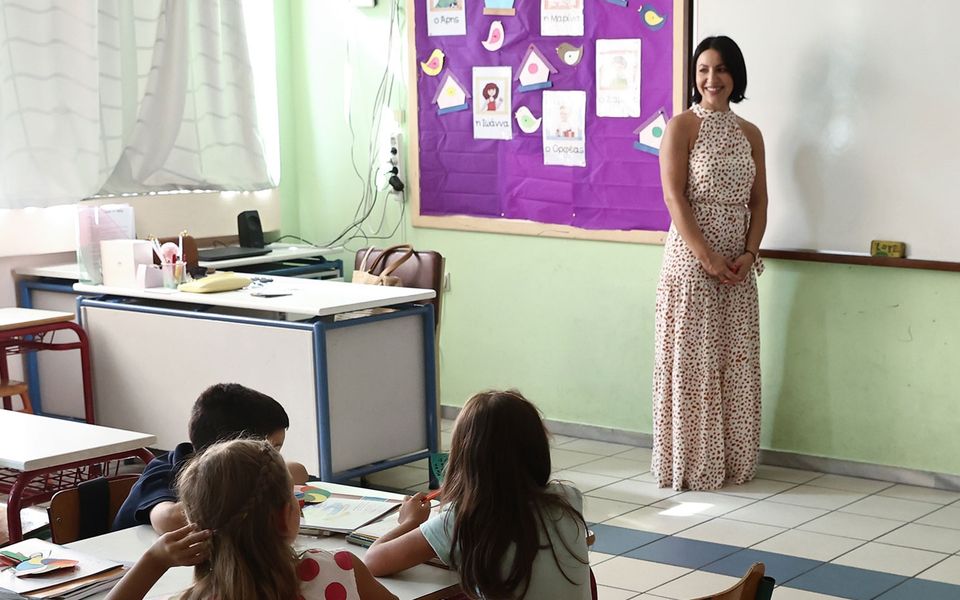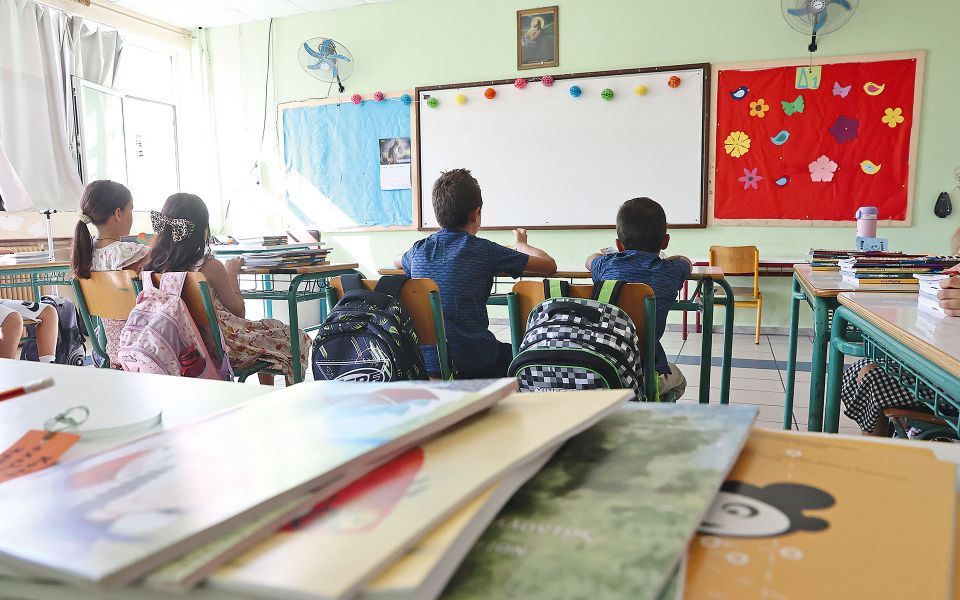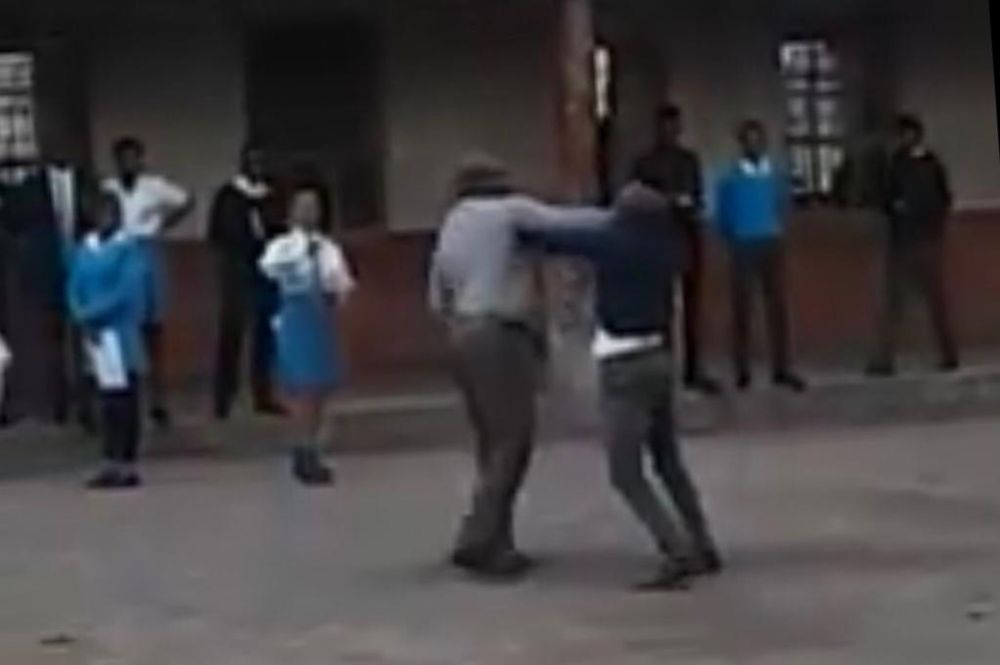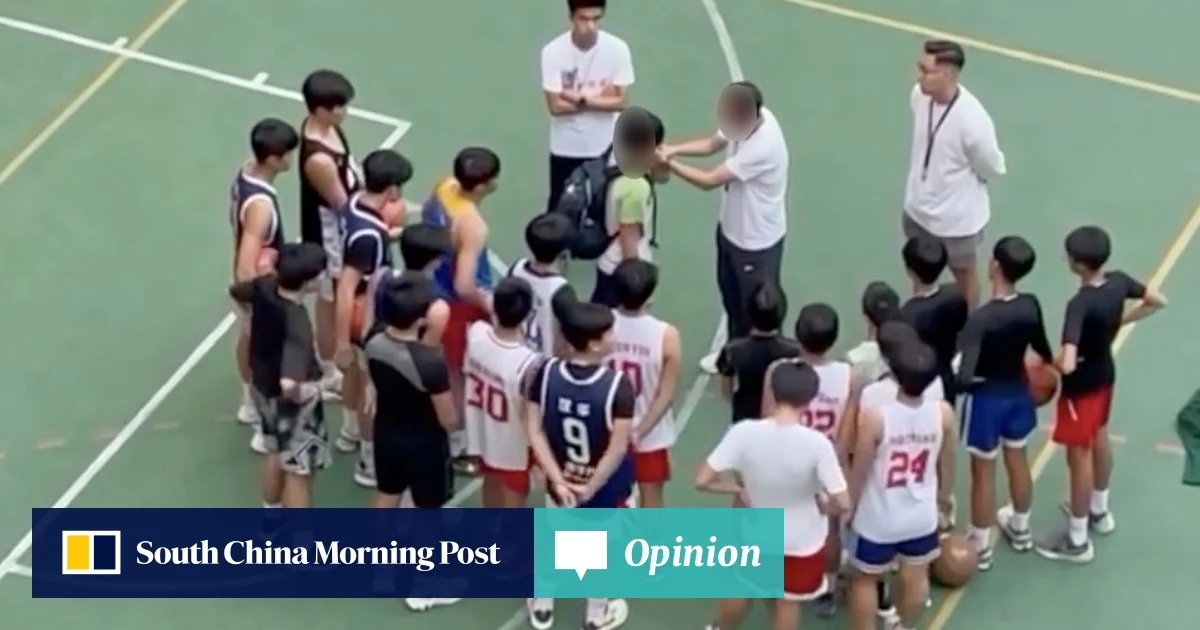
A few months ago, alarms were raised by the debate around secondary education after a teacher died, unable to take the pressure of alleged bullying by students. Now, news that fewer university graduates are applying to work in public schools has heightened concerns.
In some regions, the Education Ministry has even had to hire retired teachers. Of course, most primary and secondary schools are functioning. But the signs are ominous. Fewer young people are looking for a career in education, teachers feel that their services and their personalities are devalued, students are becoming ever more difficult, parents are indifferent to their children’s behavior and also set a bad example with their own aggressiveness. Wages are low, and in the regions where newly hired teachers will be sent, rent prices can be prohibitively high.
The problems are well-known. And their solution will not be easy, as the difficulties evident at all levels of the education system concern not only schools but society as a whole. It is in education, though, that the damage caused will make the solution of all these problems more difficult.
Teachers not getting the respect that their task deserves is a wider social problem, as is the fact that many children refuse to follow rules in class and in school generally. This is no surprise, seeing how parents and other adults behave, from the way they drive, to their arguing with teachers who may have attempted to set limits on their child’s behavior. This leads to experienced teachers resigning or hastening their retirement. And now, according to the latest figures, fewer young people are applying for jobs in public schools.