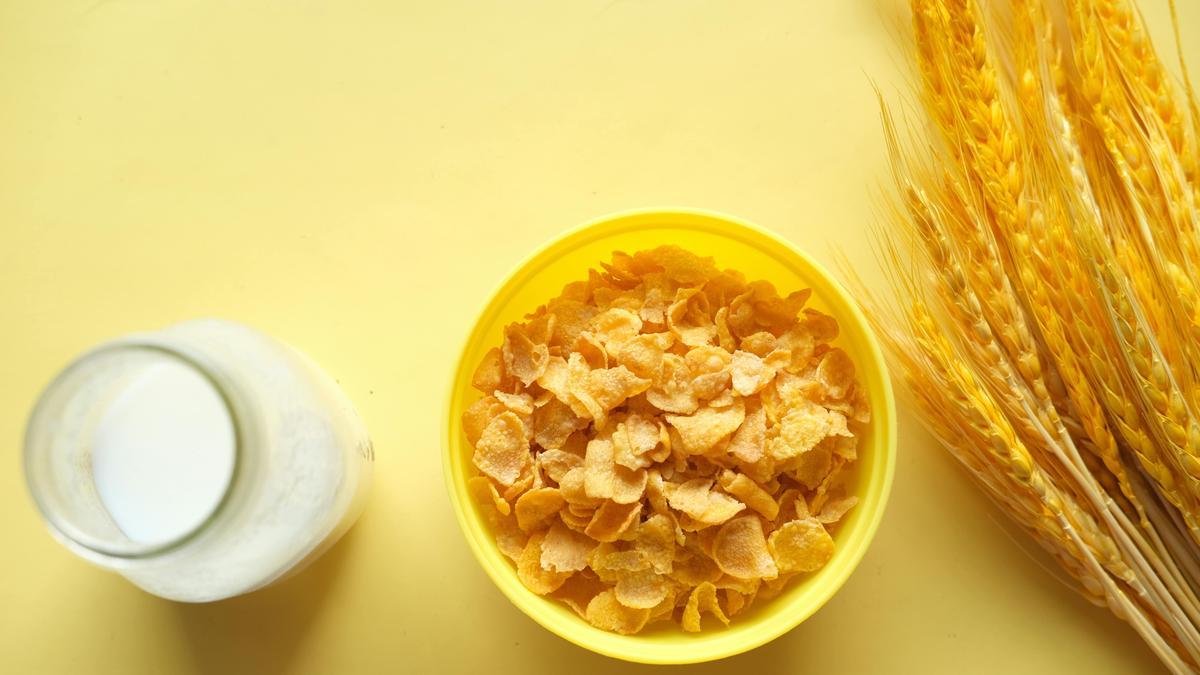
Did you have breakfast today? It’s one thing when you are enjoying your summer holidays, when you can have delayed breakfasts, but it is quite another for most school goers on working days. The start time of the school and the hurried nature in which you get ready and get started means that breakfasts could often be a blur. One breakfast item that eases the burden on those managing the kitchen and is eaten by people around the world is the classic cold cereal. There might have been cereals before them, but it was courtesy of two brothers that they enjoy the kind of fame they do now. You would have heard of the brand that came to be because of them, surely. It is Kellogg’s. Two brothersBorn on February 26, 1852, John Harvey Kellogg was the elder of the two brothers. He made up for his irregular schooling by being an avid reader. While he first attended school full time only at the age of 12, he grew up to receive an M.D. from Bellevue Hospital Medical College, New York City, in 1875. By this time, his faith dictated many of his principles, especially those surrounding health and diet. Will Keith Kellogg, the younger of the two brothers involved in the creation of the cereal flakes industry, was born April 7, 1860 in Battle Creek, Michigan. Even though he was educated only up till the sixth grade, he made up for it with his hard work. As a youngster, Will not only held a job as a stockboy, but also worked as a travelling salesman for household brooms as his father was involved in the business. These experiences shaped the way he led his business in the future. By 1876, John became the superintendent of a health reform institute in Battle Creek. In order to vary the diet of the patients in the sanatorium, he started experimenting with many nut and vegetable products. Will found his way to the sanatorium himself, starting off as a clerk before rising to the level of a bookkeeper and file manager. When they worked togetherIt was here that John and Will started working together on the same problems — to handle the production of foods for sanatorium patients. Their research and development focussed on healthy diet for patients, one that revolved around wholegrain foods and good nutrition. Like many other inventions and discoveries, the brothers stumbled upon their find by an accident. One particular night in 1894, they boiled wheat with the idea of making dough. They accidentally let it be this way for many hours, forcing the wheat to be softened and tempered. Instead of discarding the result of their mistake, they decided to put it through the roller process that they did regularly for baking anyway. To their surprise, the individual wheat berries in the mash rolled out into flat, wide flakes.When they went on to bake them, the result was a crispy cereal product that was not only easy to eat, but also much tastier than the alternatives they had been providing their patients thus far. When the patients got to taste it, most of them took a liking to it immediately. In fact, some of them went so far as to have the flakes shipped over to their homes even after they left the sanatorium facility.
How the cereal flakes came to be
On May 31, 1895, a patent for “Flaked cereals and process of preparing same” was applied and it was granted on April 14, 1896. The years that followed saw the birth of a new industry, one that has gone on to dominate the breakfast space since. A.S.Ganesh grabs a bowl of cereals to tell you how these flakes of food came to be…
1,050 words~5 min read