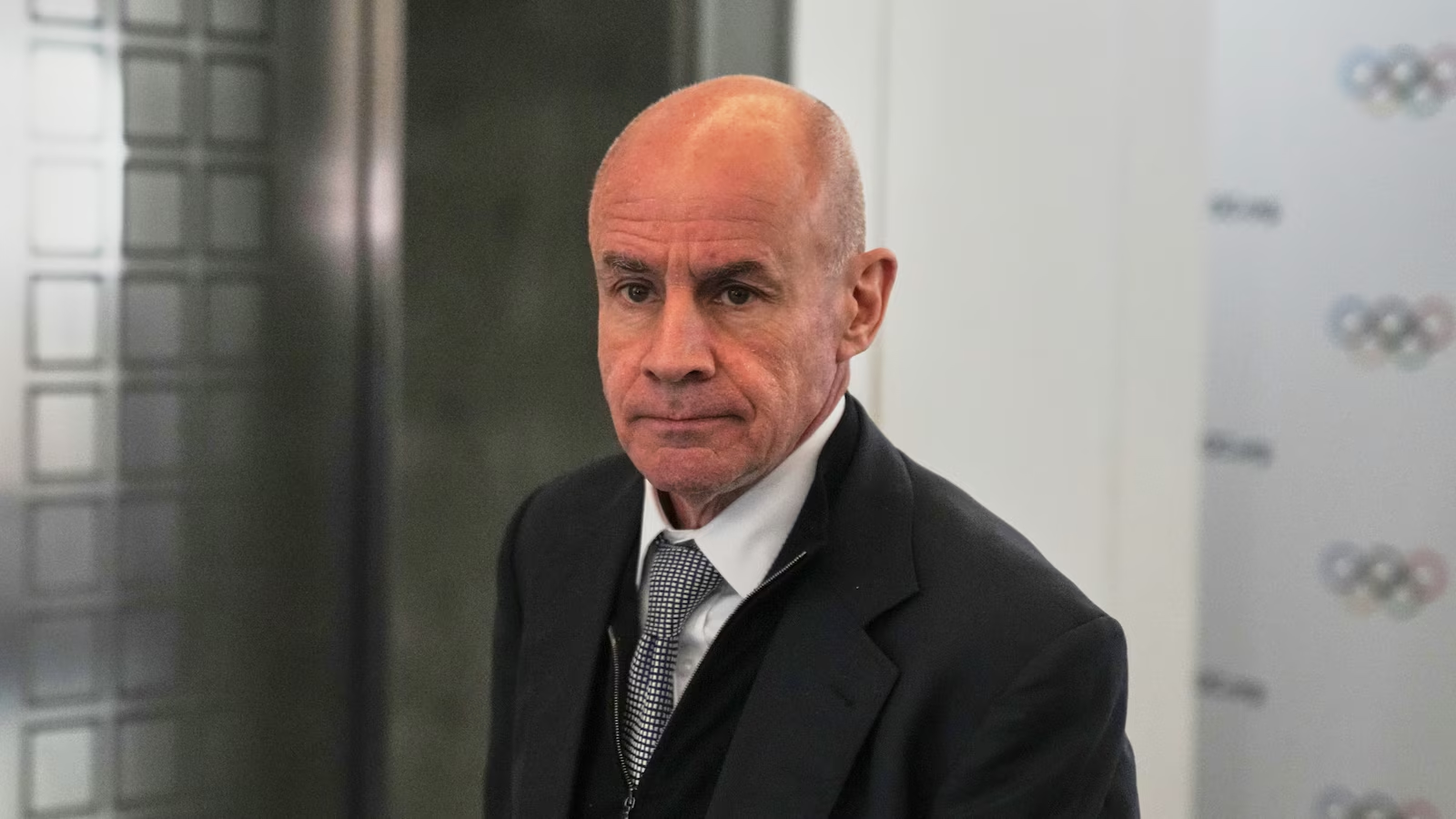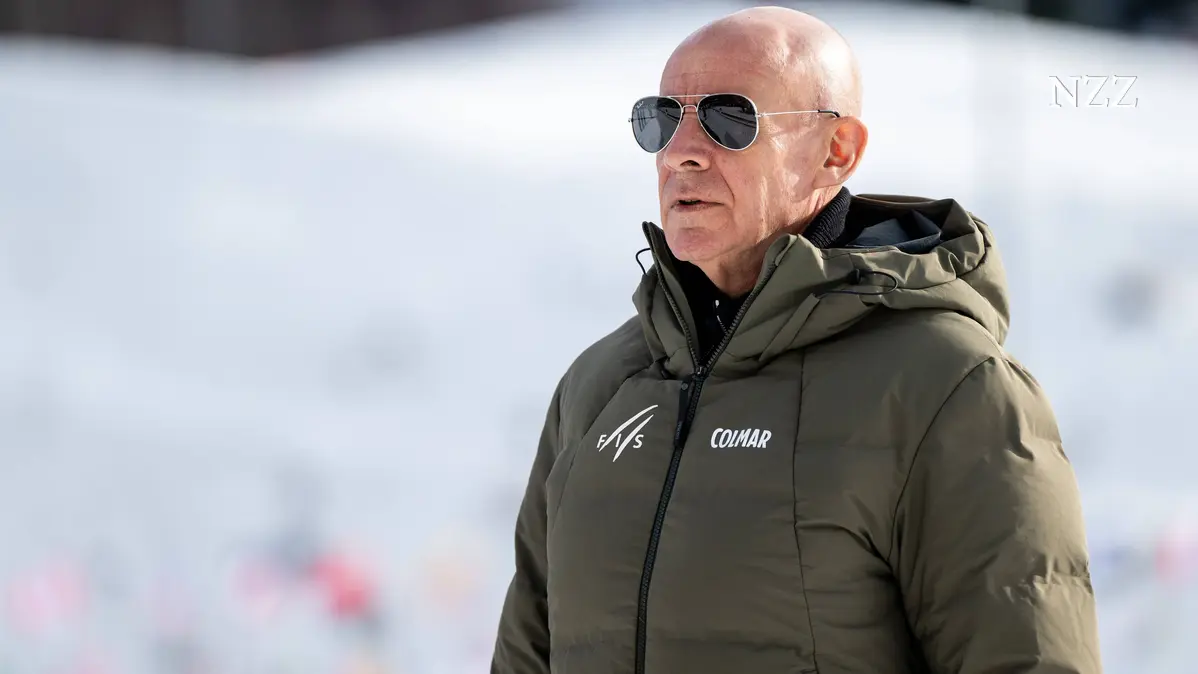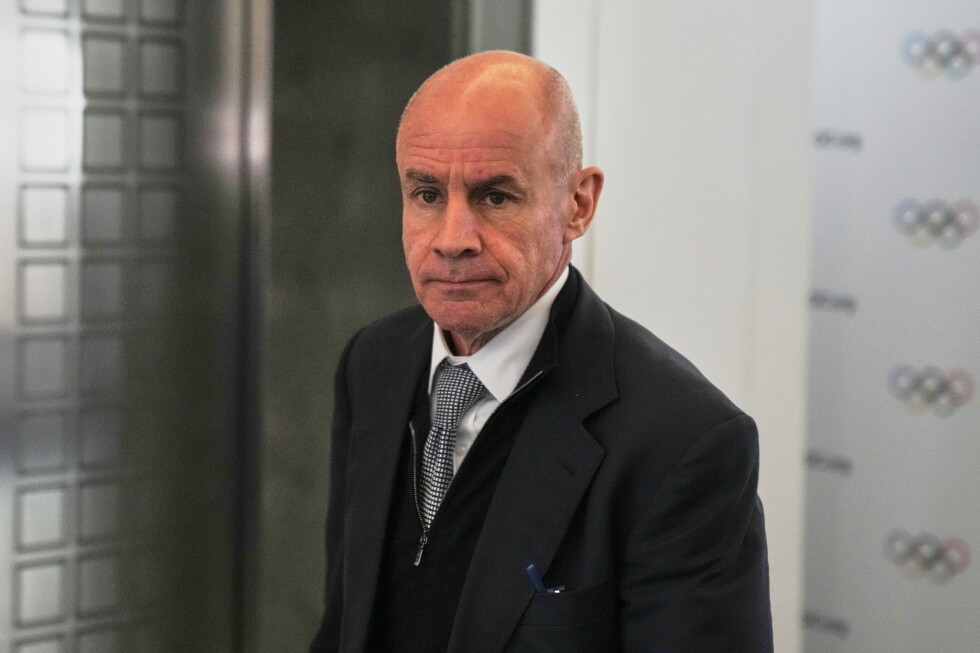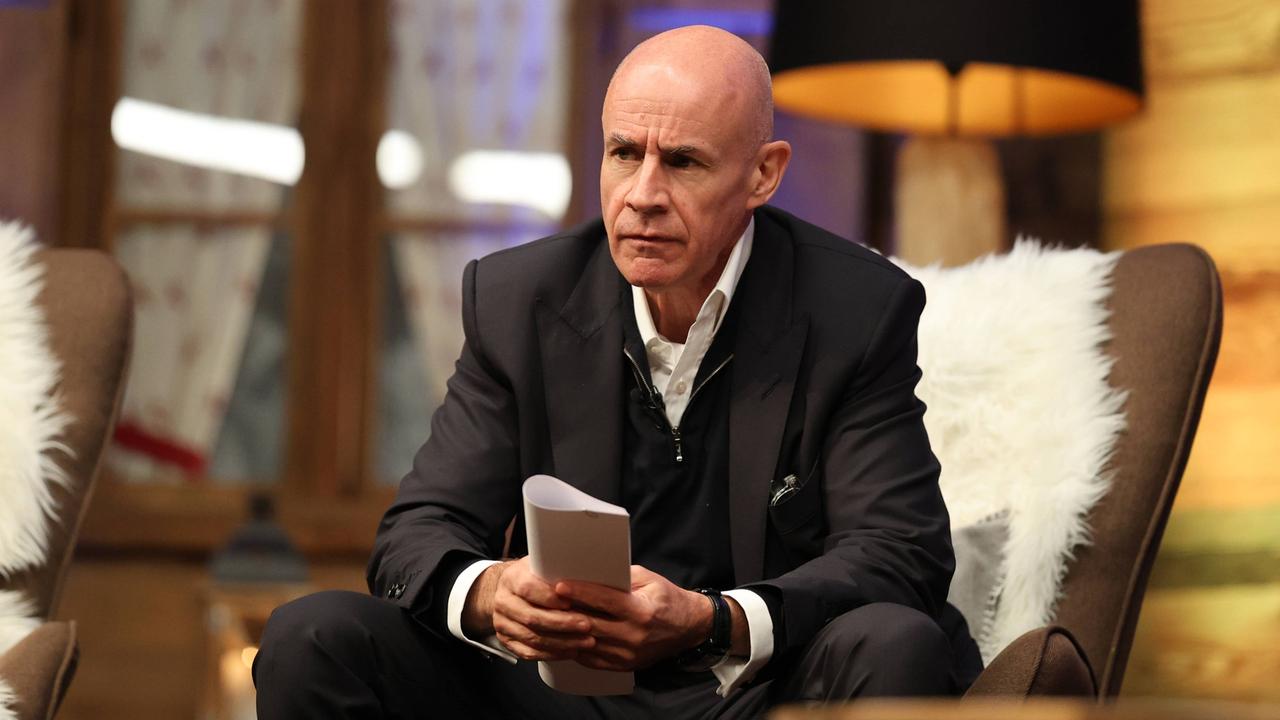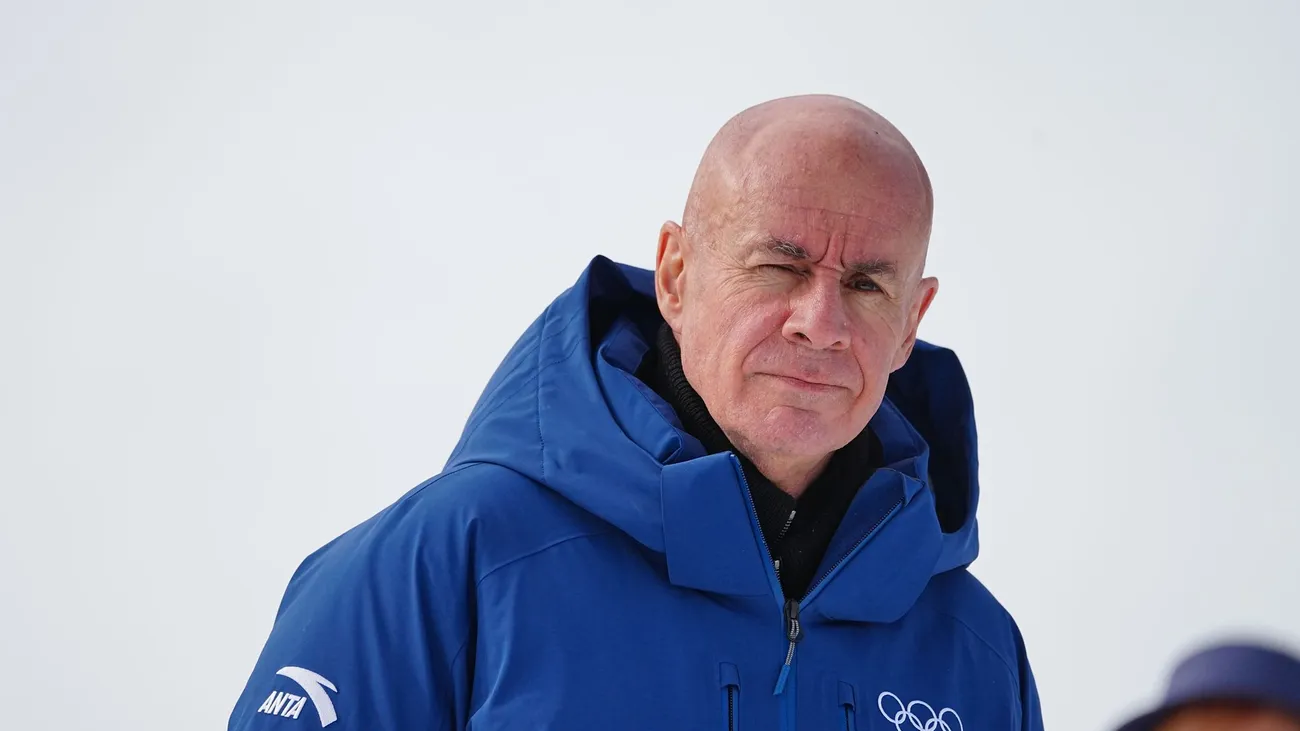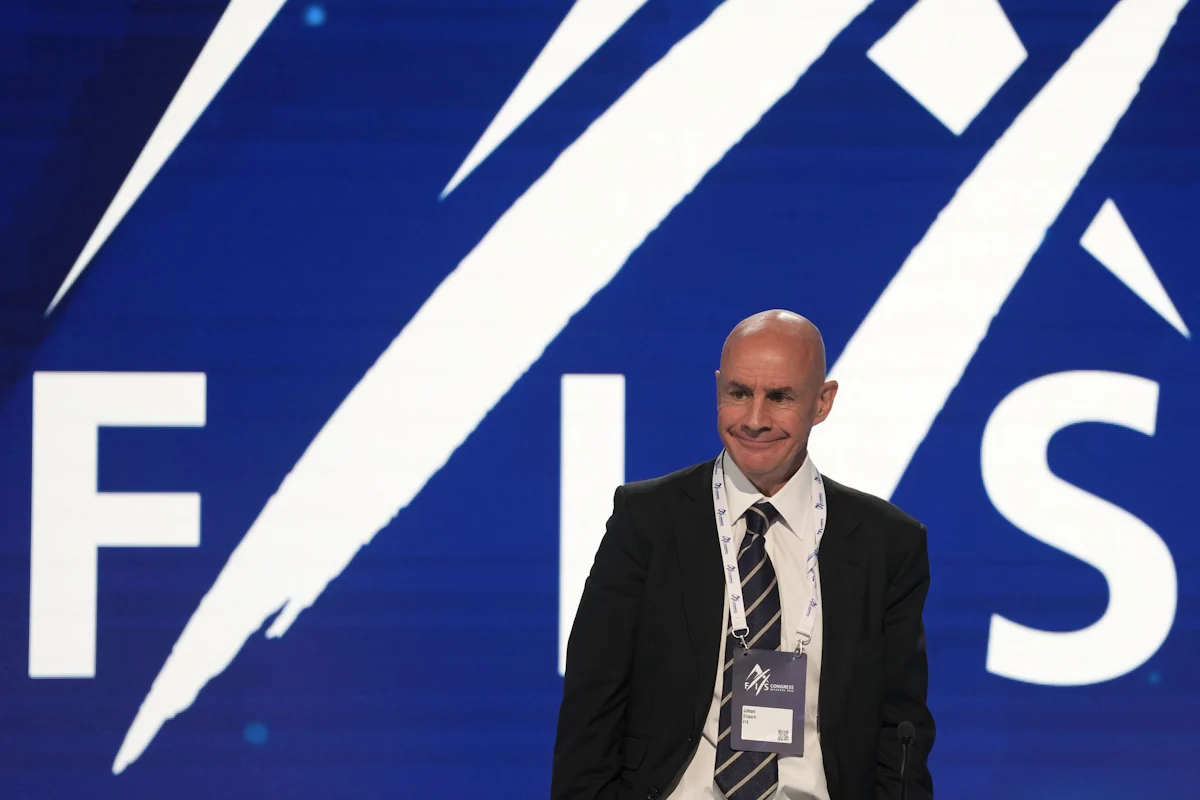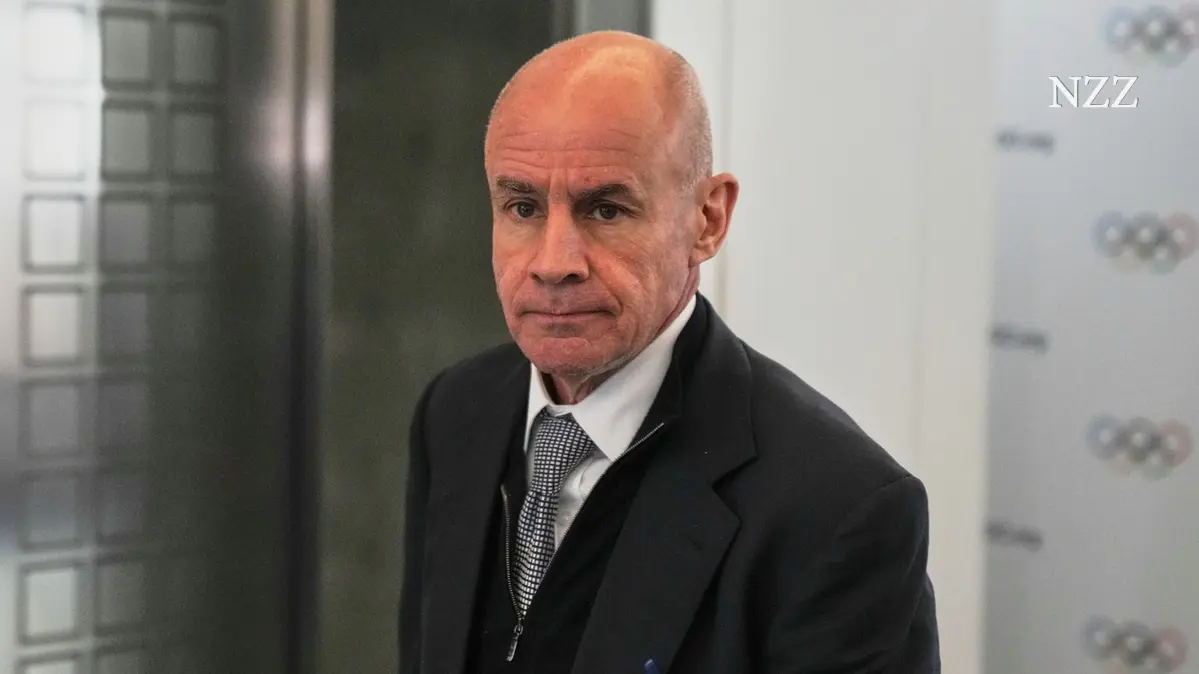
The international governing body that oversees skiing and snowboarding — sports that make up more than half of the competition at the Winter Olympics — is embroiled in a contentious leadership struggle so fraught that some stakeholders believe the organization is facing existential questions.With an election to be held on Thursday, Johan Eliasch, the current president of the International Ski and Snowboard Federation (FIS), is facing accusations that he has mismanaged and misrepresented the organization’s finances, that his administration lacks transparency in how it distributes funds and makes decisions, and that athletes do not feel represented by the organization that runs their sport.“As athletes, we are at the center of everything FIS does, and change is needed if FIS is to truly become an athlete-first organization,” Julia Kern, an Olympic cross-country skier from the United States, said in a statement. “This election represents a pivotal moment for snow sports, with transparency, trust, shared responsibility and the long-term financial security of our sport all at stake. Athletes deserve a greater voice in shaping the future of FIS.”Eliasch, a 64-year-old billionaire raised in Sweden but holding dual citizenship in the United Kingdom, was not supported by either the British or Swedish ski federations in his bid for re-election. He therefore sought a passport from Georgia, which supported his candidacy. Eliasch counters that his detractors are misrepresenting facts and are uncomfortable with what he says is a vision to grow the sport, not just for the traditional skiing powers, but globally.“This is, in the end, all about a few federations that think they should control the sport, taking back the power and control where it’s much more focused on them and what they want,” Eliasch said in a phone interview Monday. “Which doesn’t really correspond to the wishes of the others.”The weeks leading up to the election at FIS’s annual congress — held this week in Belgrade, Serbia — have featured terse exchanges between Eliasch and officials with some of skiing’s most powerful countries, leaving the organization feeling in disarray. FIS’s CEO abruptly resigned last week. And many athletes — including superstars Marco Odermatt of Switzerland and Mikaela Shiffrin of the U.S., winners of this season’s overall Alpine skiing championships — have spoken out against Eliasch’s candidacy.“Certain promises have been made without follow-through,” Shiffrin said in a statement. “It’s not to say no progress has been made, but we haven’t seen any significant changes based on much of what was promised, including intentions around prize money. In fact, in the coming years, it seems that FIS’s contribution to prize money will actually decrease.”Johan Eliasch with Mikaela Shiffrin at a preseason event. Shiffrin, the American star, is among the athletes to call for a leadership change. (Michel Cottin / Agence Zoom / Getty Images)What has followed is an organized campaign to oust Eliasch. The powerful federations of most traditional Alpine skiing powers — including Switzerland, Austria and the United States — are going public with their displeasure with Eliasch ahead of the vote.“We, along with many other National Ski Associations and athletes, have lost confidence in the current leadership of FIS,” U.S. Ski and Snowboard Association CEO Sophie Goldschmidt wrote in a statement to The Athletic. “Continued financial underperformance, a lack of transparency and insufficient collaboration have eroded trust. Snow sports are stronger than ever, and we believe it’s time for a new era of leadership that can unlock the tremendous potential of FIS and our sports for the future.”In an email last week to FIS leadership, including Eliasch, Swiss ski federation CEO Diego Zueger pointedly accused Eliasch of misrepresenting the organization’s financial standing and long-term outlook. He said that “FIS has consumed” more than $100 million of “reserves and equity in recent years.”“The assessment communicated by the President appears fundamentally different from the information presented by those responsible for managing and overseeing the Federation’s finances,” Zueger wrote in the email, a copy of which was shared with The Athletic. “It is particularly disturbing that certain financial figures are presented in the communication from the president as facts which are simply wrong.“We therefore struggle to understand how such a significant discrepancy can exist. Based on all information available to us, the President’s assessment appears to be an isolated one.”Eliasch, in turn, is fighting for his position. In a June 1 email to stakeholders, a copy of which was also shared with The Athletic, Eliasch rebuked what he considers misinformation about FIS’s finances under his management. “The numbers don’t lie,” he wrote. He also addressed the campaign against him by the most prominent National Ski Associations (NSAs).“In a recent conversation with a ‘big nation’ NSA President from central Europe, I was told in no uncertain terms that my governance was so bad that unless I pulled out as a candidate, it was going to get ugly for me,” Eliasch wrote. “I asked him why and if he had any examples of bad governance, to which he replied: ‘I don’t have any examples, but this is what I have heard.’ That said it all — making up facts when you have run out of arguments. Utter rubbish — an expression I have had to use quite frequently in recent days.”Eliasch and International Olympic Committee president Kirsty Coventry at the closing ceremony of the 2026 Winter Olympics. (Stefano Rellandini / AFP via Getty Images)The letter, sent from Eliasch’s personal email address, drew an inquiry from FIS’s ethics council, which was later dismissed, according to documents viewed by The Athletic. But the exchange illustrates the tensions surrounding Eliasch’s tenure. In May, board members and executives from seven NSAs — the U.S., Austria, Switzerland, Germany, Norway, Spain and Canada — sent a letter to officials from other NSAs outlining their reasons for wanting a change in leadership.“FIS is in a very serious financial situation which has deteriorated significantly over the past five years,” the letter read. “Cash reserves have declined substantially, annual operating costs have increased significantly, and revenues have not developed as anticipated.”In 2021, Eliasch was elected as an outsider who pledged to centralize FIS’s media rights, drive more revenue and grow the sport globally. Raised outside Stockholm, he began a career in investment banking in London. In 1995, he took over a sporting goods company that was hundreds of millions of dollars in debt, rebranded it as Head — now a dominant name in Alpine skiing, providing equipment for stars such as Lindsey Vonn — and served as CEO until 2021.His initial election, though, was met with protest by some powerful federations, including the Swiss, who had a countryman at the helm of FIS for the previous 70 years. But there was also optimism that a sport steeped in tradition might benefit from some new eyes.“I had high hopes for him because he came from the outside, thought differently, and understood the global economy very well thanks to his entrepreneurial background,” Odermatt told the Swiss publication Blick. “We must acknowledge that nothing has really progressed.”When British ski federation chief Victoria Gosling withdrew her candidacy Monday, Alexander Ospelt, a lawyer from Liechtenstein who led the ski federation in that small European nation, remained as Eliasch’s lone opponent. In a video interview Monday, Ospelt said FIS’s strict “code of conduct” prevented him from criticizing Eliasch directly, though he vowed to bring unity to what appears to be a fractured organization.“I don’t see the return on investment financially if you look at the numbers solely,” Ospelt said. “To lead an association … is something totally different as leading a company, because I’m as well president of the board of companies. You have to acknowledge the interests and align the interests to bring an association forward. Otherwise, it does not work. It’s not a company.”Alexander Ospelt, in 2018. The former president of Liechtenstein’s ski federation is opposing Eliasch in Thursday’s election. (GEPA pictures / Claudia Lerch / Sipa via AP Images)Further highlighting the contentiousness is Eliasch’s affiliation with Georgia. FIS rules dictate that candidates must hold a passport from their nominating nations. Eliasch said his pursuit of a passport from Georgia was strategic.“The reason I did go with Georgia is that this is a country which encompasses a lot of what we’re trying to achieve here,” Eliasch said Monday. “It’s a country where there are incredible mountains, that has organized world championships, that does all the disciplines, where the sport can really grow.“This is also what this is partly about. It’s not only having as many nations with as many athletes, but also growing the sport. And the opportunities here are huge in Asia.”That statement runs counter to how Ospelt views FIS’s role.“I don’t think it’s wise to bring Alpine downhill (racing) to China,” Ospelt said. “Do sports there where we have audience, where we can make money. … (China) are strong in aerials, freestyle, snowboard. Don’t bring sports which are not accepted.”According to its website, FIS comprises 141 member nations. Voting for the presidency will be weighted, with 19 large nations — including the U.S., Austria and Switzerland — receiving three votes each. Middle-sized nations receive two votes, with smaller countries counting just once. Several people familiar with the vote, speaking on condition of anonymity to discuss the sensitive situation, said Eliasch is counting on support from an overwhelming majority of the smaller federations.“It’s a democratic process,” Eliasch said. “Their interests are perhaps not aligned with the vast majority of the membership. And that is what the vote is going to, obviously, evidence.”Some federations have spent recent weeks soliciting statements from their athletes pleading for a change. Others worry that, should Ospelt succeed in ousting Eliasch, he will align too closely with the biggest nations. With the vote looming, the sport’s governance is teetering.“I feel the responsibility, and really have a lot of feedback — from the organizers, from the athletes, from the NSAs — that FIS is really at risk to kind of break away if you don’t unify now and find a way together,” Ospelt said. “If Johan is ready to do that, I think then this will be the way forward. But we have to unify to bring this house in order.”
For FIS, whose sports drive the Winter Olympics, a contentious election arrives
Star athletes are calling for change. The incumbent isn't giving up easily. And it comes at a critical time for the future of winter sports.
1,685 words~8 min read