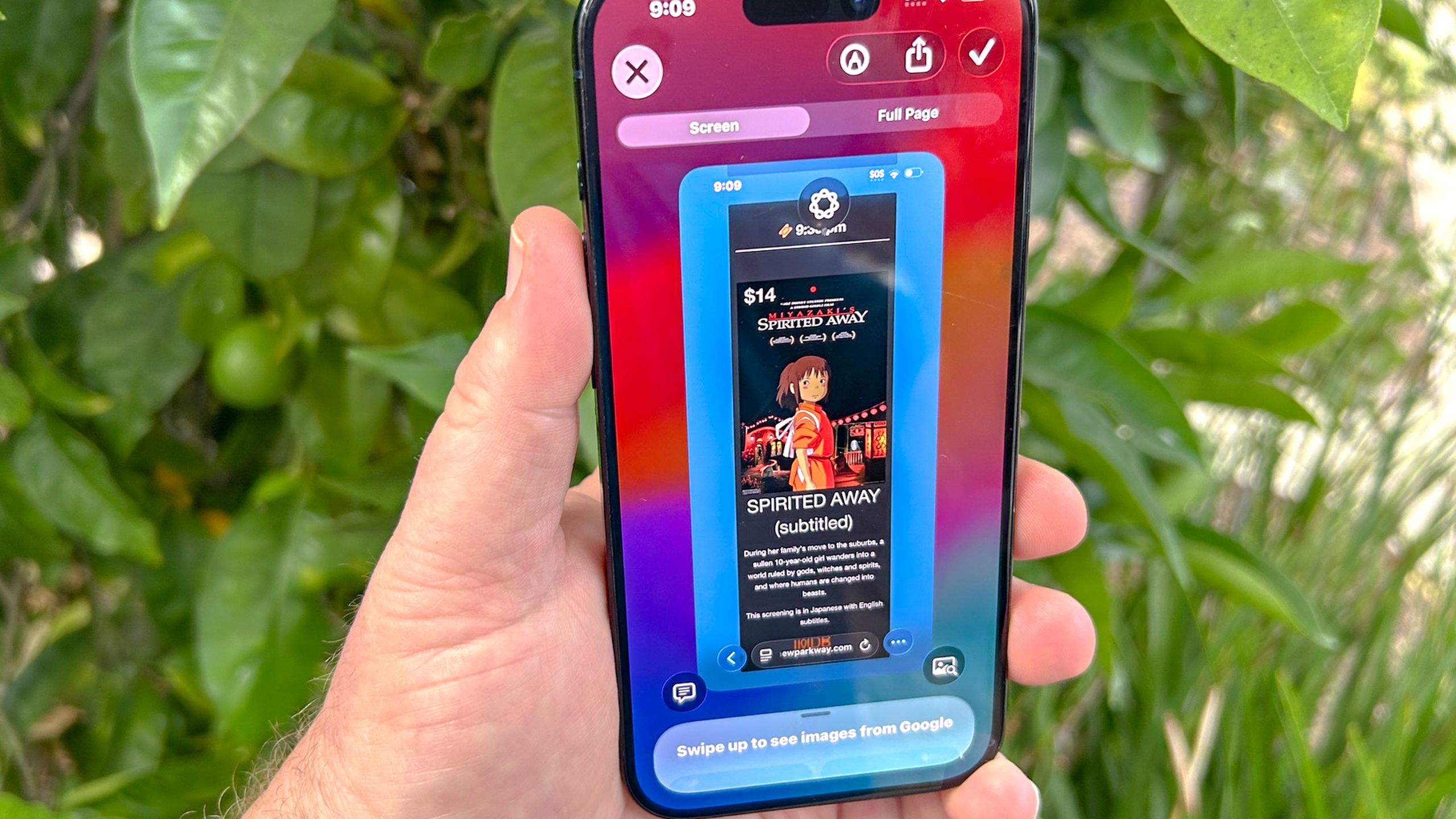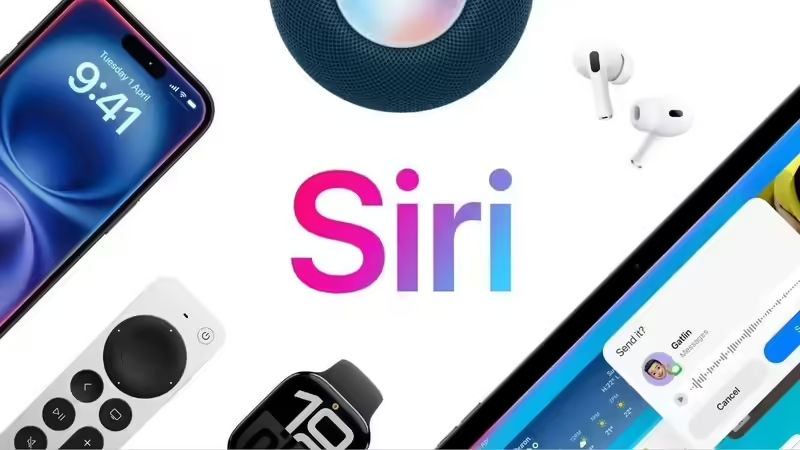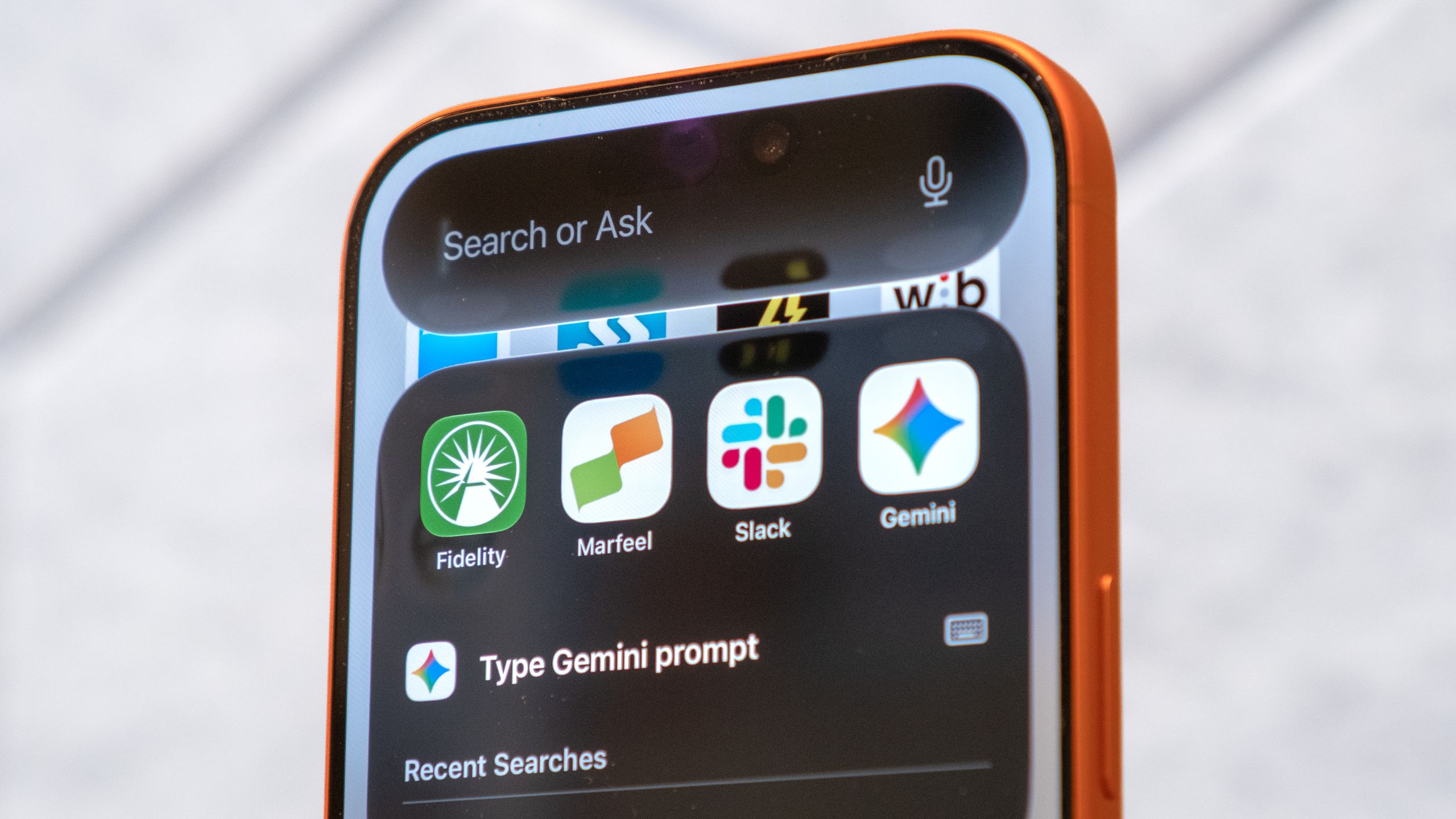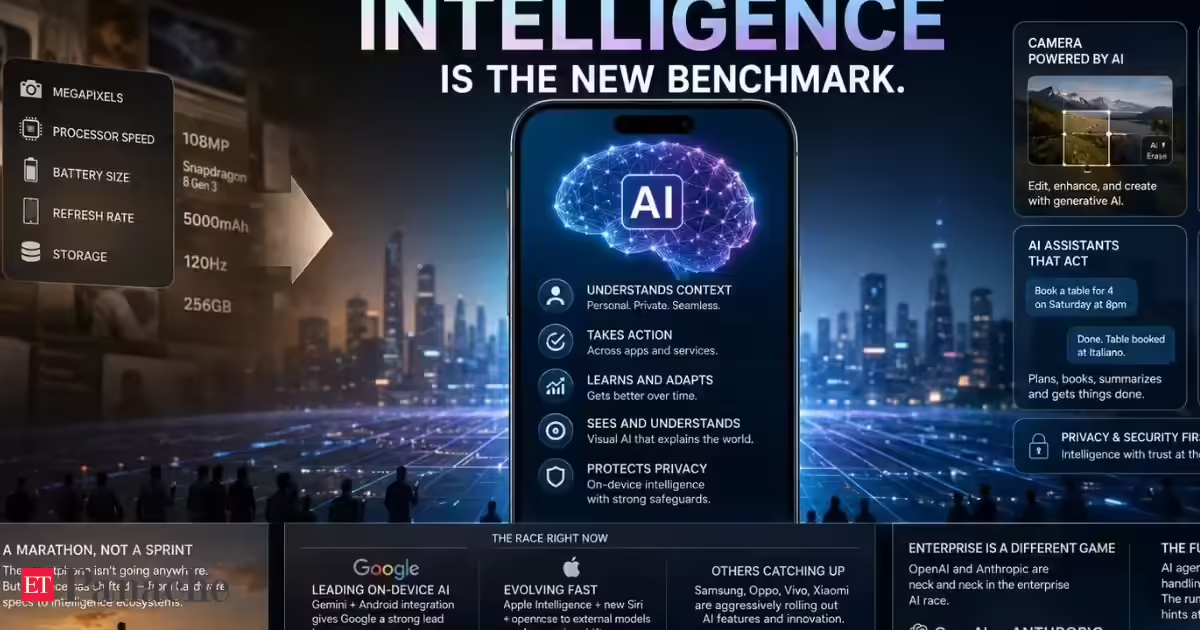
For years, buying a smartphone was a numbers game. Battery size, charging speeds, processor performance, camera megapixels. The bigger the number, the better the phone. Brands built entire marketing campaigns around specifications because, for a long time, that was genuinely how consumers made their decisions. That era isn't over completely, but it is becoming less relevant with every passing year.The reason is simple. Smartphones have become good enough. Most premium and even upper mid-range devices today are fast enough for everyday use, take excellent photos, last a full day on a charge, and come with displays that are difficult to fault. Hardware continues to improve, but the gap between good and great has narrowed significantly. As a result, consumers are beginning to evaluate smartphones differently.The real question is no longer how powerful a phone is. The question is how intelligent it is.Two Keynotes, One DirectionThe past few weeks have made that shift impossible to ignore. At Google I/O, Gemini wasn't just another product announcement. It was the centrepiece of Google's entire strategy. Whether it was Search, Android, Workspace, AI-powered glasses, or agentic workflows, nearly every major announcement revolved around making AI more capable, more contextual, and more useful in everyday life.Then came WWDC, where Apple delivered perhaps its most significant AI response yet. The company rebuilt Siri around personal context, on-screen awareness, and cross-app actions while simultaneously signalling a willingness to work with external AI models where necessary. The company made it clear that the future of the smartphone experience is not just about apps and interfaces, but about intelligence that understands users and acts on their behalf.Viewed separately, these announcements are important. Viewed together, they reveal something much larger. The two companies that effectively define the modern smartphone experience have arrived at the same conclusion: intelligence is becoming more important than hardware.When the company behind Android and the company behind the iPhone are both betting their future on AI assistants rather than hardware breakthroughs, the direction of travel becomes hard to ignore.The Smartphone Is Becoming an AI PlatformWhat's changing is not simply the addition of AI features. Smartphones have had AI-powered capabilities for years. What's changing is where intelligence sits within the experience. Until recently, AI was a destination. You opened an app, asked a question, received an answer, and then returned to whatever you were doing. Useful, certainly, but hardly transformative.The next phase is fundamentally different. AI is moving into the operating system itself, becoming part of the workflow rather than another step within it.That may sound like a subtle distinction, but it has profound implications. Think about how many small actions make up a typical day on a smartphone. Reading emails, translating messages, planning meetings, searching for information, editing photos, organising travel plans, replying to notifications. Historically, each of those tasks required jumping between apps and services.Increasingly, AI is becoming the layer that connects them. Instead of navigating software, users simply focus on the outcome they want to achieve.Cameras Tell the Story BestPhotography offers perhaps the clearest example of how AI is reshaping the smartphone experience.A decade ago, smartphone camera innovation was largely about hardware. Manufacturers competed on sensor size, lens quality, optical zoom, and megapixel counts. Today those things still matter, but they are no longer the whole story. Increasingly, what makes a smartphone camera great happens after the shutter button is pressed.AI now sits at the heart of modern smartphone photography. Features such as object removal, AI-powered editing, scene recognition, portrait enhancement, low-light optimisation, and generative image tools have become standard across flagship devices. Google's Gemini-powered camera experiences, Apple's growing suite of AI photo tools, and Samsung's aggressive rollout of Galaxy AI features all point in the same direction: cameras are no longer just imaging systems. They are becoming intelligent visual systems.Chinese smartphone makers are equally aggressive. Oppo, Vivo, and Xiaomi have invested heavily in AI-powered photography while simultaneously strengthening partnerships with established camera brands. Oppo continues to work closely with Hasselblad, Vivo with Zeiss, and Xiaomi with Leica. The combination of advanced hardware, computational photography, and AI-assisted processing has pushed smartphone photography to a level that would have been difficult to imagine just a few years ago.The results are evident. Modern smartphones can produce images that rival dedicated cameras in many everyday situations, not simply because the hardware has improved, but because intelligence increasingly fills the gap between what the sensor captures and what the user ultimately sees.The next frontier goes beyond photography itself. It is visual AI.Instead of merely taking a picture, cameras are increasingly becoming tools for understanding the world. Point a smartphone camera at an object, a landmark, a product, or a piece of text, and AI can identify, translate, explain, summarise, or provide context in real time. We are already seeing early versions of this through visual search, Circle to Search, Gemini Live, and similar capabilities across platforms.The same trend is extending beyond smartphones. Smart glasses such as the Meta Ray-Bans are already demonstrating what happens when AI gains a persistent visual understanding of the world around the user. The camera becomes an input mechanism for intelligence rather than simply a tool for capturing memories.Of course, this also introduces new questions around privacy and security. Devices that can continuously interpret visual information create challenges around consent, data handling, and user protection. Technology companies are aware of these concerns, and many of the safeguards being introduced today are as much about trust as they are about capability.What remains clear, however, is that the future of smartphone cameras is no longer just about taking better photos. It is about helping devices understand what they are seeing and helping users make sense of the world around them.Why Smartphone Upgrades Are ChangingThis is also why smartphone upgrades are beginning to look different. For years, consumers upgraded because a newer processor was faster or because a camera had improved. Increasingly, the value proposition is shifting toward intelligence. The question is not whether a phone is good today. The question is whether it becomes better over time. Google's Pixel strategy has leaned heavily into this idea. Samsung has done the same through Galaxy AI. Apple's renewed focus on Siri follows a similar philosophy.Smartphones are no longer static products. They are evolving software platforms whose capabilities continue to expand long after launch.That may ultimately become a more important selling point than any individual hardware specification.The Next Battle May Not Be the Operating SystemLooking further ahead, there is an even more interesting possibility emerging. If AI becomes the primary way users interact with technology, then operating systems themselves may become less important than they are today. Android and iOS are currently the gateways through which every smartphone experience flows. But future AI agents could potentially sit above those operating systems, handling tasks on behalf of users across multiple apps and services.Instead of opening five apps to organise a trip, an AI agent could manage bookings, reservations, calendars, payments, and communication through a single interaction. The operating system would still exist, but it would increasingly function as infrastructure rather than the primary interface.This idea helps explain why so much attention has been focused on the reported collaboration between Sam Altman and Jony Ive. While details remain speculative and any future hardware remains years away, the broader concept is clear: a world where AI becomes the interface itself rather than simply another application.Whether that arrives through a smartphone, a companion device, or an entirely new category remains to be seen. But it highlights how quickly the conversation is moving beyond apps and operating systems toward intelligent agents capable of performing tasks autonomously.This Race Is a Marathon, Not a SprintThat does not mean the smartphone is going away. In fact, the opposite is probably true. The smartphone remains the most personal computing device most people own, and that position is unlikely to change anytime soon. What is changing is the layer of value built on top of it. The competition is moving away from hardware specifications and toward intelligence ecosystems.And that race is not a sprint. It is a marathon. At the moment, Google appears to have established a meaningful lead in consumer-facing, on-device AI. Gemini's integration across Android and Google's growing influence across the broader mobile ecosystem underscore how significant that lead has become. Apple's willingness to embrace external AI models only reinforces the idea that model quality is becoming as important as platform ownership.Yet the broader AI market remains far from settled.In enterprise applications, coding, research, and business workflows, OpenAI and Anthropic continue to compete aggressively. Leadership in consumer AI does not automatically translate into leadership in enterprise AI, and the winners in one market may not necessarily dominate the other.The Benchmark Has MovedWhat seems increasingly clear is that the benchmark has changed. Hardware still matters. Better cameras, brighter displays, faster chips, and larger batteries will always be important. But those features are becoming the baseline rather than the differentiator.The next generation of smartphone competition will be defined by which devices understand users better, anticipate their needs more effectively, and continue becoming more useful over time.The industry's two most important technology events have already signalled where things are headed. Google spent I/O talking about Gemini. Apple spent WWDC talking about Siri. Neither company spent much time convincing people that they needed more megapixels or a slightly faster processor. That tells you everything you need to know.The smartest smartphone purchase of the future may not be the device with the best specifications.It may simply be the one that keeps getting smarter.
Specs stopped selling smartphones. Intelligence is the new benchmark - A breakdown of Google I/O and Apple’s WWDC 2026
Smartphones are evolving beyond just hardware. Companies like Google and Apple are now prioritizing artificial intelligence. This means phones will understand users better and perform tasks automatically.
1,581 words~7 min read