Germany's economic recovery is turning out weaker than expected in the spring. That is the conclusion reached by experts at the German Institute for Economic Research (DIW). They have halved their growth forecast for the current year to 0.5 percent.
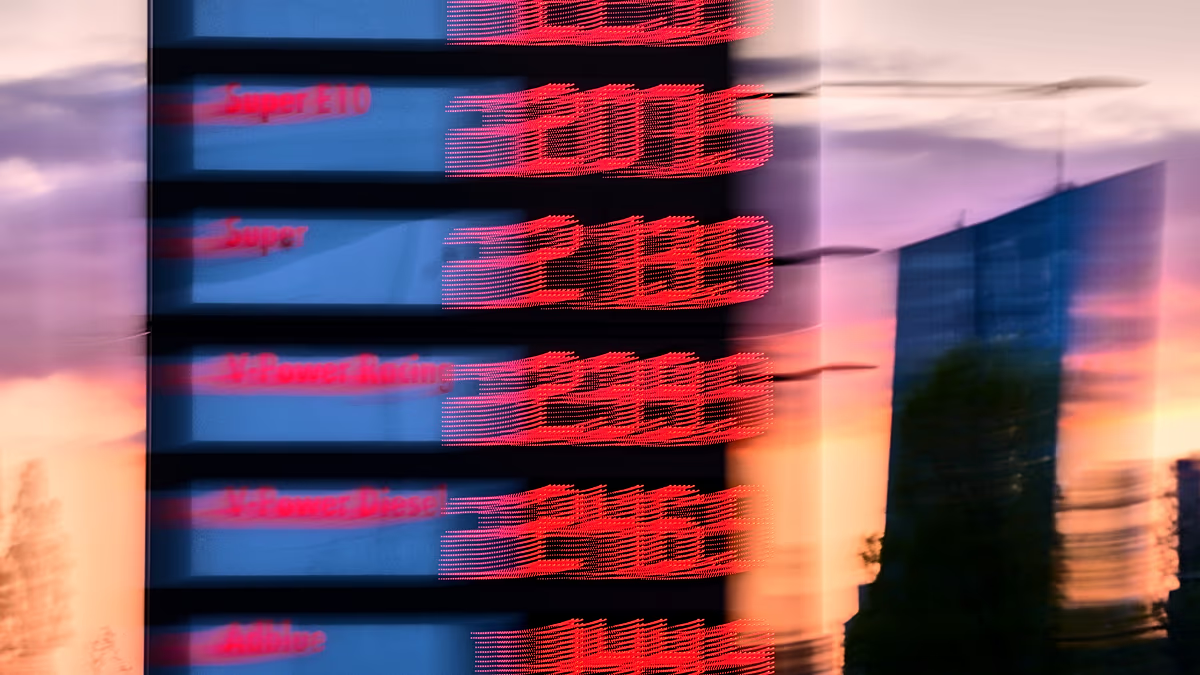
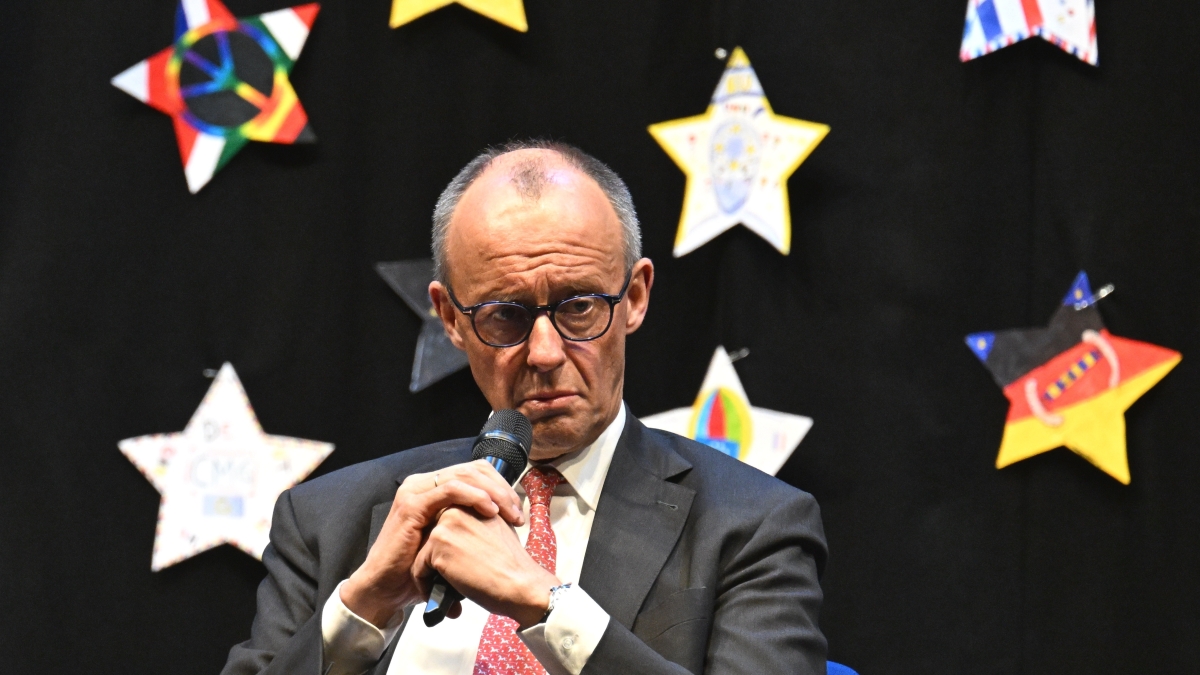
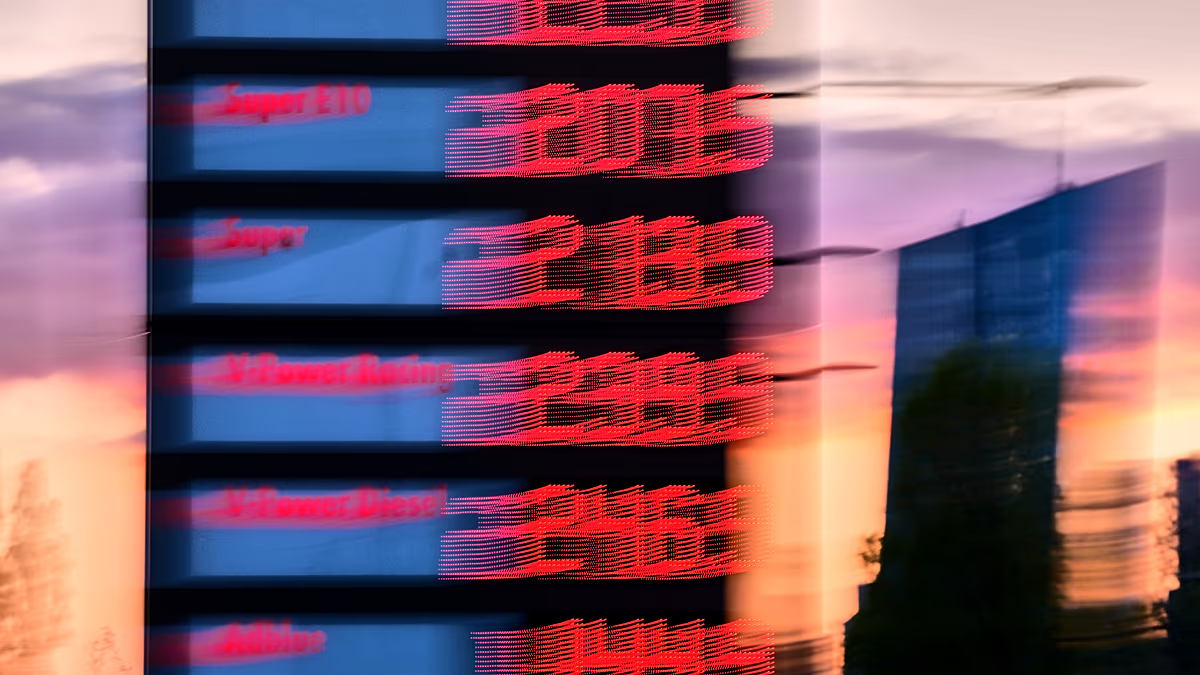
'The energy price shock is clearly slowing the recovery,' says DIW chief economist Geraldine Dany-Knedlik. However, she stresses that the situation is not a repeat of 2022/23. That was the year Russia launched its full-scale invasion of Ukraine. 'The shock is smaller, energy supplies are still secure, and Germany is now less dependent on fossil fuel imports than it was after the start of the war in Ukraine,' Dany-Knedlik explains.
'The only reason the economy is growing at all this year is public spending,' the chief economist makes clear. Household demand is weakening and companies have recently become more cautious. Rising government expenditure, for example through higher defence spending and the special fund, is instead propping up economic growth.
The government had already revised down its growth forecast in its spring projections. Having initially assumed growth of 1.0 percent, by the end of April it was only expecting 0.5 percent. That is in line with the estimate from the Kiel Institute for the World Economy (IfW). The federal government does, however, explicitly state that private consumption remains a pillar of the economy. Public investment, meanwhile, is providing important impetus for growth.