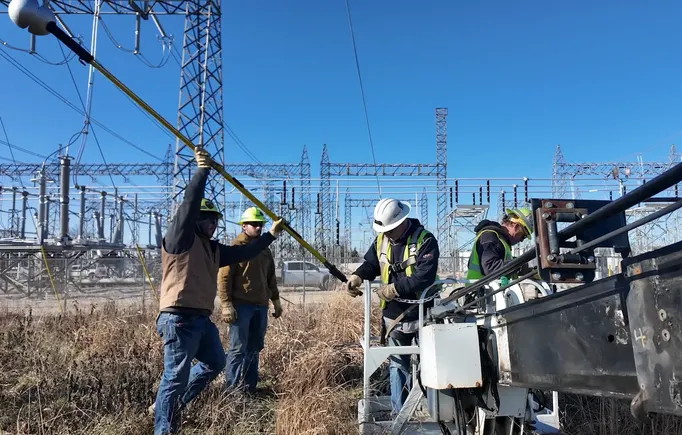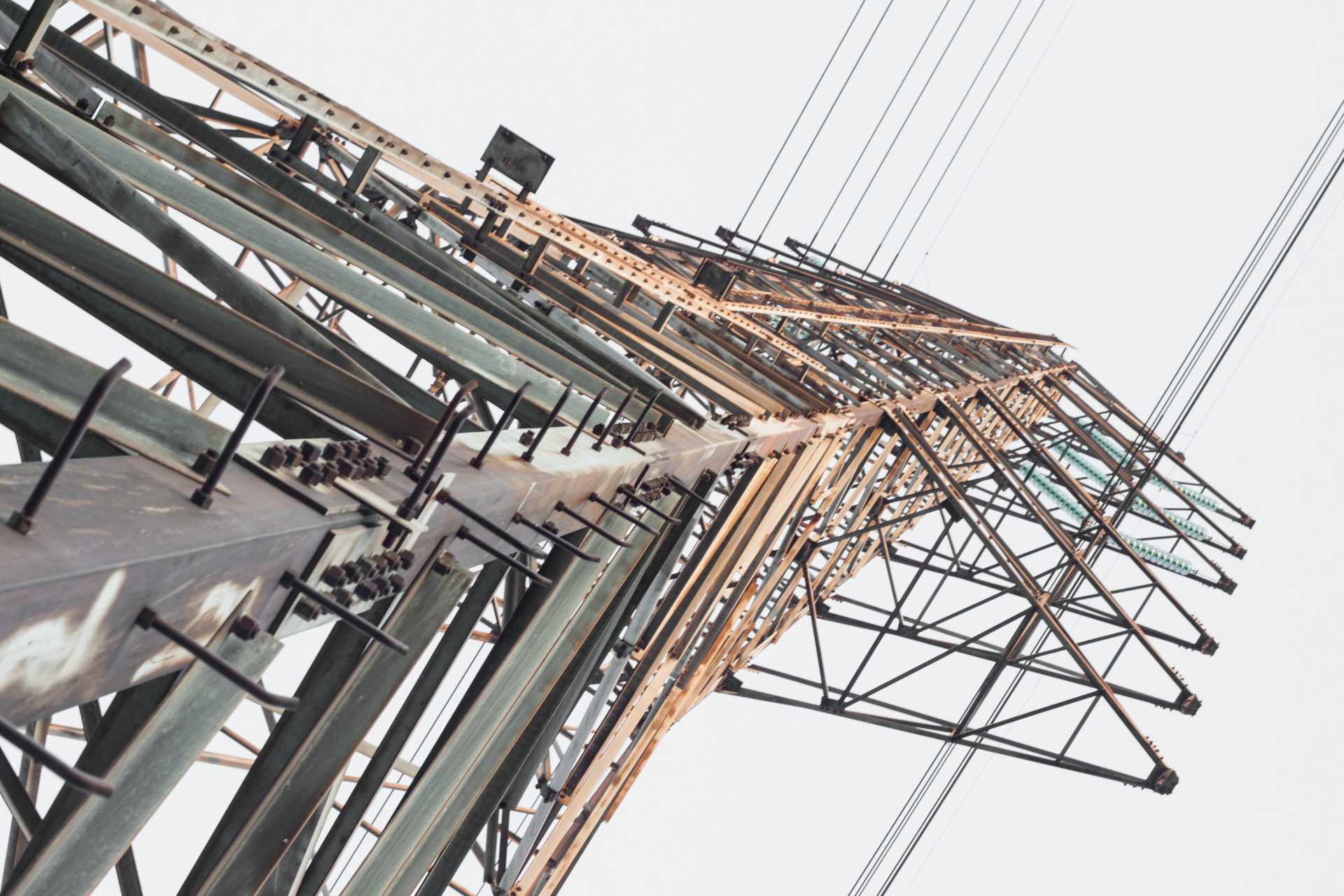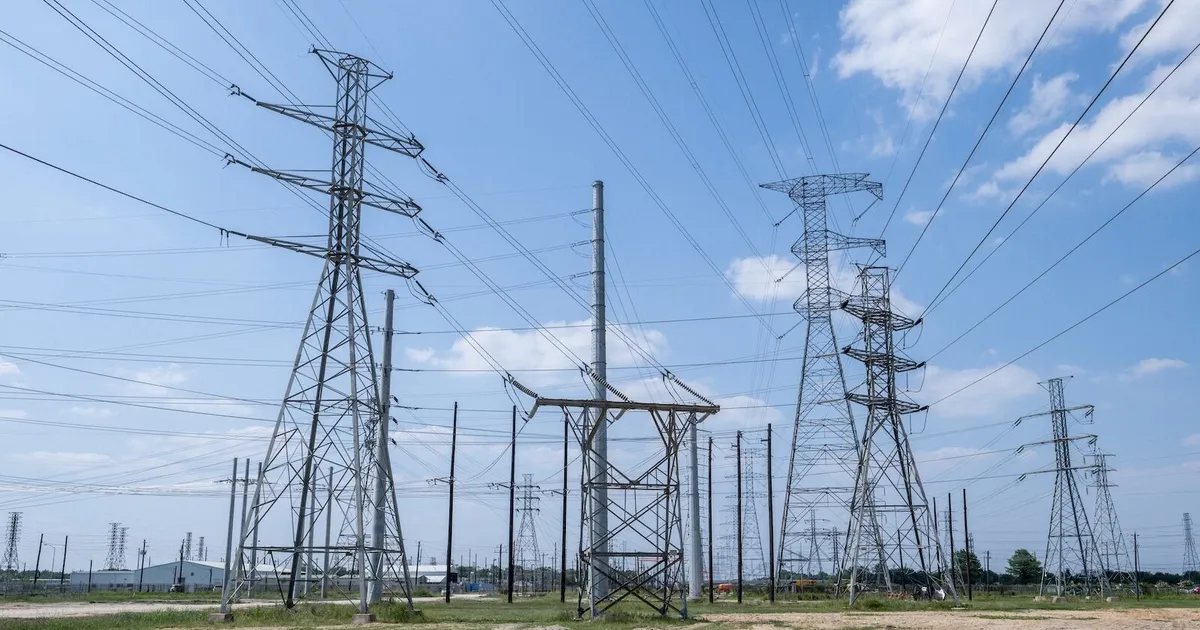
The U.S. hasn’t been standing still on DLR. Deployments in Indiana, Minnesota, New York, Ohio, Pennsylvania, Texas, Virginia, and other states have shown the technology can significantly increase capacity on individual power lines.
But getting more headroom on one line only gets you so far on a networked grid that must operate as a unified whole. As a 2019 DOE report put it, “DLR has the potential to expand the Nation’s power highway system, but the exits and intersections must be capable of using that new capability for it to be worthwhile.”
OATI wants to leverage its broad customer base to make such an integration possible, Sarkinen noted. It will work the real-time DLR data into its software suite, which 95% of North American transmission operators use to share information about their available capacity and to manage the flow of power across networks.
The firm also plans to leverage its AI-informed Genie platform to boost the usefulness of all these figures. It’s been deploying that tech with California’s grid operator over the past two years, Engel said, processing large amounts of data to quickly decide how to safely reconfigure systems when power plants go offline or individual transmission lines are overloaded.