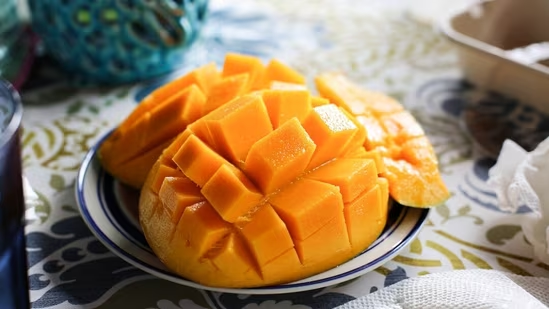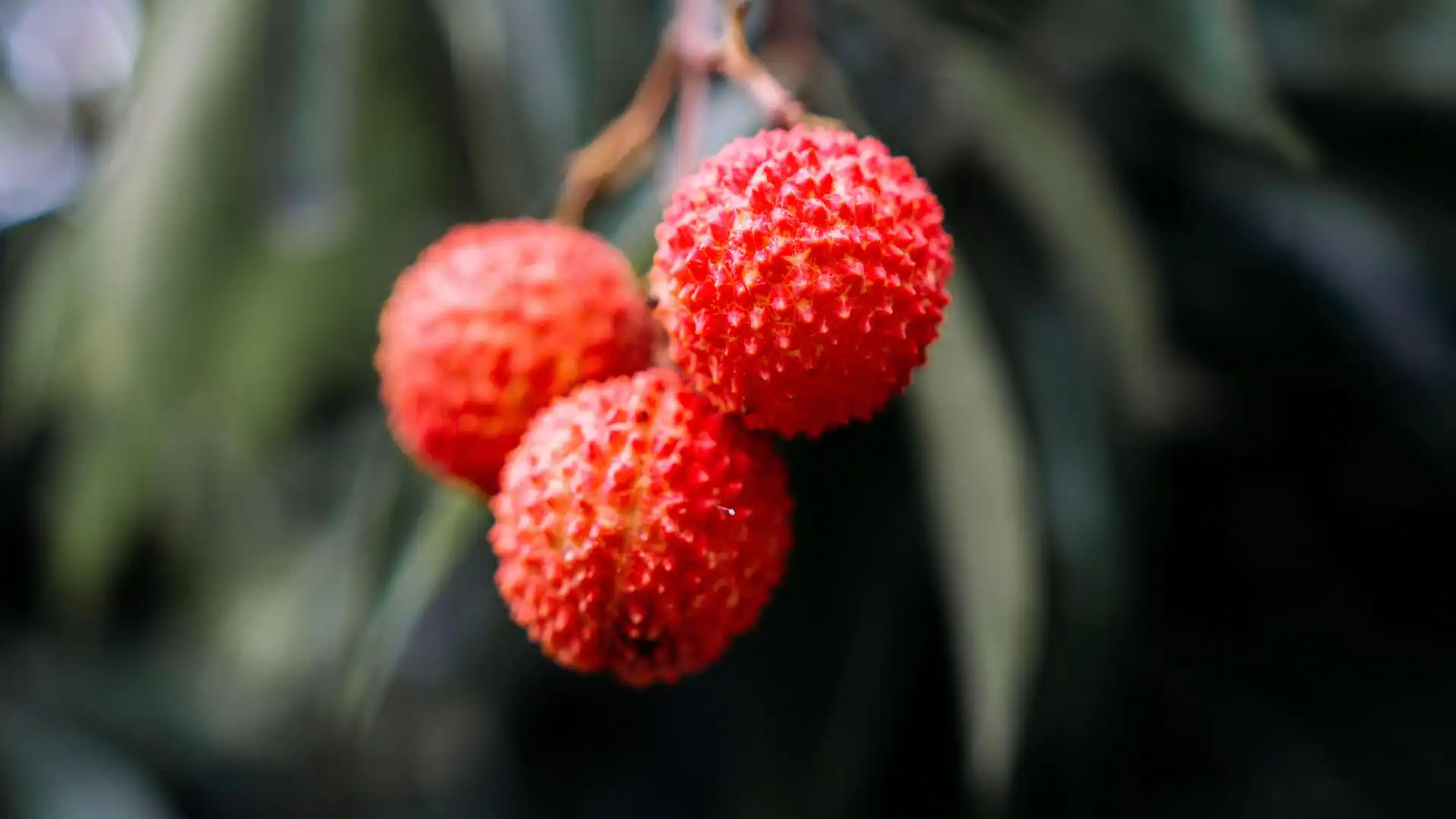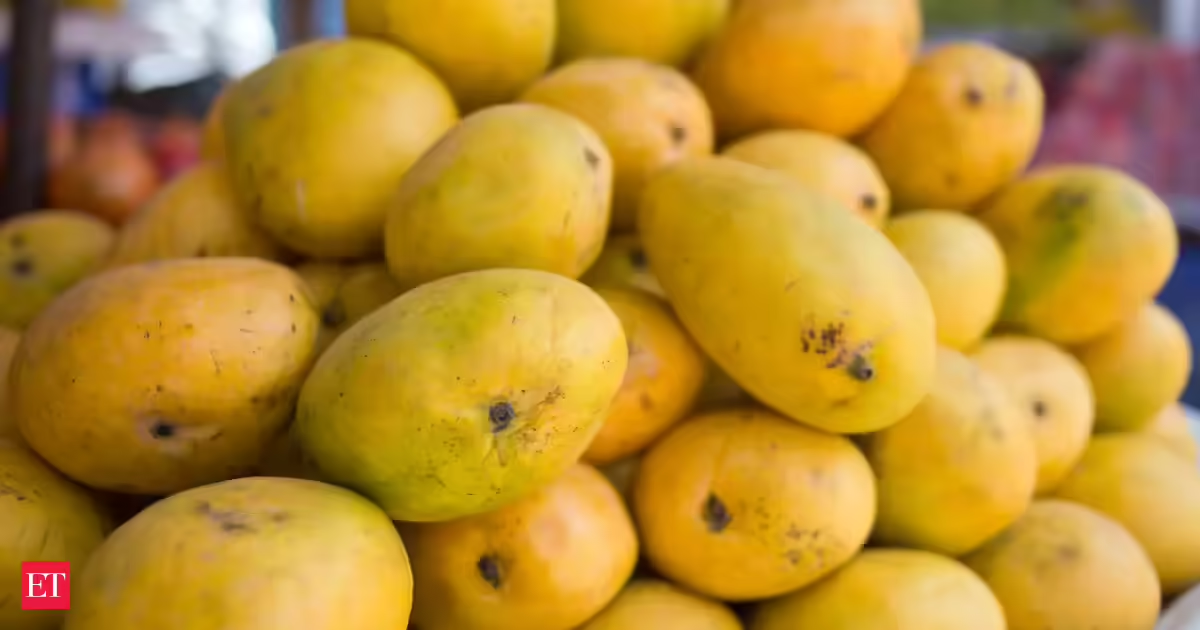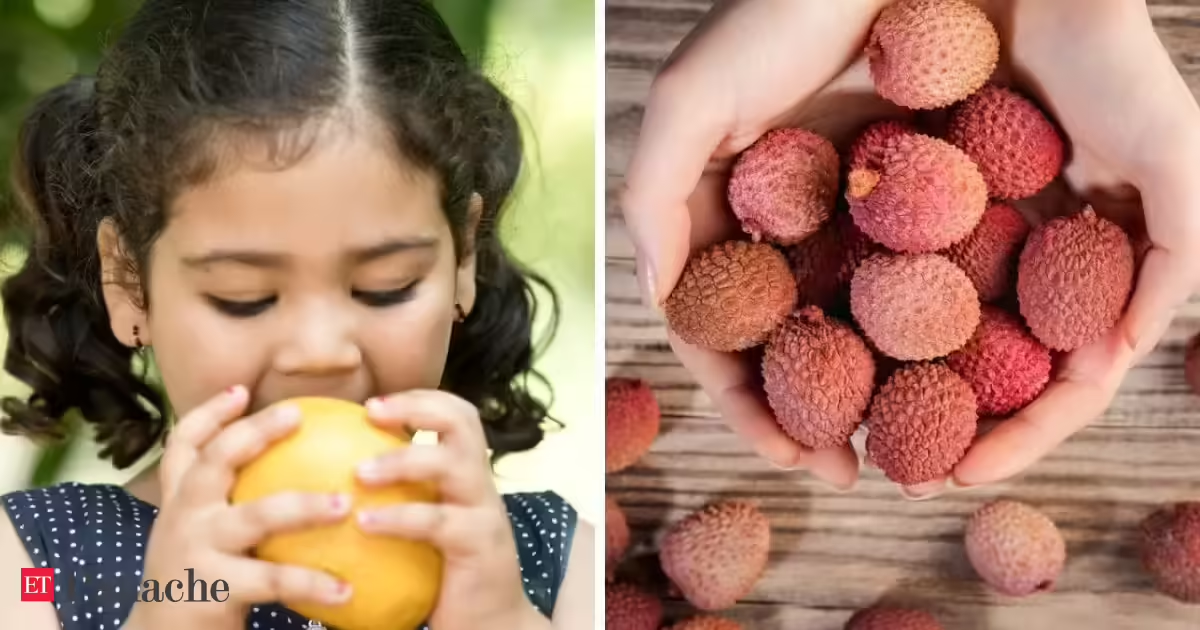
SynopsisSummer fruits like mangoes and litchis offer delicious refreshment but may carry pesticide residues. Proper washing techniques, including saltwater soaks, diluted vinegar, or baking soda solutions, are essential to ensure these seasonal treats are safe and healthy. These fruits are also packed with vitamins, antioxidants, and fiber, contributing to immunity, heart health, and digestion.Proper washing of mangoes and litchis can help reduce pesticide exposure. (Image - iStock)Summer in India is as much about the heat as it is about the bounty of seasonal fruits that offer a welcome burst of flavour and freshness. From juicy watermelons and muskmelons to jamuns, plums and peaches, there is no shortage of options to enjoy during the hottest months of the year. Yet, among them all, mangoes and litchis reign supreme. While the mangoes of Maharashtra's Ratnagiri, Uttar Pradesh's Malihabad and Andhra Pradesh are celebrated across the country, litchis from Bihar's Muzaffarpur and parts of West Bengal are equally cherished for their sweetness and aroma. Like many commercially grown fruits, mangoes and litchis may carry traces of pesticides, dirt, wax coatings and other residues from cultivation, storage and transportation. While these substances help protect crops from pests and spoilage, some residues can remain on the fruit's surface by the time they reach your kitchen. So, before biting into your favourite mango or handful of litchis, proper washing can help reduce this exposure, making your favourite summer treats safer and healthier to enjoy.How to wash mangoes and litchisNever skip the first rinseNo matter how fresh or appealing mangoes and litchis may look, experts recommend washing them thoroughly before consumption. Fruits often pass through several stages of handling, storage and transportation before reaching consumers. During this journey, they can accumulate dirt, dust, pesticide residue and other contaminants on their surface. A thorough rinse under running water is therefore an essential first step to reduce unwanted residues and make the fruits safer to eat.Try a saltwater soakA simple saltwater soak is considered one of the easiest ways to clean summer fruits. Mangoes and litchis that are likely to be consumed within a day or two can be immersed in a bowl of saltwater for around 15 to 20 minutes. After soaking, the fruits should be gently rubbed and rinsed with clean water. This method is commonly used to help loosen and remove surface-level dirt and pesticide traces that may cling to the skin.Use a diluted vinegar solutionAnother popular cleaning method involves soaking fruits in a diluted white vinegar solution. A mixture containing roughly one part vinegar and nine parts water can be prepared in a large bowl. Mangoes and litchis can then be left in the solution for 10 to 15 minutes before being removed and rinsed thoroughly. Gently rubbing the surface while washing may help remove any remaining residue. A final rinse with fresh water ensures that the fruits are clean and ready to eat.Consider a baking soda washBaking soda is often recommended as a natural cleaning agent for fruits and vegetables. Some studies suggest that it can help break down and remove certain pesticide residues from the surface of produce. To use this method, a teaspoon of baking soda can be mixed into a bowl of water, after which mangoes and litchis can be soaked for a few minutes. Once removed, the fruits should be washed well with fresh water to eliminate any remaining baking soda and loosened particles.Clean gently with lukewarm waterWashing fruits with lukewarm water is another method that may help reduce surface contaminants. The water should be warm rather than hot, as excessive heat can affect the texture and quality of delicate fruits. After gently rubbing the skin of mangoes or the outer shell of litchis under lukewarm water, they can be left to soak briefly before a final rinse. This extra step may help remove stubborn dirt and residue, ensuring that these summer favourites are enjoyed in the cleanest possible way.Benefits of mangoes and litchis Rich in vitamin CBoth mangoes and litchis are excellent sources of vitamin C, a nutrient that supports immunity, aids collagen production and helps the body absorb iron more efficiently. One cup of mango provides a significant portion of daily vitamin C needs, while litchis are particularly rich in the nutrient.Packed with antioxidantsMangoes contain antioxidants such as mangiferin and catechins, while litchis provide compounds like epicatechin and rutin. These antioxidants help protect cells from oxidative stress caused by free radicals. Support heart healthThe potassium, magnesium and antioxidant compounds found in these fruits may contribute to better cardiovascular health by supporting healthy blood pressure and reducing inflammation. Aid digestionMangoes contain fibre and digestive enzymes that help break down food, while litchis also contribute dietary fibre. Together, they can support healthy digestion and regular bowel movements. Promote healthy skinTheir high vitamin C content helps support collagen formation, which is important for maintaining skin elasticity and overall skin health. Antioxidants further help protect the skin from environmental damage. Help keep the body hydratedWith their high water content and refreshing taste, mangoes and litchis can contribute to hydration during the hot summer months while also supplying essential vitamins and minerals.Read More News on...morelessRead More News on...moreless
How to remove pesticides from mangoes, litchi naturally to make them safe for eating
Summer fruits like mangoes and litchis offer delicious refreshment but may carry pesticide residues. Proper washing techniques, including saltwater soaks, diluted vinegar, or baking soda solutions, are essential to ensure these seasonal treats are safe and healthy. These fruits are also packed with vitamins, antioxidants, and fiber, contributing to immunity, heart health, and digestion.
855 words~4 min read